China is a travel destination like no other.
Its culture, history and nature are truly unique.
But when is the best time to visit China?
Below, you can read more about the weather and climate in China and find out when the best time is for you to visit this vast country in the East.
The Chinese climate

China is one of the world’s largest countries, so the climate varies significantly depending on where in the country you are.
Generally speaking, the year in China can be divided into four seasons, just like here in Canada: spring, summer, fall and winter.
- Spring is from March to May
- Summer is from June to August
- Fall is from September to October
- Winter is from November to February
The seasons fall more or less as described, but their length and timing can shift depending on which cities you're talking about. This is due, among other things, to the geographical location of the cities.
So when is the best time to visit China?
China is a year-round destination that offers fantastic experiences in all 12 months of the year.
Spring and fall are generally considered some of the best times to visit China, though naturally this varies by region. During these months, temperatures are generally milder and there is very little rain. But if you don't mind the summer heat or the winter cold, these months also have a lot to offer.
However, you should keep the Chinese festivals in mind, such as Chinese New Year, when the Chinese themselves are on vacation. During these periods, many Chinese people travel, which puts extra pressure on public transit and hotels.
Year-round weather in China's cities
As mentioned, the climate and weather may vary depending on the areas you visit. Below, you can read about the seasons in selected Chinese cities.
Beijing

The capital, located in the northern part of the country, has a temperate climate.
- Spring is characterized by mostly pleasant daytime temperatures, averaging up to 11 degrees in March and up to 26 degrees in May. Very little rain falls at this time of year. Note, however, that nighttime temperatures can drop below freezing, and there is a risk of occasional sandstorms. In the spring months, the amazing natural scenery bursts into all the colours of the rainbow, adorning the Great Wall, for example, in beautiful shades.
- Summer brings the highest temperatures of the year, high humidity and the heaviest rainfall. And it can get really hot in Beijing! Daytime temperatures average up to 30 degrees, and the city can be a bit of a challenge on days when temperatures reach 40 degrees! On the other hand, the Great Wall is a stunning experience under blue skies. In late May or early June, the Dragon Boat Festival is also an experience not to be missed.
- Fall once again brings mild temperatures, plenty of sunshine and far less rain than in the summer. What makes this season especially wonderful is nature’s display of colours. Picture, for example, the Summer Palace or other Beijing sights wrapped in the warm colours of fall.
- Winter in Beijing is cold, with temperatures often dropping well below zero. Despite the cold, winter can be a truly beautiful time to visit Beijing’s parks and palaces, which are sometimes blanketed in snow. The cold also helps clear the sometimes heavily polluted air.
Xi’an

Xi’an, best known for its fascinating terracotta warriors, is located southwest of Beijing in Shaanxi Province. Xi’an has a temperate climate, with weather similar to Beijing’s.
- Spring brings mild temperatures and very little rain. Keep in mind, though, that nights can get cold, especially in March and April, and there's a risk of the occasional sandstorm. It's a lovely season for a bike ride along the 14 km city wall, for example.
- Summer is hot and may well leave you wiping sweat from your brow, with daily temperatures that can reach 40 degrees, high humidity and heavy rain. July and August are also two of the rainiest months of the year.
- Fall is cooler, with temperatures once again dropping to a more comfortable level. Early fall brings average daytime temperatures of up to 25 degrees in September, dropping to up to 12 degrees in November. September is also one of Xi'an's wettest months, with things drying out somewhat for the rest of the season. In the fall, Mother Nature starts putting on her fall colours, and it's a great time to visit Xi'an.
- Winter brings the coldest months of the year, when the temperature can easily drop below zero, possibly along with snow and fog. The highlight of the winter months is the Lantern Festival, which creates a unique atmosphere in the city.
Shanghai

Shanghai is located on the coast of eastern China. The metropolis lies in the subtropical climate belt, making it warmer than Beijing and Xi’an.
In many ways, however, the seasons are similar to those in Beijing, though Shanghai doesn’t get as cold as Beijing in the winter months.
- Spring brings mild to warm daytime temperatures, averaging up to 24 degrees by May. Nights in spring are also slightly milder than in Beijing and Xi’an, for example. The closer we get to summer, the more it starts to rain.
If you travel in the spring, you may be lucky enough to see the cherry blossoms, which typically begin in March.
- Summer brings both heat and rain, and July and August are the hottest months, with average daytime temperatures reaching up to 32 degrees. Rain showers can arrive without warning, so it’s a good idea to be prepared. Around the beginning of June, when the summer’s most comfortable temperatures can be enjoyed, the Dragon Boat Festival is held, and you’ll see colourful boats on the Suzhou River, for example.
- Fall starts off hot, with average temperatures of up to 27 degrees in September, before dropping to a more comfortable level as the season goes on. You can generally expect sunny, dry weather, but be aware that temperatures can change suddenly over the course of a day. In September, for example, you can experience the unique Mid-Autumn Festival, which is all about cakes. In October, nature begins to transform, and beautiful fall colours gradually paint the metropolis in shades of yellow, red and brown.
- Winter brings the coldest weather of the year, although November can start out mild, with temperatures of up to 17 degrees. But it can get really cold due to the wind from the north. While nighttime temperatures often drop below zero, it rarely snows in Shanghai. And there is very little rain during the winter months.
Chengdu

Chengdu is located in southwest China in Sichuan Province — in the subtropical climate belt.
The climate in Chengdu is mild, with relatively pleasant temperatures, even in the winter.
- Spring starts out mild, getting hotter as the months go by. But be prepared for changeable weather, and possibly chilly days now and then. On the other hand, it’s a great time to experience the surroundings, which turn greener as the plants begin to bloom.
- Summer brings Chengdu’s hottest — and wettest — weather. It can be humid in July and August, when daytime temperatures can climb to almost 30 degrees. If you want to see the pandas at Chengdu Panda Base, it’s best to visit when it’s not as hot. During the summer, the pandas spend a lot of time in a cool room rather than out in the gardens.
- Fall starts out hot, unlike spring, with average daytime temperatures of up to 25 degrees. But temperatures steadily drop to a more comfortable level, and in November, you can enjoy daytime temperatures of around 15 degrees. In the fall, you should also expect changeable weather — it can shift from one moment to the next! On the other hand, it's one of the most beautiful times to experience Chengdu's amazing scenery, which is particularly stunning at this time of year.
- Winter is mild, dry and often cloudy and foggy. It's not as cold as elsewhere, but the humidity can make it feel colder than it actually is. On the plus side, there is very little rain.

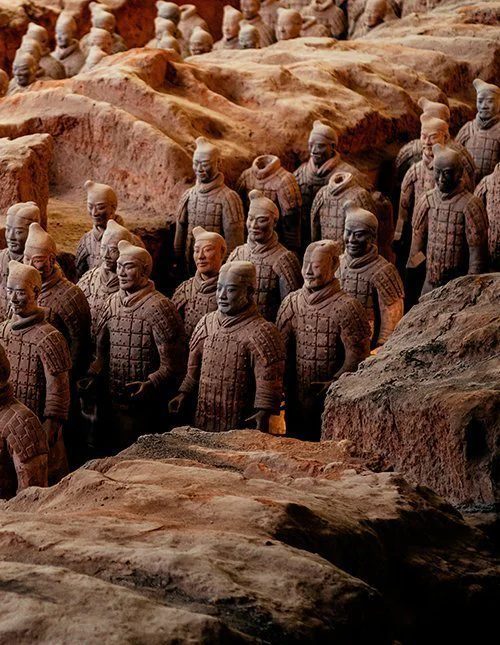

China is a country that has something for everyone.
A fascinating, breathtaking and wonderful travel destination.
Still not sure when to visit China? Feel free to reach out to our travel specialists, who are ready to help you set off on a fantastic dream tour to China.
Please note: The above guide is indicative, and recommendations may change.
TourCompass – From tourist to traveller