When you book a tour to Ecuador, you can look forward to amazing experiences among magnificent mountains, lush rainforests and truly one-of-a-kind wildlife.
But when should you visit this magical country in Latin America?
We'll help you find the right time to visit Ecuador!
The climate in Ecuador

Ecuador is located right on the equator, which means the length of the day varies very little throughout the year, with approximately 12 hours of daylight each day. This constant sunlight is essential to the country’s equatorial climate, which is characterized by a stable temperature year-round.
Compared with other South American countries, Ecuador is relatively small. Despite its size, however, the country has significant regional differences in climate, as the weather varies depending on whether you're on the coast, in the mountains or on the Galapagos Islands.
That's why we divide Ecuador into the following regions:
- The Andes
- The Amazon
- The Pacific Coast
- The Galapagos Islands
The Andes

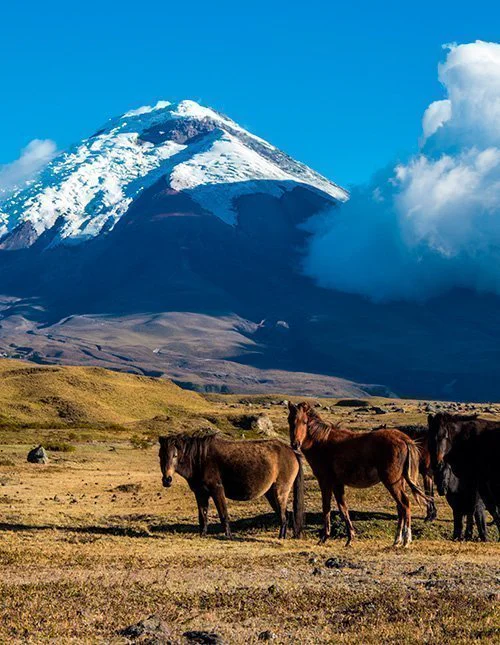
The Ecuadorian Andes are home to sights such as Ecuador's capital, Quito, and the Cotopaxi volcano.
The Andes offer a beautiful combination of mountain landscapes, colourful markets and cities filled with architectural gems from the Spanish colonial era, such as Quito. The climate in this region is remarkable thanks to its so-called eternal spring weather. Temperatures stay fairly constant year-round, with average daytime highs rarely exceeding 21°C and nights that can sometimes get chilly.
In the Andes, the year can be divided into a dry season and a rainy season:
- The rainy season runs from October to May
- The dry season runs from June to September
During the dry season, you can expect warm, sunny, spring-like days, though a little rain is always possible, while the rainy season, as you'd expect, brings more precipitation. Year-round, mornings are usually sunny, and then clouds build up over the mountains, bringing rain in the afternoon.
When is the best time to visit the Andes?
The Andes are a great destination any time of year.
Most people prefer to visit the Andes during the dry season, between June and September. During these months, the weather is drier and clearer, offering good conditions for seeing sights such as the Cotopaxi volcano.
The Amazon

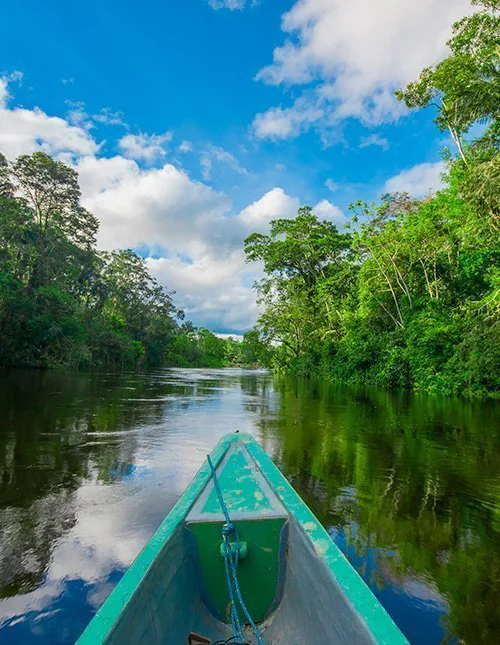
Ecuador's Amazon region is a lush, biodiverse part of the country, offering unforgettable adventures in the heart of the rainforest. The climate here is warm and humid, with plenty of rainfall throughout the year.
Average daytime temperatures rarely drop below 29°C, creating an ideal environment for the rainforest's rich biodiversity.
Since it rains year-round in the Amazon, we don't distinguish between a specific rainy season and dry season. That said, the period from July to September has historically seen the least precipitation of the year.
When is the best time to visit the Amazon?
Visiting the Amazon is an amazing experience at any time of year. If you'd like to see as little rain as possible, plan your trip to the Amazon between July and September. Just be prepared for rain no matter when you go.
The Pacific Coast

The Pacific coast, or "La Costa," of Ecuador is known for its warm temperatures, wide sandy beaches and lively coastal towns. The region offers plenty of sunshine and an exciting glimpse into Ecuador's cultural diversity.
The coastal region has a warm and humid climate, with high average daytime temperatures of at least 29°C all year round.
There is a clear difference between the dry season and the rainy season:
- The rainy season is from January to April
- The dry season is from May to December
During the dry season, you can expect about the same temperatures as during the rainy season, but it is very unlikely that you will experience rainfall in the middle of the dry season. The rainy season offers lusher landscapes, but also higher humidity and frequent downpours.
When is the best time to visit the Pacific Coast?
Like Ecuador's other regions, the Pacific Coast offers exciting experiences year-round.
Most people prefer to visit Ecuador's Pacific coast during the dry season, when there are plenty of sunny days. This is also an excellent time to explore the markets and restaurants of the coastal towns without worrying about the rain.
The Galapagos Islands

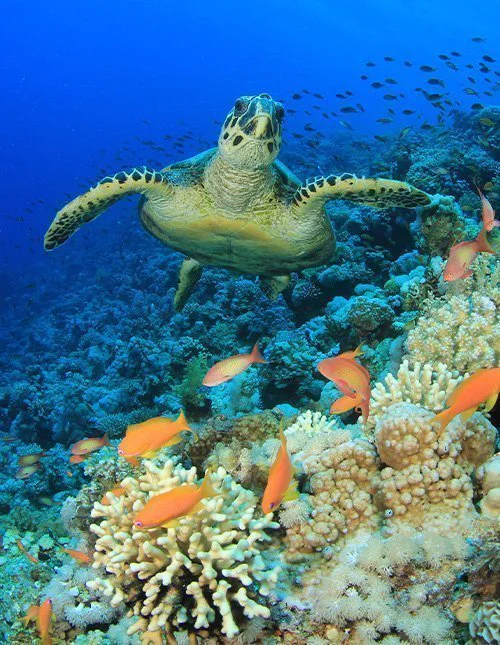
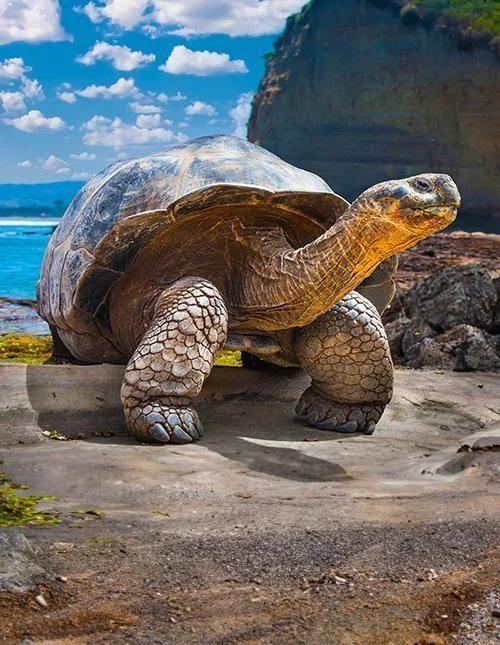
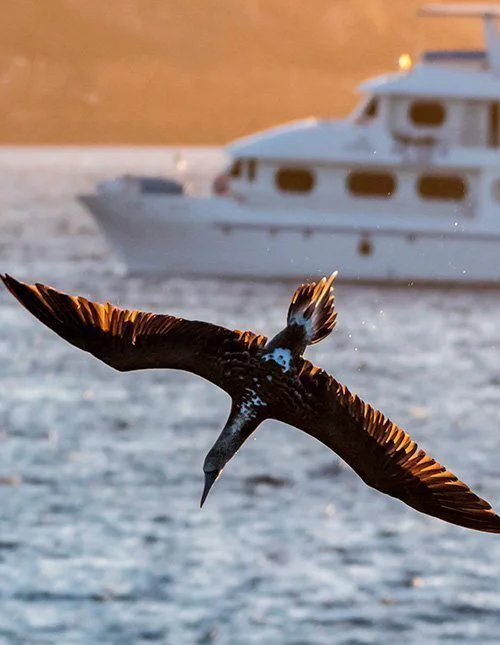
Located about 1,000 km from mainland Ecuador, the Galapagos Islands are home to fascinating natural surroundings and wildlife both above and below sea level.
The islands have a somewhat different climate from the mainland, as they are influenced by the Humboldt Current, which affects sea temperature and visibility in the waters around the islands.
The islands have two distinct seasons: a rainy season and a dry season.
- The rainy season runs from January to June (the warm and wet season)
- The dry season runs from July to December (the "cooler," dry season)
The rainy season brings the warmest weather of the year, daily rain, warmer sea temperatures and better underwater visibility, and it's the most popular time to visit the Galapagos Islands.
The dry season offers sunny weather, less rain and cooler air and sea temperatures. In addition, the so-called Garúa Fog may be present in the highlands of the islands.
When is the best time to visit the Galapagos Islands?
There's no bad time to travel to the Galapagos, and you can experience the islands' spectacular wildlife all year round.
Unlike visitors to mainland Ecuador, most people prefer to travel to the Galapagos Islands during the rainy season between January and June. During these months, the waters are calmer and warmer, which is ideal if you dream of snorkelling.
You can read more about the weather and wildlife of the Galapagos Islands month by month.
So when is the best time to visit Ecuador?

There's no bad time to travel to Ecuador. It mostly depends on what you want to experience.
If you dream of experiencing Ecuador when the risk of rain is lowest, we recommend travelling between June and September. These months are the dry season throughout Ecuador and, historically, they have seen the least rainfall.
The Galapagos Islands also have something to offer all year round. If you want to experience the Galapagos Islands when the weather is at its "best," you should travel during the islands' rainy season, i.e., between January and June. These months do see the most rain, but in return, you'll also enjoy warmer sea temperatures and better underwater visibility.
No matter when you choose to travel to Ecuador, unforgettable experiences await. Plan your trip around the season that best suits what you want to get out of your visit.
Not sure when to go?
Not sure when the best time is to travel to Ecuador and explore its beautiful landscapes?
We're ready to help you find the perfect time.
TourCompass – From tourist to traveller