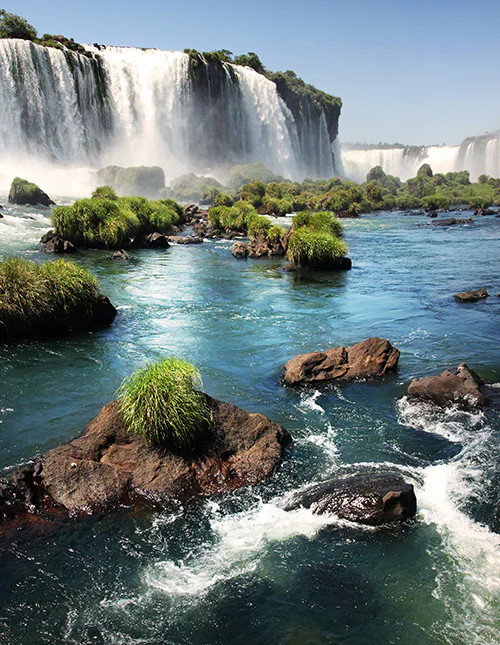
Iguazú Falls, straddling the border between Argentina and Brazil, is a natural spectacle that draws visitors from every corner of the globe.
The timing of your visit can make a big difference to your experience, as each season has its own distinct characteristics.
So when should you visit Iguazú Falls? We’ll help you decide.
The climate of Iguazú Falls
Since Iguazú Falls is located in the southern hemisphere, its seasons are the opposite of those in the northern hemisphere. This means that when it’s summer here (June to August), it’s winter in Iguazú.
That said, winter may not be the most accurate word. The climate around Iguazú Falls is subtropical, which means it’s generally warm and humid, with rainfall throughout the year. The varying rainfall affects the volume and power of the falls.
Fall (March to May) and spring (September to November)

Fall and spring at Iguazú Falls bring milder weather and fewer visitors, making these seasons ideal for those looking for a more tranquil experience. Many people consider late fall (April to May) and early spring (September to October) to be among the best months to visit the falls.
Pros:
- Ideal weather: Pleasant temperatures and lower humidity levels make exploring the park more comfortable.
- Fewer crowds: With fewer visitors (except at Easter), you can experience the falls more intimately, especially if you visit between Monday and Friday.
Cons:
- Water levels: The falls remain impressive and offer stunning views, though without the volume of peak season.
- Rain: There is a chance of rain throughout the period.
Summer (December to February)

The summer months see the falls at their fullest and most powerful, surrounded by lush, vibrant scenery.
Pros:
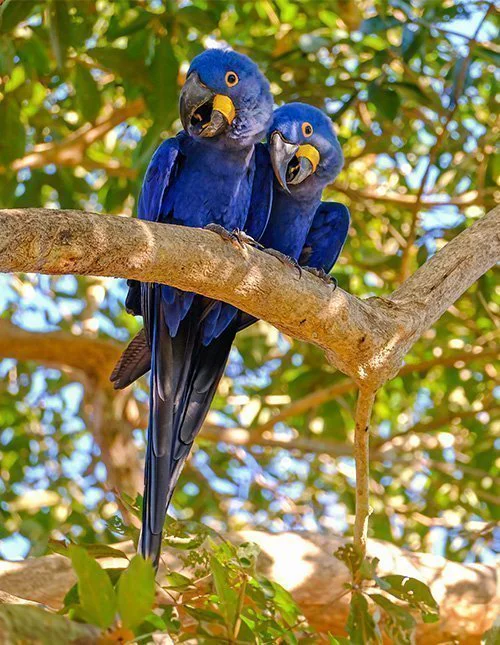
- Vibrant wildlife: The surrounding jungle is teeming with life, offering great opportunities for wildlife spotting.
- Water levels: See the falls at their most majestic, when high water levels create a truly spectacular sight.
Cons:
- Crowds: The falls get busier, as this is a popular time for local vacations (usually in January and February).
- Weather: High temperatures and humidity can make visits less comfortable for some.
- Rain: Rainfall peaks in the summer months.
Winter (June to August)

Winter offers a quieter, cooler visit, though with less water volume than in other seasons.
Pros:
- Fewer visitors (except in late July): Enjoy the falls without the crowds for a more peaceful visit.
- Weather: The cooler weather makes exploring the vast park more comfortable.
- Rain: There's less chance of rainfall during this period.
Cons:
- Water levels: The water flow, while still impressive, isn’t as dramatic as in the summer months.
So, when is the best time to go to Iguazú Falls?

You can visit Iguazú Falls year-round. The best time to go depends on your personal preferences when it comes to weather, crowds and water volume.
To truly appreciate the grandeur of Iguazú Falls, we recommend visiting both the Argentine and Brazilian sides. Each offers its own unique views and experiences. In Argentina, you can get up close to the falls on nature walks and boat rides. In Brazil, you can look forward to panoramic views that showcase the sheer vastness of the falls.
No matter when you choose to travel to Iguazú Falls, we promise it will be unforgettable. For the best possible experience at one of the world’s most stunning natural wonders, plan your visit around the season that best suits what you’re looking for in a trip.
If you’re not sure when to go, we’re here to help. Just give us a call, and we’ll help you find the perfect time for your adventure.





TourCompass – From tourist to traveller