Dreaming of standing on top of a skyscraper in Kuala Lumpur, trekking through Borneo’s rainforests or unwinding on the white sandy beaches of Langkawi?
Malaysia offers thrilling experiences year-round — but when is the best time to travel if you’re looking for the most favourable weather?
Read on to discover the best times for your tour to this exciting Southeast Asian country.
Please note, the following guide is advisory, and recommendations may change over time.
Climate & weather in Malaysia

Malaysia has a tropical climate with warm temperatures, high humidity and a chance of rain throughout the year.
Because the country is so close to the equator, temperatures stay fairly constant all year, and when it rains, it's often in the form of heavy but short-lived tropical showers.
The weather in Malaysia is influenced by monsoons, which hit the coasts at different times. This means the weather can vary significantly depending on when and where you travel in the country.
Monsoon seasons in Malaysia
Many countries in Southeast Asia, including Malaysia, are influenced by monsoons. A monsoon is a wind that blows during specific periods of the year. It brings moist sea air, leading to increased rain during the monsoon season.
Malaysia experiences two main monsoon seasons:
- The northeast monsoon: November to March
- The southwest monsoon: May to September
The northeast monsoon brings heavy rain, especially to the states on the east coast of the Malay Peninsula, the islands off the east coast (e.g., Perhentian Islands), and parts of Borneo, particularly northeast Sabah and the coastal areas of Sarawak.
The southwest monsoon is more likely to bring rain to the western part of the Malay Peninsula, including islands like Penang and Langkawi.
That means there's always somewhere in Malaysia where you can enjoy a beach vacation away from the monsoons.
Weather in Malaysia’s regions
Many travellers prefer to tour when the weather is at its sunniest and most stable, with less rain. While rain can fall year-round, there are periods with less precipitation, and these are typically among the most popular times to travel. That said, touring during the rainy seasons has its advantages too.
Here, you’ll find an overview of the best times to visit Malaysia’s various regions if you’re looking for the best weather.
Malaysia’s coasts

The Malay Peninsula can be divided into two regions: the west coast and the east coast.
Warm temperatures and high humidity are the norm here all year round, so the year is more often divided by monsoons than by the seasons we know in Canada.
The monsoons affect each coast at different times of the year.
When is the best time to travel to the Malaysian west coast? (Langkawi, Penang)
The ideal time to tour Malaysia’s west coast, including Langkawi and Penang, is between December and March, during the dry season. At this time of year, the west coast largely escapes the northeast monsoon.
On the west coast, the rainy season runs from May to September and is typically shaped by the southwest monsoon. While rainfall increases during this period, there are still plenty of sunny spells to enjoy. The showers are generally brief and less intense than those on the east coast, so you can often still make the most of the beach and outdoor activities between them.
When is the best time to travel to the Malaysian east coast? (Perhentian Islands)
The best time to explore Malaysia’s east coast, including the Perhentian Islands, is from March to September, during the dry season.
The east coast’s rainy season runs from October to February. While the southwest monsoon brings only a slight increase in rain on the west coast, the northeast monsoon has a much bigger impact on the east coast and surrounding islands. In the worst case, resorts and hotels may close temporarily due to the weather.
Kuala Lumpur and Melaka

Kuala Lumpur, the capital of Malaysia, and the UNESCO city of Melaka are located in southwestern Malaysia.
The weather in this region is also influenced by the monsoon seasons, but they don’t bring winds as strong or rain as heavy as, for example, on the east coast. This is because Sumatra, to the west, shelters the area from the harshest winds.
Kuala Lumpur and Melaka get more consistent rainfall than Langkawi and Penang, with the wettest months typically falling from March to May and from October to November.
When is the best time to travel to Kuala Lumpur and Melaka?
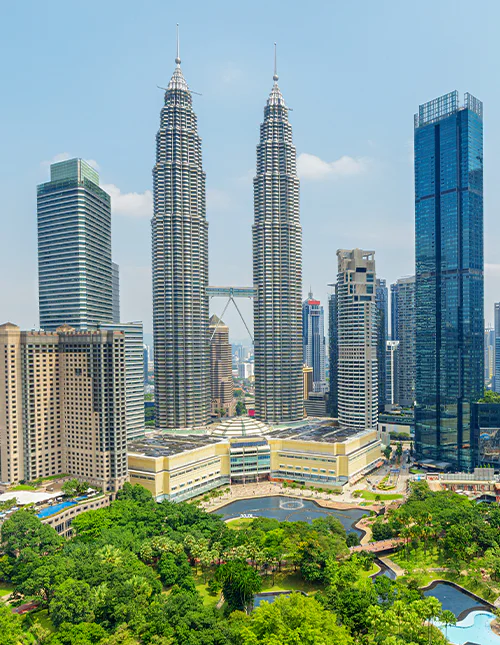
The best time to visit Kuala Lumpur and Melaka is between June and September, as well as January and February, when there’s generally less rainfall than during the rest of the year.
The drier weather makes for excellent conditions to explore the cities’ fascinating attractions, colonial architecture and green spaces.
Cameron Highlands

The Cameron Highlands, a mountainous region of Malaysia, are generally cooler than the capital and the islands because of their high elevation.
When is the best time to visit Cameron Highlands?
The best time to tour the Cameron Highlands is during the driest periods, in January and February, and from June to August.
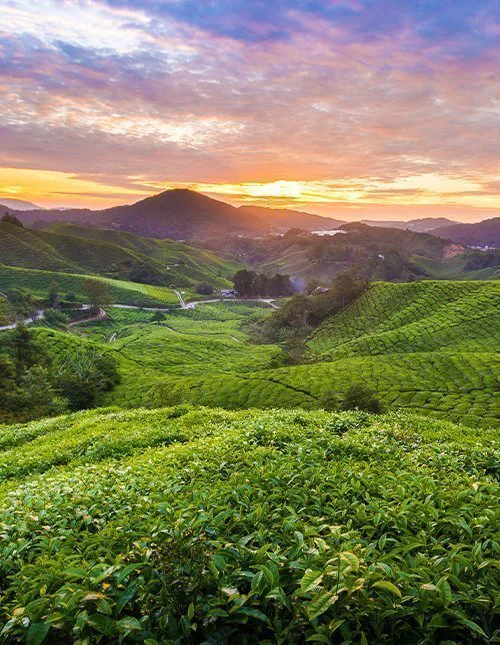
Although rain falls year-round in the Cameron Highlands, these months have a lower chance of rain and are ideal for experiencing the area’s stunning natural beauty, such as the enchanting Mossy Forest or the exquisite tea plantations. The clear weather offers breathtaking views of the lush landscapes.
However, some people prefer to visit the Cameron Highlands during the rainy seasons, when the landscapes become especially lush and green.
Borneo

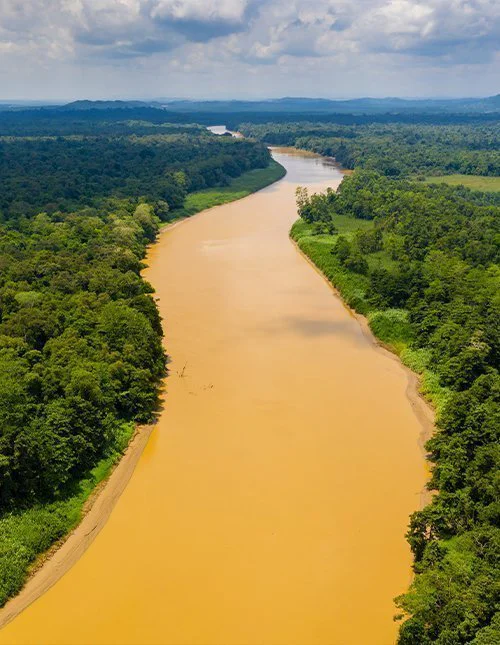
Borneo, the world’s third-largest island, has a tropical climate with warm, humid weather throughout the year.
With its vast rainforests, it’s hardly surprising that rain falls all year round.
When is the best time to travel to Borneo?
Borneo can be visited year-round, but the driest period is from April to September. Although there is less rainfall during these months, Borneo is in an “ever-wet zone” where heavy but short rain showers can occur throughout the year.
Even in the driest months, humidity is high and the weather can feel steamy. These months are ideal for setting out on the outdoor adventures Borneo has to offer, such as trekking on Mount Kinabalu in Sabah.
So, when should you visit Malaysia?
You can travel to Malaysia all year round. The best time to visit depends on the experiences you’re looking for.
Below you’ll find an overview of the best times to visit different regions if you’re hoping to travel during the periods with the least rainfall:
Overview: Best times to visit Malaysia
Here’s an overview of when the weather is typically at its best in each region.
| Region | Best months | Weather |
| West Coast (Langkawi, Penang) | December – March | Dry, sunny and lower humidity. |
| East Coast (Perhentian Islands) | March – September | Less rain and great beach conditions. |
| Kuala Lumpur & Melaka | January – February, June – September | Relatively dry, but still with tropical showers. |
| Cameron Highlands | January – February, June – September | Cooler temperatures and less rain. |
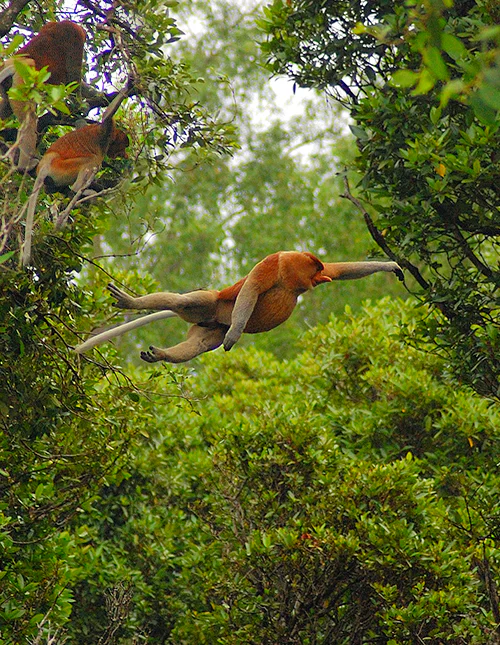
| Borneo (Sabah & Sarawak) | April – September | Less rain and ideal for trekking and seeing wildlife. |
Remember: Malaysia has a tropical climate, and short, heavy rain showers can occur at any time of the year — even during the driest periods.
Benefits of travelling during the rainy seasons
While many people prefer to travel during the dry seasons, travelling outside these periods also has benefits that outweigh the slightly less favourable weather.
Here you can experience:
- Fewer visitors and more space at popular attractions and national parks
- Extra lush landscapes as the rain brings the scenery to life
- Potential for lower tour prices
It also benefits the destinations when visits are spread throughout the year rather than concentrated in the dry seasons. For example, you help ensure that locals earn a more even income over the course of the year.



Still not sure?
Malaysia is a destination that offers adventure year-round, whether you'd rather experience the vibrant cities, explore the lush rainforests or relax on tropical beaches.
Not sure when to travel?
Our travel specialists will help you find the perfect time for your dream tour.
TourCompass – From tourist to traveller