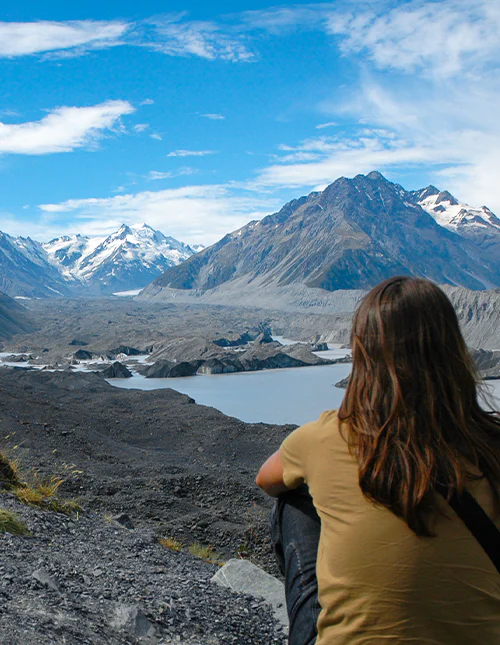
New Zealand is truly a land of adventure, where dramatic landscapes, vibrant culture and welcoming locals set the stage for unforgettable travel experiences. Here, a subtropical climate meets snow-capped mountain peaks, and every season brings its own distinct charm and a wealth of unique experiences.
But when exactly should you visit New Zealand?
In this guide, we’ll take a closer look at New Zealand’s weather — covering its climate, seasons and different regions — to help you find the perfect time for your tour to New Zealand.
Please note that the following guide to New Zealand’s weather is based on historical data and should not be used as a weather forecast.
New Zealand’s climate

New Zealand’s climate is generally characterized by mild temperatures and plenty of sunshine throughout the year.
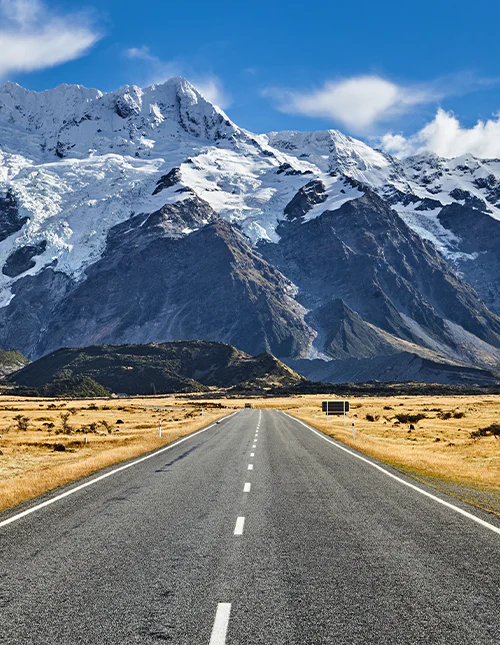
Spanning approximately 1,600 km from north to south, New Zealand covers several climate zones — from subtropical conditions in the north to temperate climates in the south, while the mountainous regions experience a cold, alpine highland climate.
Because of this, the weather varies depending on which part of the country you are in.
New Zealand’s climate is often described by dividing it into the North Island and the South Island. Read on to learn more about the differences between the two.
The climate on the North Island
The North Island enjoys a mild climate, with warm, humid summers and gentle winters.
The northern regions, such as Auckland, have subtropical conditions, where temperatures stay mild even through the winter.
Rain falls steadily throughout the year, keeping the landscapes lush and green.
The climate on the South Island
The South Island is known for its temperate climate, which means temperatures can fluctuate more, and winters here tend to be noticeably colder than on the North Island.
However, the Southern Alps divide the South Island into two quite distinct climate zones: the west coast and the east coast.
The west coast of the South Island is the wettest area in New Zealand, while the east coast is the driest.
When is the best time of year to visit New Zealand?

The best time to visit New Zealand is during the summer months, from December to February. During this period, the weather is warm and sunny, the days are long, and locals and visitors alike make the most of life outdoors at the beaches, lakes and fjords. It's also the time of year when many dream of trading the Canadian winter for summer in the southern hemisphere and enjoying festive celebrations like Christmas and New Year’s in the sunshine.
New Zealand is a true year-round destination, and each season has its own unique charms — you can learn more about them below.
Please note: At present, we only offer departure dates between September and April.
New Zealand's seasons
New Zealand has the traditional four seasons, but because the country is in the southern hemisphere, they fall at the opposite time of year from those in Canada.
- Spring: September to November
- Summer: December to February
- Fall: March to May
- Winter: June to August
Although New Zealand has clearly defined seasons, the weather can change quickly over the course of a day — it’s often described as “four seasons in one day.” So it’s a good idea to be prepared for all kinds of weather when travelling to New Zealand.
Spring (September–November)

Spring in New Zealand welcomes you with lush, blooming landscapes and mild temperatures right across the country.
The weather is often mixed — mornings and evenings can be cool, and you’re likely to get a mix of showers and sunshine. The North Island tends to be slightly warmer than the South Island during the spring months.
Spring is an ideal time to immerse yourself in New Zealand’s stunning natural beauty and breathtaking national parks. Waterfalls like Devil’s Punchbowl or Thunder Creek Falls are overflowing after the winter snow melts, and the landscapes are dotted with wild, native flowers and plants. It’s also during these months that one of New Zealand’s most famous residents, the little kiwi bird, hatches from its egg.
3 advantages of travelling in spring
- Fewer visitors than during the New Zealand summer
- Blooming nature and breathtaking landscapes
- Pleasant temperatures for outdoor adventures
Summer (December–February)

Summer is the high season in New Zealand, making it a popular time for locals and travellers alike to explore the country’s beaches, lakes and fjords.
The days are long and sunny, with warm temperatures across the country.
On the North Island, you can go swimming at Coromandel, for example, while the South Island offers hiking in the Alps and cruises on Milford Sound.
Summer is also a time for major celebrations, with Christmas and New Year’s in December, plus New Zealand’s national Waitangi Day in February, creating a vibrant atmosphere all around the country — especially in big cities like Auckland, Christchurch or Wellington.
3 advantages of travelling in summer
- Sunny, warm weather
- Opportunities for a beach vacation and seaside activities
- Christmas and New Year’s festivities in December
Fall (March–May)

Fall is one of the most stunning times to visit New Zealand, when the scenery is draped in captivating hues of red, yellow and orange.
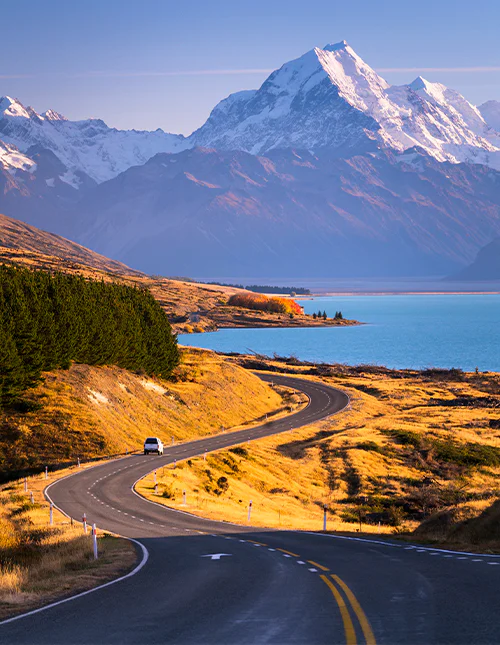
Temperatures are pleasant and the weather is generally stable, with only light rainfall. Although mornings and nights can be chilly, conditions are ideal for hiking and cycling — whether you’re discovering the unique Auckland Volcanic Field, exploring the majestic Redwood Forest near Rotorua or taking in Queenstown’s alpine scenery. Fall is also an excellent time to visit Central Otago, one of New Zealand’s premier wine regions, during the grape harvest, when the area is draped in beautiful fall colours.
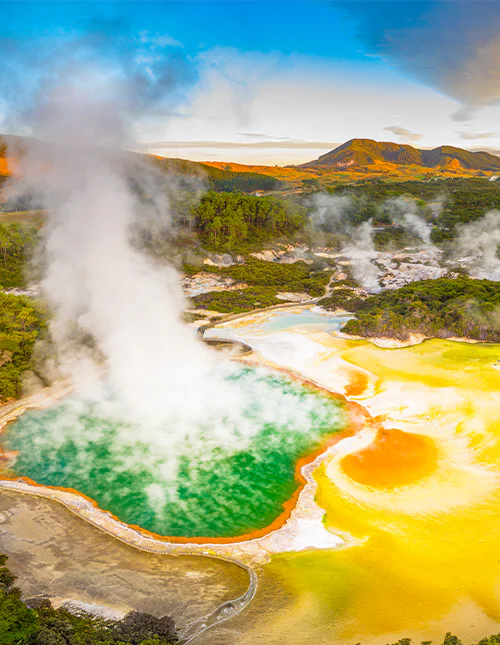
If you’re looking for world-class wellness, the fall months are the perfect time to treat yourself, especially if you want a more intimate experience. The natural hot springs in Rotorua and the mud spa at Hell’s Gate are far less crowded than during the busy summer season.
3 advantages of travelling in the fall
- Spectacular fall landscapes
- Ideal weather for outdoor activities
- Fewer visitors than during the New Zealand summer
Winter (June–August)

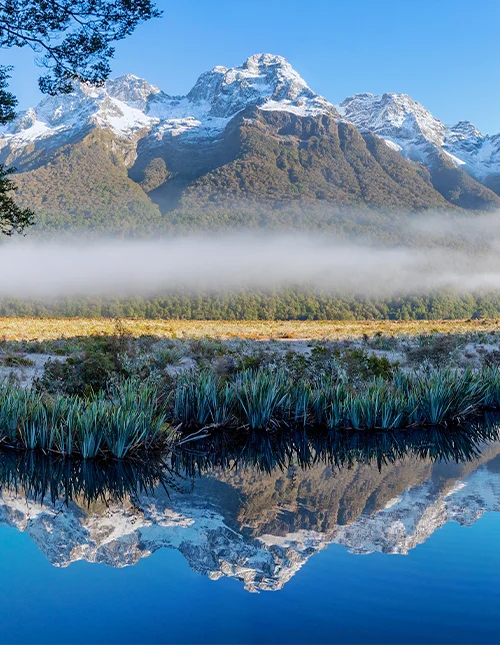
Winter in New Zealand is characterized by cold, crisp days and breathtaking winter scenery, as the mountains are blanketed with snow and the lakes reflect those snowy peaks.
On the South Island, Queenstown and Wānaka are transformed into world-class ski resorts, while the North Island enjoys mild temperatures and lush, green scenery.
In Kaikoura, on the South Island, you can spot whales year-round; however, certain species, such as humpback whales and southern right whales, are more likely to be seen during the winter months. Throughout the rest of the year, including winter, you also have the chance to see orcas, sperm whales and several species of dolphin.
If you visit the country in June or July, you can experience Matariki — the traditional Māori New Year — which celebrates the beginning of a new year. In 2026, New Zealand's New Year takes place from July 8 to 11. In 2027, it falls from June 27 to 30.
The crisp winter weather also offers spectacular opportunities for stargazing. If you’re lucky, you may even witness the Southern Lights, the Aurora Australis, once the sun sets and the sky is clear and cloudless. Although the days are shorter, winter brings a magical atmosphere for those who want to experience the country in a completely new light.
3 reasons to travel in winter
- Fewer visitors than during the high season
- A great time to spot whales in Kaikoura
- Opportunity to experience the Māori New Year, Matariki
Not sure when to travel?

With its snow-capped peaks, stunning lakes, breathtaking national parks and vibrant culture, a tour to New Zealand offers adventure all year round.
Our travel specialists are here to help you find the perfect time for your dream tour, so you can experience New Zealand’s magical contrasts in the very best way.
TourCompass – From tourist to traveller