A safari in South Africa offers fascinating national parks and impressive wildlife. But when is the best time to visit South Africa?
Read on to learn more about South Africa's climate and wildlife at different times of the year.
South Africa’s weather and wildlife
South Africa is a fantastic safari destination year-round, but some times of the year are better than others, depending on your priorities when it comes to activities and experiences.
South Africa is a large, diverse country. As in Canada, the seasons can blend into one another, and the weather varies depending on which part of the country you're in. This guide is therefore primarily aimed at those who want to go on safari in Kruger National Park.
Weather & climate
In South Africa, it's winter when it's summer in Canada. However, it never gets as cold as Canadian winters. It can get cold at night, but average daytime temperatures throughout the year range from 23–29 degrees.
Unlike in Tanzania, for example, South Africa has only one rainy season. In Kruger, the rainy season runs from November to February, which are the summer months in South Africa. That said, it's mostly sunny.
Wildlife
You can experience South Africa's amazing wildlife and nature all year round:
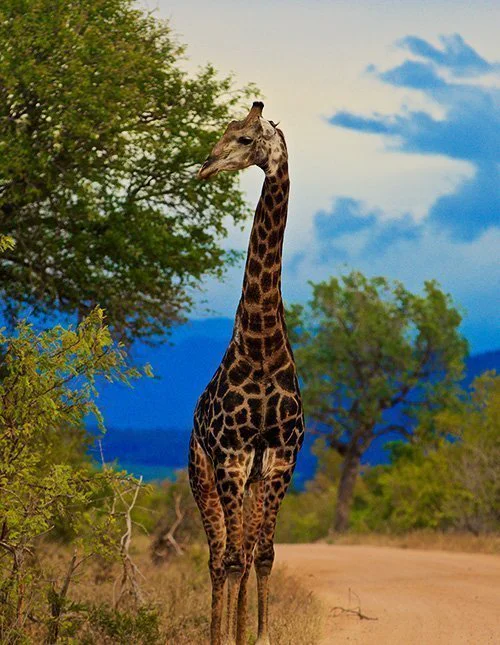
Zebras, hippos, giraffes, baboons, kudus, waterbucks and fascinating bird species.
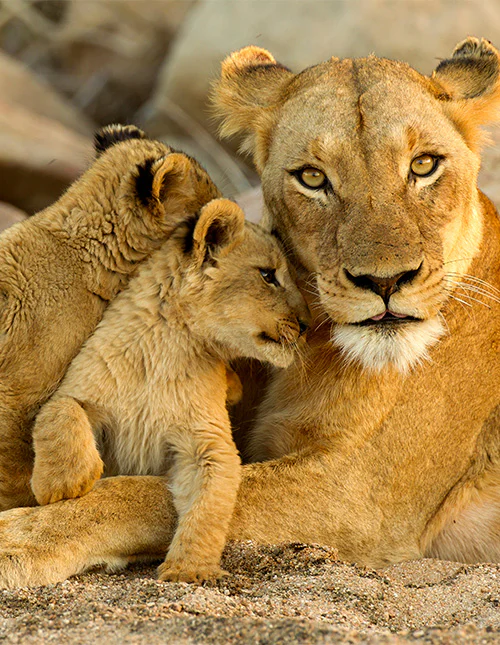
You also have a good chance of seeing The Big Five. The Big Five is an old hunting term for the lion, the elephant, the rhino, the buffalo and the leopard, the most difficult and dangerous animals to bring down. Today, the expression is also used in connection with safaris.
Climate and wildlife all year round
Although the weather and wildlife vary from season to season, one thing is certain: you're guaranteed to return home with a wealth of amazing animal and nature experiences — whatever the season.
November–February: Summer, rainy season and newborn animals

Summer in South Africa brings plenty of sunshine and rain. The hot weather — some days above 40 C — combined with high humidity means you may experience some torrential downpours.
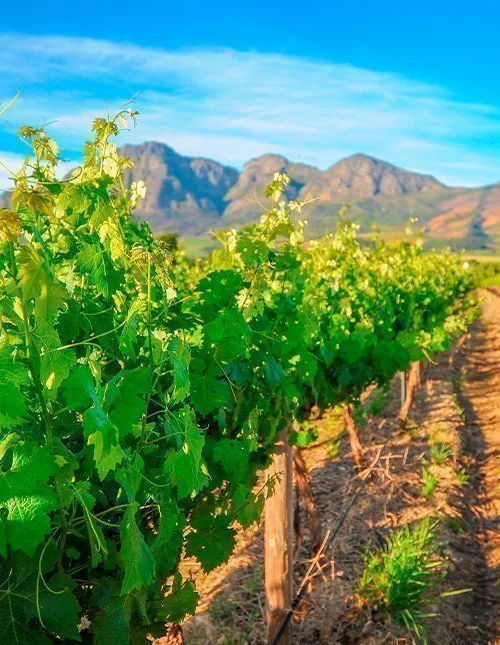
Summer is a beautiful time of year, with lush landscapes and dense vegetation. However, this can make it a little harder to spot the wildlife hiding in the bush.
If you are hoping to see newborn animals, your chances are good from late November to early December, when Kruger is bursting with young animals, which are easy prey for the park’s predators.
What’s more, the birdlife is absolutely fantastic from December to February, when several exciting bird species, such as the tinkerbird and the common kestrel, migrate to the national parks.
→ Visit South Africa from November–February (summer) if you want to experience
- Hot weather
- A lush, picturesque landscape
- Young animals and lots of interesting birds
March–May: Fall

At the beginning of fall, it's still hot and it still rains a lot, but nowhere near as much as in the summer. As May approaches, the temperatures become more comfortable, it rains less, and the evenings and mornings are cooler.
The rainy season may be over, but South Africa's rivers and water holes are still full of water in early fall. That means you'll see a beautiful, lush bush landscape, which gradually becomes sparser and less lush as winter approaches.
→ Visit South Africa from March–May (fall) if you want to experience
- A lush landscape
- Pleasant daytime temperatures with a little rain and cool evenings/nights/mornings
- Fewer visitors in the park
June–August: Winter and The Big Five

The South African winter brings pleasant daytime temperatures, but evenings, nights and mornings can be quite cold. If you're travelling during this period, be sure to pack warm clothes.
Winter is the driest time of year, and the lack of rain leaves the landscape more barren.
The bare landscape makes it easier to spot the amazing wildlife, since the animals can't hide in the bushes. They also gather around the few waterholes that still have water. This is the period when you have the best chance of seeing The Big Five.
There are fewer visitors in winter, so you may feel even more at one with the savannah.
→ Visit South Africa from June–August (winter) if you want to experience
- Pleasant daytime temperatures with cold nights
- Active wildlife that is easy to spot, including the Big Five
- The fewest visitors in the park
September–October: Spring and active wildlife

Temperatures climb again in the spring, and it can feel very hot during the day.
It hasn't rained for a while, so the animals gather in large numbers around the waterholes that still have water. The landscape is still bare, which makes the animals easy to spot.
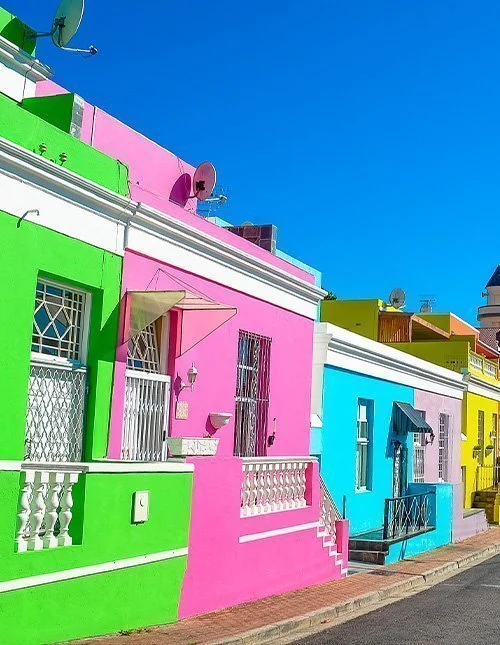
If you'd like to combine a visit to Cape Town with a safari in Kruger, spring is the ideal time. This is when the wildflowers are in bloom, creating a unique, colourful landscape along the South African coast.
Spring is also peak season for whale watching in Cape Town. From June to November, the big whales head to South Africa's long coastline to breed, making them easier to spot.
→ Visit South Africa from September–October (spring) if you want to experience
- Warmer weather
- Animals that are easy to spot
- Cape Town. The flowers in bloom and peak season for whale watching
Any questions?
Still not sure when the best time is for you to visit South Africa? Since the above is only a guide, we always recommend reaching out to our travel specialists, who have extensive experience with our destinations in Africa.
They can help you choose the right tour and departure date.
TourCompass – From tourist to traveller