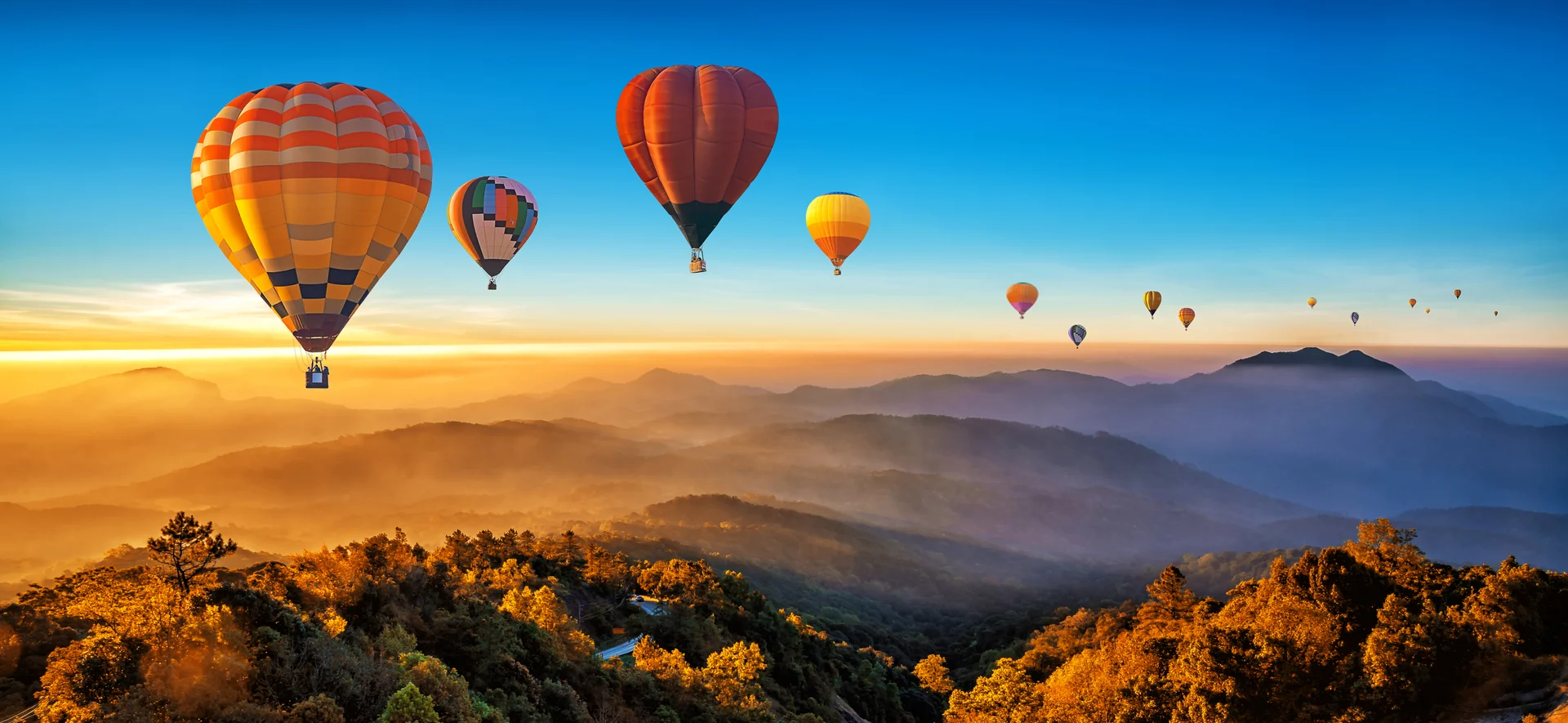
In Sri Lanka, the beautiful island southeast of India, you'll discover picturesque beaches, scenic tea plantations and locals with a zest for life. But when should you go?
Read on to find out the best time to visit the island.
Climate of Sri Lanka
Sri Lanka is a year-round destination.
Sri Lanka lies in the tropical climate belt, which means that whatever the season, you can expect warm weather, with the occasional rain shower. So there really is no "bad" time to visit Sri Lanka.
That said, Sri Lanka is made up of coastline and central highlands, and the weather varies accordingly. There are also two monsoons, which bring more rain at different times to the southwestern regions and the northern & eastern regions of Sri Lanka.
In general, you can expect it to be hotter along the coasts than in the central highlands, where nights can be cooler throughout the year.
Monsoons of Sri Lanka

Sri Lanka has two monsoons, each bringing a rainy season to its own part of the country.
A monsoon is a seasonal shift in wind direction that can bring heavy rain to the areas it affects.
There are two primary monsoons in Sri Lanka:
- The North-East Monsoon, or the Maha monsoon, arrives between December and February. The monsoon may affect the entire island, but the heaviest rain typically falls in the northern and eastern parts of Sri Lanka.
- The South-West Monsoon, or the Yala monsoon, arrives between May and September. The South-West Monsoon is less intense and mainly affects the southern and western coasts, as well as the highlands.
Beyond the two main monsoons, there are two intermediate periods:
- March & April, when rain falls mainly in the southwest and in the highlands
- October & November, when the weather may be unsettled across the whole country
Since the two monsoons bring rain to different parts of Sri Lanka, there is always somewhere with drier weather. Note that even during the monsoon season, the showers are typically short but powerful, and the weather often clears up again quickly.
Weather in Sri Lanka — month by month

January
January is generally a fantastic time to visit Sri Lanka, with mostly sunny and relatively dry weather.
- The Northeast Monsoon blows in the northern and eastern regions of Sri Lanka.
- It is hot in the highlands, but expect cooler weather in the evening.
- In the southern and western parts of Sri Lanka, however, you can expect hot and relatively dry weather.
February
February is still a good month to visit Sri Lanka.
- The North-East Monsoon is winding down, so you can expect somewhat less rain in the northeastern regions than in the previous months.
- The southern, western and central areas get lots of sun and very little rain.
March
March is generally also a good month, with nice weather across all of Sri Lanka.
- By March, the North-East Monsoon is basically over. This means temperatures start rising in the northern and eastern regions and the amount of rain decreases.
- On the southern and western coasts, temperatures rise as well, but you should expect some rain toward the end of the month as the South-West Monsoon slowly approaches.
April
April is a hot and sunny month, and some argue that it's among the best months to visit Sri Lanka, as the North-East Monsoon is over and the South-West Monsoon hasn't gotten started yet.
- In eastern Sri Lanka, there will be less rain than in the previous months, and you can expect blue skies and plenty of sunshine.
- In the southern and western areas, the South-West Monsoon is approaching, so the humidity is rising. As May draws closer, it begins to rain in southern, western and central Sri Lanka.
This is your last chance if you would like to go on a whale safari from Mirissa on Sri Lanka’s south coast. The whale season runs from October to April.
May
In May, the monsoons shift. While the weather in the past months was mainly affected by the North-East Monsoon, the coming months will be influenced by the South-West Monsoon to a greater degree.
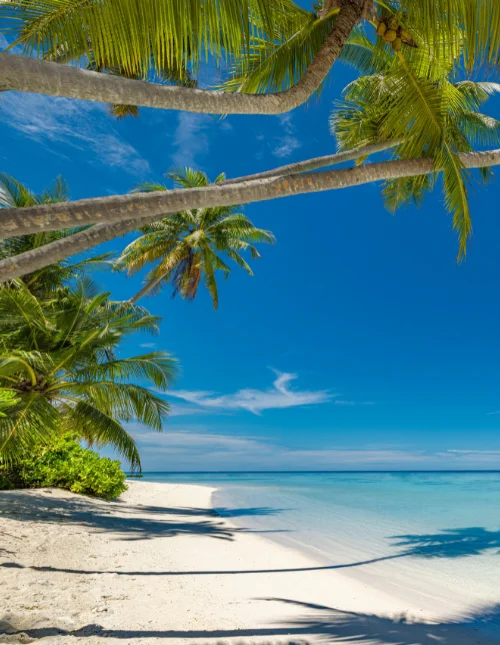
- As May approaches, the weather on the west coast is getting really nice. Temperatures are rising, the sun is shining and there is very little rain. This makes it a great place for your beach vacation, such as in Trincomalee.
- During this period, the southern and western regions of Sri Lanka (e.g., Galle, Mirissa, Hikkaduwa and the highlands) will start to feel the effects of the slowly approaching South-West Monsoon. This means there will be lots of sunshine, broken up by short but powerful showers.
June
When it comes to the weather, June is in many ways a continuation of May.
- To the north and east, the weather is clear, sunny and dry, and this is still a great area for a beach vacation.
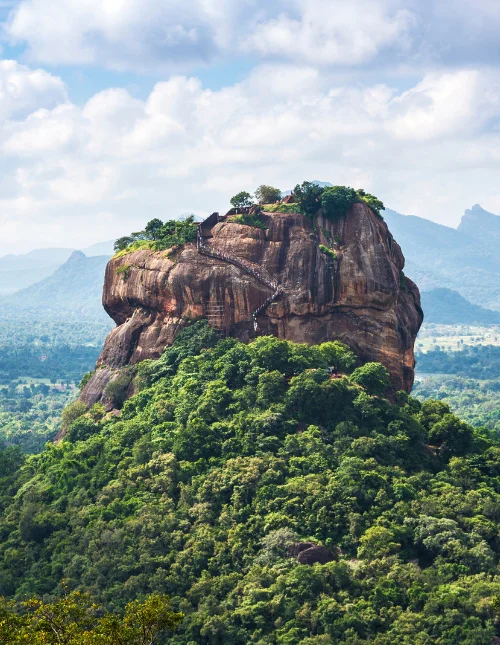
- In the area around Sigiriya, you can expect high temperatures and very little rain.
- The southern and western regions are still affected by the Southwest Monsoon. This means more rain and lower temperatures. Despite the monsoon, it is not unusual for several days to go by without rain.
July
July offers comfortable temperatures all across the island. This is one of the best times to visit Minneriya National Park, as from May to September, the elephants wander to the large lake in the park, Minneriya Tank, to drink. This phenomenon is also known as "the Elephant Gathering."
- The north and west coasts remain hot and sunny, and a beach vacation at Trincomalee is still a wonderful choice.
- It's hot in central Sri Lanka, e.g., in Sigiriya. Keep in mind, however, that evenings can still be chilly in the highlands, e.g., around Kandy, Haputale, Ella and Nuwara Eliya.
- The southwest monsoon can still affect beach areas on the west coast, e.g., Negombo. On the other hand, the weather begins to clear up in the southern and western areas as July goes on.
August
Sri Lanka is also a great destination in August.
- On Sri Lanka's eastern and northern coasts, the weather stays good, and you'll be spoiled for choice when it comes to beach areas.
- • Even though the southwest monsoon continues to blow over the southern and western regions, August may see less rain here than the months before and after.
September
September brings very mixed weather, as we're approaching the second inter-monsoon period, and Sri Lanka may face cyclones with rain and wind across the entire island over the next couple of months.
- You'll find the best weather on the east coast, which typically enjoys its last month of truly nice weather before the North-East Monsoon arrives. Toward the end of the month, it may start to rain.
- The South-West Monsoon may still affect the southern, western and central regions of Sri Lanka.
October
October brings rapidly changing weather and is one of Sri Lanka’s wettest months. We are still between the two monsoons, and thunderstorms may occur. On the other hand, October falls outside the peak season, so there may be fewer visitors than usual.
- The weather remains nice on the northern and eastern coasts, but the North-East Monsoon slowly begins to replace the South-West Monsoon, and the rain picks up.
- Accordingly, the South-West Monsoon fades away, meaning less rain. The south and west coasts see some of the year’s highest temperatures.
On Sri Lanka’s south coast, the whale season is just getting started. You can go on a whale safari from Mirissa between October and April.
November
Like October, November is a transitional period between two monsoons, and it's one of the wettest months in Sri Lanka. Toward the end of the month, the somewhat unstable weather of the past few months comes to an end.
- The North-East Monsoon approaches, and the North and East experience more unstable weather.
- In the highlands, you can still expect a bit of rain, with chilly evenings and nights.
- In the southern and western areas, the number of sunshine hours increases, though there may be some rain in between.
December
By December, we have passed the in-between period, and the North-East Monsoon is well underway.
- It begins with rain in the northern and eastern parts of Sri Lanka.
- On the other hand, this is an excellent time to visit the western and southern areas, as well as the highlands, which typically get lots of sunshine and very little rain, though showers are always possible.
So when is the best time?
The best time to visit Sri Lanka depends on what you would most like to experience. As long as you pack the right clothing, Sri Lanka is a fantastic destination to visit year-round.
Many people choose to travel between November and March, during our winter season. Christmas is especially popular, so if you'd like to visit over the Christmas holidays, be sure to book early! If you want to avoid the high season, consider travelling to Sri Lanka outside this period, when the weather is still good but there are fewer visitors.
Please note: The above guide to Sri Lanka’s climate is intended as a general guideline and is subject to change. Always check the weather forecast before your tour, and contact our travel specialists if you're unsure about when to travel.
TourCompass – From tourist to traveller