Tanzania is known as one of Africa’s best safari countries, and a safari in Tanzania gives you the opportunity to experience rich and varied wildlife in the country’s scenic national parks.
But when is the best time to visit Tanzania?
Read on below to learn more about Tanzania’s weather and wildlife throughout the year.
Please note: This guide is primarily intended for those going on a safari vacation in Serengeti National Park.
Tanzania’s weather

Tanzania is close to the equator and doesn't have winter and summer the way we do in Canada. Instead, it has a rainy season and a dry season.
The dry season runs from June to October, and there are two distinct rainy seasons:
- The “big” rainy season from April to May,
- and the “small” rainy season in November.
During the rainy season, you can expect some brief but torrential showers that help freshen the air.
Average daytime temperatures in Tanzania range from 22–28°C over the course of the year, while evenings are a little cooler. So no matter when you visit Tanzania, you can count on warm temperatures.
Read more about Tanzania’s weather.
Tanzania’s wildlife

Tanzania offers some of Africa’s best wildlife experiences.
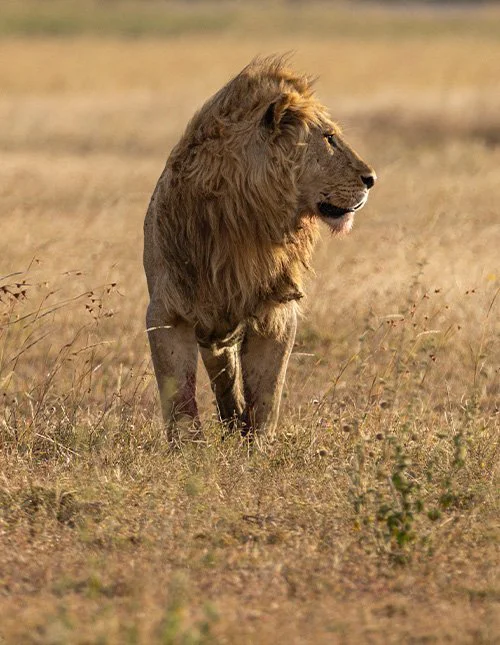
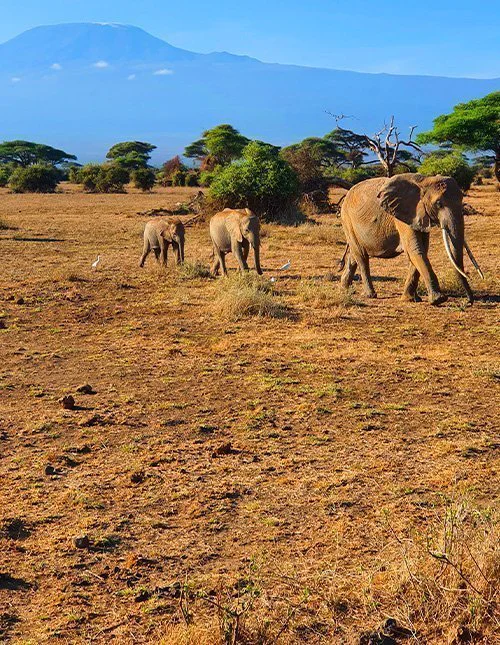
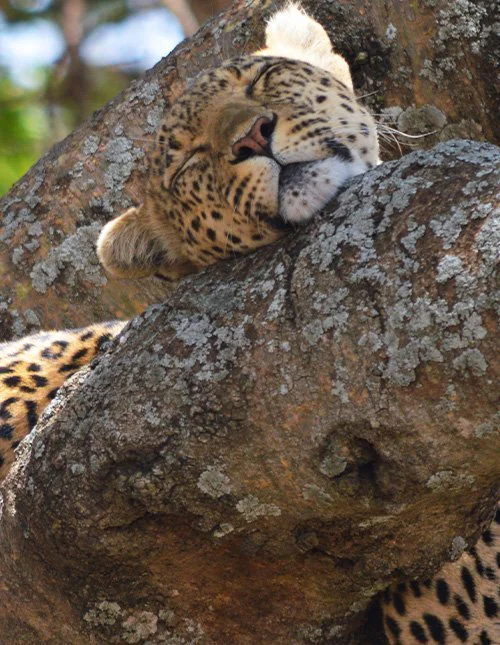
The East African country is home to “The Big Five”: the lion, the leopard, the elephant, the buffalo and the rhino — though the rhino is a rare sight. The Big Five is an old hunting term for the animals that were the most difficult and dangerous to bring down.
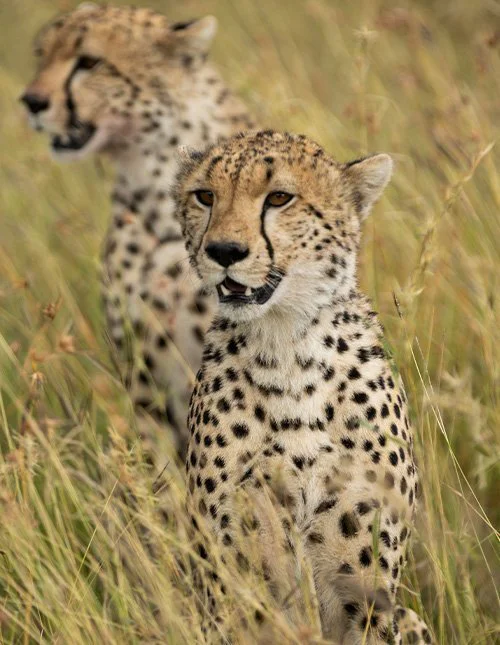
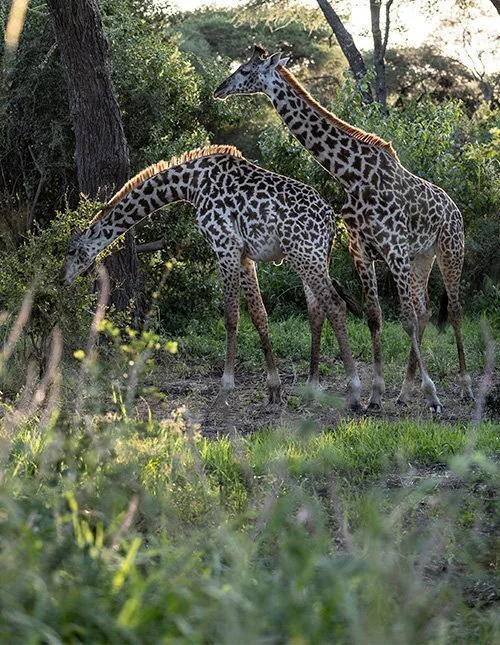
Along with the Big Five, you can see wildebeest, zebras, giraffes, cheetahs, hippos, buffaloes and many other fascinating animal species. Serengeti also offers rich and varied birdlife, with more than 500 bird species.
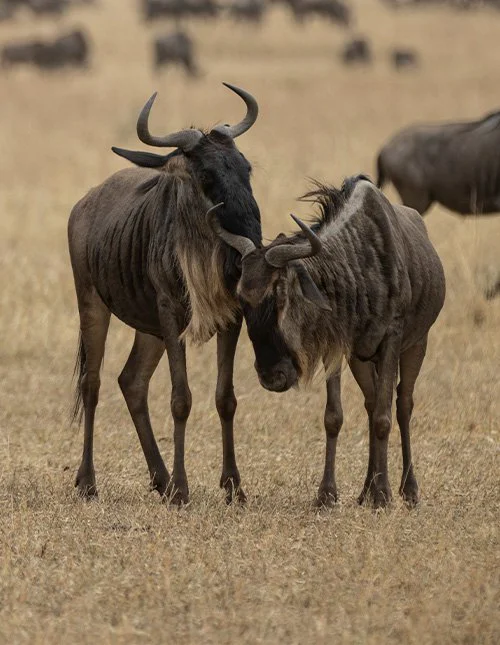
Serengeti National Park in Tanzania is also known for "The Great Migration," when some 2 million animals, including wildebeest, zebras and gazelles, migrate from Serengeti in Tanzania to Masai Mara in Kenya every year in search of fresh food and water.
Weather and wildlife year-round
You can visit Tanzania year-round, and no matter when you choose to visit this beautiful country, you're guaranteed some amazing nature and wildlife experiences.
However, depending on what you want to see, some times of year are better suited for a visit to Tanzania than others — especially if you want to experience the Great Migration.
November to March: Wildebeest calves — a predators' paradise

November to March are the hottest months in Tanzania, with average daytime temperatures of 26–28°C.
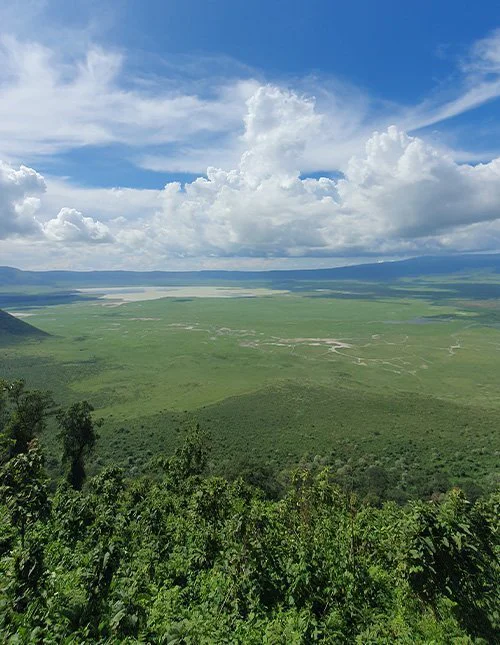
The period begins with the “short” rainy season, followed by an interim period with less rain. It’s a beautiful time of year, when everything is lush and green.
February and March are the best months if you want to see the wildebeest calves and zebra foals on the Serengeti plains. The newborn wildebeest are up on their feet in no time, and you will soon see them walking around with the rest of the herd. The last calves join the herd at the end of March.
The young are easy prey for large carnivores such as lions and leopards. If you’re lucky, you might also see the predators on the hunt.
November to March is also a great time to experience the Serengeti’s birdlife. The local birds build their nests, and many birds from Europe and North Africa also migrate to the national park during this period.
→ Visit Tanzania from November to March if you want to experience:
- Wildebeest calving in February and March, with their young becoming easy prey for the carnivores
- Abundant birdlife, with resident birds building their nests
- The hottest temperatures of the year
April to the first half of May: Rainy season and "intimate" safari experiences

Temperatures vary during these months, but you can expect an average daytime temperature of around 23–25°C.
The "long" rainy season runs through April and the first half of May, and this is when most of the year's rain falls. However, there's nothing stopping you from going on safari in Tanzania despite the rain, as long as you're aware that there may be heavy showers.
The rain creates a lush landscape. And although the taller grass makes it easier for the animals to hide, the park has a high concentration of animals, so there are plenty of opportunities to experience the Serengeti's varied wildlife during this lush period.
The rainy season is the low season, so the national park sees fewer visitors during this period. This generally means lower prices and the chance of a more "intimate" safari experience.
→ Visit Tanzania from April to the first half of May if you would like to experience:
- Comfortable temperatures with lush green countryside and a high concentration of animals
- Low season, which means lower prices
- Fewer visitors, giving you a more "intimate" safari experience
Latter half of May to July: the Great Migration up close

From late May to July, temperatures drop, and you can expect average daytime temperatures of approx. 22–23°C. The mornings and evenings can be chilly, so bring warm clothes. There is limited rainfall, and July is the driest month of the year.
During this period, you can experience the Great Migration in the area around our wild camps in the central and western parts of the Serengeti. The animals stay here for a while before moving on to the northern Serengeti.
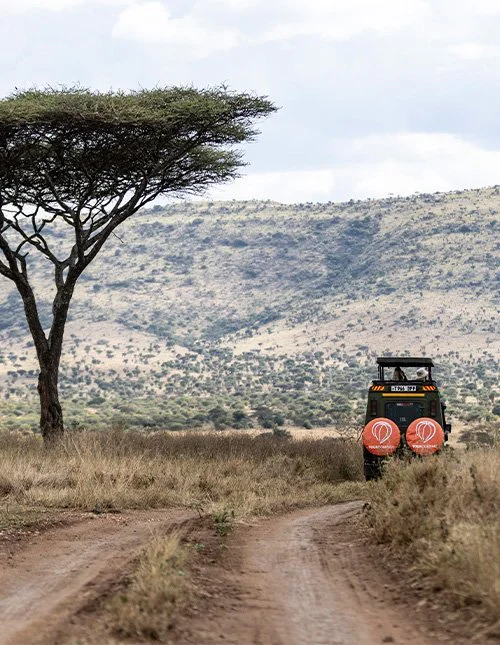
The dry weather makes for dusty roads, in stark contrast to the green landscape earlier in the year. However, during this period, you will see the animals gathering around the waterholes that still have water, which makes them easy to spot.
Many consider the dry season (until October) one of the best times to visit the Serengeti because the weather is dry and you can experience the migration.
→ Visit Tanzania from the second half of May to July if you would like to experience:
- The driest months of the year (July being the driest)
- The Great Migration in the areas around our wild camps in the central and western sections of the Serengeti.
- Animals that are easier to spot
August to October: The wildebeest arrive from the north — food for the predators

It gradually gets warmer, peaking at an average daytime temperature of around 23–25°C and up to 27°C in October. However, mornings and evenings can be chilly, so be sure to pack warm clothes.
By this time of year, it has been dry for a while, and the landscape has turned from green to gold. As a result, the animals tend to gather around the few waterholes where they can still find water.
During these months, the migration can be experienced in the northern section of Serengeti, near Kenya. The animals will be in the Masai Mara Game Reserve (Kenya) for a short time before returning to Serengeti from September to November. If you're lucky, you might get to see the herds crossing the Mara River.
The return of the herds depends on when the rain falls.
The return of the wildebeest to Serengeti means there is now plenty of food for lions, leopards, cheetahs and jackals, and if you are lucky, you might witness the predators hunting for food.
→ Visit Tanzania between August and October if you'd like to experience:
- Pleasant temperatures and minimal rain
- Animals that are easier to spot
- The Great Migration beginning its journey back to the Serengeti from September to November

Want to know more?
Please note that the guide above is intended as a general guideline only, and recommendations may change at any time.
If you want to be sure you're travelling at the best time for you, please talk to our travel specialists. They have extensive experience helping people choose the right tour and departure date.
TourCompass – From tourist to traveller