Highlights of Peru
Highlights abound on this tour, with visits to Cusco, the ancient Inca ruins of Machu Picchu, the breathtaking Andes Mountains, the vibrant communities around Lake Titicaca, and the charming colonial cities of Lima and Arequipa.

Highlights abound on this tour, with visits to Cusco, the ancient Inca ruins of Machu Picchu, the breathtaking Andes Mountains, the vibrant communities around Lake Titicaca, and the charming colonial cities of Lima and Arequipa.
Comprehensive package of excursions:
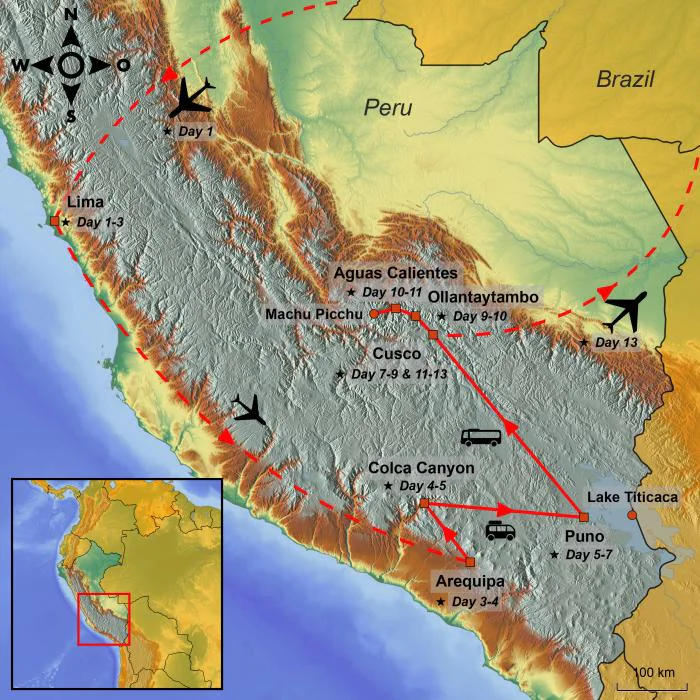
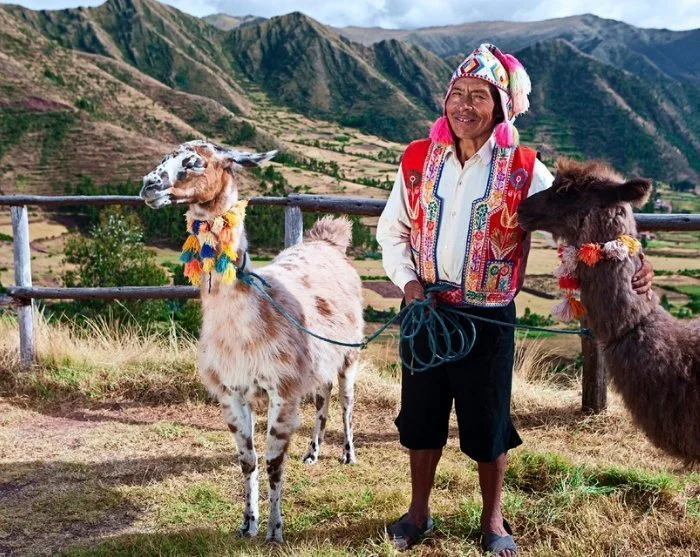
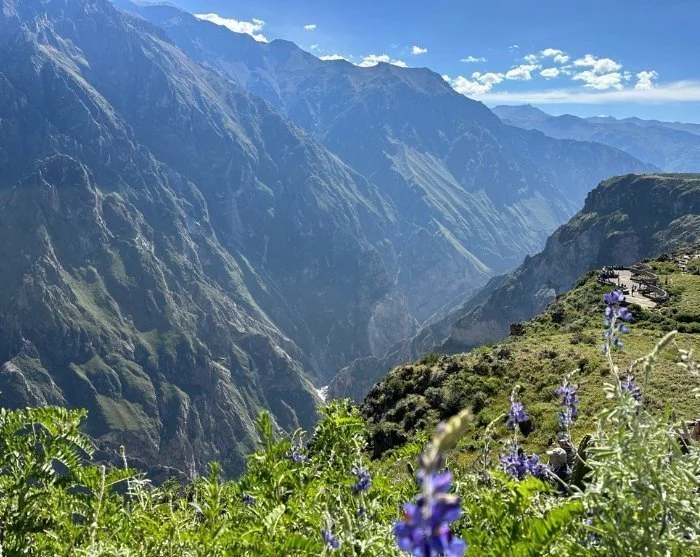
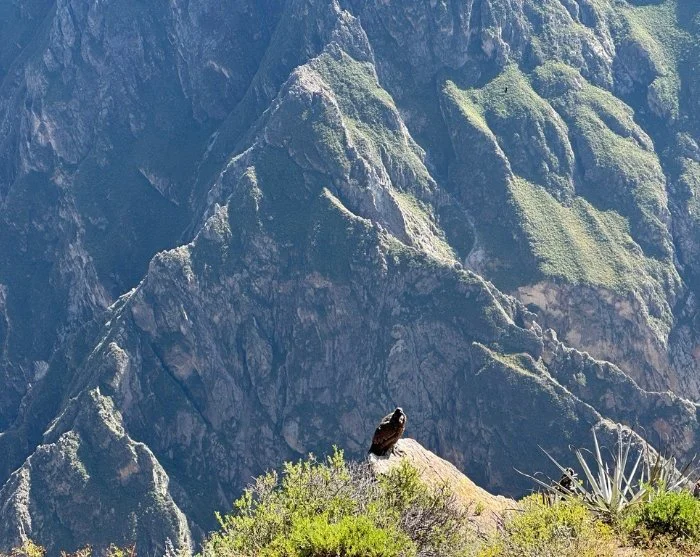
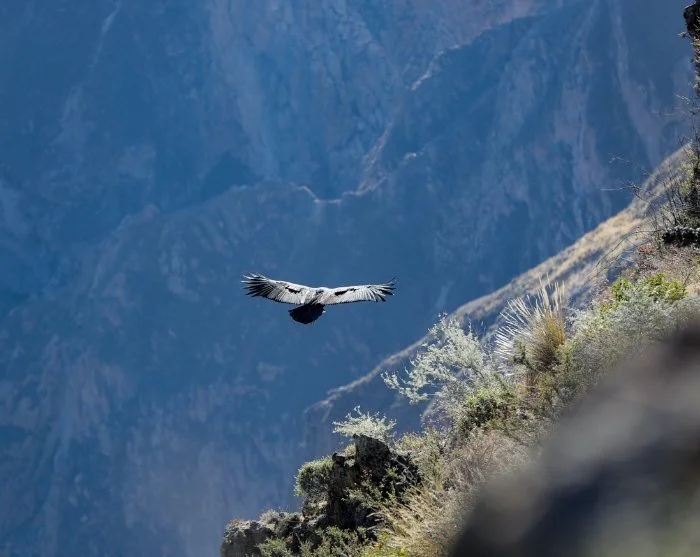
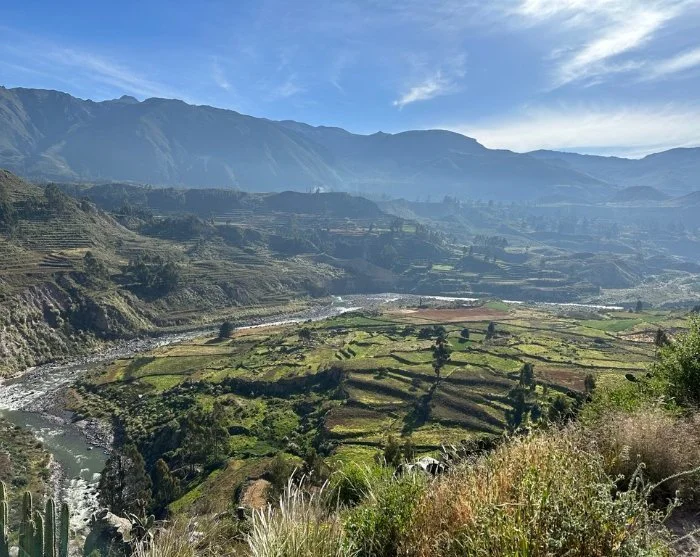
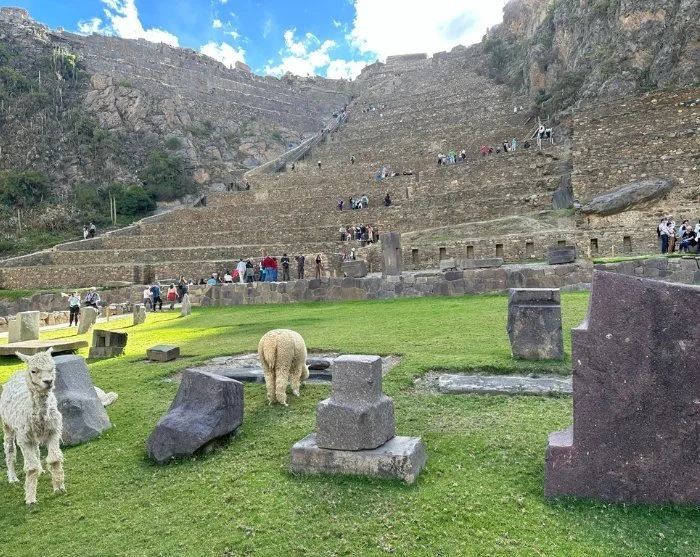
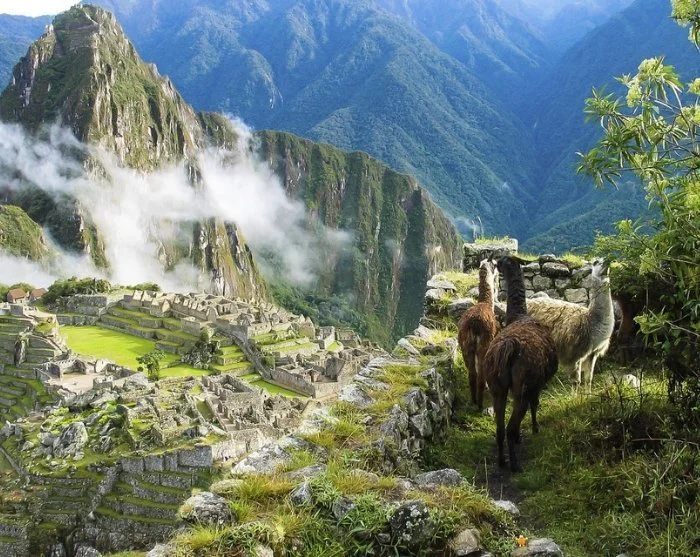
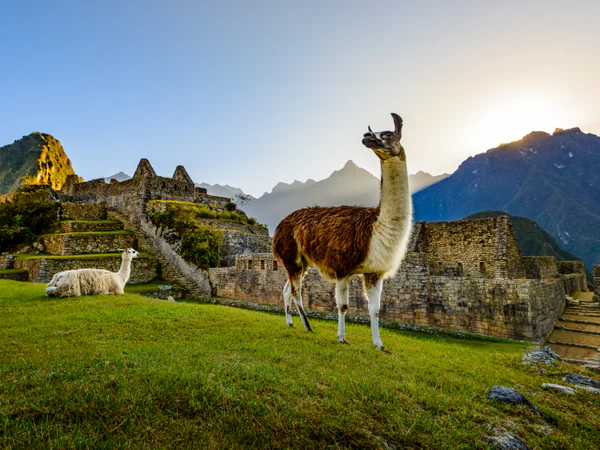
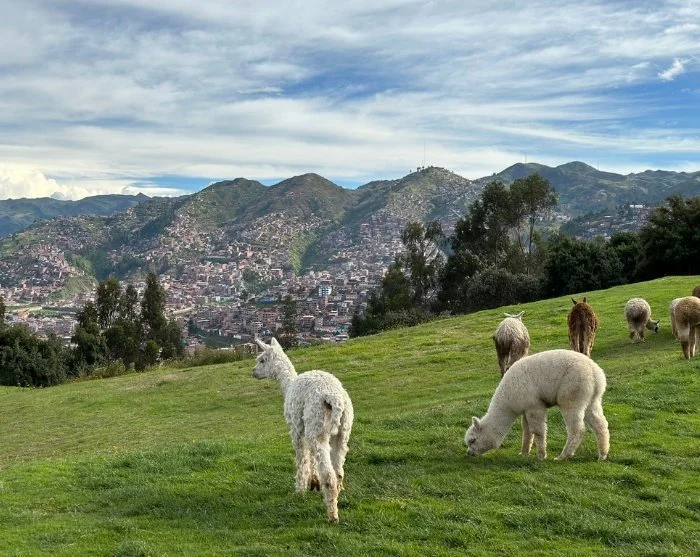
Peru is something of a paradise on Earth for lovers of culture and nature. On this voyage of discovery, you will visit the colonial gems of Lima and Arequipa, as well as the breath-taking Colca Canyon, with its old agricultural terraces and majestic condors. At Lake Titicaca, you will have the opportunity to spend time with the local population, learning a little bit about their way of life and culture. The tour also takes you to Cusco, the ancient capital of the Inca Empire, and the Sacred Valley, calling in at the museum town of Ollantaytambo, where the local residents still live according to their old traditions and laws. It is also here that you will have the chance to see alpacas and lamas up close. Peru is famous for its intriguing markets, and the tour includes a stop at the market town of Pisac. Before your trip draws to a close, you will visit the small town of Aguas Calientes, which is close to the absolute highlight of your trip: the ancient city of Machu Picchu, with its spectacular Inca ruins. From Machu Picchu and the surrounding area, you can admire the captivating sight of the tall mountains and the cloud forest before it is time to return to the capital city of Lima to catch your flight back to Europe.
Today is departure day, where you will fly to Peru, with connecting flights along the way. You will land at Lima Airport, where you will be met by a representative of our partner in Peru, who will accompany you to your hotel. The journey from the airport to the hotel takes around 1 hour and on the route your guide will answer any questions you may have regarding your trip. The rest of the day is yours to do with as you wish.
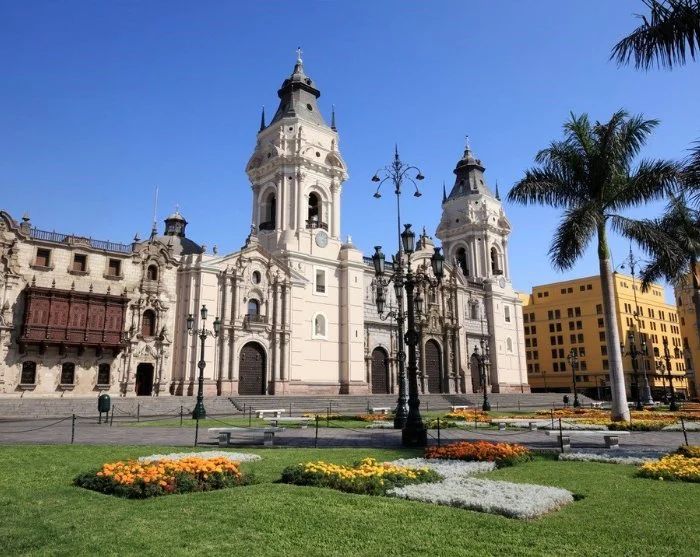
The day starts with a half-day tour of the Peruvian capital city, which was founded in 1535 by Francisco Pizarro. The itinerary will take you to the magnificent, bustling central square called Plaza Mayor, which is decorated with rose gardens, tall palm trees and a famous fountain capped with a representation of the city’s guardian angel. The square is lined with beautiful buildings in colonial style, including the Presidential Palace, the Archbishop’s Palace and the city’s impressive cathedral which dates back to 1555 and contains the earthly remains of Pizarro himself. You will then have the chance to visit the San Francisco Monastery and its church from 1674 – which happens to be the most attractive Baroque church in the city. The monastery is decorated with delightful mosaic tiles from Seville and fresco paintings that were rediscovered when an earthquake destroyed parts of the outer wall. Particularly worthy of note are the monastery’s museum of religious art, the library of more than 25,000 books, and the catacombs beneath the church.
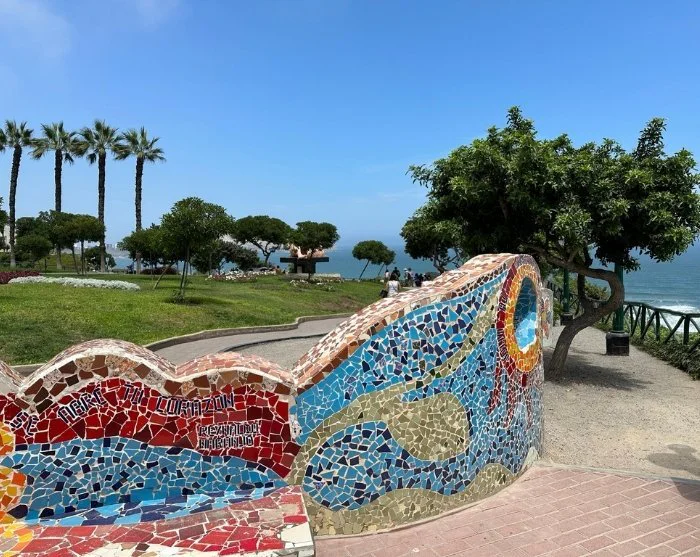
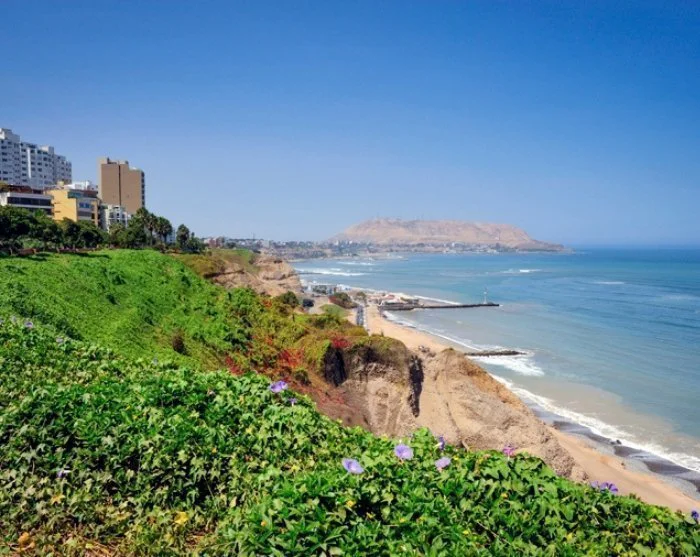
Next stop on the itinerary is the San Isidro district, with its attractive parks, and the modern Miraflores quarter, with its fine beaches, gardens and squares, as well as charming cafés and restaurants.
The guided tour rounds off with a visit to the Larco Museum, one of Lima’s best-known museums. Dedicated to pre-Columbian art, it houses an extensive collection of intriguing objects from various pre-Columbian cultures, including Moche, Nazca, Chimú and Inca.
The late afternoon and evening are yours to do with as you wish.
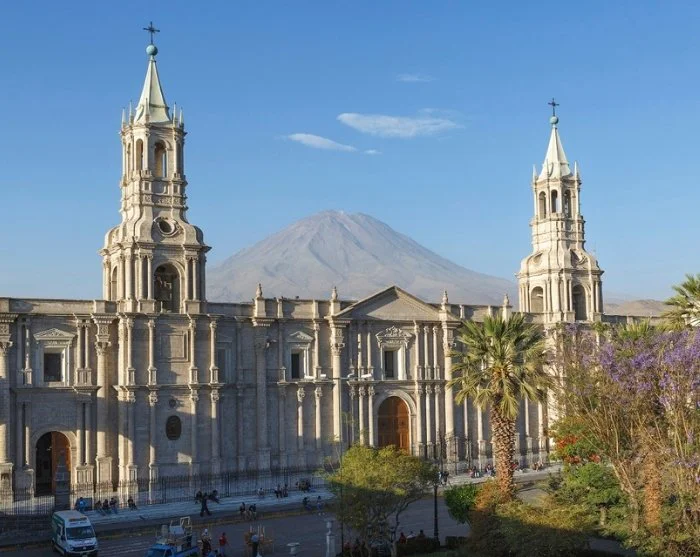
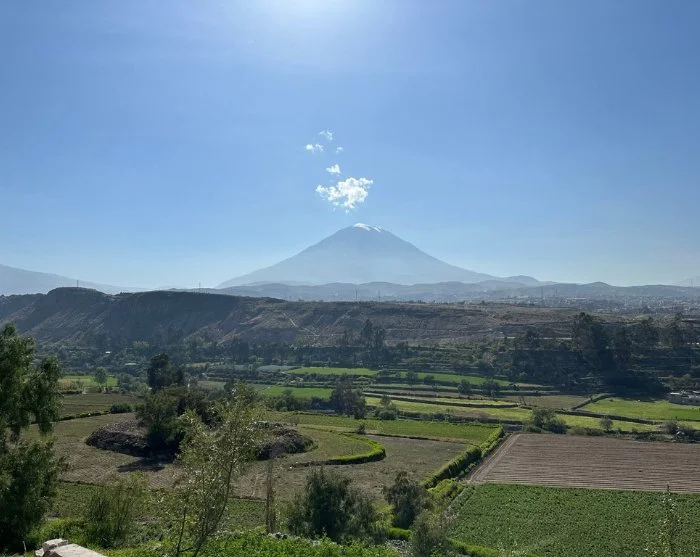
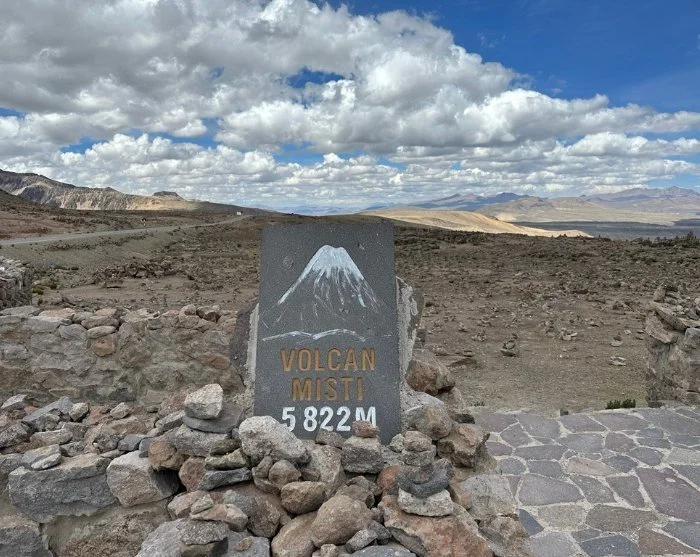
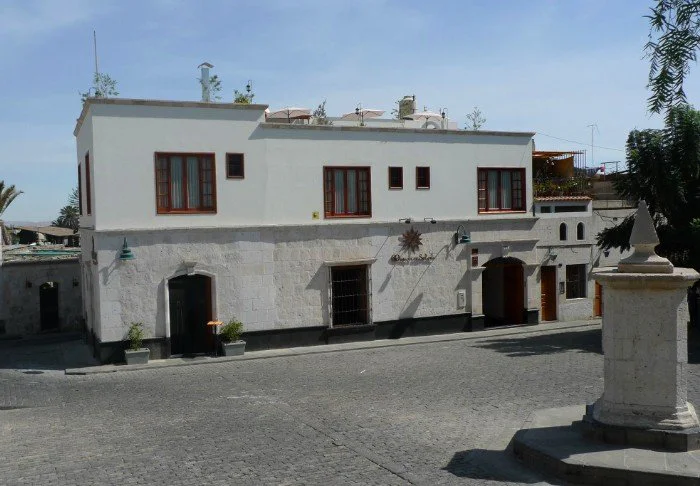
This morning, you’ll be picked up from the hotel and driven to Lima Airport, from which you’ll fly to the elegant, colonial city of Arequipa. The city is located in the Andes Mountains at an altitude of almost 2,400 metres with the volcanoes Misti (5,822 m), Chachani (6,057 m) and Pichu-Pichu (5,669 m) as a beautiful backdrop.
On your arrival in Arequipa, you’ll be picked up from the airport and driven to your hotel, a short drive of around 30 minutes.
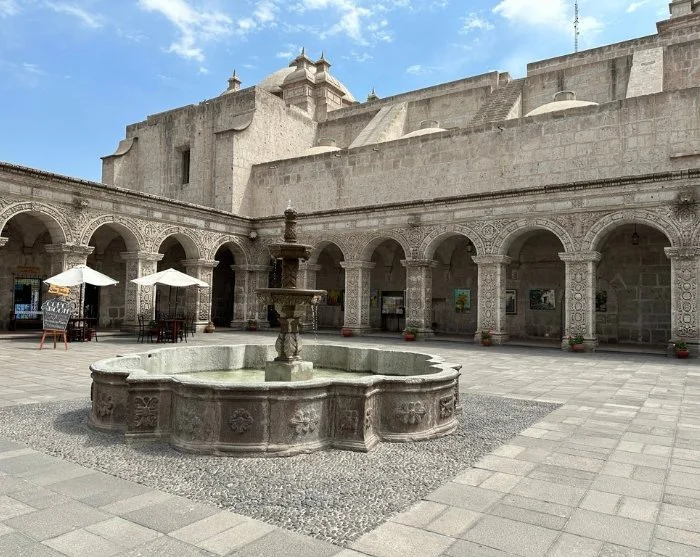
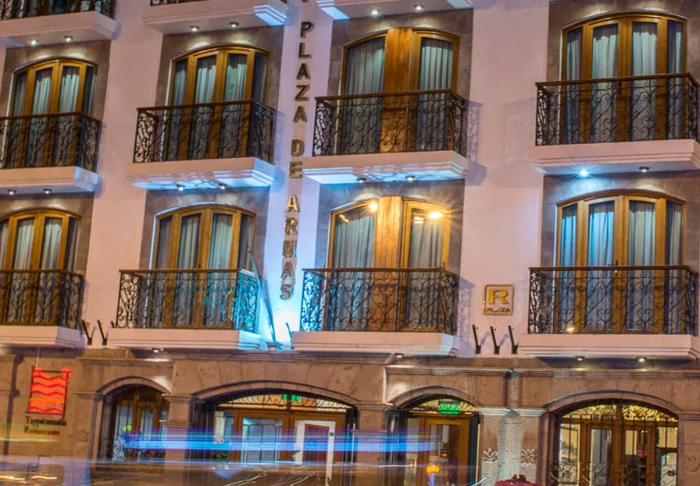
In the afternoon, you’ll go on a guided tour of the city and discover the many stately mansions and colonial buildings from the 18th century with their carved doors, French windows and cosy courtyards. The city is almost exclusively built of white volcanic rock, hence its nickname “The White City”. You will also visit the central square, Plaza de Armas, with its palm trees, old gas lanterns, fountains and, of course, the city’s huge cathedral.
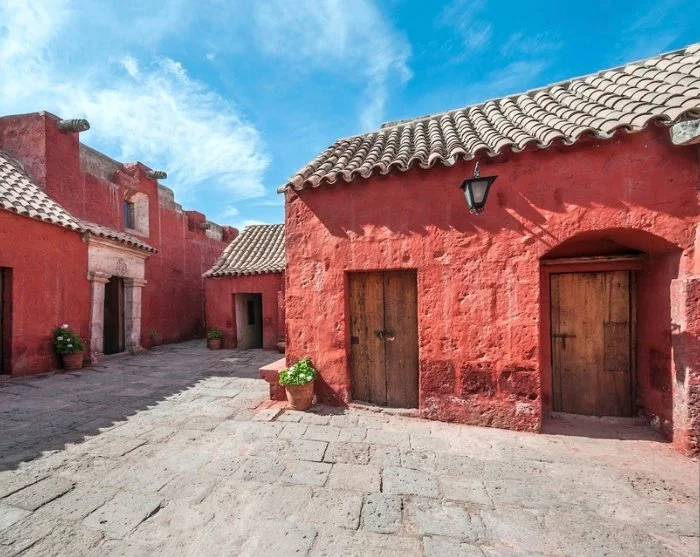
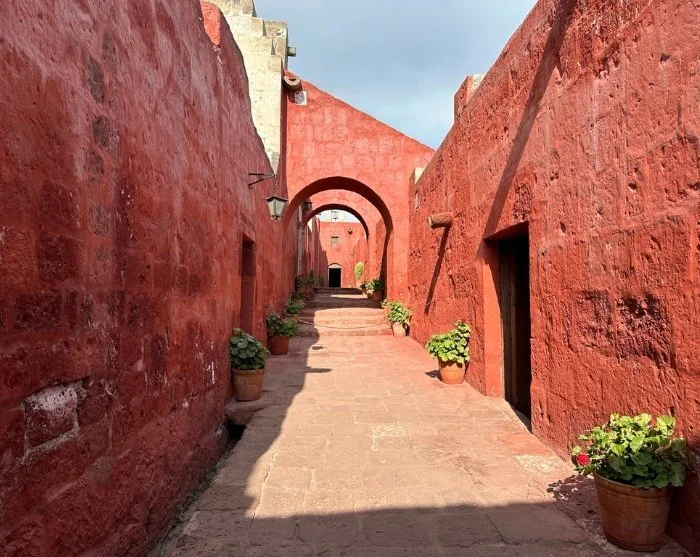
You’ll visit Arequipa’s biggest attraction, the Santa Catalina Monastery, which once housed more than 400 nuns. Santa Catalina was founded in 1580 by a rich widow named Maria de Guzmán. It was primarily aimed at the upper classes, for whom, during colonial times, it was customary for the family’s second child to serve the church. The girls were brought to the monastery at the age of three and never ventured outside the walls again.
The monastery has been hit several times by earthquakes but has been rebuilt in its original style, and the historic buildings still stand to this day. Although the monastery is open to the public today, there is still a small religious unit living at one end of the complex. Today, however, the nuns are free to receive visits and leave the Monastery of Santa Catalina whenever they want.
The last stop on the tour is Yanahuara Plaza, where you have every opportunity to take some beautiful pictures of the city’s breathtaking volcanic surroundings.
You have the evening to yourself in Arequipa.
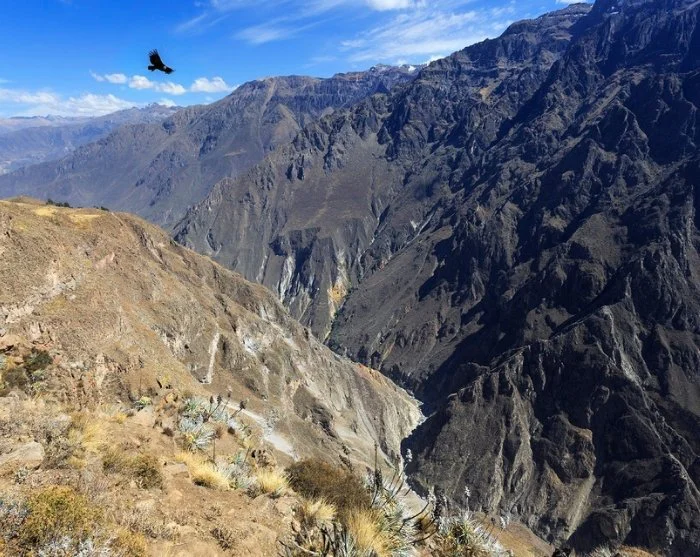
Early morning, you head for the fascinating Colca Colca Canyon. Around 3,400 metres deep, the canyon is one of the deepest in the world. By comparison, it is around twice as deep as the Grand Canyon in the US.
You really get to experience the mighty Andes Mountains on this tour, and in several places, you’ll be driving at an altitude of over 4,000 metres.
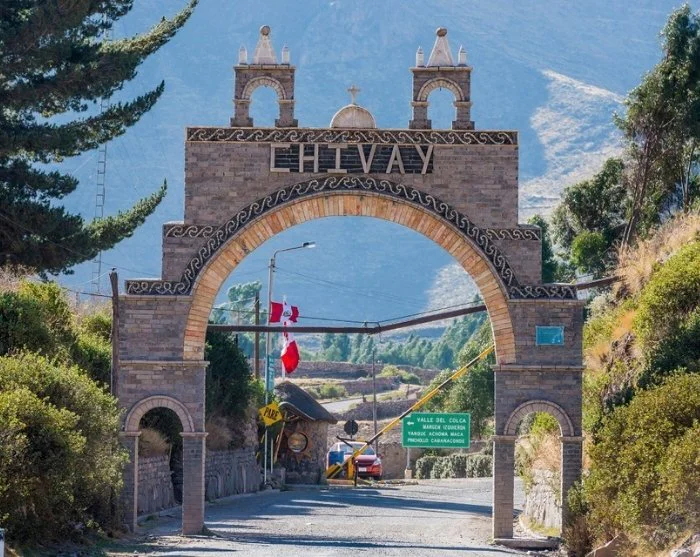
You’ll cross the spectacular Altiplano plateau, which is characterised by its dry, barren landscape with vast open expanses where you can spot grazing llamas and alpacas. The highest pass and vantage point on the route is called Mirador de los volcanes, and on a clear day, you have a fantastic view from here of the surrounding volcanoes. The vantage point is located at an altitude of around 4,900 metres, and you’ll notice immediately that the thin air at this altitude affects your breathing. So, it will just be a brief stop to take photos before continuing down towards the town of Chivay, which serves as the entrance to Colca Canyon.
In the afternoon, it’s time for a spot of pampering with a visit to Chivay’s thermal baths, which are naturally heated by the volcanic activity in the area. Chivay is surrounded by the volcanoes Sabancaya (5,976 metres) and Ampato (6,288 metres).
Distance: Approx. 167 km
Transport time: around 4 hours
You’ll be getting up early today, too, and heading to Mirador Cruz del Condor, a magnificent vantage point overlooking one of the deepest sections of Colca Canyon. Standing here, looking down and out over the vast canyon, is an amazing experience. If you’re lucky, you might see condors gliding silently above your head. The condor is the world’s largest bird of prey, with a wingspan of up to 3 metres. It hovers on the warm air currents that rise from the canyon.
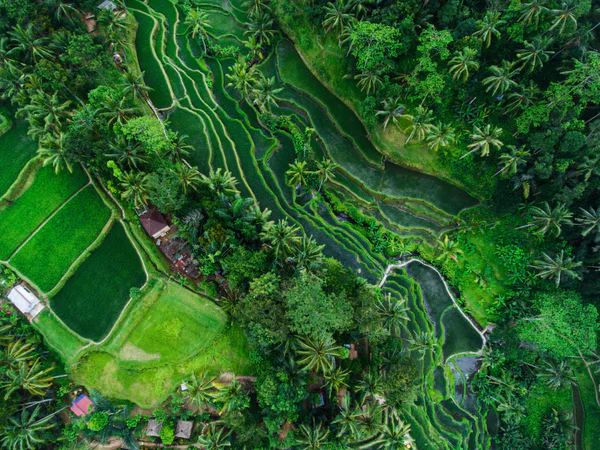
After this breathtaking nature experience, you’ll go for a short walk in the valley, where you’ll discover the ancient agricultural terraces that have been in use for centuries. There will also be ample opportunity to buy a colourful souvenir to take home with you. You then drive back to Chivay for lunch before boarding the bus to Puno.
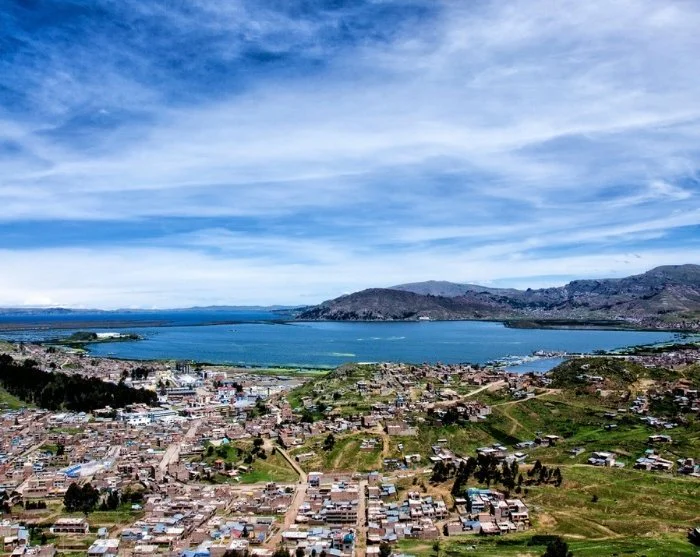
Puno is located on Lake Titicaca, which is the largest lake in South America and the highest navigable lake in the world. The city was of great historical significance to the Incas. It was here that the first Inca, Manco Capac, rose from the waters of Lake Titicaca to start the Inca Empire, becoming the first king of Cusco. Today, Puno is an agricultural city specialising in the breeding of llamas and alpacas, so wool products can be bought here at a good price.
Distance: Chivay – Cruz del Condor return + Chivay – Puno: Approx. 385 km
Transport time: around 9 hours
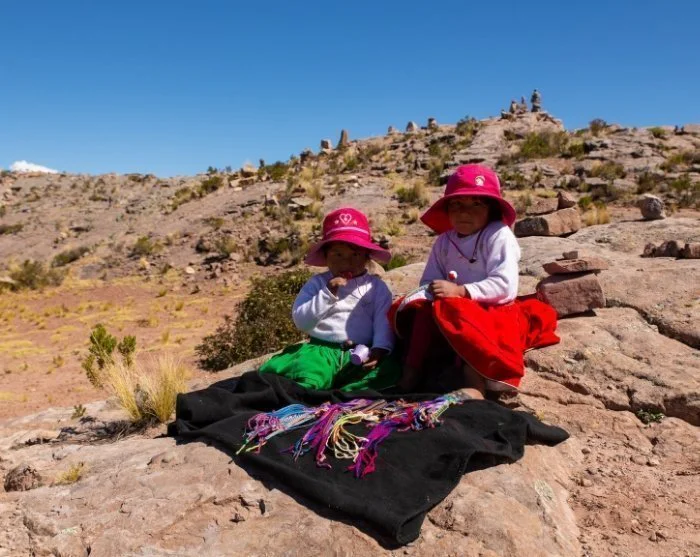
Today, you’ll enjoy a full-day excursion on Lake Titicaca, which is shared between Peru and Bolivia. Here, an exciting encounter with two contrasting highland communities awaits, where age-old traditions are still very much alive.
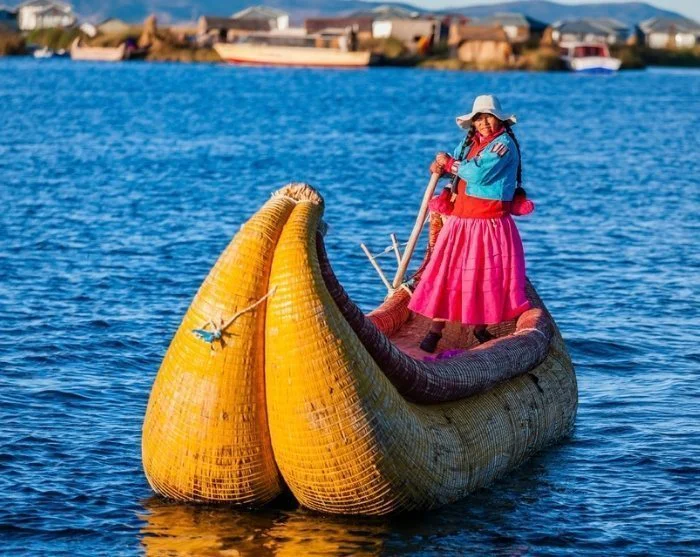
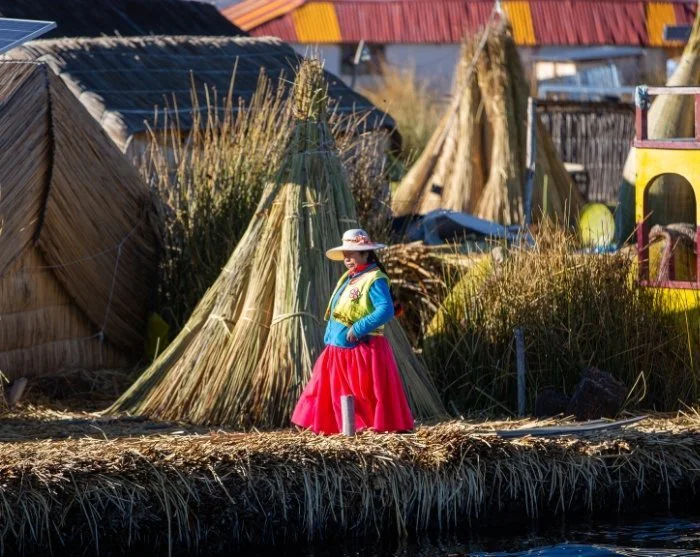
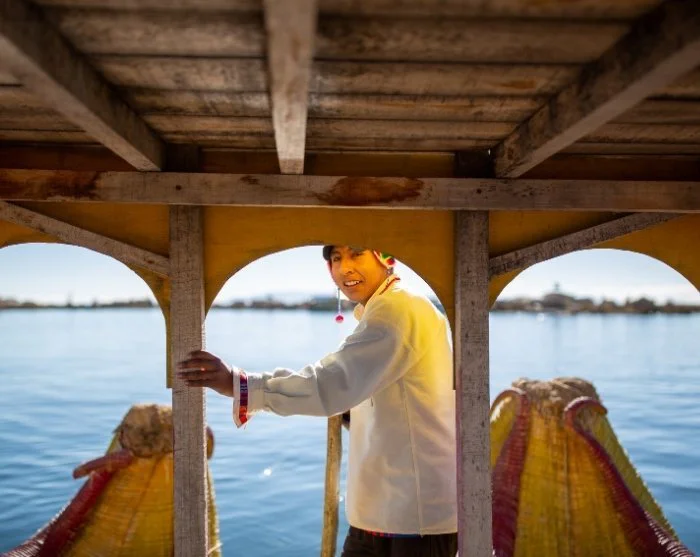
You start by sailing out of the harbour to the floating reed islands, Islas Uros, which are still inhabited by the Uros people. The Uros use the lake’s free building materials – the strong totora reeds – to build islands, houses and boats. Despite the islands having become a little commercial, it’s still fascinating to learn about the culture and ancient traditions of the Uros people and not least to see their impressive craftsmanship.
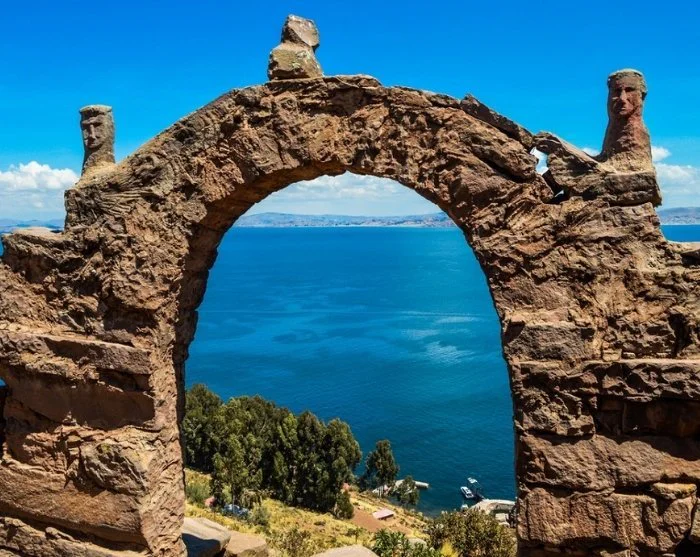
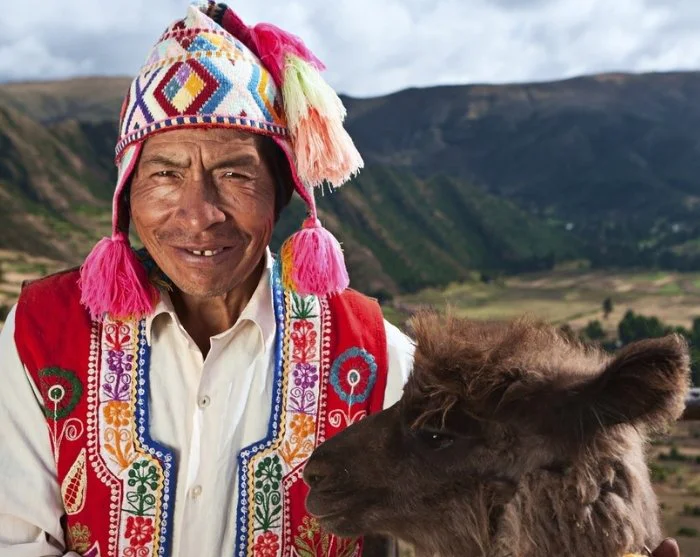
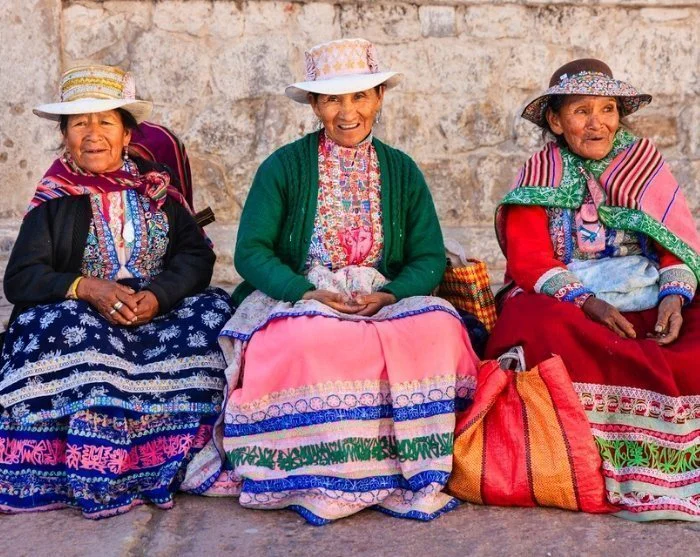
You then sail on to the peaceful island of Taquile, which is known especially for its colourful crafts and its “knitting men”. Here on the island, it’s the men who knit – and they’re good at it! The pattern on a man’s hat, called a chullo, not only shows his creativity, but his civilian status, too. It’s the women’s job to spin the yarn and weave. The women weave the beautiful belts for the men’s costumes.
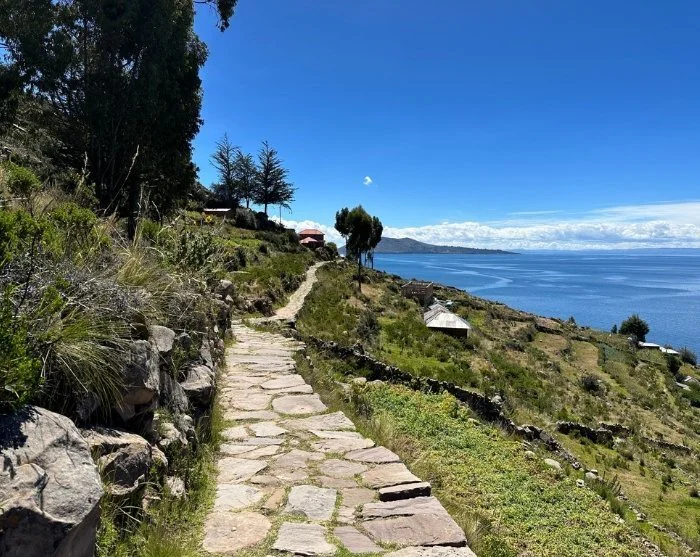
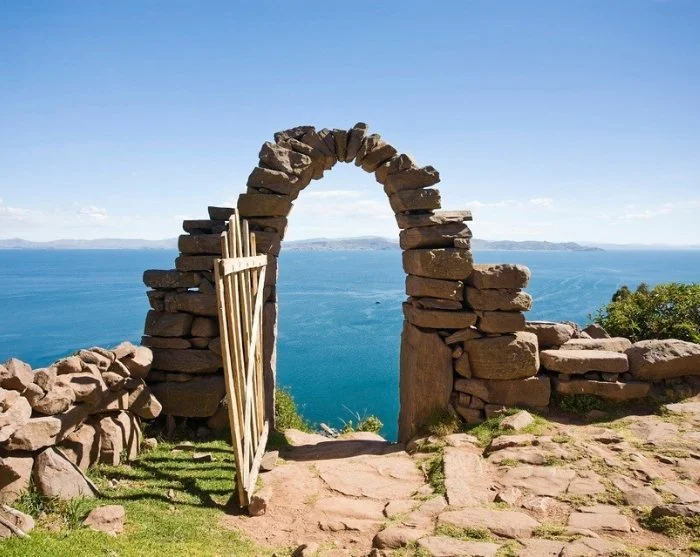
You’ll enjoy lunch on the beautiful hilly island, and afterwards your guide will take you on a walk up to the highest point of the island, from which there are breathtaking views of Lake Titicaca, with the high mountains in the background.
Mid-afternoon, you’ll be sailed back to Puno and the rest of the day is yours to do as you please.
Today, you have a long but adventure-filled journey ahead of you. You’ll be picked up from your hotel and driven to the bus station, where a bus will be waiting to take you to Cusco, the formal capital of the Inca Empire and now an elegant, thriving multi-cultural city.
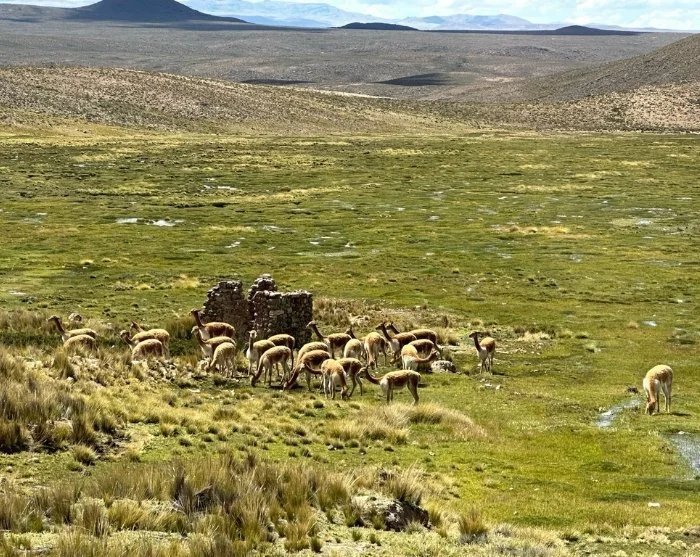
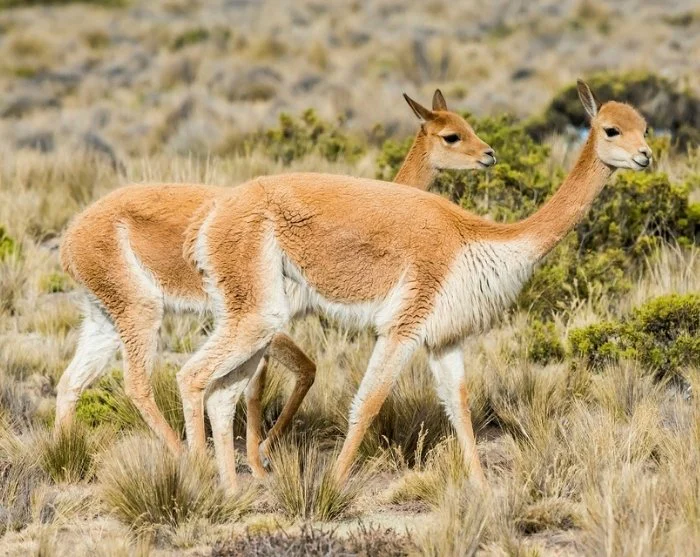
You’ll cross the Altiplano, where you’re in with a chance of seeing vicuñas, which are related to the camel, but resemble the llama and the alpaca. Several stops will be made on the way, and you’ll be given a guided tour of old ruins and monuments such as those found at the Pukara Museum. Pukara, the first regional town closest to Lake Titicaca, dates back to 500BC. The museum is part of an archaeological area where impressive stone sculptures, ceramic pieces and other archaeological excavations have been found, providing an exciting insight into the history of Andean civilisation.
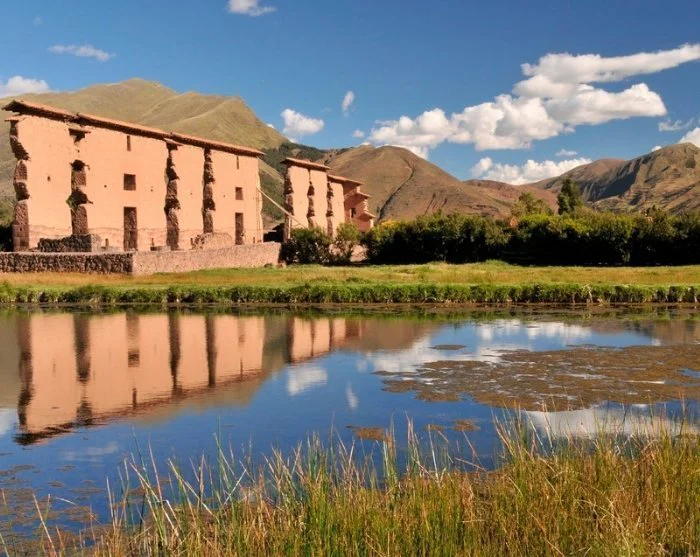
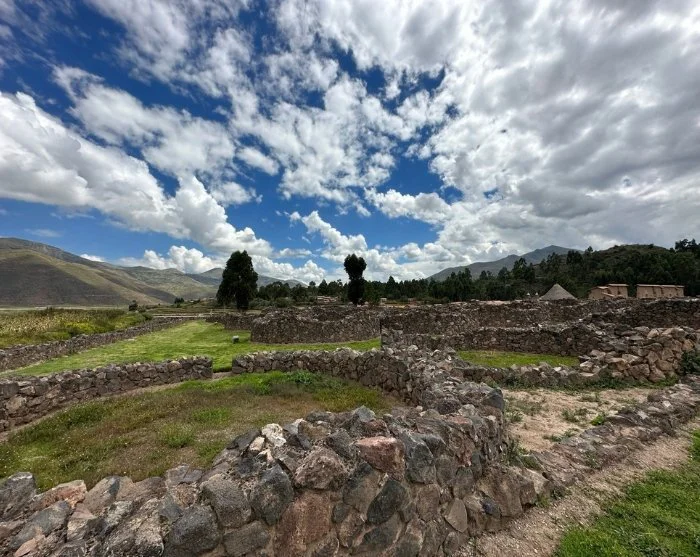
You will then pass La Raya, which is the highest point on the route at 4,319 metres. From here, you’ll head down through a scenic valley brimming with crops such potatoes and maize. You’ll then come to Raqchi, where you’ll see the ruins of the temple Viracocha, one of the Inca’s most sacred sites. The last stop before Cusco is the famous colonial church, Andahuaylillas, better known as under the “Sistine Chapel of the Americas” due to its beautiful ceiling paintings and other lovely art.
On your arrival in Cusco, you’ll check in at your hotel, and in the evening, you can explore the city and its good restaurants.
Distance: Approx. 390 km
Transport time: Approx. 10 hours including stops
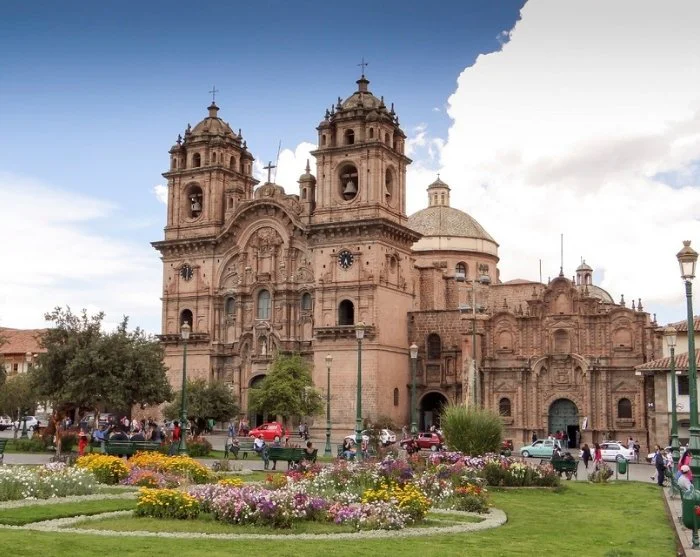
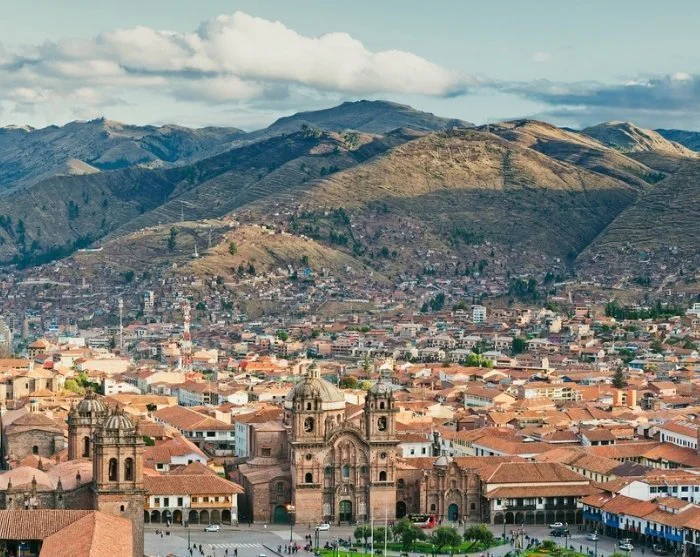
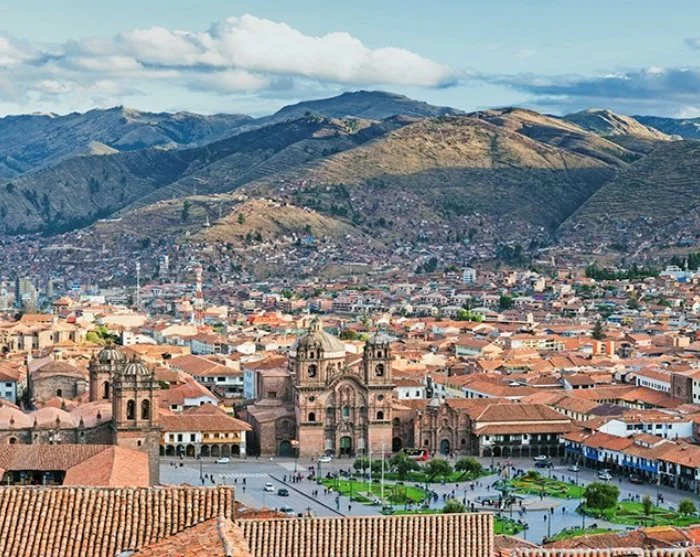
There is nothing scheduled for today until the afternoon, when a guided tour of Cusco and its surroundings has been arranged. You start at the city’s central square – the Plaza de Armas, which was known as Hucaypata or ‘The Warriors’ Square’ during the age of the Incas. It was here that many of the most important events in the history of Cusco took place.
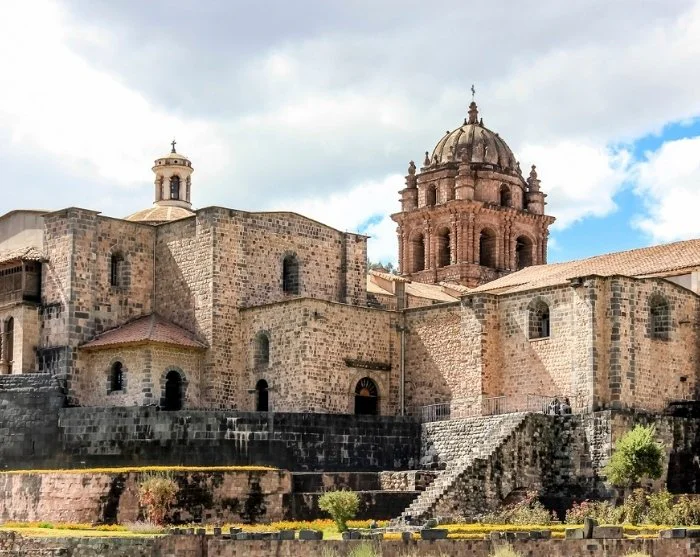
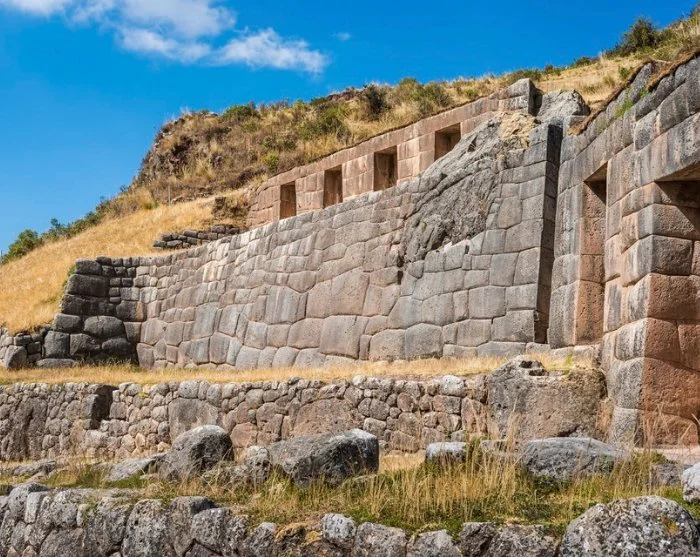
This is also where you will find Cusco Cathedral, built of stone from the Sacsayhuamán Inca complex on top of the Inca Viracocha Palace during the colonial era. The cathedral is therefore a wonderful mix of Spanish Renaissance architecture and the Incas’ masterful stone masonry. The street next to the cathedral leads to Santo Domingo Church, which is built on top of what was once one of the most important temples of the Inca empire, Koricancha. The magnificent earlier sun temple forms the foundation of the church and is built without the aid of mortar, with each stone fitting perfectly instead.
Next on the itinerary is Kenko, another sacred Inca site marked with a 5-metre-high stone block which is said to resemble a puma. This site is dedicated to the worship of Mother Earth, and features water channels carved in solid rock and a subterranean room. Farther along the road stands a small fortress called Puka Pukara, which is believed to have been used to guard the road and the Sacred Valley of the Incas. Here you will see terraces carved into the side of the mountain, as well as steps, tunnels and towers. Continuing north, you will come to Tambomachay, a sacred bathing site for the Inca conquerors and women of the royal household The system is a masterpiece of construction, and is still able to deliver water to this day.
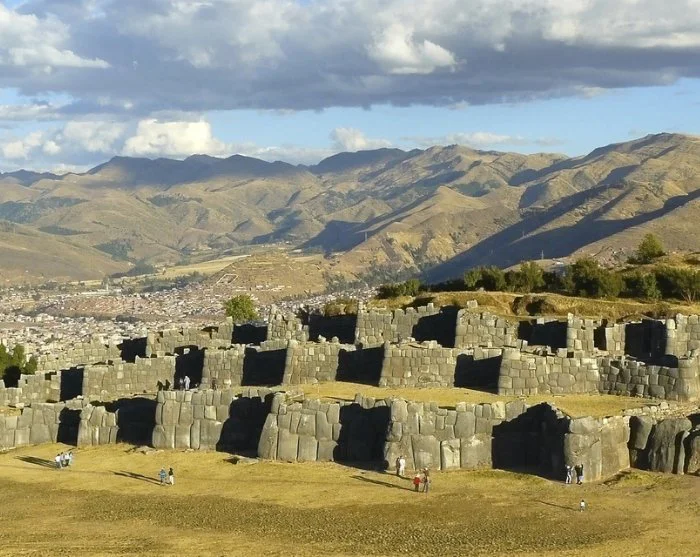
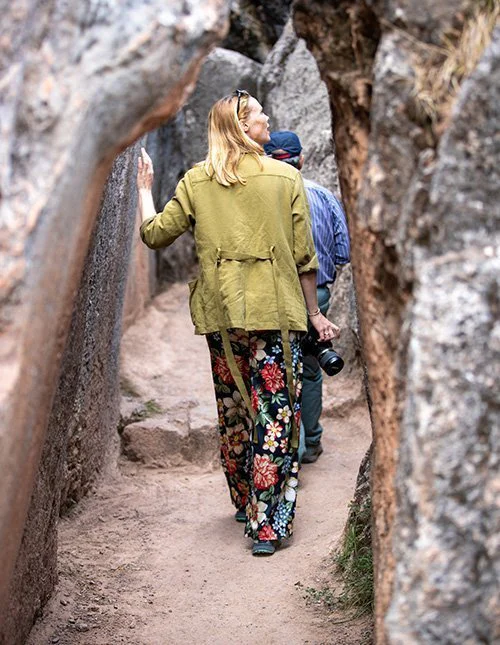
The last stop on the tour is the military complex of Sacsayhuaman, which enjoys a magnificent location with a wonderful view out over Cusco. Sacsayhuaman is a fascinating example of the architectural skill of the Incas. It is an impressive construction, with double walls of carved granite, where the heaviest block weighs more than 125 tonnes. After the tour, you will return to Cusco where the evening is yours to do with as you wish.
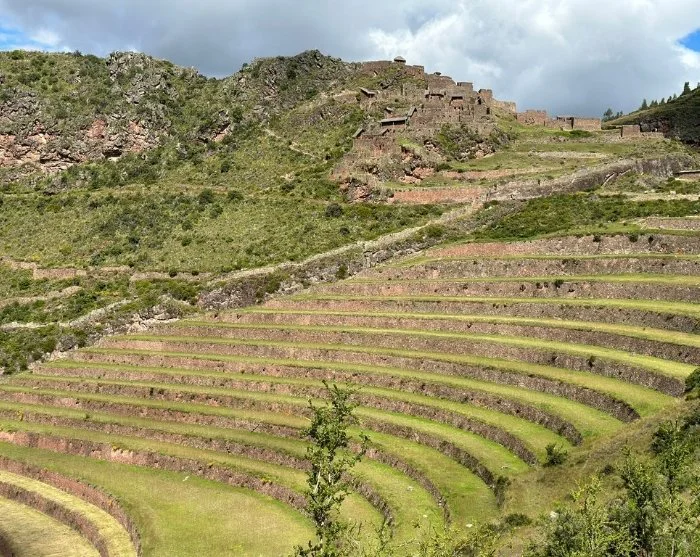
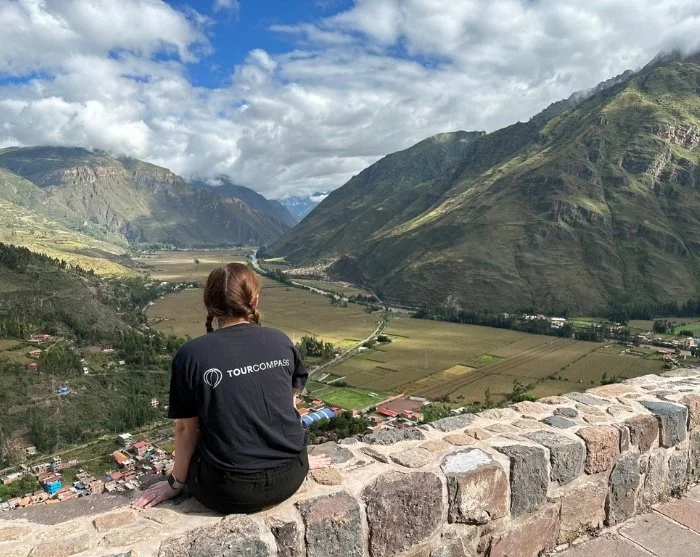
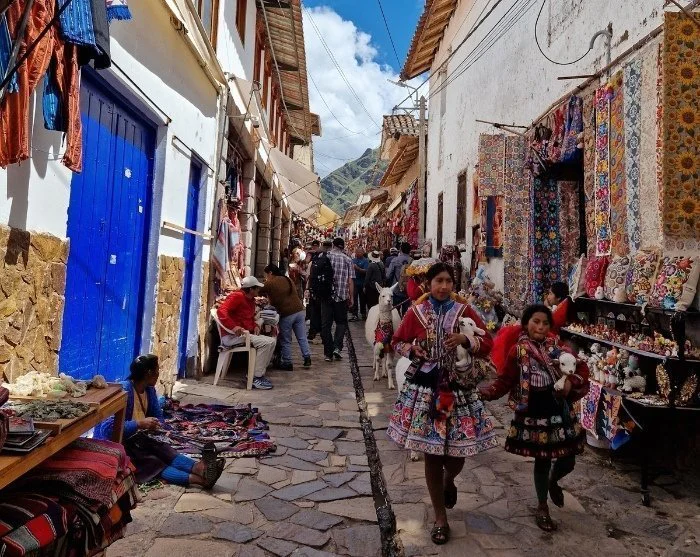
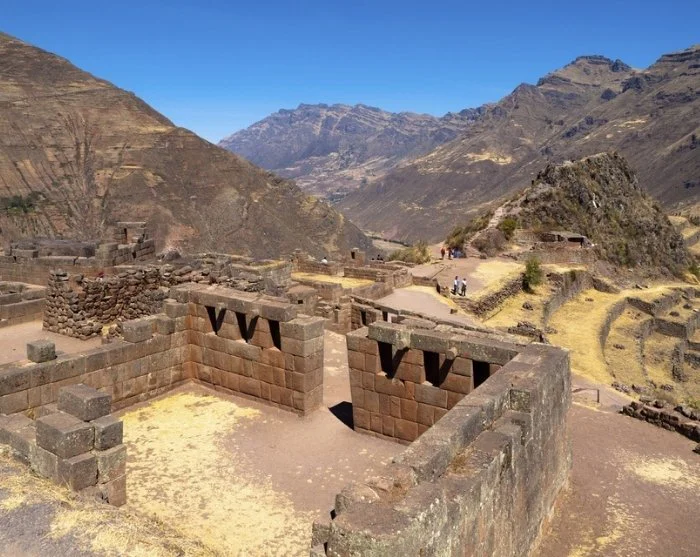
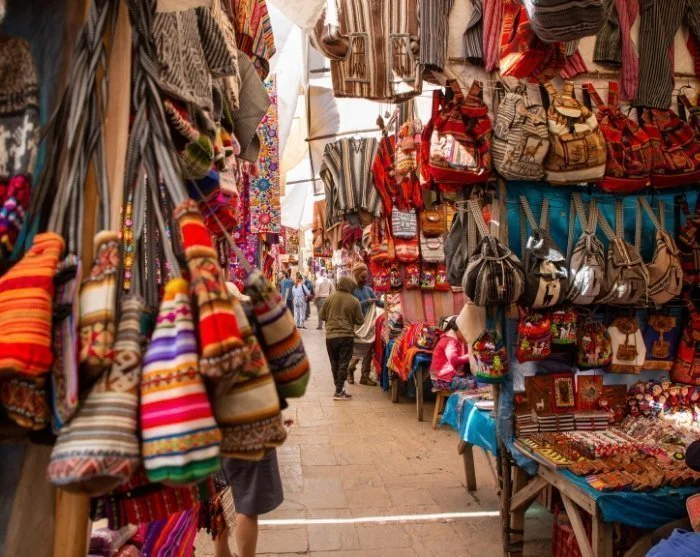
Today, you’ll continue to the Urubamba Valley, also known as the Inca’s sacred valley. Pack a small rucksack with enough clothes for three days. When travelling by train to and from Aguas Calientes to visit Machu Picchu, you may only take 8 kg of luggage with you. The rest of your luggage can be stored safely at your hotel in Cusco until you return. Today’s tour will take you to the town of Pisac, which is particularly renowned for its colourful markets and the impressive ruins above the town. At the markets, you can buy everything from Peruvian woollen jumpers and musical instruments to paintings and woven textiles. The ruins above the town were built using smaller stones than those used at Sacsayhuaman, but with the same precision in cutting and fitting them together. It is an utterly incredible structure, with equally incredible views.
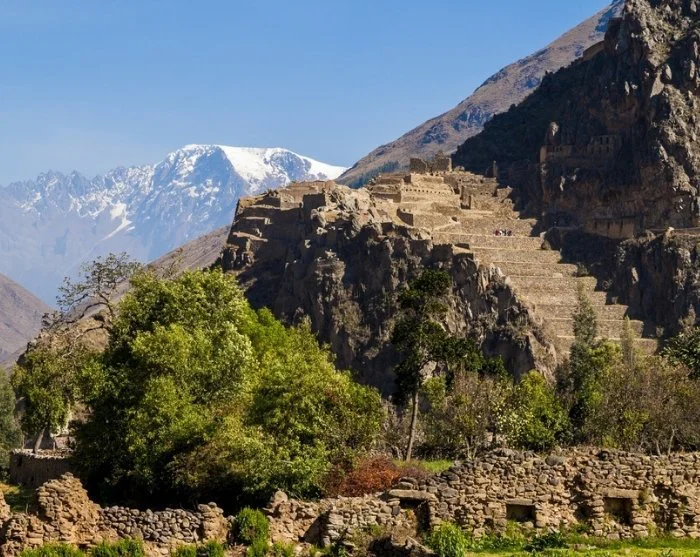
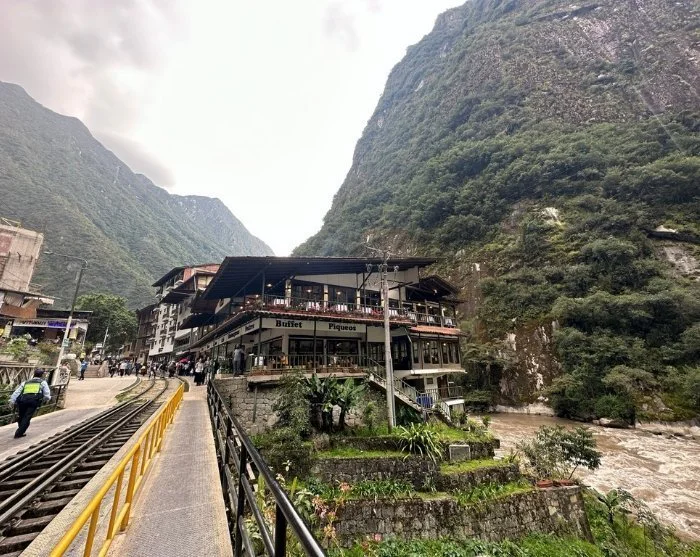
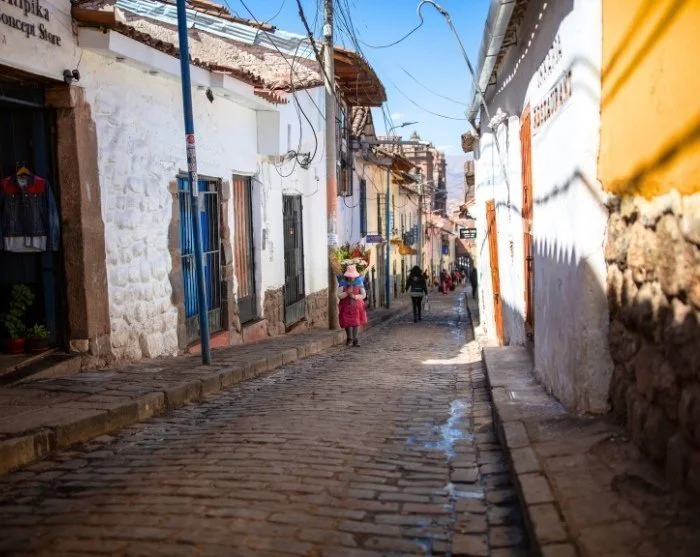
Today’s lunch stop will be at a buffet restaurant. As there are no other lunch options nearby, we recommend buying some snacks or a light meal at the earlier stop if you do not wish to pay extra for the buffet lunch. Afterwards, you’ll continue to the charming town of Ollantaytambo, which functions as an open-air museum, as its residents continue to uphold the ancient traditions and laws passed down by their ancestors. Ollantaytambo is one of the only towns in Peru to have preserved its original Inca walls and old street layout of narrow, cobbled lanes. The town is best known for its impressive Inca complex, consisting of steep terraces, temples, and military installations. It was here that, in 1536, the Incas managed to defeat the Spanish, albeit only temporarily.
After the guided tour of the town, you’ll say goodbye to your guide and group, who will drive back to Cusco. You’ll stay behind to spend the night in the village and experience its cosy, authentic atmosphere once the day-trippers have left. The town’s cobbled streets and ancient Inca walls take on a special golden glow in the evening sun, and you could spend the rest of the afternoon strolling through the small historic centre. Stop at one of the many little restaurants or cafés and enjoy a cup of tea or coffee, or a local meal, as the sun sets behind the mountains. On a clear evening, you may even be lucky enough to enjoy the sight of an enchanting star-filled sky.
Distance: approx. 100 km
Travel time: approx. 8–9 hours, including stops
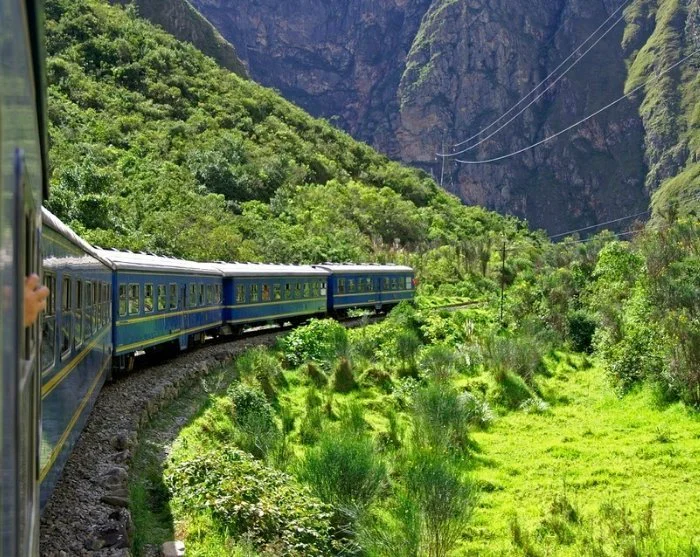
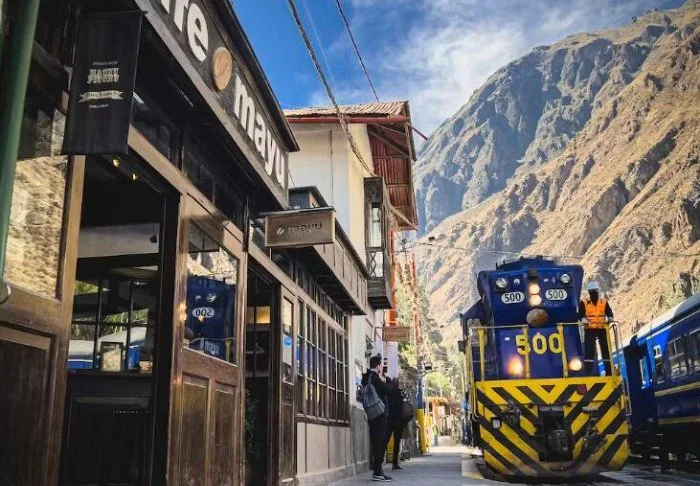
Today, you’ll take the train to the small town of Aguas Calientes, which lies at the foot of the Inca citadel of Machu Picchu. Sit back and enjoy the scenery as the train winds its way through the valley alongside the Urubamba River, with mountains on either side. The beautiful train journey takes approx. 1.5–2 hours.
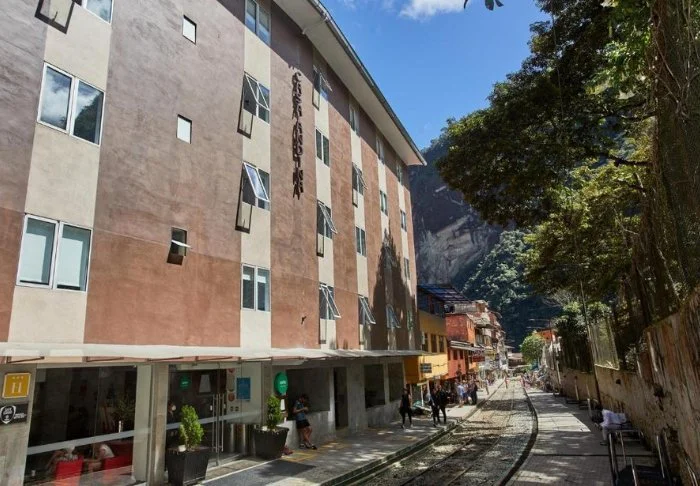
When you arrive at the train station in Aguas Calientes, you’ll be met and taken to your hotel. You’ll have the rest of the day to explore the town at your own pace. For example, you could treat yourself to a visit to the town’s hot springs and relax in the naturally heated pools. Remember to bring your swimming costume and a towel.
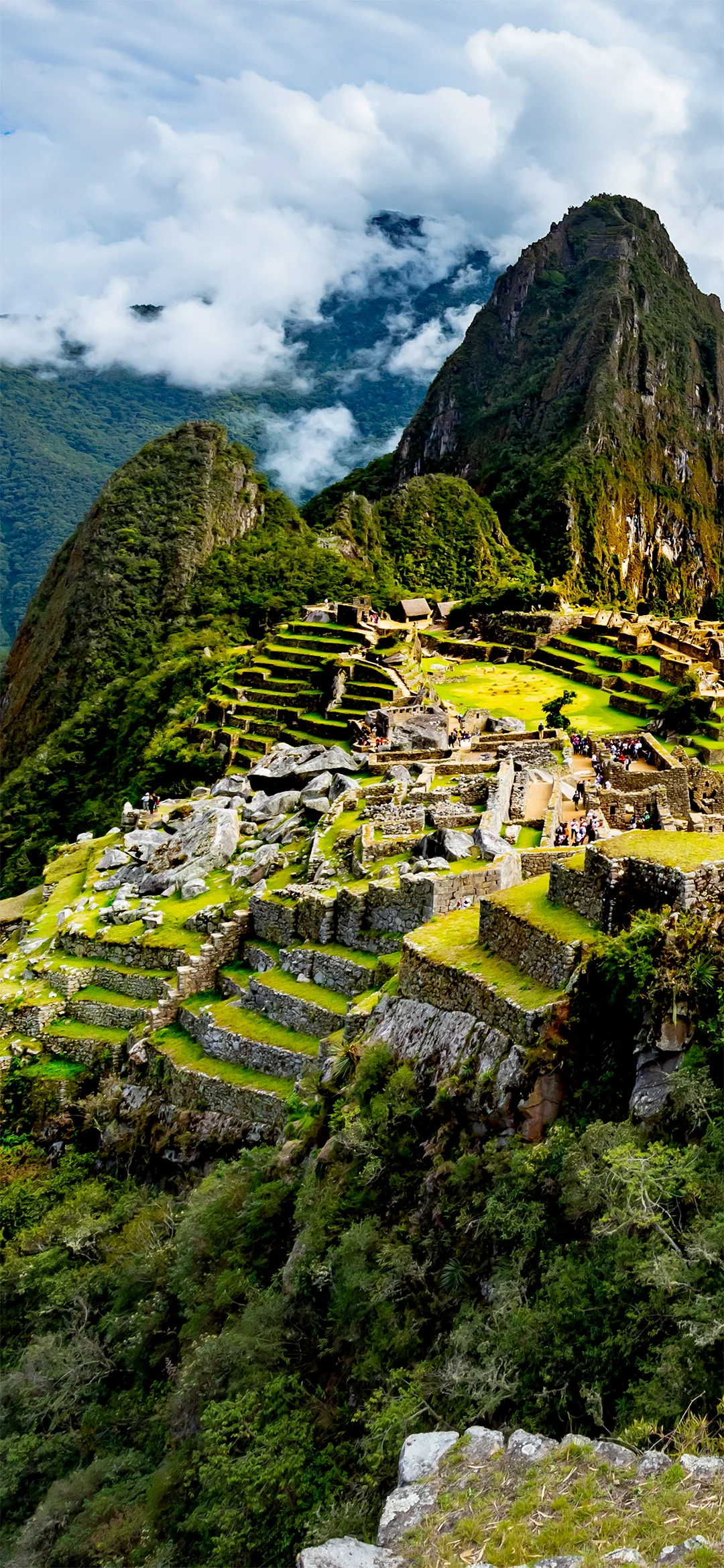
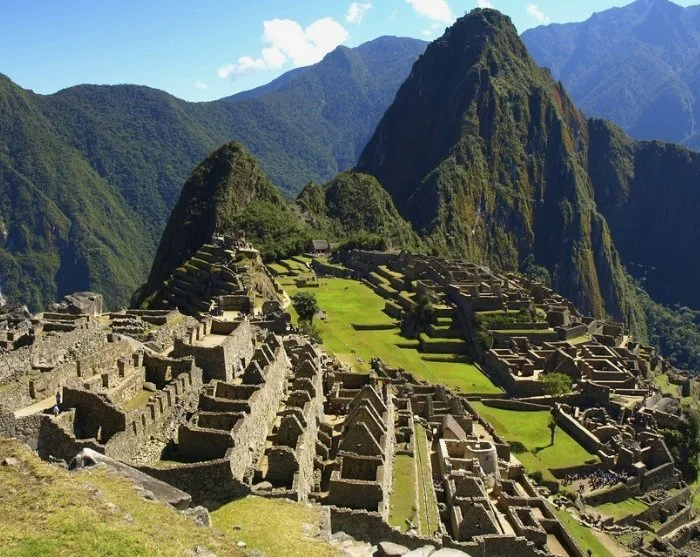
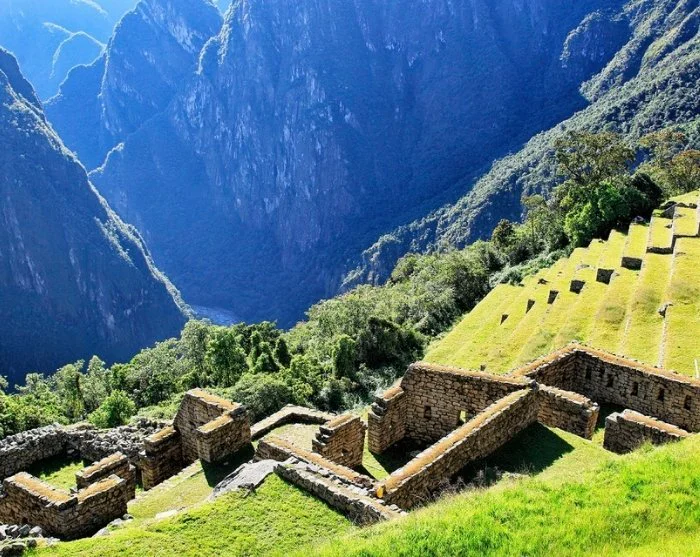
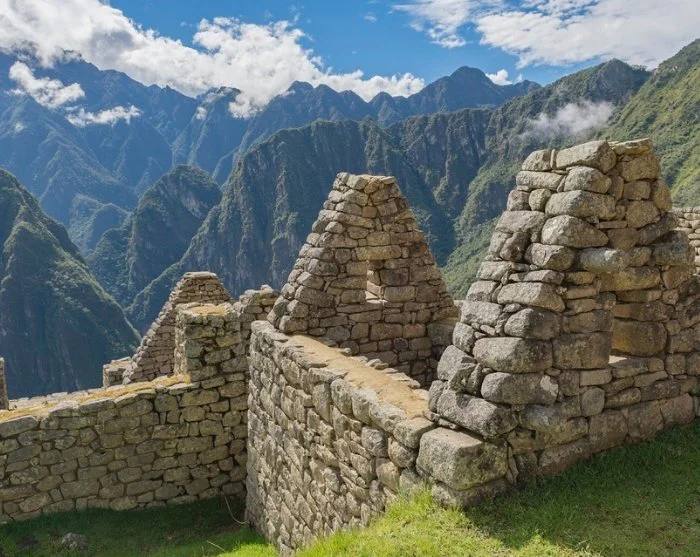
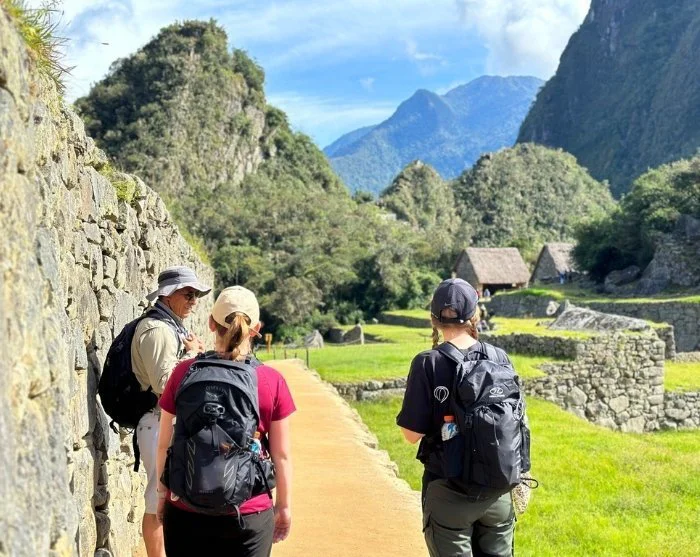
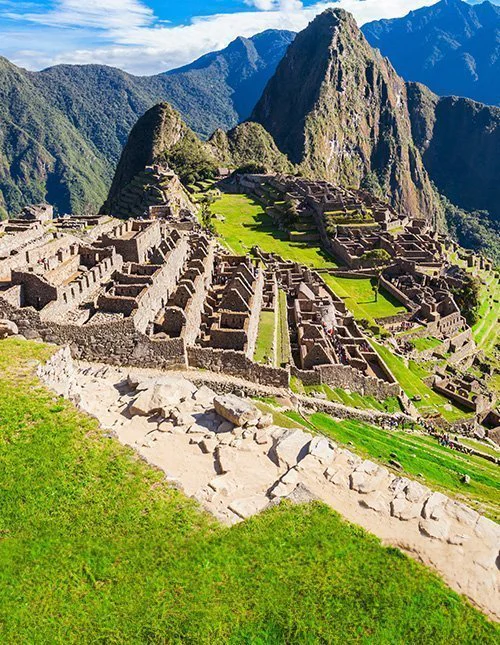
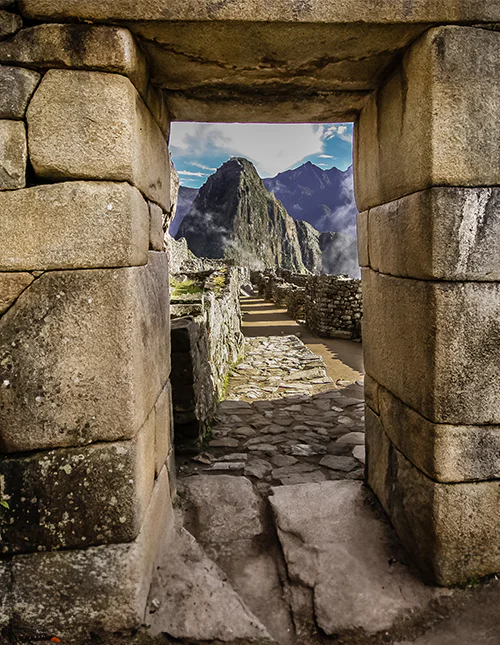
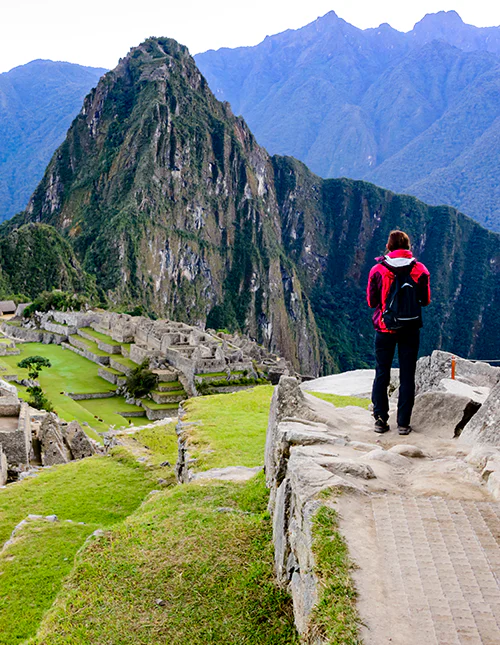
Early in the morning, you will be picked up from your hotel and driven to one of the absolute highlights of your trip: the fantastic ruins of Machu Picchu, which have been designated one of the wonders of the modern world. The ruins stand enchantingly on a steep and verdant ridge of hills in the Urubamba Valley, surrounded by cloud forest and green hilltops, with snow-capped mountains far off in the distance. Here, you will be given a guided tour of the area and can experience the narrow terraces on the steep mountain sides, as well as areas containing burial sites, prisons, small residences and temples.
It is said that Machu Picchu was rediscovered by the American explorer Hiram Bingham on 24 July 1911. This is not strictly true, but he is certainly responsible for spreading the news of this truly remarkable place to all corners of the globe. The Inca city was built in around 1462 – i.e. during the Golden Age of the Inca Empire – but was abandoned less than a century later, probably on account of a smallpox epidemic. As Machu Picchu was never discovered and plundered by the Spanish invaders, it retains major cultural significance and is considered a sacred site. Machu Picchu was home to priests, highly ranked civil servants, craftsmen, servants and virgins selected to devote their lives to the Sun God. It was a city with streets, aqueducts – which still carry water to this day – fountains and walkways, and it fulfilled a variety of religious functions.
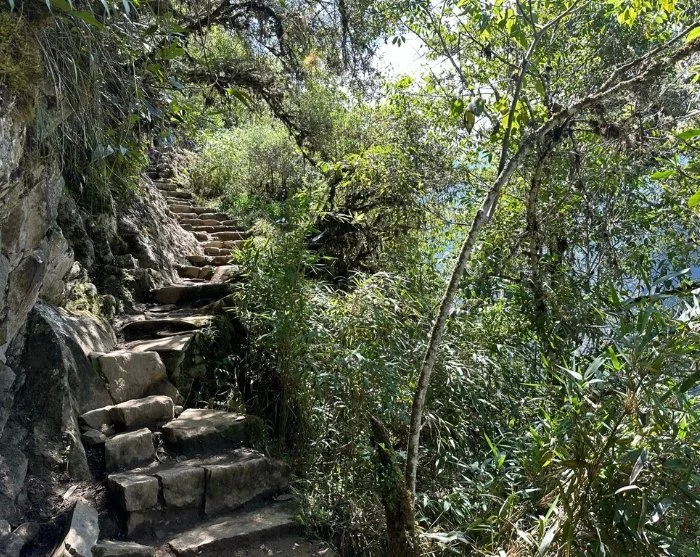
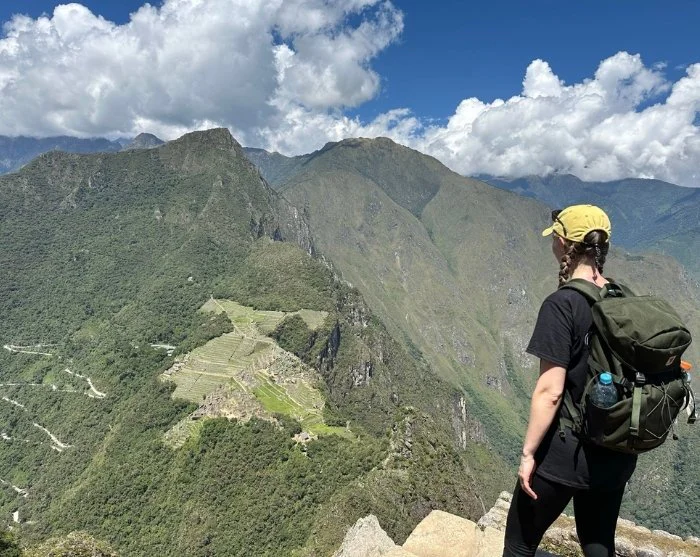
As an add-on, you can also purchase a hike to the top of one of the surrounding Andes Mountains and experience fantastic panoramic views down over the Inca Empire. Choose from three different mountains: The Huchuy Picchu Mountain, the lowest and easiest to climb; the Huayna Picchu Mountain, which is steep and more challenging; and, finally, the Machu Picchu Mountain, which is regarded as the most demanding hike of the three.
Your train back to Cusco leaves late in the afternoon. Your guide will let you know the exact time after the Machu Picchu tour.
On your arrival in Cusco, you will be driven back to your hotel.
Distance: Approx. 125 km
Transport time: Aguas Calientes – Cusco (train + bus): around 4 hours
Today, there are no planned excursions, so the day is at your disposal. Perhaps you would like to head out and buy some final souvenirs, or just take a stroll around this gorgeous, historical city.
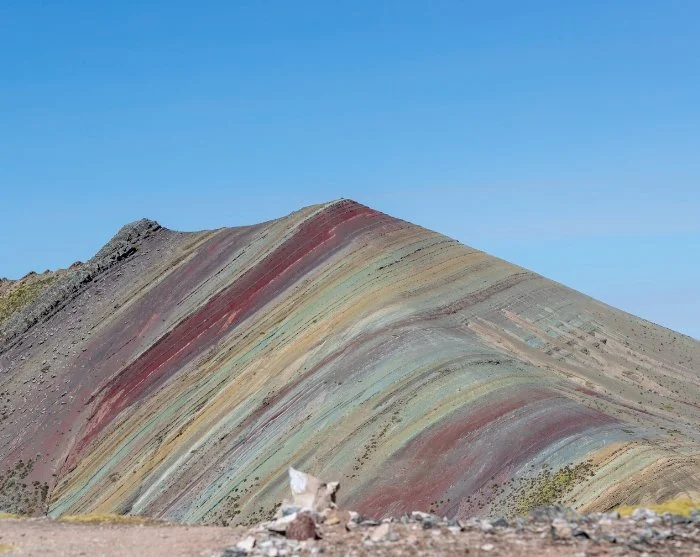
If you would like to experience even more of the magical Andes Mountains, we recommend purchasing an excursion to the magnificent Rainbow Mountain. This mountain is just one of the many beautiful, rainbow-coloured mountains just outside of Cusco, whose colours are due to the mountains’ combination of colourful minerals. It is a truly unique experience to see a mountain in so many wonderful colours.
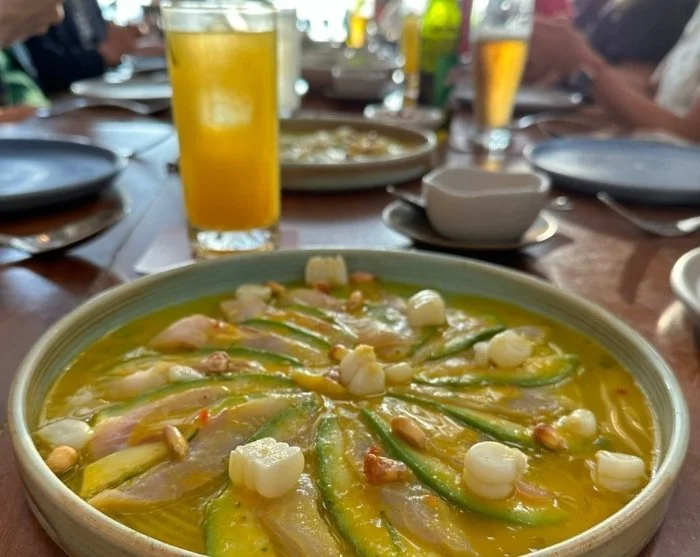
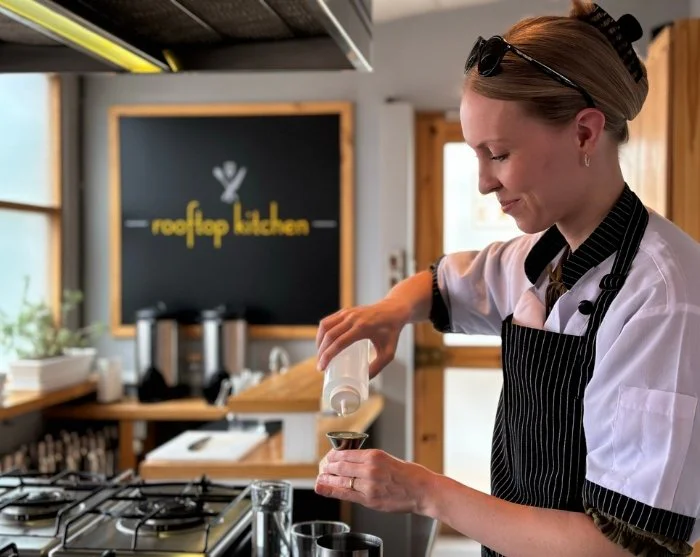
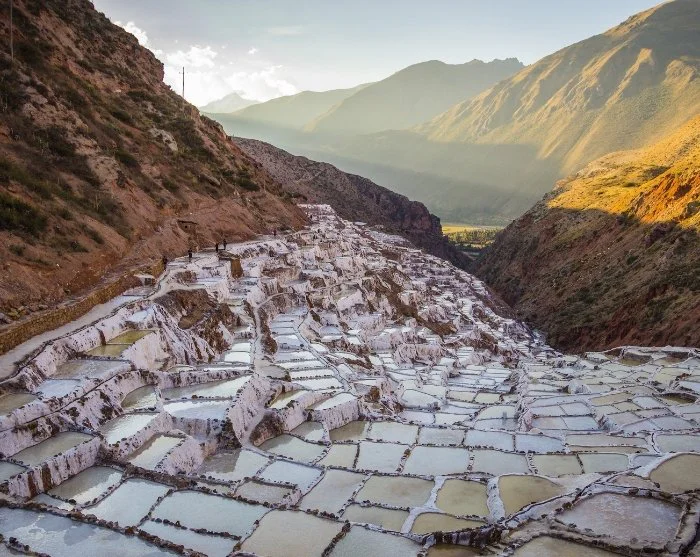
We also offer an excursion to the Inca ruins at Moray and the salt mines in Maras, or how about trying your hand at a small cookery class where you gain an exciting insight into Peruvian cuisine?
You will be picked up from your hotel and driven to the airport to catch your flight home, which will feature connecting flights along the way.
Children under 12 years from C$3,979
Single room supplement from C$1,139

Emily loves to travel and is truly passionate about helping others make their travel dreams come true.

Want to receive travel news and inspiration?
Sign up for our newsletter and get expert tips and special offers delivered straight to your inbox!