Africa offers unique safari experiences year-round.
But when is the best time to go on an African safari?
It depends on a number of factors, including where you want to go and what you'd like to experience. Do you have your heart set on witnessing the Great Migration? Do you dream of seeing the majestic mountain gorillas in Uganda? Or are you hoping to see baby animals and lots of birds?
In this blog post, we walk you through the different seasons in Africa so you can find the best time for your dream safari.
Dry season vs. rainy season — what difference does it make to your safari?
Safari experiences can vary significantly depending on whether you travel during the dry season or the rainy season. Both seasons have their pros and cons, so it all comes down to figuring out which season best fits your wishes.
Please note that even if you travel during the dry season, you may still get some rain, just as you can travel during the rainy season without seeing a single drop.
The dry season
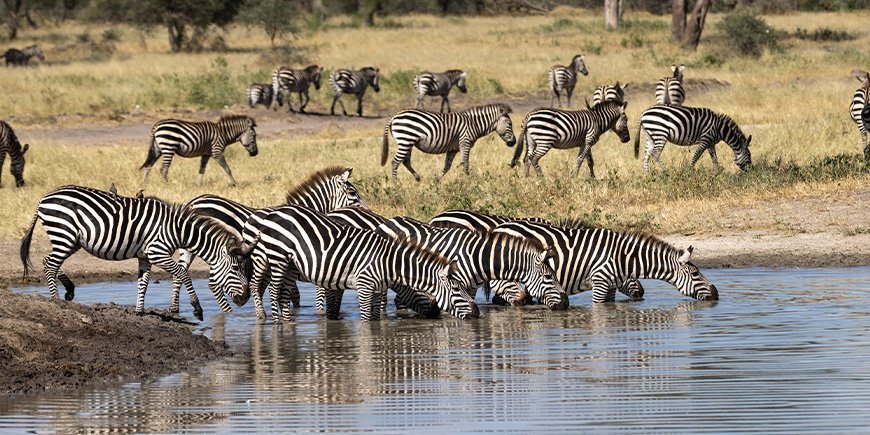
The dry season typically means very little rain, plenty of sunshine, and pleasant, warm temperatures.
Most people prefer to go on safari in Africa during the dry season.
During the dry months, the animals are easier to spot because they often gather around waterholes and rivers. The vegetation is sparse, which gives better visibility, and the weather is generally stable with fewer rain showers.
3 advantages of a dry season safari
- Dry weather: Go on safari in stable weather with less risk of sudden downpours.
- The animals are easy to spot: When water is scarce, the animals gather around a few waterholes, making them easier to spot.
- Easier access: The roads are in better condition during the dry season, making it easier to get around and minimizing the risk of cancellations.
3 disadvantages of a dry season safari
- More people: The dry season is high season, so be prepared to share your experience with more people.
- More expensive tours: High season also means higher prices for both travel and accommodations.
- Temperatures: In some places, it can get chilly during the dry seasons, especially at night and in the early morning hours.
The rainy season
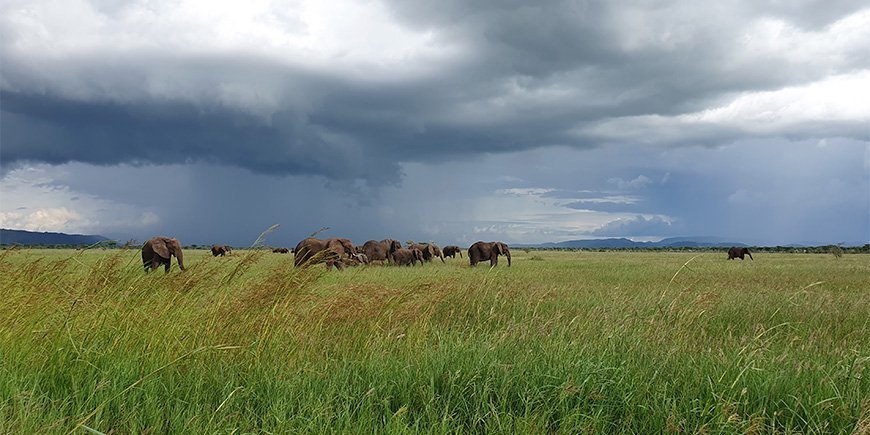
The rainy season means (in some places) a lot of rain and humid weather with warm temperatures. The rain typically comes in heavy showers, after which the skies clear up again.
The rainy season offers beautiful, lush landscapes and fewer visitors, which can give you a more intimate safari experience. You can often save money during these months, and you also help distribute the country’s resources and the locals’ income more evenly throughout the year. When you travel during the rainy season, when few people otherwise go on safari, you also help reduce the risk of overtourism.
3 advantages of a rainy season safari
- Lusher landscapes: The green landscape makes the surroundings beautiful and vibrant.
- More intimate experiences: With fewer visitors, it is easier to enjoy more private and uninterrupted game drives.
- Cheaper safari: Tours scheduled outside the high season mean better prices for both travel and accommodations. You also help reduce the risk of overtourism and ensure that the country’s resources and the locals’ income are spread out over the year.
3 disadvantages of a rainy season safari
- Rain: It can rain heavily, although the downpours are often short.
- The animals can be more difficult to spot: With more water in the natural surroundings, the animals spread out, which can make them harder to find.
- Muddy roads: The roads can be challenging to drive on, especially in the more remote reserves.
When Is the Dry Season in Africa’s Safari Countries?
The vast majority of people think the best time to go on safari is during the dry seasons.
But the dry seasons vary from country to country. Here is an overview of when the dry season falls at our safari destinations:
- Tanzania: January-February, June-October (June-October in Southern Tanzania)
- Kenya: January-February, June-October
- South Africa (Kruger National Park): April-October
- Botswana: April-October
- Uganda: December-February, June-August
When is the best time to experience…
At certain times of the year in Africa, you can witness some of the most unique and memorable animal migrations and natural phenomena.
Below, you'll find an overview of some of them.
The Great Migration
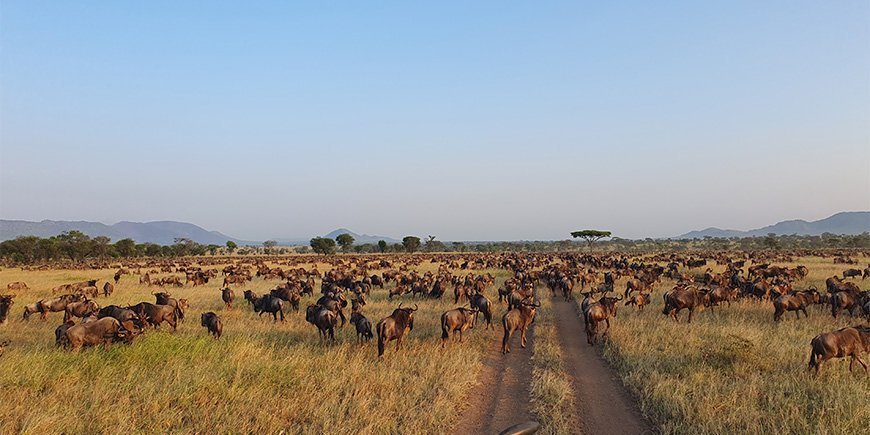
The Great Migration is the world’s largest and longest overland migration of mammals, with millions of wildebeest, zebras, and other herbivores moving between the Serengeti in Tanzania and the Masai Mara in Kenya in search of water and grass.
During some periods of the year, the migration (and the many, many animals) is centered around the southern part of the Serengeti and the Ngorongoro Crater, while at other times, it moves north toward the Masai Mara in Kenya. The Great Migration is therefore a continuous process that takes place year-round in different areas.
Best time:
Strictly speaking, there is no best time to see the Great Migration — because it can be experienced throughout the year. But if there is something specific you want to see, it's still a good idea to be aware of the seasonal differences.
- January–March: The migration is in the southern part of the Serengeti, where the wildebeest give birth to calves that attract large predators.
- May through July: During this period, the migration takes place in the northwestern part of the Serengeti, between the Ikorongo and Grumeti game reserves.
- July–October: During this period, the animals cross the Mara River to reach the Masai Mara, where they migrate for a while before returning to the Serengeti. This is often described as one of the absolute highlights of the Great Migration.
During the rest of the year, the animals migrate from the northern part of the Serengeti toward the Ngorongoro Crater and then back north again. You can read more in our guide to the Great Migration.
Water in the Okavango Delta and huge elephant herds in Botswana
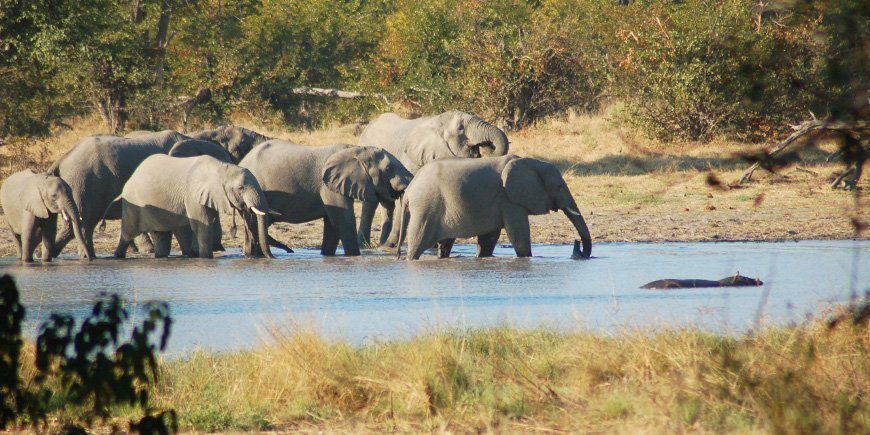
The Okavango Delta in Botswana is one of the world’s most unique ecosystems.
The water that flows in from the mountains of Angola fills the delta and creates a paradise for wildlife. For example, thousands of Botswana’s elephants migrate here to drink when there is water in the delta.
Best time: June–October, when the Okavango Delta is full and animals flock to it.
Gorilla tracking in Uganda
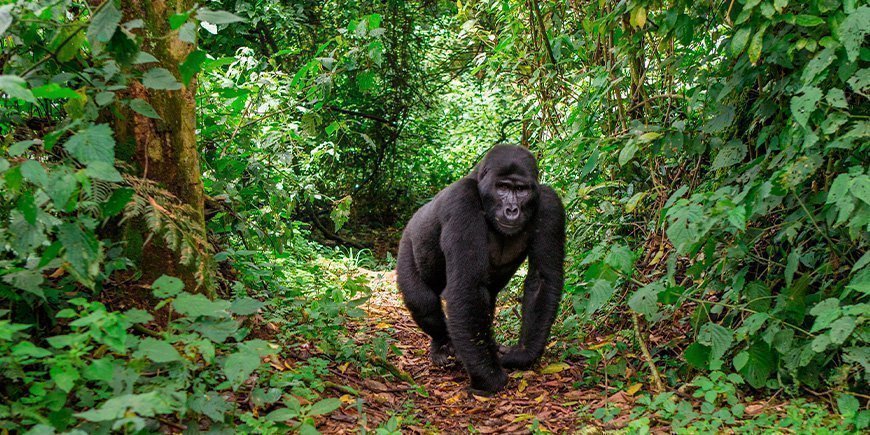
One of the most intense and unique safari experiences is tracking mountain gorillas through Uganda’s dense rainforest. Gorilla tracking gives you the opportunity to get up close to these endangered animals in their natural habitat.
Best time: during the dry seasons, June–August and December–February, when the trails are less muddy and gorilla tracking is easier.
Baby animals in South Africa
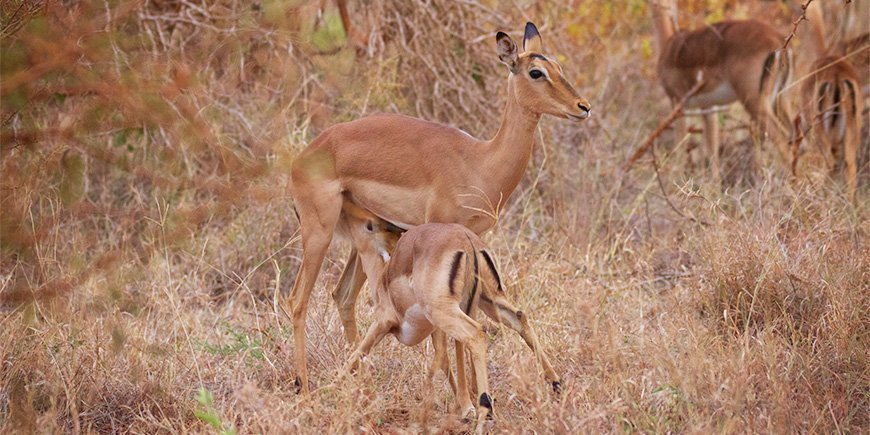
South Africa, especially Kruger National Park, is known for its amazing wildlife, where you can experience the "Big Five" and many other species.
A special highlight in the animal kingdom comes when the animals give birth to their young during the rainy season, usually from late November through March. This is a unique time when you can see lots of newborn animals, from tiny antelope calves to lion cubs just starting to explore the world. At the same time, the young animals attract predators, which makes the safari experience even more exciting.
Best time: November–March.
Wintering birds
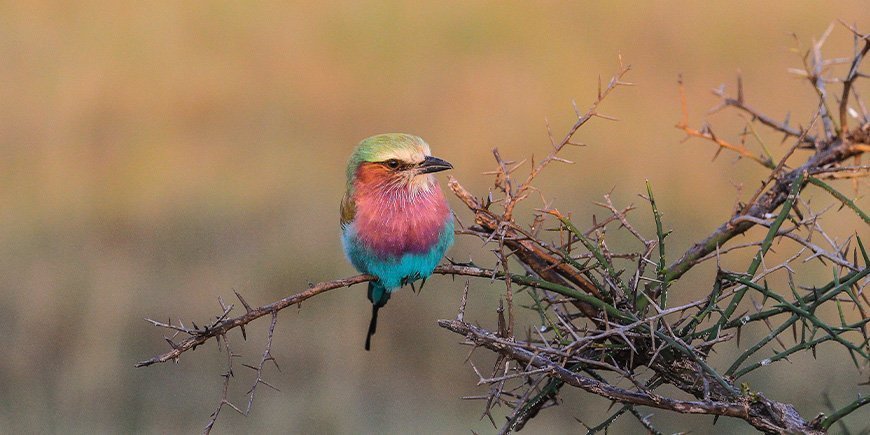
Africa's national parks are home to a myriad of exciting bird species, from birds that live in Africa year-round to birds that arrive to spend the winter in the warm African weather. In Tanzania alone, for example, you can see more than 1,000 different bird species!
Best time: December through February, when migratory birds stay in the African national parks.
When is the best time for you to go on safari in Africa?
Although the dry season is the most popular time to travel, the best time for you will depend on what you want to experience on your safari.
Whether you want to watch predators hunting during the Great Migration, track gorillas in the rainforests of Uganda, or see newborn baby animals in South Africa, there is a perfect time for you.
Our travel specialists are ready to help you find the right time for you to go on safari in Africa.
It’s safe to experience the world with TourCompass — we’re with you all the way.
TourCompass – From tourist to traveler