Climb Kilimanjaro – Guided Treks & Tours
Climb Africa’s highest mountain on a tour to Kilimanjaro
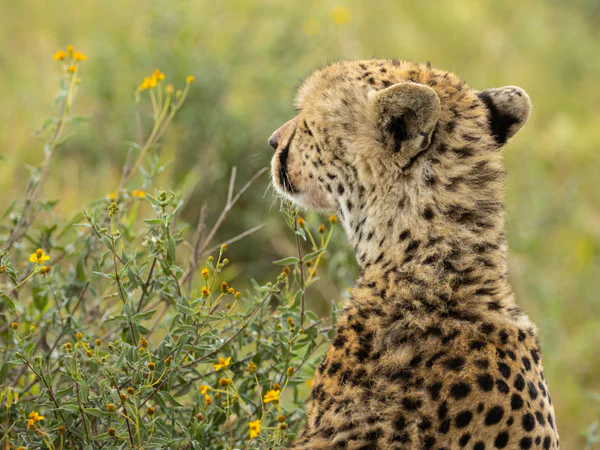
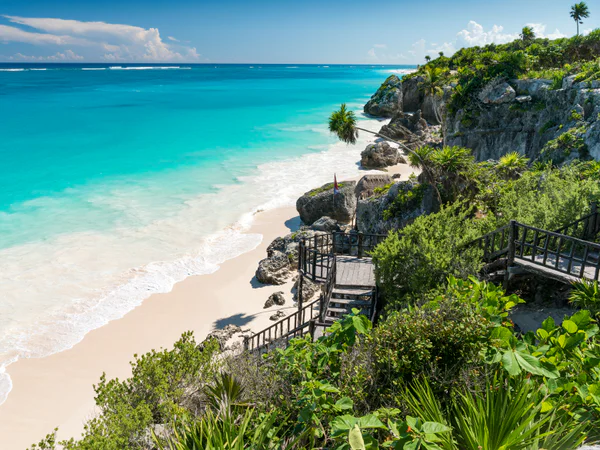
We offer ascents via five different routes. Combine your adventure with a safari or a beach vacation at the end.

Climb Africa’s highest mountain on a tour to Kilimanjaro
We offer ascents via five different routes. Combine your adventure with a safari or a beach vacation at the end.
Go on a Mount Kilimanjaro trek and climb this beautiful mountain via one of our five different routes, each promising a wonderful and challenging adventure.
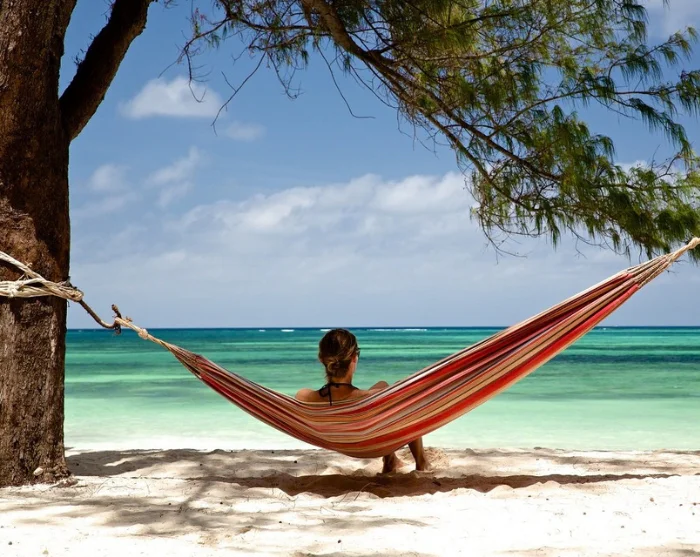
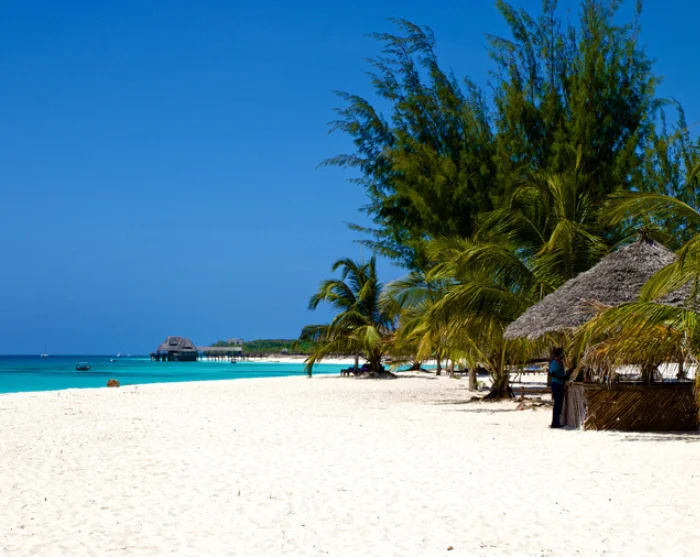
All our tours to Kilimanjaro can be rounded off with a safari vacation in Tanzania, a beach vacation in Zanzibar or with a combination of both.
Below, you can read more about Mount Kilimanjaro and our different options for climbing Africa’s highest mountain.
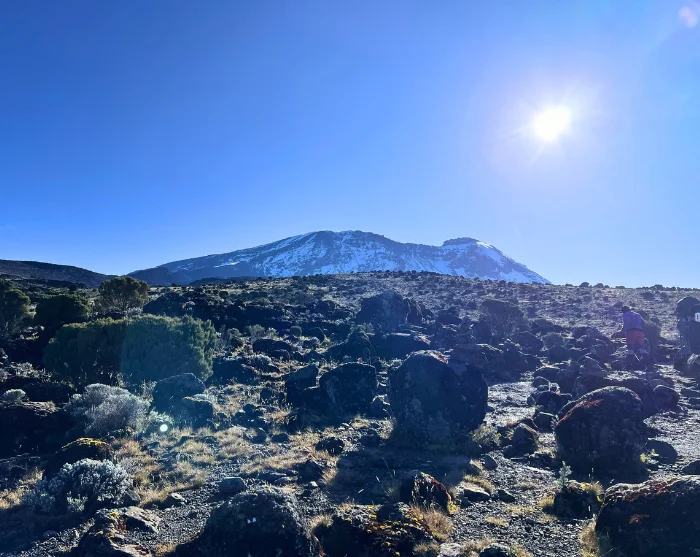
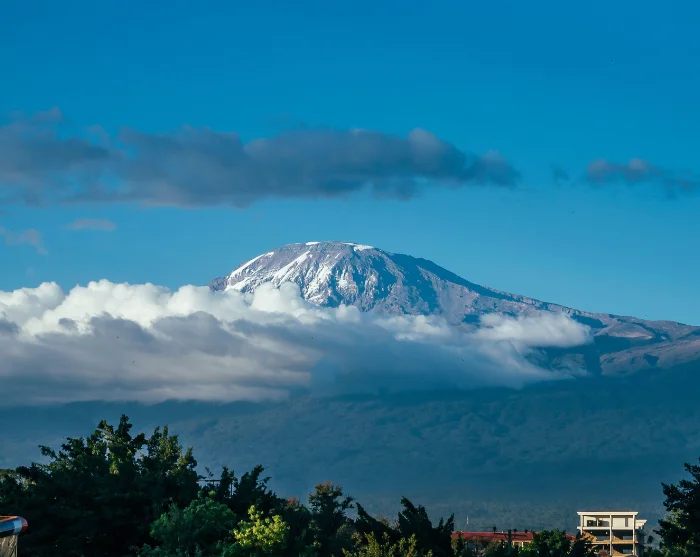
When you fly to East Africa — whatever airport you’re heading for — and arrive in daylight, you can see Kilimanjaro’s snowy peak poking through the clouds, high in the sky. And when you land at Kilimanjaro Airport, you’ll already be treated to an incomparable view of the iconic mountain, towering majestically over the East African plateau.
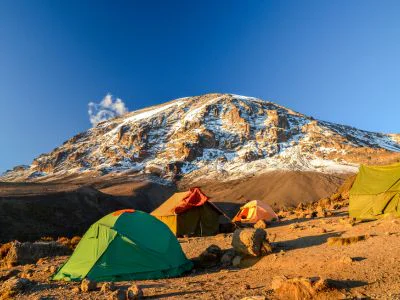
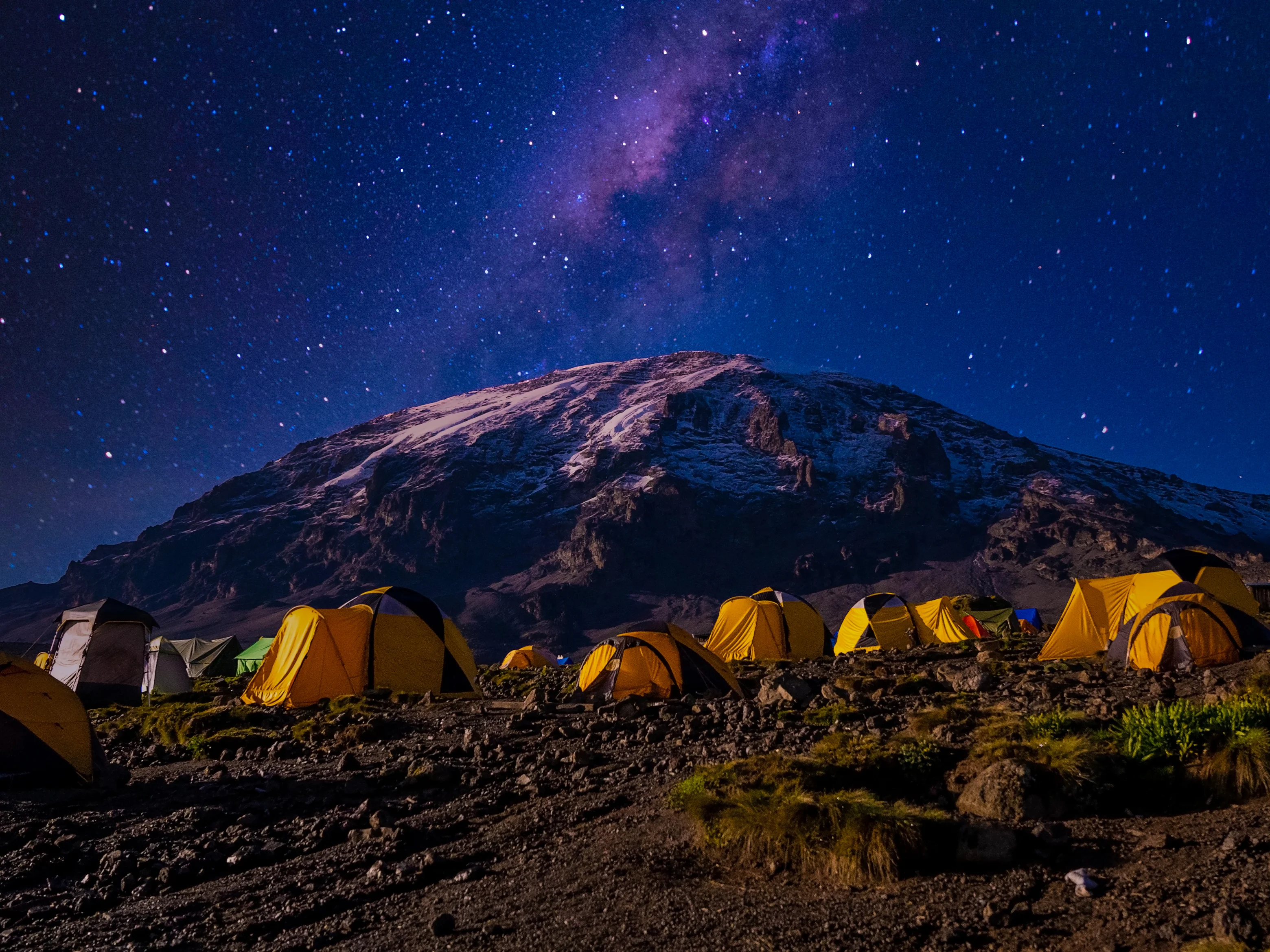
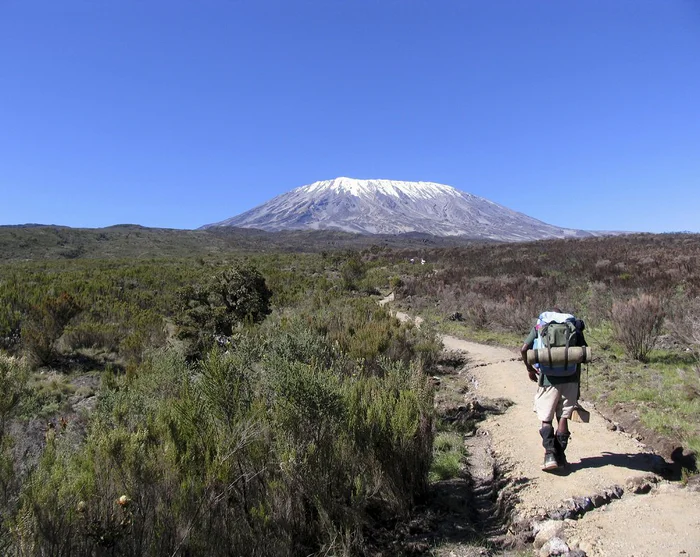
Located in Tanzania, near the border with Kenya, Kilimanjaro is the world’s tallest free-standing mountain.
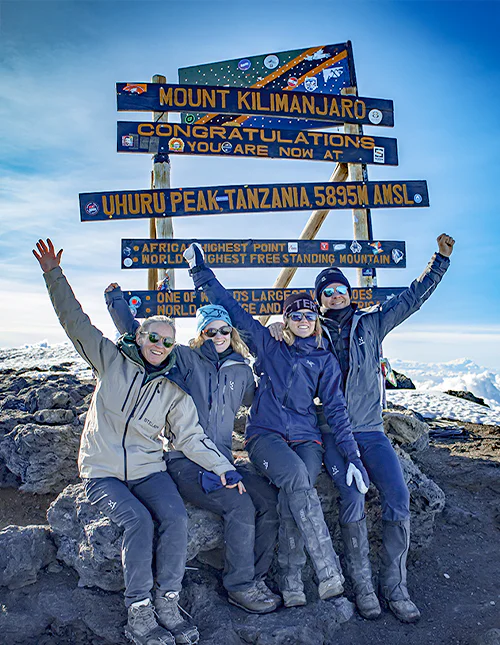
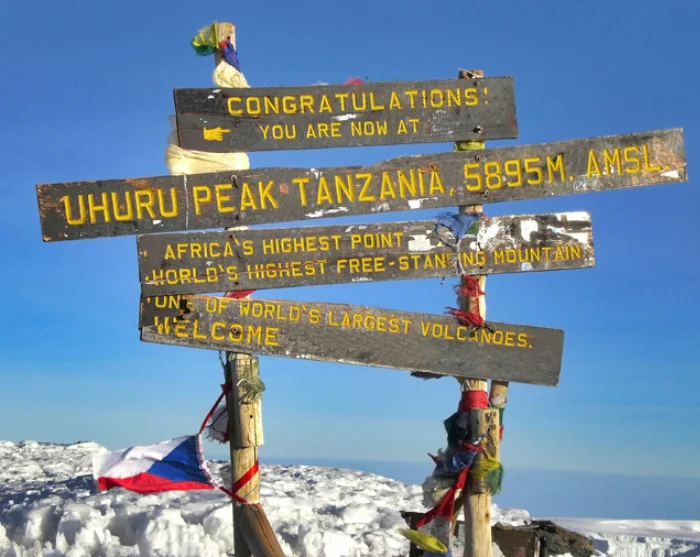
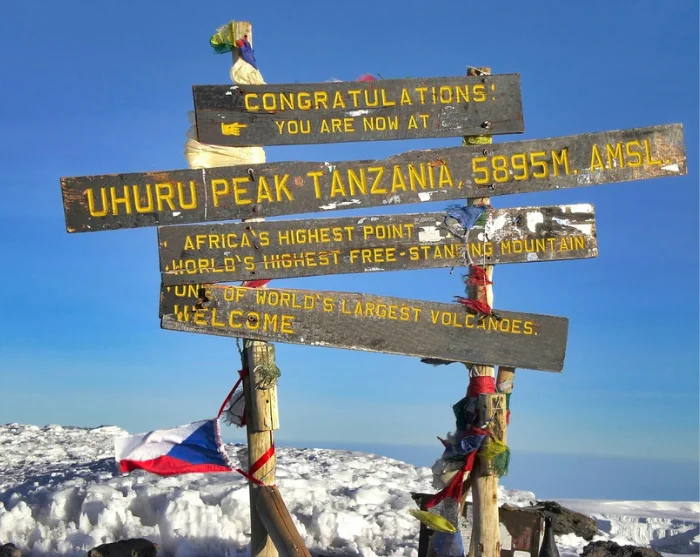
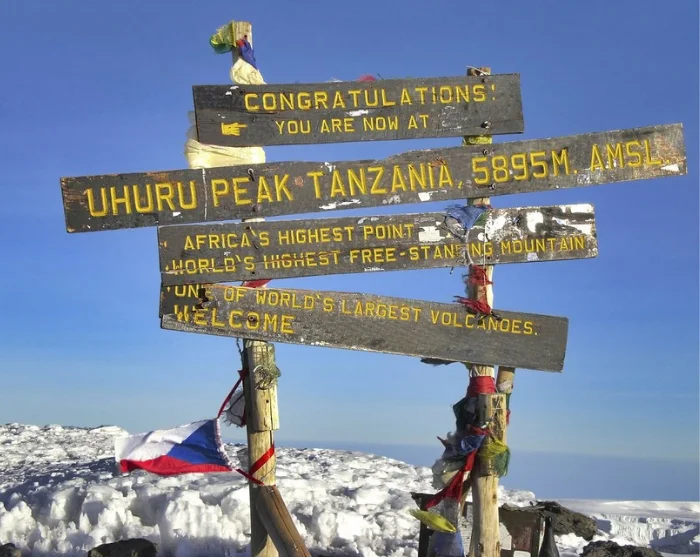
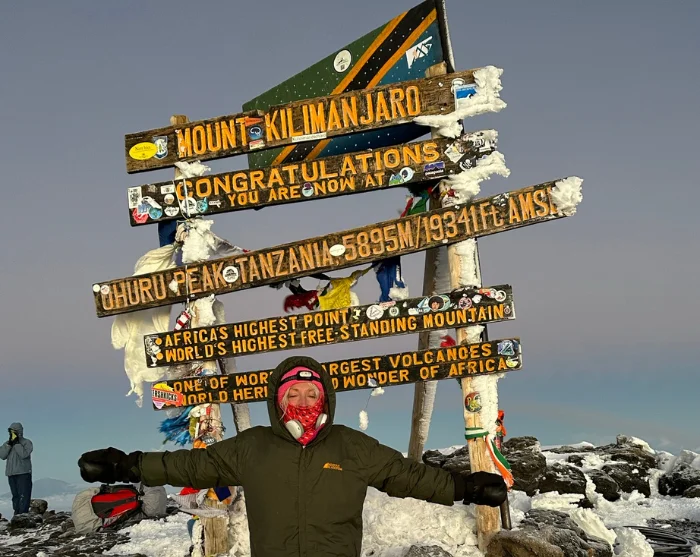
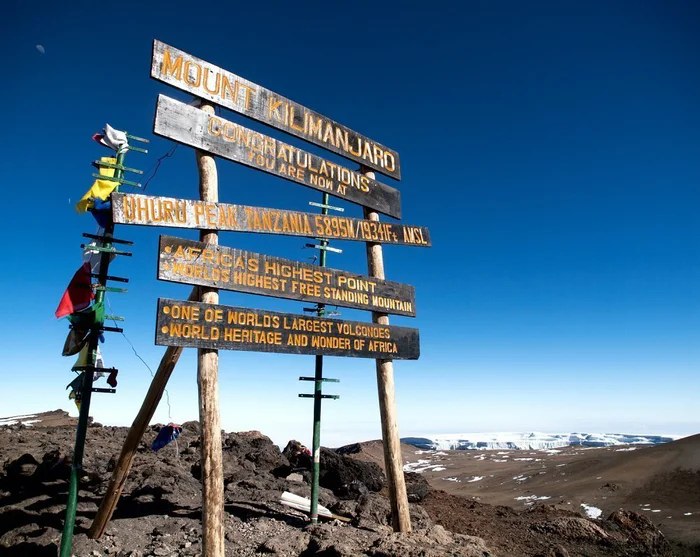
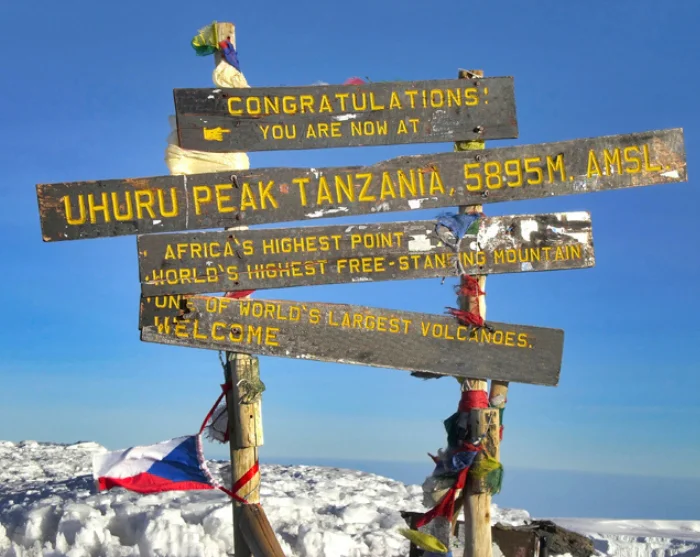
It rises 13,337 ft above the plateau, which sits 6,004 ft above sea level. With a total height of 19,341 ft (5,895 m) above sea level (AMSL), Kilimanjaro can also claim the title of Africa’s highest mountain.
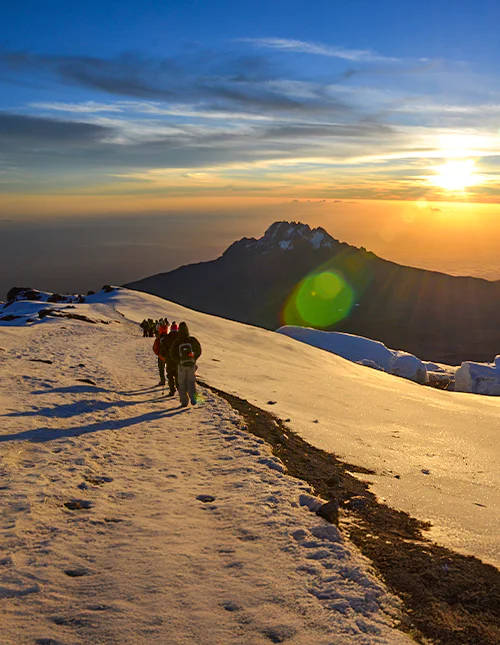
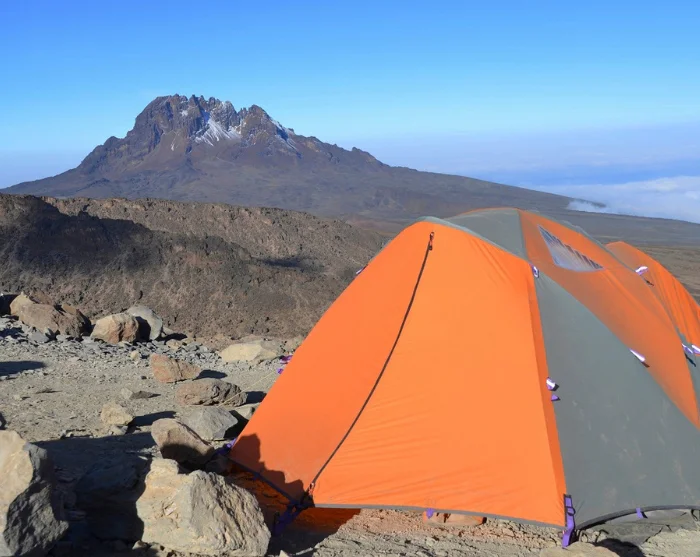
The mountain is made up of three extinct volcanoes: Kibo, whose highest point, Uhuru, stands at 19,341 ft AMSL; Mawenzi, at 16,893 ft AMSL; and Shira, at 12,998 ft AMSL.
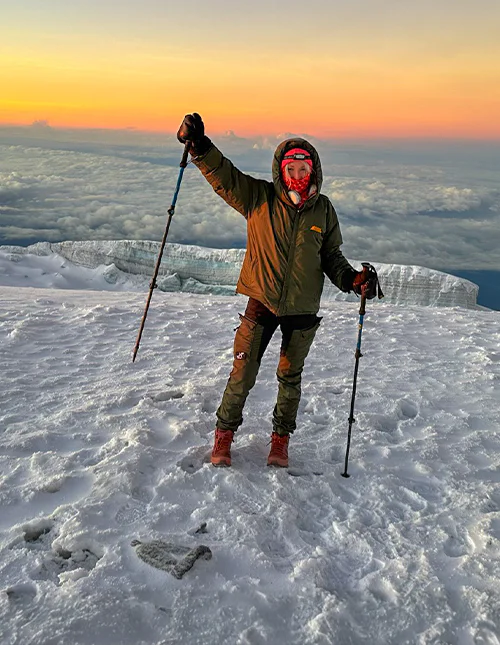
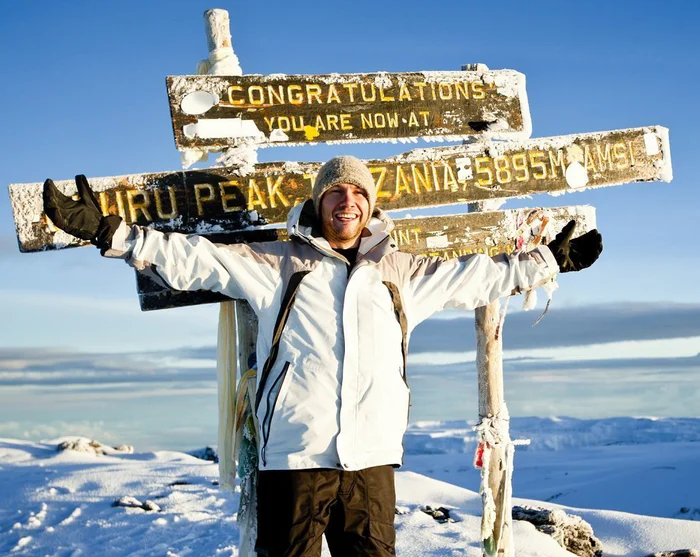
The final destination of all our tours is Kilimanjaro’s highest point, Uhuru Peak.
Perhaps the world’s most beautiful mountain
Kilimanjaro is, with good reason, one of the world’s most iconic mountains.
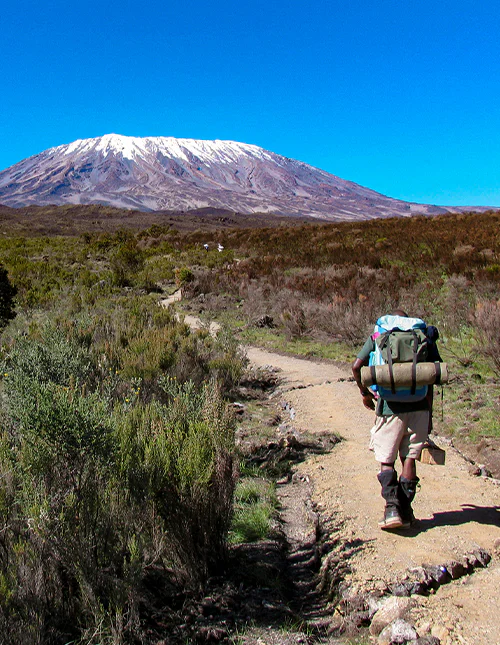
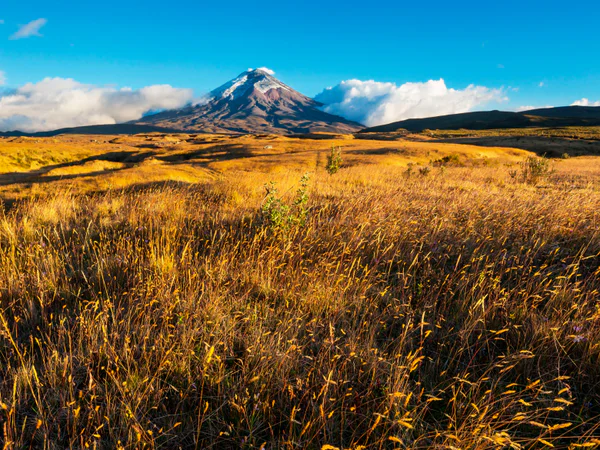
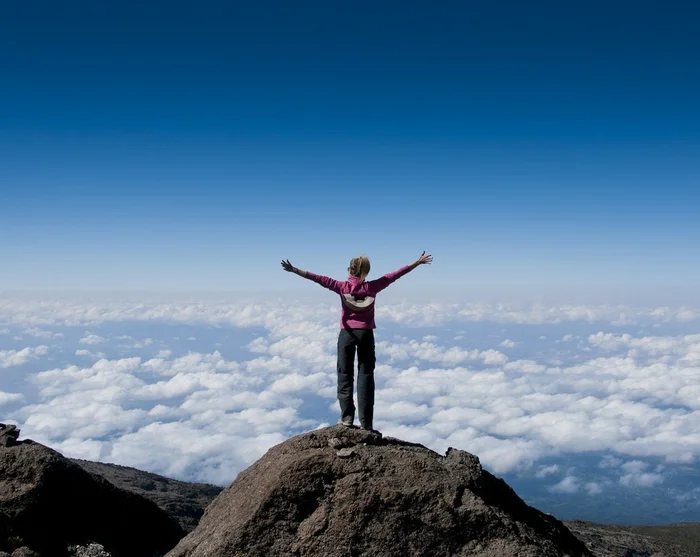
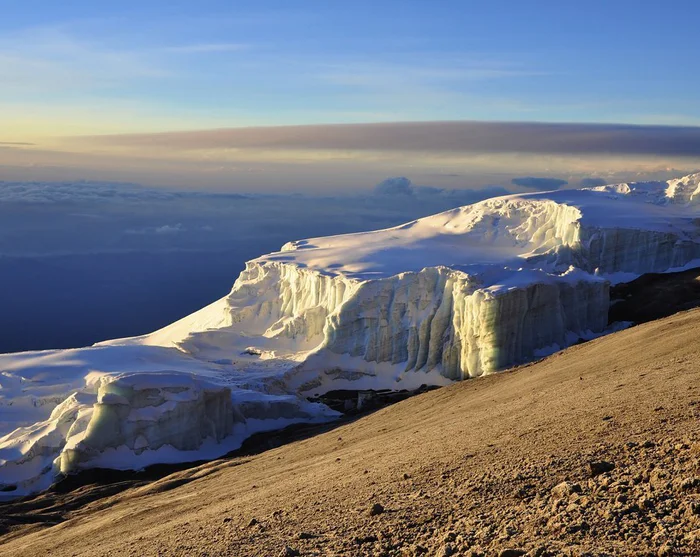
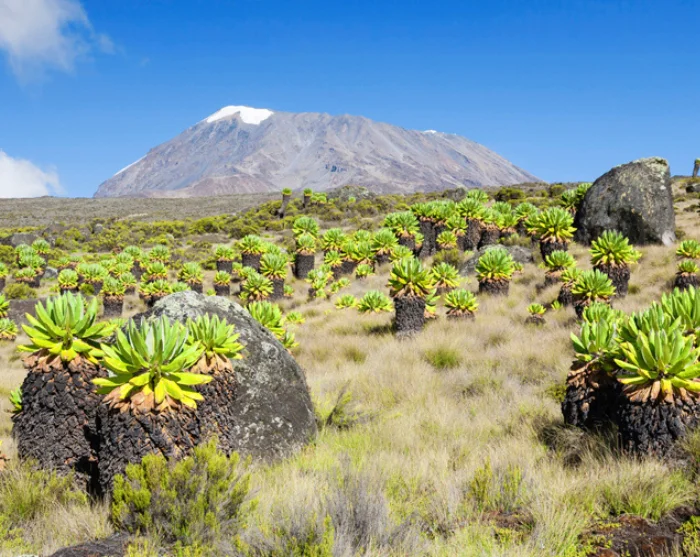
The mountain has a wonderfully beautiful conical shape, and the contrast between its snow-capped peak and its location near the tropical equator is magical.
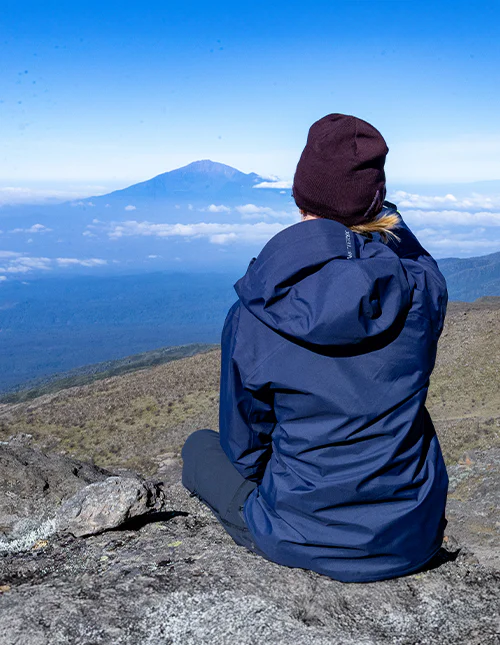
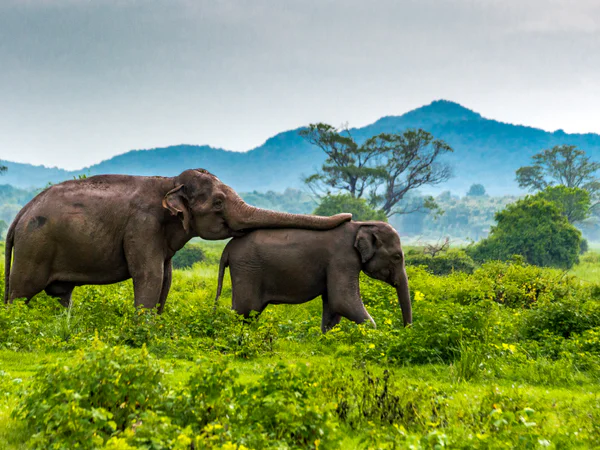
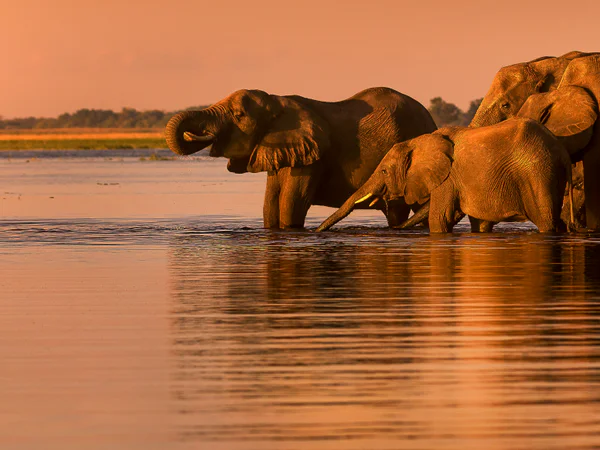
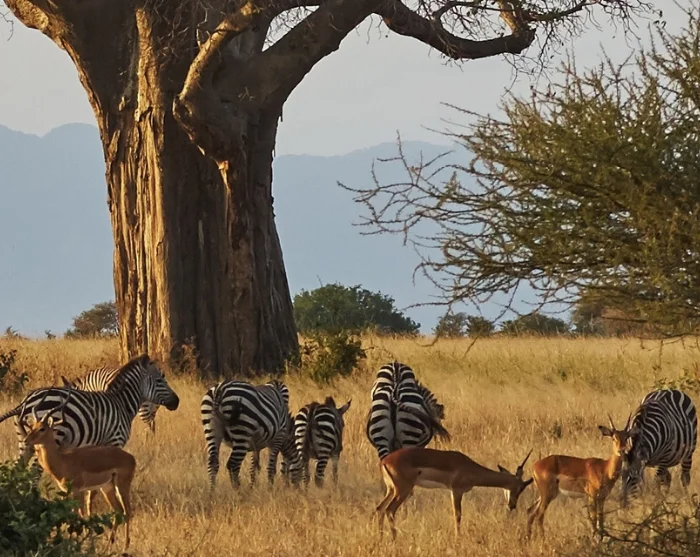
You can stand on the savanna and watch elephants and zebras against a cloudless blue sky, with Kilimanjaro’s gray-brown volcano and snow-capped peak in the background.
Depending on the season, the landscape is dressed in green or golden brown, and Kilimanjaro can be swaddled in clouds, or the volcano’s conical shape and snow-capped peak can be in full view. So the seasons and days are every bit as diverse on Kilimanjaro as on other mountains.
Climbing Kilimanjaro
Kilimanjaro has been attracting adventurous climbers for more than a century. The first attempt to reach the summit was made in the late 19th century, and back then there were no set routes.
Today there are several, and with TourCompass, you can reach the summit via five different routes.
We offer five different trekking routes to the top of Kilimanjaro. All of the routes lead to Uhuru Peak, the highest point on Kilimanjaro, at 19,341 ft above sea level.
However, the routes differ in how challenging the climb is, in length, and in the number of days they take to complete.
Below, you can read about the main differences between the routes.
The Machame Route starts from the south and is considered one of the most scenic routes. Machame has a high success rate, especially if you opt for an acclimatization day and spend six nights on the trek.
The route's other name, the "Whiskey Route," is believed to come from the fact that the route to the top is climbed at a leisurely pace — just like when you are enjoying a good whiskey.
The descent is via the Mweka Route.
The Marangu Route is the easiest and shortest route to Kilimanjaro's peak, which makes it extremely popular.
Although the route is considered the easiest, Marangu generally has the lowest success rate because of the relatively short time you have to reach the summit on many tours. With this in mind, TourCompass has built in an acclimatization day to increase your chances of reaching the top.
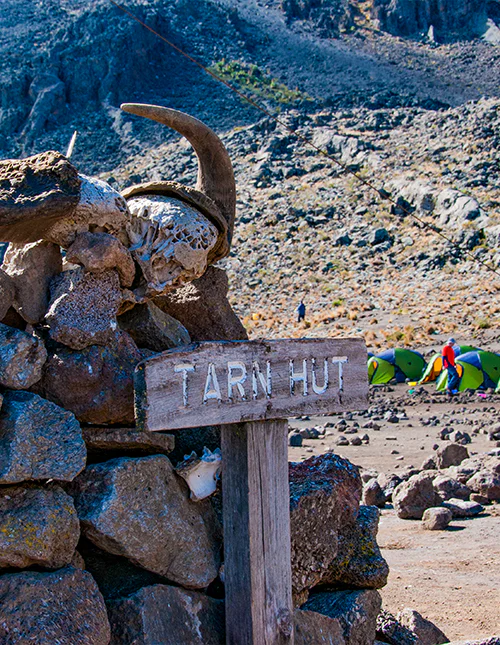
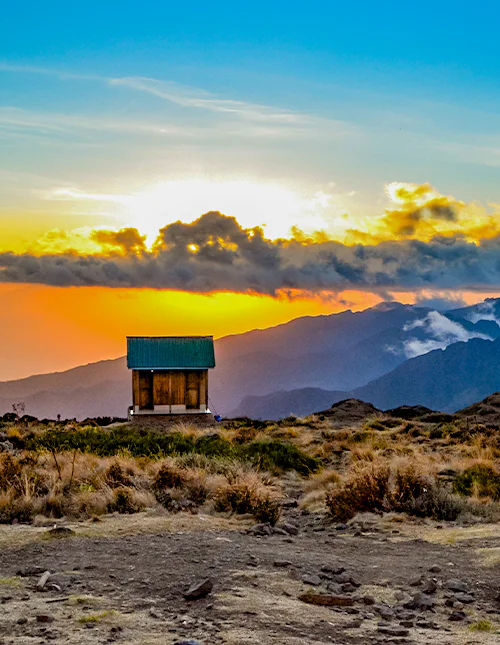
Marangu is the only route where you sleep in cabins instead of tents.
The route is also known as "the Coca-Cola Route," because climbers can buy soft drinks and snacks along the way. Marangu is considered the least scenic route, since the same path is used for both the ascent and the descent.
The Rongai Route sets out from the northeast, near the border with Kenya. The route is more scenic than Marangu and easier than Machame.
During the first four days, the route takes you through stunning, unspoiled nature and gives you a good chance of spotting some of Africa's iconic animals. The Rongai Route sees fewer people than the other routes. The route stays flatter for longer, and the success rate is very high.
The north side of Kilimanjaro is generally drier than the south side, making Rongai the preferred route during the rainy months. The Rongai Route also offers lovely glimpses of the Kilimanjaro peak more often than the routes from the south.
The descent is via the Marangu Route.
The Lemosho Route is one of the longest routes and has the highest success rate. This is thanks to the opportunity for acclimatization that it offers.
The Lemosho Route is also considered the most scenic, as it not only takes you through relatively unspoiled nature but also gives you a unique view of the dramatic gorges on Kilimanjaro’s west side.
During the first couple of days, trekkers can spot larger animals such as antelopes, buffaloes, and, occasionally, elephants. You trek across the Shira Plateau, one of the world’s largest high-altitude plateaus.
The descent is via the Mweka Route.
The Shira Route is almost identical to Lemosho, except for one important difference: the starting point is considerably higher. Because of the tougher, more demanding start, the success rate on the Shira Route is also lower.
The starting point of the Shira Route is also so high that the chances of spotting animals are slim. On the other hand, you will encounter a very diverse landscape, passing through rainforest, moorland, and alpine desert.
The descent is via the Mweka Route.
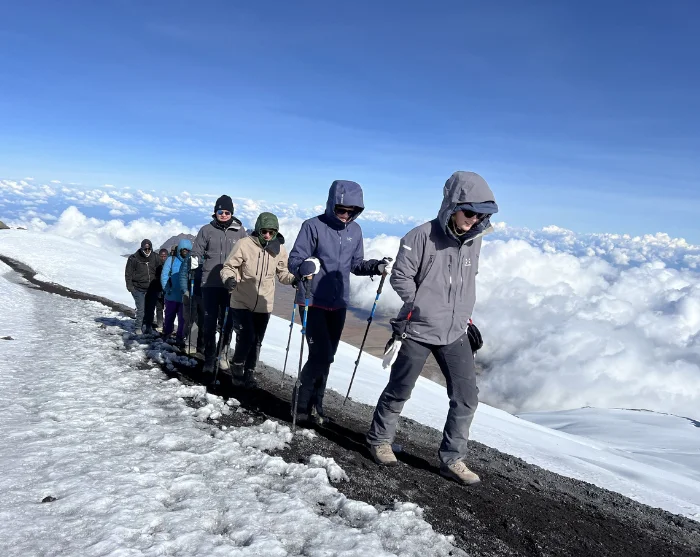
Although Kilimanjaro is technically not difficult to climb, there is a risk of altitude sickness if your body is not given time to adjust to the change in altitude that you experience on the ascent.
Hiking pace and acclimatization are both important elements in avoiding altitude sickness:
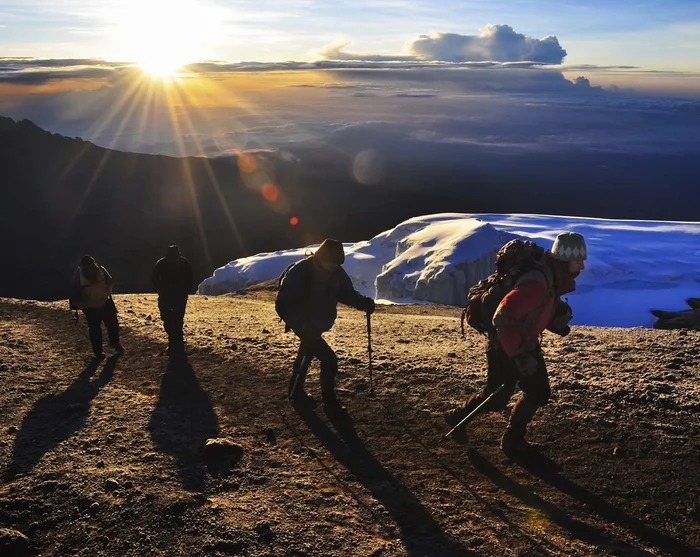
Pole-pole. It's a phrase you will hear a lot from the guides and porters during the ascent of Kilimanjaro.
It is Swahili and means "take it easy." And when you climb Kilimanjaro, it is important to take it easy and go slow, as this helps ensure that you have the strength you need to make it all the way to the top.
Acclimatization is another important factor in reaching the summit. Acclimatization is about slowly letting your body get used to the lower oxygen content in the air as you go higher.
In practice, this means climbing high during the day and then descending to around the same starting point in the afternoon. This is known as the "climb high, sleep low" principle. This way, your body continuously adjusts to the altitude, increasing your chances of reaching the summit.
Many of our tours include an extra day of acclimatization. You can also add an extra day for acclimatization when you book.
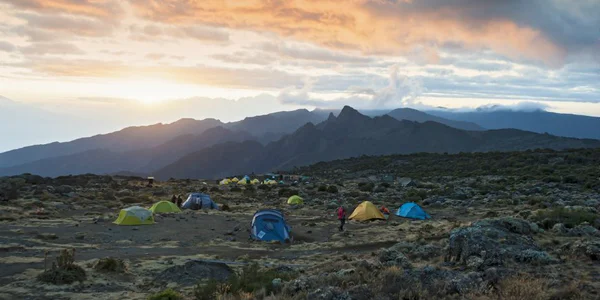
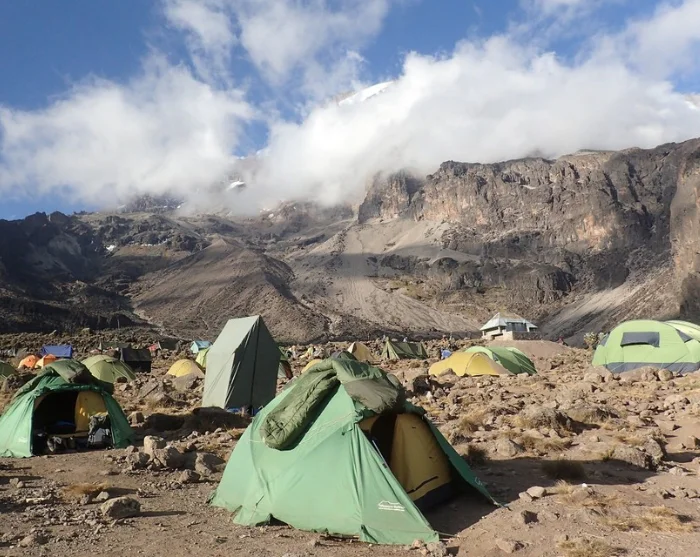
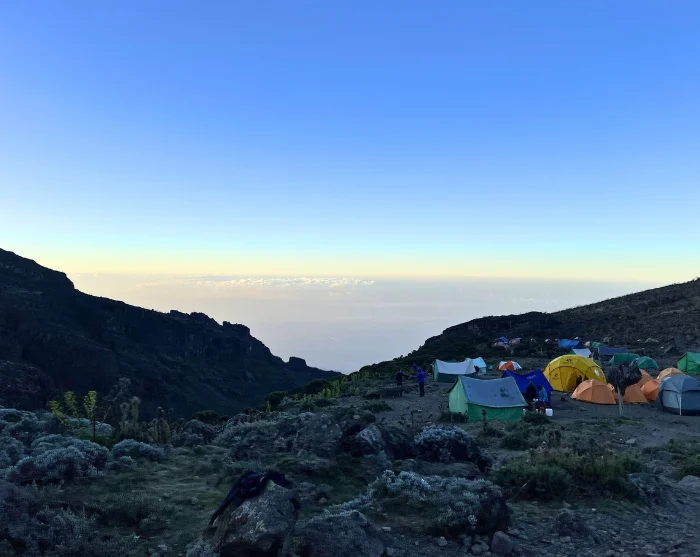
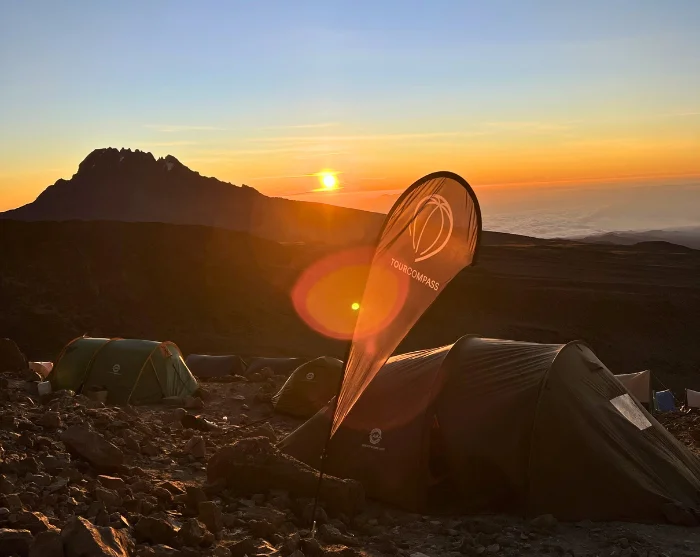
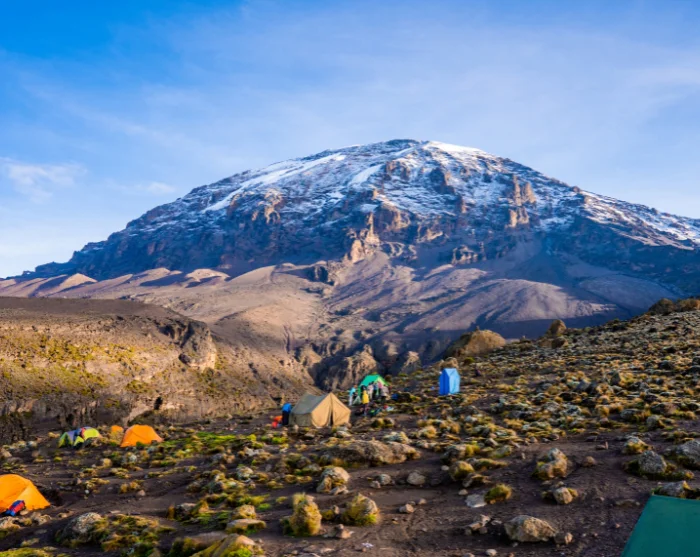
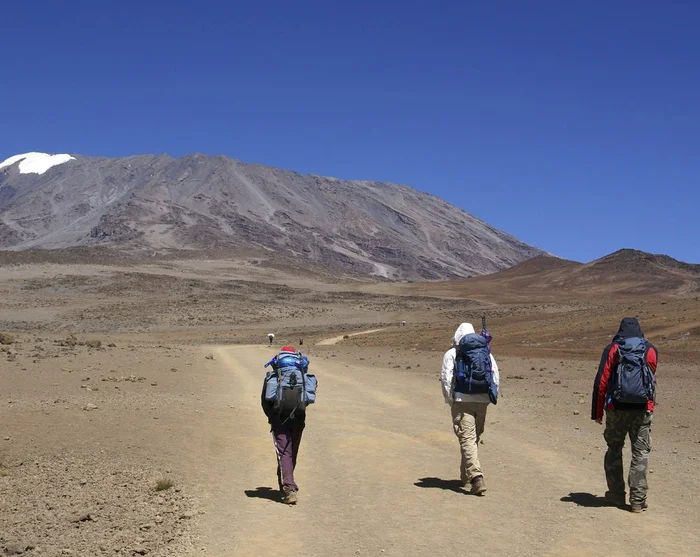
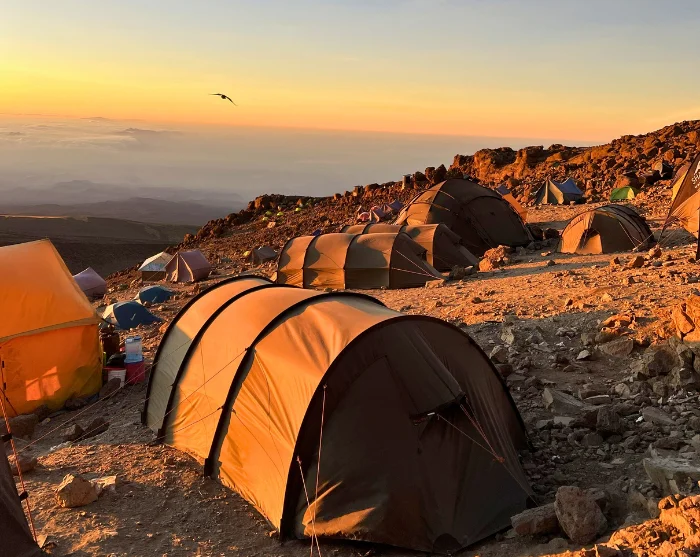
On all our Kilimanjaro tours, you’re accompanied by experienced, licensed mountain guides throughout the climb. Professional porters take care of all your equipment, including the tents. Every day, they pack up the tents and head out ahead of the group to the next camp, where they set them up again.
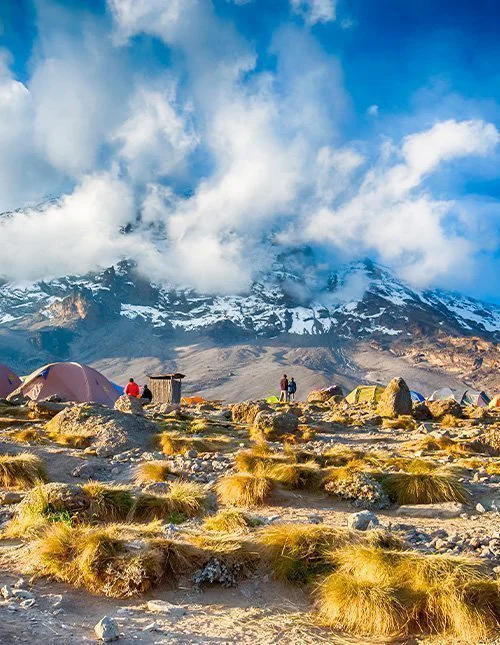
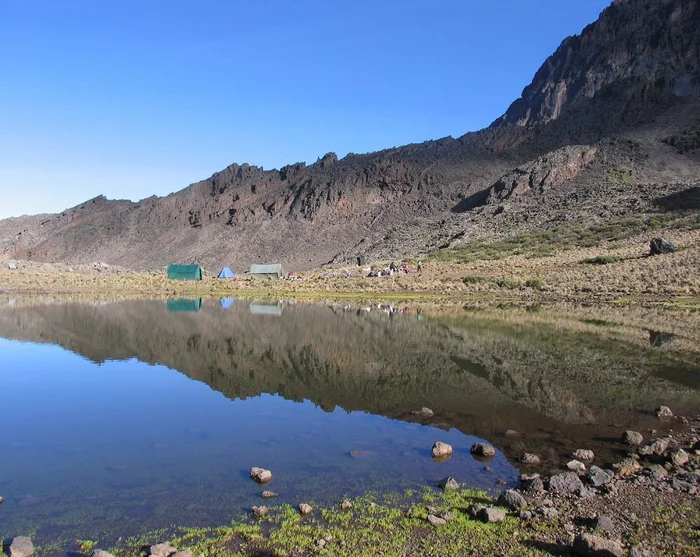
All overnight stays are in tents, except on the Marangu Route, where you sleep in basic, dorm-style huts.
Chefs prepare the food, and every morning starts with a hearty breakfast to give you the fuel you need for a day of hiking. Depending on the day, you'll either get a packed lunch or a hot meal will be waiting for you when you arrive at camp. Dinner is served in a dining tent or on a blanket outside.
The climate on Kilimanjaro is heavily influenced by trade winds.
The southeasterly trade wind from the Indian Ocean carries a lot of moisture, which falls as rain or snow on the slopes of Kilimanjaro. The northeasterly trade wind is dry but heavy.
This means that March, April, and May are the wettest months on the mountain, with rain on the lower slopes and snow, clear air, and wind higher up.
From June through October, it is usually dry and clear.
It can rain in November, too, though not as much as from March through May.
From December through May, snow and below-freezing temperatures (especially at night) are common above the tree line.
The best months for trekking on Kilimanjaro are January and February, and June through October. However, Kilimanjaro can be climbed year-round, as long as you are aware that the weather is never guaranteed. It can vary greatly from year to year. So, no matter when you choose to climb Kilimanjaro, you should be well prepared with the right gear.
Read more about the best time to climb Kilimanjaro.
No, you don’t have to be a mountaineer to climb Kilimanjaro.
Unlike most other mountains of this height, Kilimanjaro does not require special mountaineering equipment to reach the summit.
However, you do need to be in reasonably good shape, and your clothing and other gear must be able to withstand the cold, wind, and rain, especially above the tree line.
Finally, you must have the will and the desire to climb this majestic mountain.
We’ve gathered all the practical information about Kilimanjaro, where you can read more about the weather, vegetation zones, altitude sickness, packing lists, and much more.
As always, you’re very welcome to contact our travel specialists, who are on hand to answer any questions you may have about Kilimanjaro, combination options, or our other tours to Africa.
We look forward to helping you enjoy the trip of a lifetime.
TourCompass – From tourist to traveler
You can check out the itinerary and let your imagination wander through photos and videos of all our tours. You can read more about accommodations, combination options, and all the practical details — and see prices and departure dates for the next 18 months.
Feel free to call or write to us anytime. We're here to answer all your questions, listen to your wishes and give you honest, expert advice based on our extensive travel experience in Africa, Asia, North America, Latin America and Oceania.
You'll receive a detailed quote for the tour that you can save, print or share with your travel companions. If you decide to go ahead and book the tour, you can do so easily right from the quote.
Cat is our Africa specialist. She fell in love with the continent while experiencing everything from safaris to mountain summits, and today she’s passionate about helping others fulfill their travel dreams.
Want to receive travel news and inspiration?
Sign up for our newsletter and get expert tips and special offers delivered straight to your inbox!