Argentina is a country of contrasts and unique beauty, offering everything from the majestic peaks of the Andes to the endless plains of the Pampas.
But when is the best time to visit Argentina?
You can take a tour to Argentina year-round, and the best time to go depends largely on what you want to experience. Read on to find out when it’s the best time for you to travel to this fascinating South American country.
Please note that the guide below is intended as a general guideline only, and recommendations may change at any time.
The climate of Argentina

Argentina is almost 4,000 kilometers long, stretching from the subtropical north to the subantarctic south.
Because Argentina covers such a vast area from north to south, the climate also varies from region to region.
In much of the country, e.g., in central and eastern Argentina (including Buenos Aires), there are distinct seasons like the ones we know back home.
In the northwestern regions (e.g., in Salta), there is a more distinct rainy and dry season. The rainy season here typically coincides with the Argentinian summer (our winter), and the dry season coincides with the Argentinian winter (our summer). In the northeastern regions (e.g., at Iguazú Falls), the subtropical climate means it rains year-round. However, it rains the most during the Argentinian summer (our winter)
The upside of Argentina covering such a large geographical area, however, is that the weather is always good somewhere in the country.
The seasons in Argentina
Since Argentina is located in the Southern Hemisphere, its seasons are the opposite of ours in the Northern Hemisphere, so it’s summer in Argentina when it’s winter back home:
- Spring: September through November
- Summer: December through February
- Fall: March through May
- Winter: June through August
Spring (September–November)

Spring in Argentina brings mild temperatures and nature in full bloom.
For many people, the spring months (along with fall) are some of the best times to visit Argentina, since you can expect lovely weather with warm days that aren’t too humid.
Most regions are great to visit during these months.
In Buenos Aires, for example, you can see the jacaranda trees blooming in beautiful shades of purple. Península Valdés offers exciting wildlife, including penguins. Until December, you can also spot whales in the area. If you dream of visiting Iguazú Falls, the beginning of spring means pleasant weather — not too hot and not too wet.
3 advantages to traveling in the spring:
- Lovely weather with warm days and not too much rain in most of the country
- The jacaranda trees are in bloom in Buenos Aires
- Whales and penguins at Península Valdés
Summer (December–February)

The summer months are typically the hottest in Argentina, and in most places the wettest, too.
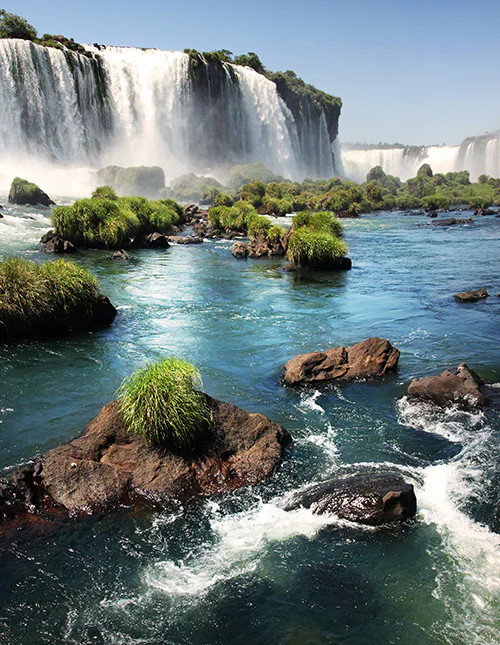
In northern Argentina, e.g., in Salta and at Iguazú Falls, the Argentinian summer brings hot, wet weather. At Iguazú Falls, the rain also means the waterfall's flow is at its most powerful during these months. If you don’t mind getting a little wet, it’s an amazing experience. Keep in mind that Argentinians themselves go on vacation during this period (typically in January and February), so there may be a lot of other visitors.
Both Mendoza and Buenos Aires get hot during the summer months from December through February. Humidity in the capital is high and can sometimes feel oppressive, and this is also when it rains the most.
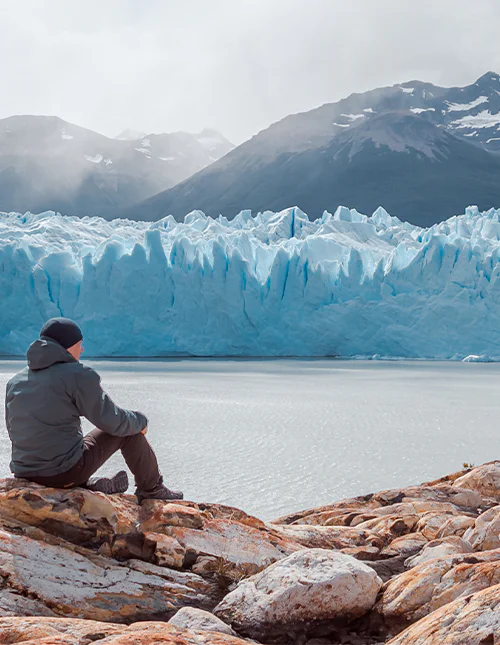
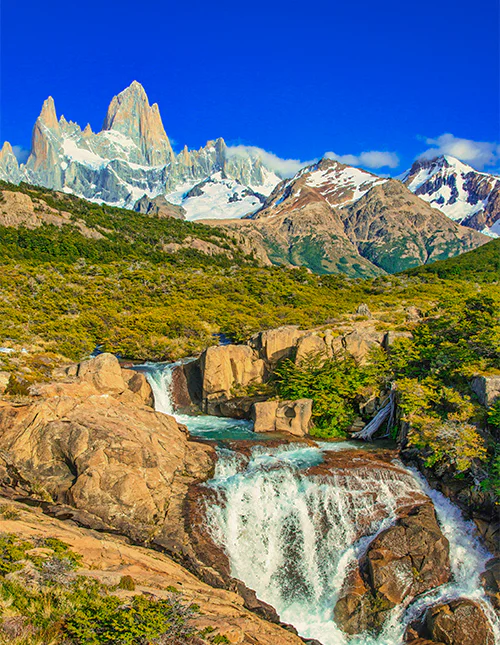
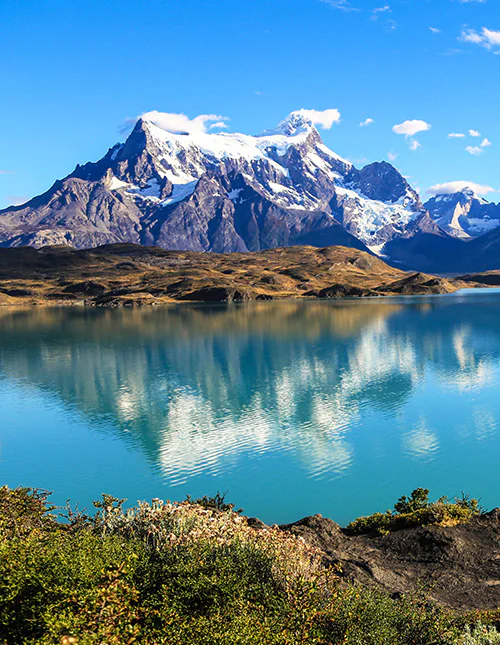
In Patagonia, these months let you experience southern Argentina’s spectacular glaciers and scenic landscapes at the “warmest” temperatures of the year. However, this is also when Patagonia’s infamous winds (especially in southernmost Patagonia) are at their strongest. Unlike the rest of the country, Patagonia generally gets the least rain during the Argentinian summer months.
3 advantages of traveling in the summer:
- Summery temperatures throughout Argentina
- You get the warmest temperatures of the year in Patagonia
- Iguazú Falls has the most water
Fall (March–May)

Fall in Argentina brings mild weather and colorful foliage.
The Mendoza wine region is especially stunning in the fall, when farmers are getting ready to harvest the vineyards, and in March, you can experience the area's annual wine festival.
The hot summer temperatures have eased at Iguazú Falls, and it doesn’t rain as much as in the months on either side.
In Patagonia, temperatures are cooler than in the previous months, but the wind isn't as strong as it is during the summer.
Please note that Easter is a busy time to travel to Argentina, so you may encounter crowds and higher prices.
3 advantages of traveling in the fall:
- Lovely weather with warm days and not too much rain in most of the country
- A good time to visit Mendoza if you want to enjoy a wide range of wine activities
- The weather is pleasant at Iguazú Falls — not too hot and humid
Winter (June–August)

Buenos Aires sees cloudy weather, occasional rain, and cooler temperatures during the winter months, but the metropolis continues to shine when it comes to cultural activities, both indoors and outdoors. At the end of August, for example, the capital hosts its annual tango festival.
If you dream of visiting Iguazú Falls, keep in mind that there may be a lot of visitors in July due to the Argentinians’ winter vacation (and summer vacation in North America).
It’s the dry season in northwestern Argentina, and Salinas Grandes in Salta is perfect during the dry months, as the temperatures are pleasant, the salt flats are dry, and it’s a beautiful time to take the popular perspective photos.
It’s cold in Patagonia during the Argentinian winter months, and while it’s a beautiful time to visit the region, when the winter landscapes truly come into their own (and without the strong winds you might otherwise experience), the winter weather sometimes means that places close. On the other hand, you can have the area almost to yourself.
Starting at the end of June, southern right whales arrive in Península Valdés, making the following months the best time for whale watching in the area.
3 advantages to traveling in the winter:
- Scenic nature experiences at Salinas Grandes in Salta
- It’s whale watching season at Península Valdés
- Plenty of cultural experiences in Buenos Aires, such as the annual tango festival
When is the best time to visit …

Because Argentina is so large, the climate can also vary greatly depending on where you travel in this stunning country.
No matter where you go, amazing experiences await. Below, we’ve rounded up some of our most popular destinations, so you can find out the best time to visit each of them.
The whole country
Argentina is amazing year-round, and you’ll enjoy unique experiences no matter when you choose to travel.
The spring and fall months are generally considered some of the best times to visit most of the country. The weather is good in most places — not too hot and not too wet.
Salta
Salta, located in northwestern Argentina, gets the most rain between December and March, and the wettest and hottest months fall during summer (December through February). It rains very little during the rest of the year.
In the fall and spring months, you can expect slightly cooler, yet still warm, temperatures and less rain. Spring brings a touch of green to the otherwise dry landscapes. The winter months are drier and cooler than the rest of the year, but the days are still warm.
Please note that mid-September can be especially busy as pilgrims arrive in the city of Salta on pilgrimage (Procesión del Milagro).
Iguazú Falls

Iguazú Falls, located in northeastern Argentina, offers a spectacular experience year-round, and the best time for you to visit depends on several factors.
Do you want the “best” weather, when the sun is shining and it’s neither too hot nor too humid? Or would you rather see the waterfall at its fullest, even if the weather is gray, hot, and very rainy?
Many people find late fall (April–May) or early spring (September–October) to be good times to visit. During these months, the heat is more reliable, and it doesn’t rain as much as in the months on either side
Mendoza
Mendoza, the heart of wine country by the Andes in central Argentina, is known for its long, sunny days most of the year. In fact, the area boasts 300 days of sunshine a year!
The Argentinian fall, winter, and spring (from planting season to harvest) are the months when Mendoza is at its liveliest. The temperatures are pleasant (although cooler in the winter months), and you can take part in the region’s many wine activities. It can get very hot in the summer, and there is generally more rain than during the rest of the year.
Buenos Aires
Located on the east coast of Argentina, the capital, Buenos Aires, has a subtropical climate with hot summers and mild winters.
Spring and fall are the most pleasant times to visit the city. The Argentinian summer can be very hot and humid, and while the winter offers mild weather, it also brings cooler temperatures and cloudy skies.
El Calafate, Patagonia
Patagonia is vast, and the weather varies depending on where you go. Our tours visit Península Valdés in northern Patagonia and El Calafate in central Patagonia.
Many consider the Argentinian summer the best time to explore the natural beauty of Patagonia, since this is when the region sees its warmest temperatures of the year. On the other hand, it is often windy during this period, especially in the South.
If you prefer less wind but don't mind slightly colder temperatures, spring and fall are ideal times to visit. If you dream of experiencing Patagonia’s winter landscapes in real winter weather, you’ll need to visit during our summer months. However, please be aware that some places may close due to the weather.
TourCompass – From tourist to traveler