At the southern tip of Africa, you'll find one of the world’s most beautiful and fascinating cities.
A tour to Cape Town is for you if you dream of exploring a destination that combines natural beauty, a rich history, and a vibrant cultural scene with delicious cuisine featuring exciting dishes and exquisite wines.
But when is the best time to visit Cape Town?
In this blog post, we walk you through Cape Town’s seasons to help make it easier for you to decide when is the best time for you to visit this scenic South African metropolis.
Please note that the guide below is intended as a general guideline only, and recommendations may change at any time.
The seasons in Cape Town

Cape Town has a Mediterranean climate and four distinct seasons, with hot, dry summers and cool, wet winters.
Cape Town differs from the rest of South Africa in that it gets the most rain in winter. By contrast, the weather in Kruger National Park, for example, brings rain in the summer months, when Cape Town sees hardly any rain at all.
Because South Africa is in the Southern Hemisphere, i.e., south of the equator, its seasons are the reverse of those in the United States, so it’s summer in South Africa when it’s winter back home:
- Spring: September through November
- Summer: December through February
- Fall: March through May
- Winter: June through August
Cape Town offers interesting experiences year-round, and you'll enjoy the city's unique charm no matter which season you visit. So the best time to go really depends on what you hope to get out of your vacation.
If it's "perfect" summer weather you're looking for, plan to travel between December and January/February, when the South African summer is at its peak.
When is it summer in Cape Town?

Summer in Cape Town falls between December and February.
For many people, the summer months are the absolute best time to visit Cape Town.
Cape Town really comes alive at this time of year, and you can expect long, warm days with blue skies and dry weather — perfect for outdoor activities and trips to the beautiful beaches. The cultural scene is in full swing, and there are plenty of chances to take part in food and wine festivals.
Summer is peak season for travelers, and it's also when South African children are on their school vacation. With so many visitors, Cape Town’s main attractions tend to get crowded, so it’s a good idea to book experiences and any restaurant reservations in advance. The high demand can also drive prices up, so in some cases a tour may end up costing slightly more than if you travel during other months of the year.
When the children head back to school in February, the crowds also thin out a bit.
3 advantages of traveling in the summer:
- The chance to spend your Christmas vacation in the summer heat
- Long days with great weather for outdoor activities and trips to the beach
- A cultural scene in full swing with food and wine festivals
When is it fall in Cape Town?

In South Africa, fall runs from March through May.
Fall arrives in March. It's a shoulder season (the period between high and low season), and except for Easter weekend, it's generally a quiet time to visit Cape Town.
Fall brings a little more rain, and temperatures dip slightly compared to the summer months, but the weather is generally still sunny and pleasant.
The summer crowds have thinned out, and from May you can look forward to low-season special offers, when many of the city's restaurants serve gourmet meals at a fraction of high-season prices.
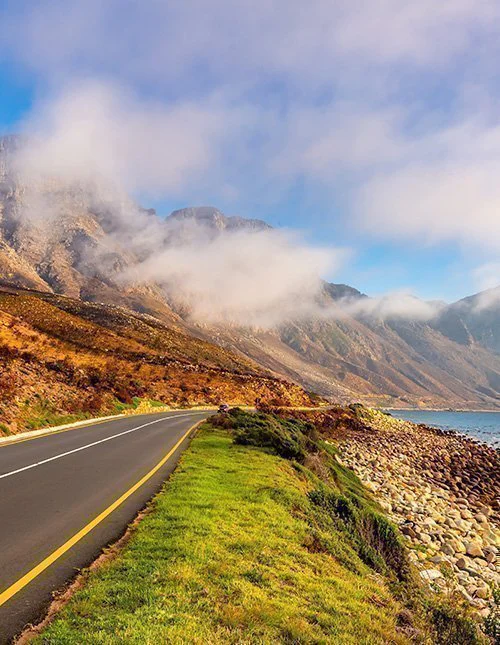
Fall transforms the landscapes from green to golden and reddish-brown hues, making it a beautiful time to visit Cape Town. The weather is ideal for exploring outdoor attractions such as Table Mountain, the adorable penguins at Boulders Beach, Cape Point, or the Winelands, where you can enjoy delicious wines in the lush surroundings of the vineyards.
If you're a sports fan, fall in Cape Town offers two of the biggest sporting events: the Two Oceans Marathon, which is the largest running event in Africa, and the Cape Town Cycle Tour, which starts and ends at Table Mountain.
3 advantages to traveling in the fall:
- Lower prices at some of the world's best restaurants
- Experience Cape Town draped in fall colors
- Great weather for outdoor activities and visits to the Winelands
When is it winter in Cape Town?

Winter in Cape Town falls between June and August.
These are the coldest and rainiest months of the year, though temperatures are still relatively mild compared to winter in much of North America. You can also enjoy plenty of nice, sunny days without rain.
Depending on what you dream of experiencing, this can be an excellent time to visit the big city.
These are Cape Town’s “quiet” months, at least as quiet as a big city can be, which means fewer visitors at the major attractions and cheaper prices when you eat out.
Winter is, for example, the absolute best time to go whale watching in South Africa, as you can get a front-row seat when the southern right whales come to South African waters to mate, calve, and raise their young. If you're unlucky enough to hit a few days of rain, Cape Town also offers plenty of great rainy-day activities.
If you dream of combining Cape Town with a safari in Kruger National Park, winter is a great time to go, as this is when Kruger gets the least rain, making it easier to spot the wildlife.
Please note that the cable car at Table Mountain closes for a few weeks each year for its annual maintenance check. You can keep an eye on when this happens here.
3 advantages to traveling in the winter:
- A good time to combine with a safari in Kruger.
- Best time of the year for whale watching
- Fewer visitors and lower prices
When is spring in Cape Town?

Spring in Cape Town falls between September and November.
The season is characterized by rising temperatures after the cool days of winter, along with pleasant weather, lots of sunshine, and occasional rain. Spring offers many of the same benefits as the fall.
Like fall, spring is also a shoulder season, when there are generally fewer visitors, so the major attractions aren’t as busy as they are in the high season.
If you arrive at the beginning of the season, you can see the wildflowers burst into bloom and blanket the landscape in a riot of colors.
The spring months are also a great time to enjoy outdoor activities.
It's the ideal time, for example, to hike to the top of Table Mountain, where you can enjoy a unique view over Cape Town, or to take the ferry to Robben Island, where Nelson Mandela was imprisoned for almost 18 years.
The start of spring coincides with the end of whale season, so you might be lucky enough to spot southern right whales along the South African coast.
3 advantages of traveling in the spring:
- The weather is pleasant, with lots of sunshine
- You can see wildflowers carpeting the landscapes in a multitude of colors
- Great months for outdoor activities



TourCompass – From tourist to traveler