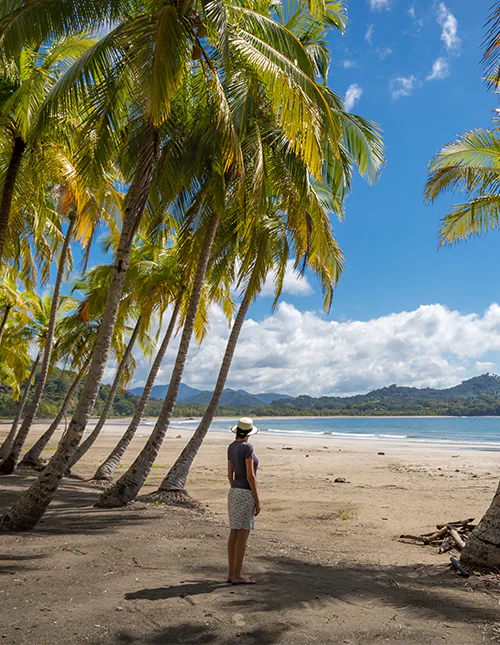
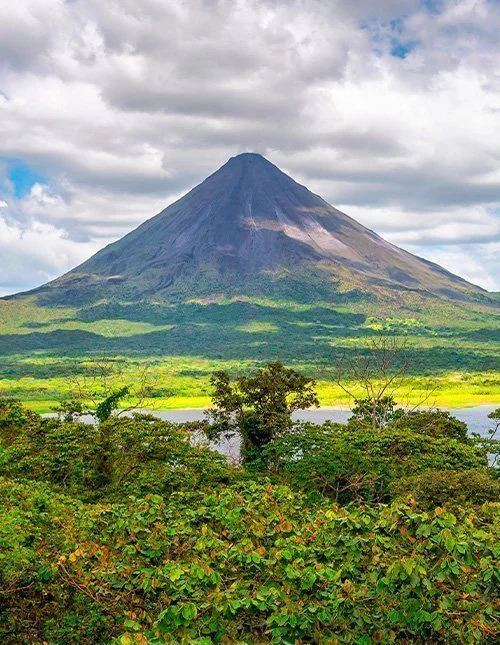
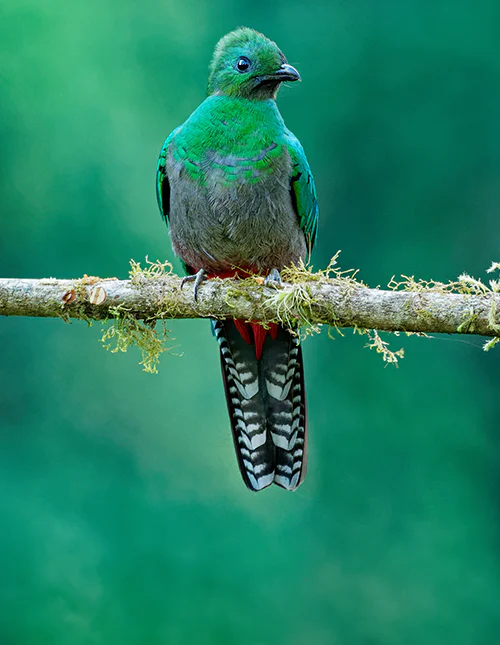
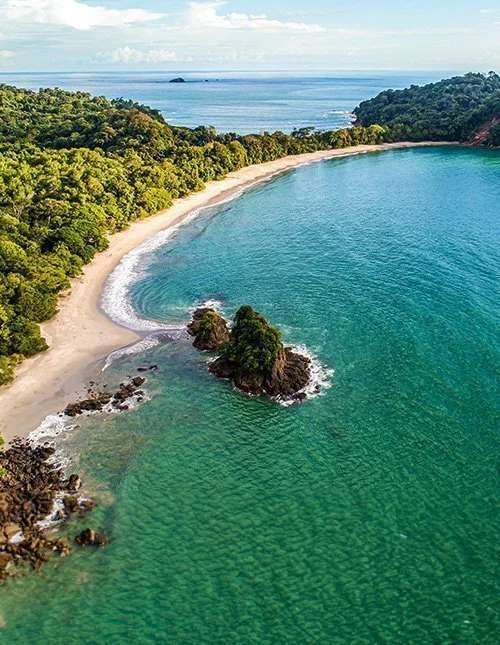
Picture a country where the morning mist gently wraps around majestic mountains, soon giving way to sunbeams that dance across lush, green rainforests.
Costa Rica’s climate sets the perfect stage for some of the world’s most spectacular natural experiences, and it plays a big part in shaping the adventures you’ll have on your tour.
This guide covers everything you need to know about the weather in Costa Rica, including both regional and monthly variations, so you can choose the best time to visit — whether you dream of golden sandy beaches, verdant rainforests, remarkable wildlife encounters, or simply a wonderful mix of it all.
Please note that weather can be full of surprises. The guide below is based on historical patterns, but you might still experience showers during the dry season or dry spells in the rainy season.
When is the best time to visit Costa Rica?
The best time to visit Costa Rica is during the dry season from December through April, when the weather is warm, sunny, and dry across much of the country. This is the perfect time to relax on the beach, hike in national parks, and explore Costa Rica’s amazing wildlife.
But Costa Rica is also a year-round destination, and the rainy season from May through November offers its own unique advantages — for instance, lush green landscapes, fewer visitors, and extraordinary wildlife encounters.
Costa Rica’s climate and seasons

Located in Central America, Costa Rica enjoys a tropical climate, with warm temperatures and the chance of rain throughout the year.
While Costa Rica is relatively small, the weather varies greatly depending on where you are, thanks to its diverse climates. The country is divided into western Costa Rica, facing the Pacific Ocean, and eastern Costa Rica, bordered by the Caribbean Sea, with mountain ranges running through the center (the Cordillera Central and the Cordillera de Talamanca) separating the two. These mountains create clear distinctions in climate: on the Pacific side, you’ll find well-defined wet and dry seasons, while the Caribbean coast tends to see rainfall year-round.
Find weather charts for every region on our practical information page.
Weather along the Pacific and in central Costa Rica

The regions along the Pacific coastline have clearly defined seasons (with local variations), marked by distinct wet and dry periods.
The dry season runs from December through April and is called verano — Spanish for summer.
This season is characterized by warm temperatures and little to no rainfall. Between December and March, the northwestern Pacific coast can experience strong trade winds, which may make the sea choppier.
The rainy season stretches from May through November and is known as invierno — Spanish for winter.
This period is also called the green season, as the rainfall transforms the landscape into a lush, vibrant environment. While there may be the occasional all-day downpour, rain usually falls at about the same time each day, making it easier to plan your activities around the weather.
Below, you’ll find an overview of the key regional differences:
- The northern lowlands (e.g., Arenal Volcano and La Fortuna): A lush area that gets rain year-round. February through April are among the driest months, but even then, there’s still a fair amount of rain.
- The northern Pacific coast (Guanacaste, e.g., Tamarindo and Sámara): A dry, tropical savanna climate with warm temperatures all year round. The dry season runs from December through March, followed by rain from May through November. In July–August, there is often a stretch of dry weather known as the veranillo. This region can also experience strong trade winds during the dry season.
- The central Pacific coast (northern Puntarenas, e.g., Manuel Antonio): A warm and humid climate with extensive rainforest. This area has a short dry season between January and March, and is generally wetter than Guanacaste but drier than the Osa Peninsula.
- The Osa Peninsula (southern Puntarenas, e.g., Drake Bay and Corcovado National Park): A tropical rainforest with high temperatures and heavy rainfall. This area is among the wettest places in Costa Rica. Rainfall is at its lowest during the dry season from January through March.
- The Central Highlands (e.g., San José): The region enjoys a mild climate year-round, with noticeably cooler temperatures due to the altitude (between 600 and 2,500 meters). The dry season runs from December through March, while the rainy season lasts from May through October, although there is often a brief stretch of drier weather at the end of June (veranillo de San Juan).
- Monteverde and the Tilarán Mountains: This area is characterized by cloud forests and rainforests, offering a cooler, moist climate. Heavy rainfall is common, and fog is frequent throughout the year. The relatively driest period lasts from December through April, while September and October are typically the wettest months. Occasionally, rain and wind can cause activities in Monteverde’s treetops to be canceled or postponed, as the unpredictable weather can make them difficult to carry out
The weather along the Caribbean coast

The Caribbean coast (e.g., Tortuguero and Puerto Viejo de Talamanca) has a slightly different weather pattern from the rest of the country.
The area has a warm rainforest climate, with rainfall throughout the year. However, there are two periods when the weather tends to be somewhat drier than in the other months: February–March and September–October. The wettest months usually fall between November and January, when the rest of the country experiences dry weather.
Seasons in Costa Rica — what can you expect?

Each season in Costa Rica offers its own unique advantages, and the best time for your tour depends on the kind of experiences you’re looking for. Here’s a quick overview.
Dry season (December–April)
- Sunny and warm weather
- Ideal conditions for a beach vacation and walking tours
- Drier trails in the national parks and better views of the volcanoes
Rainy season (May–November)
- Lush, green landscapes
- Opportunity to see turtles in Tortuguero
- Lower prices and fewer visitors
Tip: In July and sometimes August, there’s a brief stretch of more settled weather, known as the “veranillo” — a little summer right in the middle of the rainy season.
Want to know exactly what the weather is like each month? Read on below.
The weather in Costa Rica by month
The weather in Costa Rica doesn’t just vary from month to month — it also differs from region to region. Below, you’ll find an overview of the month-by-month climate around the country, making it easy to choose the perfect time for your trip based on your preferences and interests:
January in Costa Rica

January in Costa Rica brings dry, sunny weather to much of the country.
It’s a popular time to visit, especially for travelers looking to combine beautiful beaches with nature encounters and cultural experiences.
The Caribbean coast, home to places like Tortuguero and Cahuita National Park, gets considerably more rainfall than the rest of Costa Rica, and January is among the wettest months in this part of the country.
February in Costa Rica
February is one of the driest months across Costa Rica, making it ideal for both hiking in national parks and unwinding on the coast. For example, visit the stunning Arenal Volcano, where your chances of catching a clear view of the summit are better during the dry season.
Temperatures are pleasant, and the landscapes stay lush and green after the rainy season ends in November in western Costa Rica. The dry weather makes this a great month to explore national parks such as Manuel Antonio or the geothermal areas of Rincón de la Vieja.
On the Caribbean coast, there is a little less rainfall than usual, and February is considered one of the driest months of the year in this region. February also marks the start of nesting season for Costa Rica’s largest sea turtle, the leatherback, which begins to lay its eggs along the Caribbean shores — for example, on the beaches of Tortuguero National Park. If you visit between February and June, you might be lucky enough to catch a glimpse of them on the beach.
March in Costa Rica
The stable weather continues into March, bringing dry days and plenty of sunshine. March is among the driest months of the year, especially along the Pacific coast and in the central highlands. If it does rain, it usually comes as brief, local showers that pass quickly.
On the Caribbean coast, the first of the year's drier periods (February through March) continues, although you should still expect some rain in this region.
April in Costa Rica

April marks the end of the official dry season on Costa Rica’s Pacific side. In many regions, this month is a transitional period leading into the rainy season — you can expect more rain than in previous months, though not as much as in the months to come.
April is one of the hottest months in Costa Rica, with temperatures reaching their peak, especially in the lower-lying areas, such as around Arenal.
This is an excellent time to make the most of sunny days at Playa Sámara or set off on hikes through Manuel Antonio National Park before the rainy season fully arrives. In Corcovado National Park on the Osa Peninsula, the wet season has already begun, but the park remains as breathtaking as ever and is always well worth a visit.
May in Costa Rica
By May, the rainy season is in full swing, ushering in the start of the green season, when the landscapes become increasingly lush and vibrant.
The weather can be relatively dry in the early part of the month, with rainfall picking up as May draws to a close. Showers typically fall in the late afternoon, which means there are still plenty of dry hours to explore Costa Rica’s many attractions. For example, visit Monteverde in May — rain is expected here year-round, and you’ll avoid the bigger crowds that flock in during the dry season.
June in Costa Rica
As the calendar turns to June, the days are often marked by warm, tropical showers — especially toward the end of the day or in the evening.
At the end of June, the capital, San José, may get a brief break from the rain when the "little summer," Veranillo de San Juan, makes its appearance.
This is an excellent time to explore the national parks, which are lush and teeming with life. From around June to December, the olive ridley turtle begins nesting along the Pacific coast. At this time of year, you might just witness the renowned phenomenon known as the “arribada” — Spanish for arrival — when thousands of turtles come ashore at the same time to lay their eggs. The best chance to see this spectacle is between June and December.
July in Costa Rica

In Costa Rica, July is synonymous with a weather phenomenon called "veranillo," meaning little summer.
For a few weeks between July and August, rainfall drops significantly and the days bring more sunshine, particularly along the Pacific coast.
Along the Caribbean coast, July tends to be rainy; however, it also marks the beginning of the nesting season for the green sea turtle (July through October). If you're lucky, you might witness these majestic creatures coming ashore to lay their eggs in Tortuguero.
From July through November, humpback whales migrate from Antarctica to Costa Rica's warm waters to give birth. They often travel close to the coastline, so you might be fortunate enough to spot them from land.
August in Costa Rica
When the "veranillo" period comes to an end in July or perhaps in August, the more changeable rainy weather pattern returns. It's much like the weather in June, with afternoon showers, but there are still plenty of opportunities for outdoor adventures in the mornings.
On the Caribbean coast, in places like Tortuguero or Puerto Viejo, August can be drier than the months before it as September and October approach, traditionally the driest months in this region.
September in Costa Rica

September is often one of the wettest months on the Pacific coast (Sámara, Manuel Antonio, Corcovado National Park), but at the same time, it’s usually among the driest on the Caribbean side.
Thanks to the rainfall, national parks such as Manuel Antonio, Monteverde, and Corcovado are especially lush and vibrant at this time of year.
October in Costa Rica
October is much like September, with heavy rainfall continuing across most of the country.
The intense rains make some national parks harder to access; for example, Corcovado National Park is closed in October due to the weather.
That said, these months are ideal for bird lovers, and October is one of the best times of year to see migratory birds making their way to Costa Rica’s national parks.
Along the Caribbean coast, you can still enjoy sunny days and drier weather. It’s also peak season for turtle spotting in Tortuguero.
November in Costa Rica
November marks the end of the rainy season along Costa Rica’s Pacific coast.
The weather starts to settle, making it a great month to visit Costa Rica if you want to avoid the high-season crowds while still enjoying pleasant weather.
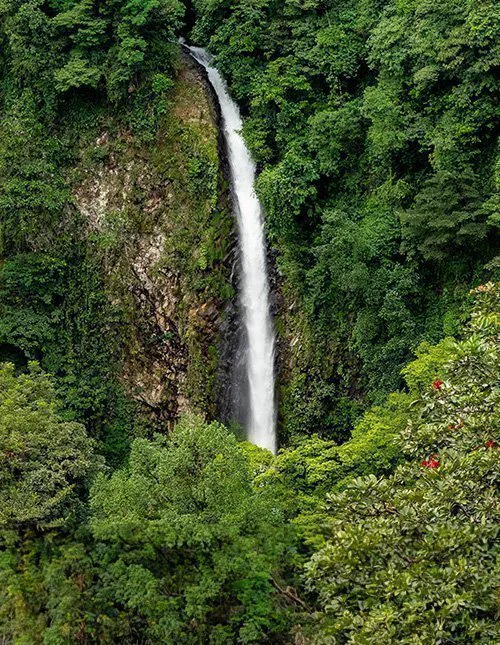
For example, you can experience the stunning La Fortuna waterfall, which is at its most powerful after several months of rain. It’s also the perfect time to relax in the hot springs, with far fewer people around.
On the Caribbean coast, this is when the period of heaviest rainfall begins. Most of the rain falls in the early morning and late at night.
December in Costa Rica

December is when the Pacific side of Costa Rica really shines, as the dry season gets underway in earnest. It’s one of the most popular months for tours to Costa Rica.
The landscapes stay lush and green after the rainy season, but rainfall becomes less frequent in most areas, making the weather ideal for a beach vacation on the country’s many beautiful shores.
Along the Caribbean coast, December is one of the wettest months of the year, but as always, the spectacular nature and wildlife are simply unrivaled.
Have you found the best time to visit?

A tour to Costa Rica offers a wealth of nature experiences, from breathtaking scenery with towering volcanoes and enchanting cloud forests to gorgeous sandy beaches, not to mention the country’s unmistakably exotic plants and wildlife.
Each region has its own unique attractions, and no matter when you choose to travel, you’ll be surrounded by Costa Rica’s natural splendor.
Are you ready to experience the magical nature of Costa Rica with your own eyes? Get in touch with our travel specialists today for expert help finding the perfect time to set off on your dream tour.
TourCompass – From tourist to traveler