With its unique nature, exotic wildlife, and breathtaking landscapes, Madagascar attracts adventurous travelers year-round.
But when is the best time to visit Madagascar?
Below, you’ll find a helpful overview of the weather in Madagascar and the best time to visit.
Weather and climate in Madagascar

Madagascar is located 400 km off the southeast coast of Africa in the Indian Ocean.
The country has a tropical climate, broadly divided into two seasons.
- Dry season (winter): May through October — cooler and more comfortable temperatures
- Rainy season (summer): November through April — warmer and more humid, with a chance of rain
Because Madagascar is in the Southern Hemisphere, the island’s coldest months are the opposite of those in the United States. They have summer while we have winter. However, temperatures vary with altitude. The coastal areas are generally warm year-round, while the highlands, especially around Antananarivo, can be significantly cooler at night, particularly during the winter months.
Cyclone season
The cyclone season in Madagascar runs from January through March. During this time, there is a risk of tropical storms, which can bring strong winds and heavy rain, especially in the eastern and northern parts of the island. These areas should be avoided during these months.
If you travel during the cyclone season, head to central and southern Madagascar, where the weather is typically more stable. Here, you can discover places like Anakao, Ifaty, Toliara, Andasibe-Mantadia National Park, and Isalo National Park, which are fantastic destinations year-round.
Winter and dry season in Madagascar

The cold, dry season — Madagascar’s winter — runs from May through October and is generally the most popular time to visit Madagascar.
Temperatures, however, aren’t like the winter temperatures many of us know back home. The days are pleasantly warm, while it can get chilly in the mornings and evenings.
In the winter months, the humidity and temperatures are lower and more pleasant than in the hot, wet season, and there is less rainfall.
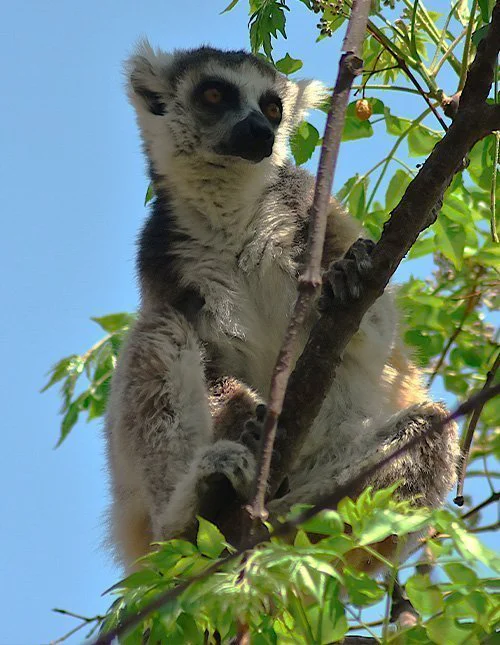
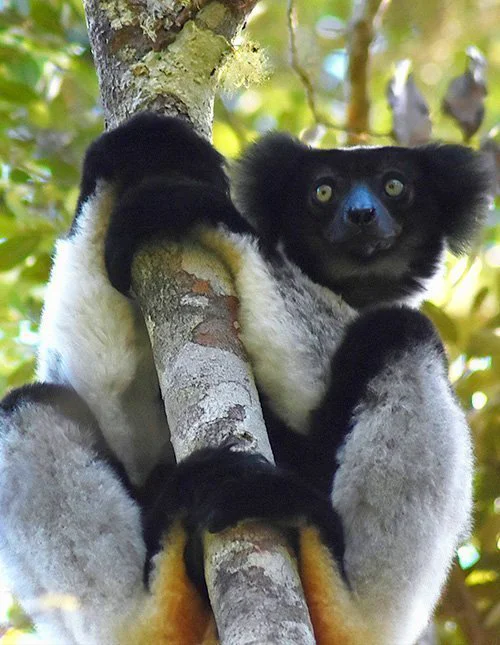
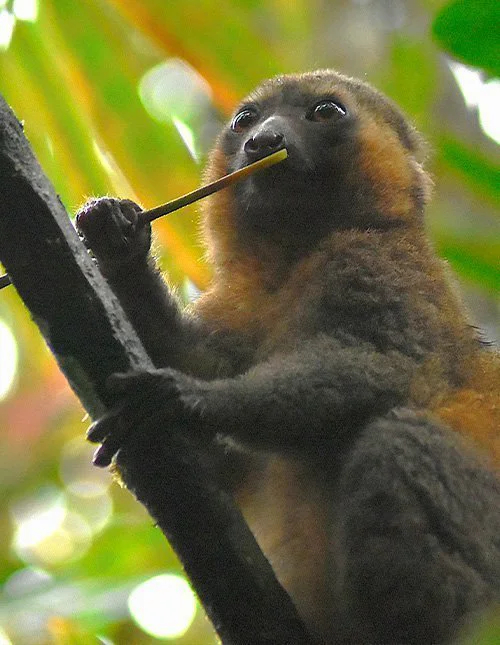
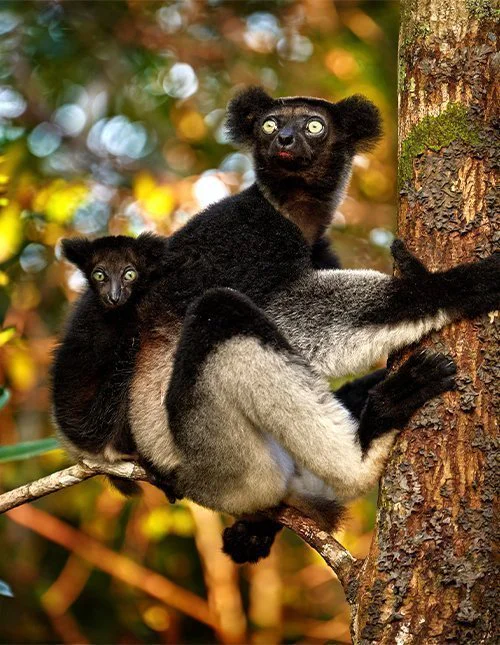
The dry weather makes it easier to explore the national parks, as the trails are less likely to be muddy. Many lemurs give birth during the dry season, and September and October are especially good times if you want to see these playful little creatures. What’s more, whale season runs from June through September, when humpback whales can be spotted from the coast in several parts of the waters around Madagascar.
The dry season is also perfect for snorkeling — for instance, at the reef around Nosy Be — as the sea is calmer and the visibility is good.
Benefits of traveling in the winter months
- The dry weather provides excellent conditions for exploring national parks, where the trails are not muddy.
- Most lemurs can be seen year-round, but the late winter months are ideal for spotting young lemurs.
- It's whale season from June through September, and in several places, you can see humpback whales from the shore.
- Excellent underwater visibility offers great conditions for snorkeling, such as around Nosy Be.
Summer and rainy season in Madagascar

The warm, wet season — Madagascar's summer — stretches from November through April.
Madagascar's summer is characterized by warm temperatures, high humidity, and more rain.
Rain typically falls as brief, heavy showers late in the day or at night, so there are still plenty of dry hours to explore the island. Although the cyclone season prevents visits to the eastern and northern parts of the island between January and March, the rest of Madagascar is still worth visiting during these months.
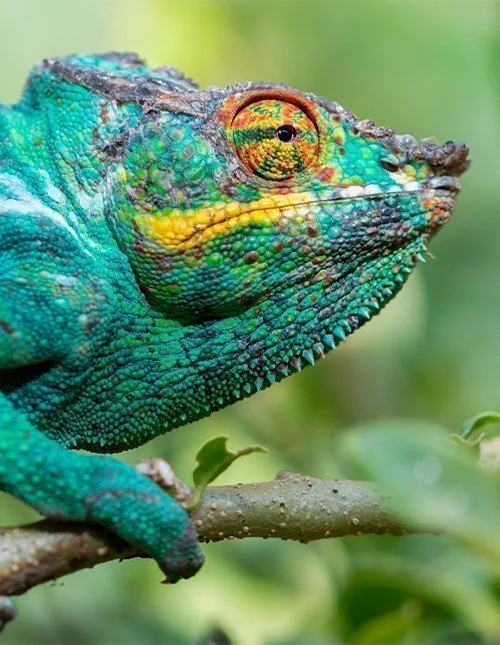
In the summer months, the landscapes are greener and lusher. This is when wild orchids start to bloom, which you can see, for example, in Isalo National Park or Andasibe-Mantadia National Park. Wildlife becomes more active, and you might spot colorful chameleons emerging from their hiding spots during the summer months because they thrive in warmer, more humid weather. These months are also excellent for birdwatching, as many birds arrive to breed in the rainy season. This also means they sing more loudly, making them easier to spot.
Advantages of traveling in the summer months:
- See the wild orchids blooming in the national parks.
- More active wildlife in the national parks, including reptiles, insects, and mammals.
- Rushing waterfalls, fed by the rains, such as those in Andasibe-Mantadia.
- Fewer travelers, since it's the low season.
So when should you travel to Madagascar?

For many, the dry season from May through October is the best time to travel to Madagascar.
During this period, the weather is more pleasant and ideal for exploring the country’s beautiful national parks, diving into Madagascar’s historical and cultural sites, and experiencing the island’s fascinating wildlife.
Although the dry season is the most popular time to visit, the rainy season also has its benefits. Traveling between November and April lets you experience Madagascar at its most lush and colorful, with extra-active wildlife and stunning waterfalls.
Whenever you choose to travel to Madagascar, you’re guaranteed a unique tour filled with natural wonders, rare species, and unforgettable adventures. Not sure about the best time to go? Our travel specialists are here to help you find the perfect time so you can make the most of your adventure in Madagascar.
TourCompass – From tourist to traveler