Sun-baked desert landscapes, sun-drenched coastlines, and snow-capped peaks. Morocco is a land of dramatic contrasts that awakens the senses and captivates every visitor.
But when is the best time to tour Morocco?
The best time to visit Morocco is in spring (March through May) and fall (September through November), when the weather is pleasant across the cities, mountains, and the desert.
In this blog post, we’ll guide you through Morocco’s climate and seasons, so you can easily find the time that works best for your tour.
Morocco’s climate

Located in northwest Africa, Morocco is a remarkable country with great geographical diversity, offering coastal, desert, and mountain regions. As a result, the climate varies significantly depending on where you are in Morocco.
In the north of the country, which borders the Mediterranean, a classic Mediterranean climate prevails, with hot, sunny summers and mild, rainy winters. Along the west coast, the Atlantic’s cool currents moderate temperatures, creating a more temperate climate with mild summers and mild winters.
The inland and southern parts of the country, which border the Sahara, are dominated by a desert climate. The weather is hot and dry year-round, and especially in summer, temperatures often climb above 40 degrees.
In the mountain regions, which cover large parts of the country, the mountain climate brings more rainfall and cooler temperatures that drop as the altitude rises. In winter, it can get so cold at higher elevations that the peaks are often covered in snow. It’s a surprising sight on a continent like Africa, which is more often associated with scorching heat.
In short: northern Morocco and the coasts are mild and pleasant; the interior and the Sahara are extremely hot in the summer; and the mountains can be surprisingly chilly in winter.
The best time to travel to Morocco

If you're looking for comfortable temperatures and good conditions for exploring the whole country, spring and fall are the best times to travel to Morocco.
During these months, you'll avoid the scorching summers in the country's interior and southern regions as well as the snowy winters in the mountains.
But with a climate that ranges from cool coastal breezes to searing desert heat, the best time to go also depends a great deal on which parts of the country you'd like to visit on your tour — and every season has exciting experiences in store.
Morocco's seasons
Generally speaking, Morocco has the same seasons as North America:
- Spring: March through May
- Summer: June through August
- Fall: September through November
- Winter: December through February
However, the seasons can feel very different depending on where you are in the country.
Spring (March through May): mild weather and nature in bloom

Spring at a glance: spring is ideal if you’d like to combine mild temperatures with adventures in the Sahara, beautiful mountain landscapes, and time to explore the vibrant cities.
Spring (like fall) is one of the best times to visit Morocco. As the cool winter temperatures gradually fade and the warmth returns, the country offers ideal conditions for adventure, whether you’re in the mountains, the desert, or on the coast.
If you dream of exploring the rolling dunes of the Sahara Desert, with the sun casting its warm glow over the golden sands and the landscape stretching as far as the eye can see, spring weather is made for it. The pleasant temperatures are also perfect for exploring Morocco’s fascinating attractions, such as the ruined city of Volubilis, which offers a compelling glimpse into Morocco’s past as a Roman province.
Spring is also ideal if you want to dive into Morocco’s lively cities before the notorious summer heat sets in. For example, feel the vibrant energy in Marrakech’s labyrinthine streets, or experience the famous Sufi festival in Fez, where music and spirituality come together in a feast for the senses.
3 advantages of touring in the spring months:
- The chill of winter fades, and the weather gradually warms up
- Ideal conditions for exploring the country, such as the Sahara, the Atlas Mountains, or its lively cities
- The chance to experience the famous Sufi festival in Fez
Summer (June through August): warm days and a vibrant cultural scene

Summer at a glance: Summer is a great choice if you’re dreaming of coastal towns, beach days, and music festivals, and you’re ready for the heat to get much more intense inland.
Summer in Morocco brings intense heat, with temperatures in some parts of the country climbing above 40°C. If you'd rather avoid the scorching heat and a sweaty brow, your best bet is the coast, where a fresh sea breeze keeps things far more comfortable.
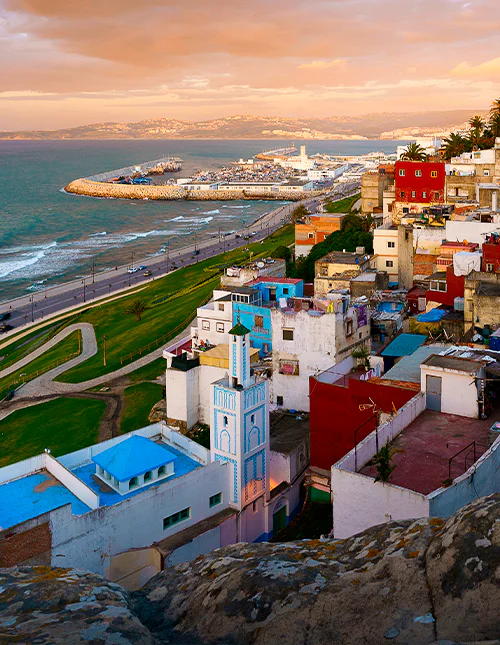
The coast offers more than a pleasant climate; its charming harbor towns enchant visitors with sweeping sea views and a vibrant culture. For example, visit the capital, Rabat, where history and elegance go hand in hand, or Tangier, where a laid-back bohemian vibe meets the blue hues of the Mediterranean.
The summer months also bring a wealth of music festivals to Morocco's cities, when the streets fill with lively rhythms and a festive atmosphere. For example, you can visit the Jazzablanca Festival in Casablanca for soul, funk, and jazz music, or the Fez Festival of World Sacred Music, which captivates audiences with spiritual sounds from around the globe.
3 advantages of touring in the summer months:
- Milder temperatures along the coast
- Ideal conditions for relaxing days on the country's beaches
- Peak season for many music festivals
Fall (September through November): pleasant temperatures and cultural experiences

Fall at a glance: Fall is perfect if you want to travel in comfortable temperatures, experience the Sahara without the most intense heat, and enjoy fascinating cultural experiences with festivities and harvest festivals.
Like spring, fall in Morocco brings superb weather for traveling. At this time of year, you can still bask in the sunshine, but without the intense heat of the summer months. That means you can explore the country in much more comfortable temperatures.
You can, for example, dive into Morocco's colorful cities, alive with exotic scents and a vibrant buzz, or cross the beautiful Atlas Mountains, where spectacular views will take your breath away. Starting in October, the searing temperatures in the Sahara Desert ease, inviting thrilling adventures among the golden dunes.
Fall also marks the start of Morocco’s date season, celebrated with small local harvest festivals where you can sample the sweetest, freshly picked dates straight from the source.
3 advantages of touring in the fall months:
- Plenty of sunshine and pleasant temperatures
- Ideal conditions for exploring the country’s highlights, such as the Atlas Mountains and the Sahara Desert
- The chance to celebrate the date harvest
Winter (December through February): escape the heat and have Morocco almost to yourself

Winter at a glance: Winter is a great choice if you want to avoid high temperatures, travel outside the peak season, and enjoy cooler days, crisp air, and snow-capped peaks.
If you’re not a fan of high temperatures, winter is an ideal time to visit Morocco. This time of year, the weather is cool, especially in January, when daytime temperatures average between 13 and 17 degrees. In the mountains, temperatures are usually lower, giving you the chance to see snow-capped peaks gleaming in the sunlight.
Sweltering heat isn’t the only thing you’ll avoid when you visit Morocco at this time of year. The winter months (with the exception of late December) are also an ideal time to visit if you want to sidestep the peak-season crowds while enjoying more favorable prices.
Besides being perfect for nights beneath the starry skies of the Sahara Desert, the cooler weather is the ideal excuse to head indoors, for example, to a charming café or a fascinating museum. If you time it right, you may also have the chance to experience the Amazigh New Year, Yennayer. It’s marked with lively celebrations by traditional Amazigh communities across the country.
3 advantages of touring in the winter months:
- Avoid the high temperatures
- Fewer visitors at the attractions and lower prices
- Perfect conditions for indoor activities and the chance to celebrate the Amazigh New Year
Want to experience Morocco?

Whether you’re drawn to beautiful mountain landscapes, relaxing days by the coast, or the feel of the warm desert sun on your skin, you’ll be spellbound when you visit Morocco.
When you travel to Morocco with TourCompass, flights, hotels, transfers, and selected excursions are always included in the price. You can also add extra experiences to your adventure, such as a beach vacation on the coast.
A tour to Morocco is exceptional year-round. Still not sure when to go?
Contact our experienced travel specialists today and let us help you plan your next big adventure!
TourCompass – From tourist to traveler