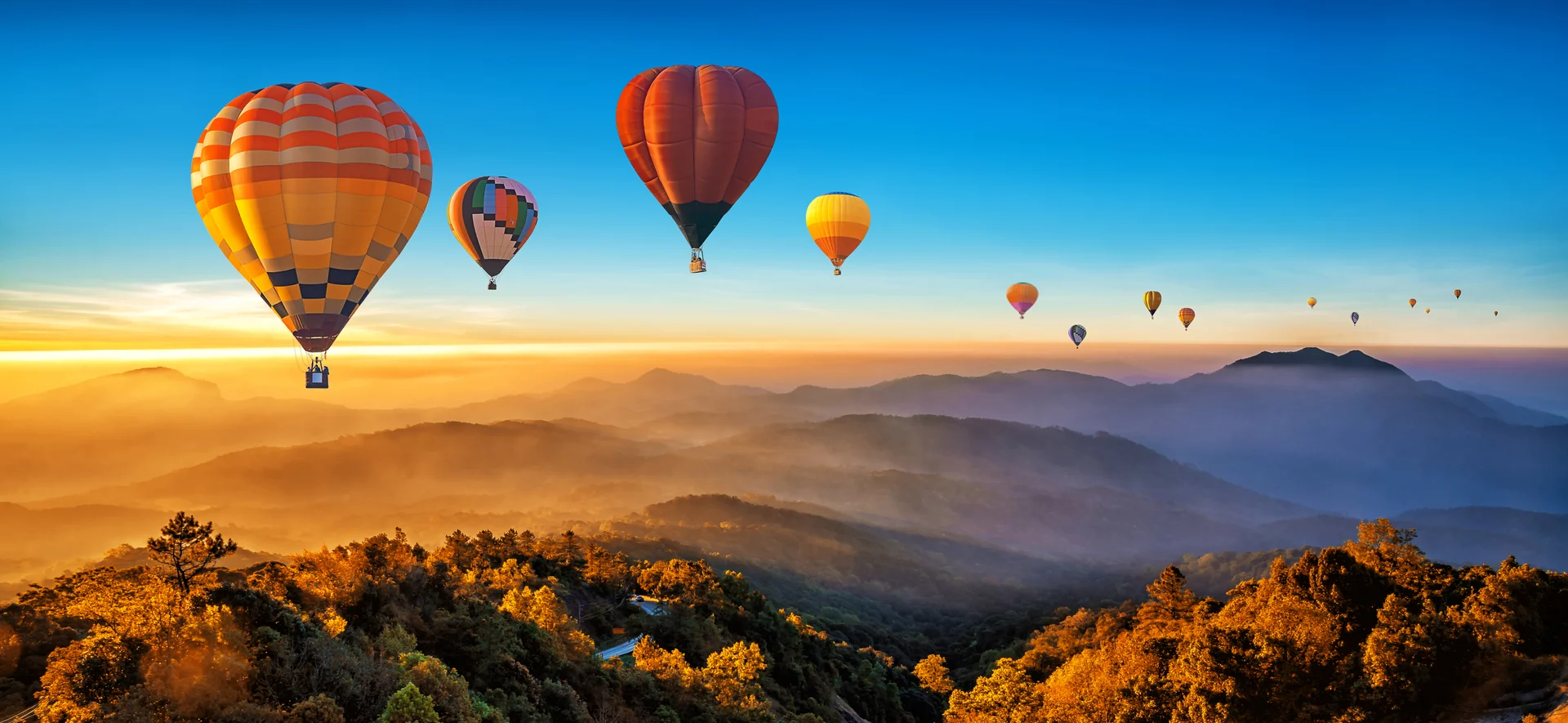
When you visit Uganda, you'll discover a country with a unique blend of nature and culture.
From mountain gorillas to savanna elephants, Uganda offers one-of-a-kind experiences for nature and wildlife lovers.
But when is the best time to visit this fascinating African country?
Please note that the guide below is intended as a general guideline only, and our recommendations may change over time.
The climate in Uganda

Uganda offers unique experiences and exciting wildlife year-round, but to make the most of your trip, it's important to consider the country's climate.
Uganda lies on the equator and has a predominantly tropical climate, with temperatures that vary very little throughout the year. Daytime temperatures are generally between 23°C and 30°C. However, most of the country experiences two dry seasons and two rainy seasons each year.
The dry seasons

Uganda has two dry seasons.
- The first dry season is between December and February
- The second dry season is between June and August
For many people, the dry seasons are the best times to visit Uganda. During the dry seasons, you can expect blue skies, sunshine, and less rain than during Uganda's rainy seasons.
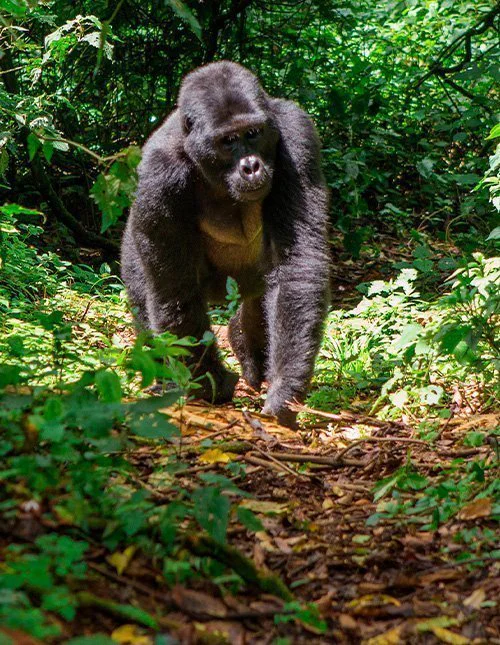
The dry seasons are ideal for seeing mountain gorillas in Bwindi Impenetrable Forest National Park because the trails are dry and easier to hike, and the animals are easier to spot. These are also excellent times for safaris in the country’s national parks, e.g., Lake Mburo National Park and Queen Elizabeth National Park, where you can spot a wealth of wildlife at the waterholes. The start of the year is also a good time to see migratory birds.
3 reasons to travel to Uganda in the dry season
- There is less rain during this period, although you should still expect some
- It’s easier to spot the wildlife in the national parks as it gathers around the waterholes
- Good time for gorilla tracking. It’s less physically demanding since the trails aren’t as muddy
The rainy seasons

Uganda has two rainy seasons
- The first rainy season is between March and May
- The second rainy season is between September and November
Both rainy seasons bring more rain than the other months of the year, but the year’s second rainy season is the drier of the two.
The rain often comes as brief, heavy showers followed by sunshine, which keeps the landscape lush and the wildlife thriving. However, heavy rain can make trails impassable in some places.
The rainy seasons breathe new life into the landscapes. The first rainy season is a great time to witness births in the national parks. Gorilla and chimpanzee tracking is possible year-round, but during the rainy seasons, the trails can be muddier and therefore more difficult to hike.
3 reasons to travel to Uganda during the rainy season
- It’s generally cheaper to travel to Uganda during the rainy seasons
- The first rainy season is especially good for seeing lots of newborn animals
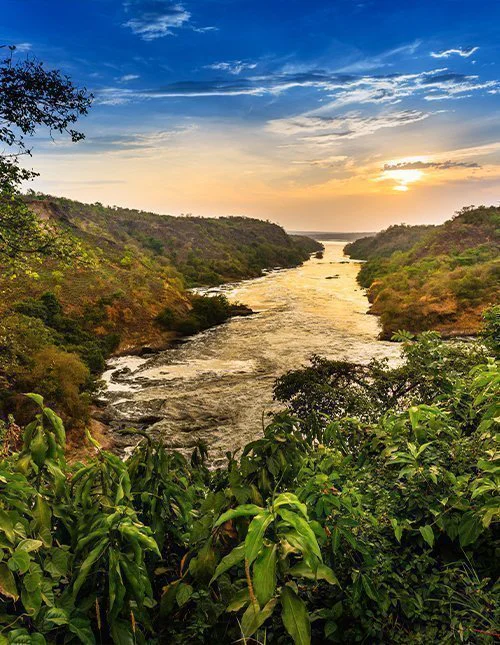
- The rainy seasons (especially toward the end) offer more lush, green landscapes
Uganda is a beautiful destination year-round

Whether you’re an adventurous trekking enthusiast or a dedicated animal lover, Uganda always has something new to discover.
So pack your bags and immerse yourself in the spectacular scenery and wildlife that Uganda has to offer.
TourCompass – From tourist to traveler