Tanzania Safari & Zanzibar Packages
Do you dream of experiencing the ultimate safari destination combined with a beach vacation on an exotic island with white sandy beaches?
Then a trip to Tanzania and Zanzibar is perfect for you!

A safari in Tanzania offers experiences in one of Africa’s best safari destinations, and the combination of Tanzania and Zanzibar is one of our most popular pairings when it comes to safaris and beach vacations.
Here, you get the best of both worlds: an adventurous safari in some of Africa’s most unique safari parks, where you can look forward to experiencing Tanzania’s unique wildlife, e.g., in the Serengeti, Ngorongoro, Tarangire and/or Nyerere National Park, and a beach vacation in the beach paradise of Zanzibar, which invites not only relaxation but also nature and cultural experiences, if you wish.
All tours on this page combine mainland Tanzania with the island of Zanzibar.
The tours include flights (round-trip from the USA, as well as domestic flights during the tour), transfers at the destination, accommodations and planned excursions, including game drives. If you prefer to arrange your own flights, just let us know when you ask for a quote.
What the tours themselves include varies, and we offer tours to both northern and southern Tanzania. Read more about some of the highlights below:
On most of our tours combining a safari in Tanzania & a beach vacation in Zanzibar, you’ll visit Serengeti National Park. The Serengeti is one of Tanzania’s most popular national parks, and it’s easy to see why. Most people are blown away by their first encounter with the Serengeti.
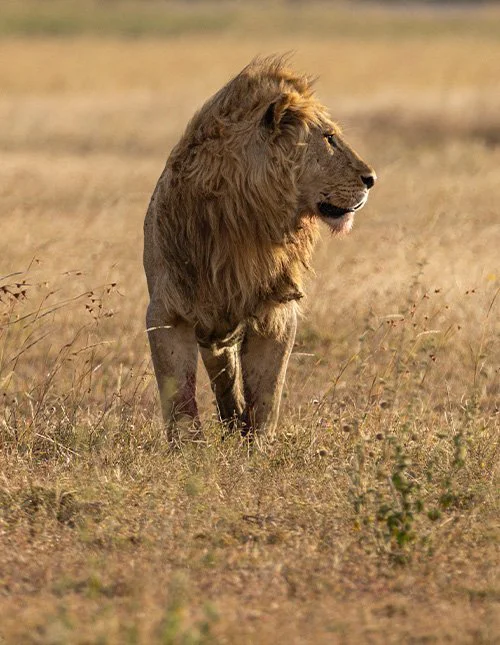
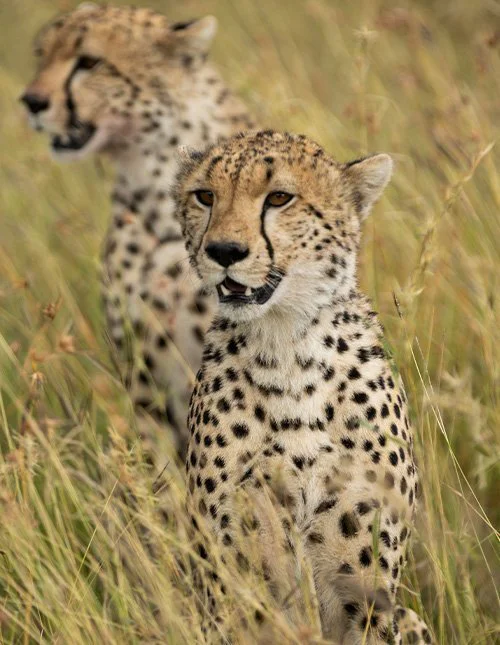
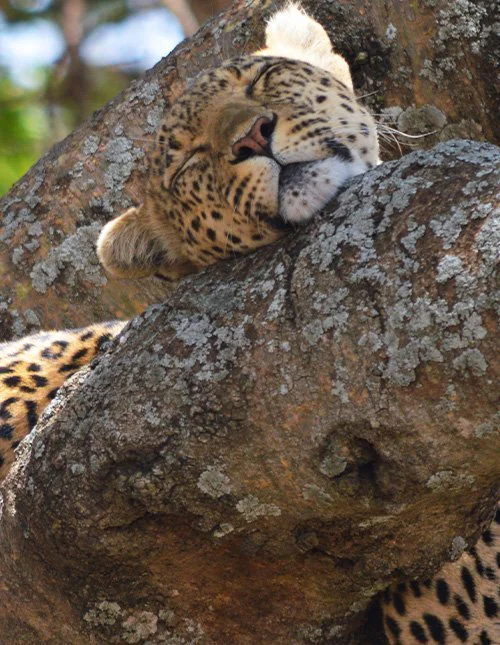
There are more animals here than you can imagine: wildebeest, zebras and Thomson’s gazelles make up the Great Migration, plus the Big Five, giraffes, hippos, warthogs, ostriches, hyenas, cheetahs, wild dogs and more than 500 different bird species. You don’t have to search for the animals in the Serengeti — they’re everywhere.
And then there’s the Serengeti wilderness. Hills with dense vegetation, waterholes surrounded by animals that have come to drink, the kopjes — solitary rock formations that rise up from the landscape — and the plains. The endless plains that stretch all the way to where the sky begins.
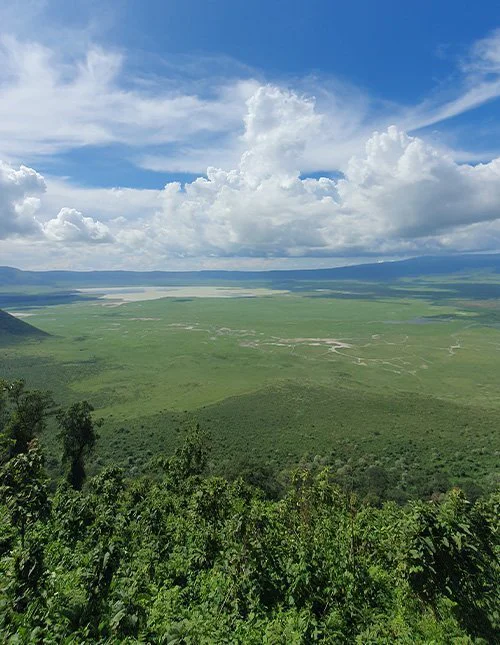
The Ngorongoro Crater is located in the Ngorongoro Conservation Area and is the world’s largest caldera, formed by a volcanic eruption 2 million years ago.
The volcanic crater covers more than 100 sq mi (260 km2) and is about 2,000 ft (610 m) deep, and it’s hard to imagine just how vast and amazing it is until you’ve driven down the crater rim toward its truly unique landscapes.
The Ngorongoro Conservation Area is a UNESCO World Heritage Site. The area plays a vital role in protecting the world’s biodiversity, as many endangered species live here, and it also provides a setting for the annual migration of animals such as wildebeest and zebras.
More than 25,000 wild animals live in the Ngorongoro Crater itself, and you can see the Big Five, gazelles, flamingos, hippos and much more. However, you won’t find giraffes in the crater itself, since the walls are too steep for them to make their way down.
Speaking of safaris in Tanzania, Tarangire National Park gets nowhere near as many visitors as its big brother, the Serengeti, which is a shame. Tarangire is not only much more accessible, but it also offers some truly unique safari experiences.
Tarangire National Park is synonymous with elephants and baobab trees. The largest number of elephants in northern Tanzania live here, and the national park is often pictured with elephants standing beneath its beautiful baobab trees.
The Tarangire River flows through the park, bringing life to the surrounding landscape. During Tanzania’s dry season, between June and October, for example, you’ll see lots of elephants coming to the river to drink. The river might look dry, but it isn’t, and the elephants know exactly where to dig for water. The national park is also home to classic safari animals such as hippos, giraffes and lions. And it’s a paradise for bird lovers, with 550 bird species you can check off your list.
Covering an area of 127 sq mi (330 km2) Lake Manyara National Park lies between Tarangire and the Ngorongoro Crater, beneath the western slopes of the Great Rift Valley, and is one of Tanzania’s smallest national parks. The park is famous for its scenic lake, which takes up 89 sq mi (230 km2) of the national park and attracts exceptional birdlife, with more than 400 recorded bird species.
You’re also guaranteed to meet plenty of curious baboons, as the largest concentration of baboons in the world is found here. Lake Manyara is also home to flamingos, elephants, giraffes, buffalo, zebras and antelopes.
Covering an area of ca. 11,600 sq mi (30,000 km2), Nyerere is Tanzania’s largest national park, perhaps better known by its former name, Selous Game Reserve. In 2019, Selous was divided into four sections, with the northern, western and southern sections becoming Nyerere, and the eastern section keeping its original name.
The national park is located in southern Tanzania, and if you’ve been on safari in northern Tanzania before, you’ll enjoy a very different nature experience here. The wilderness is wild and varied, with open plains, swamps, forests and rivers. And because the landscapes are lusher and more diverse, spotting the animals can be more challenging than in the Serengeti, for example. On the other hand, you have some other options here. You can, for example, combine a traditional game drive, where you drive around looking for animals, with a river safari, which gives you the chance to see some other animals up close.
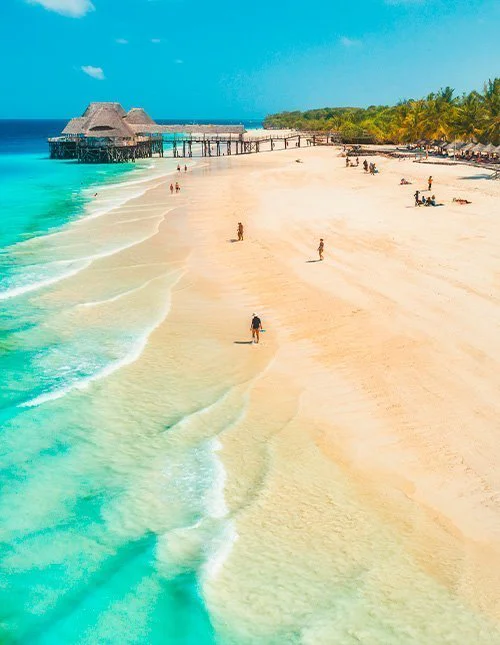
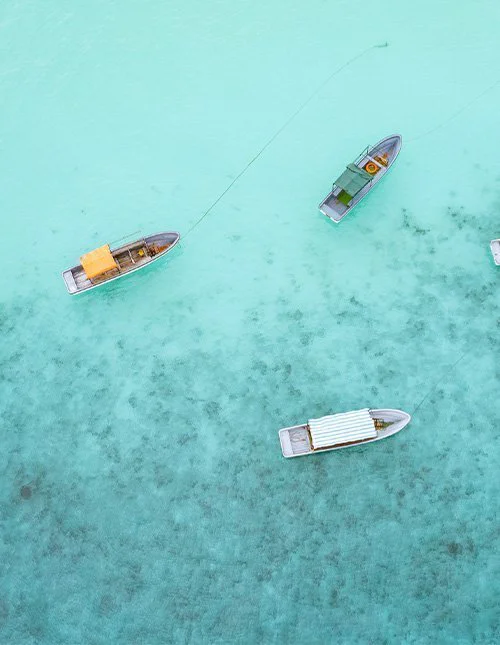
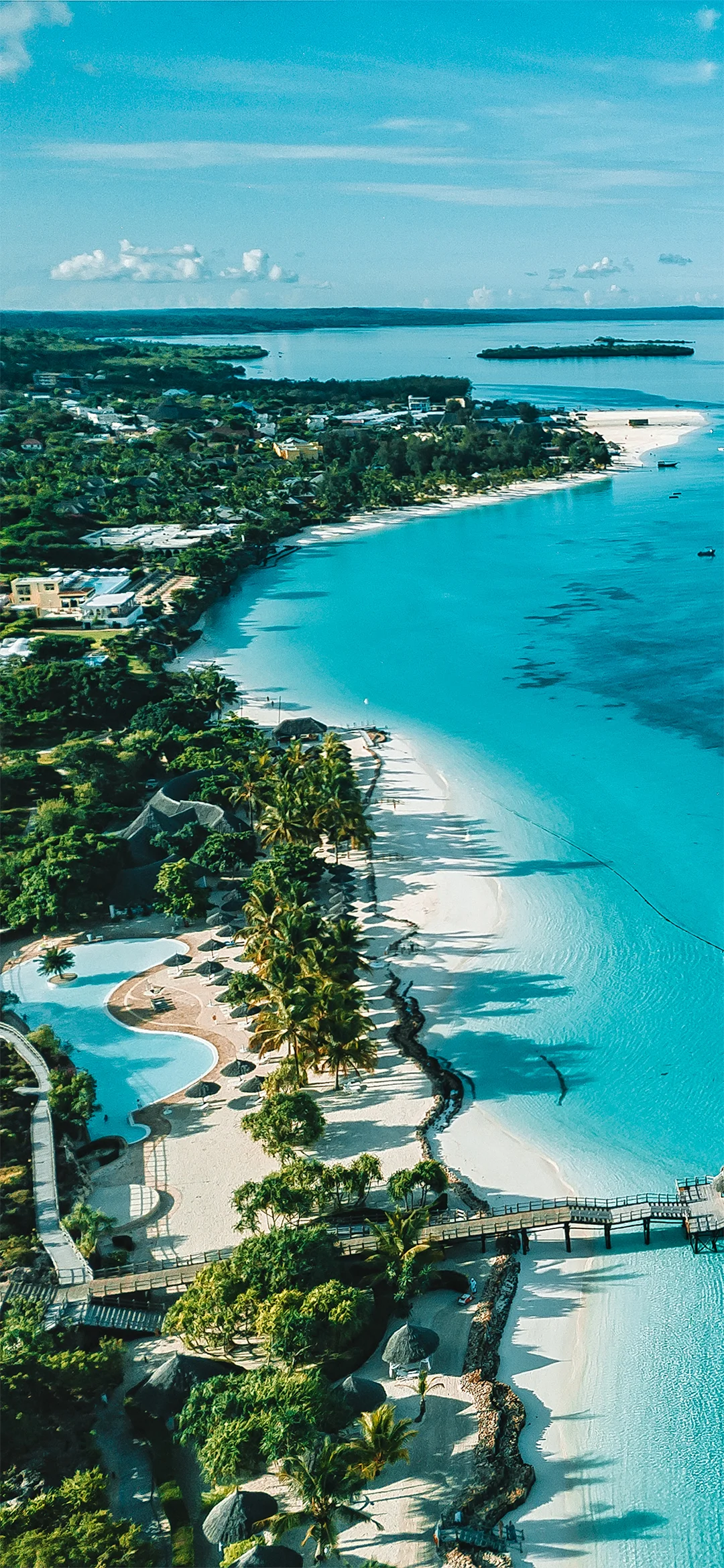
Exotic Zanzibar is one of the ultimate beach vacation destinations, where you can enjoy white sandy beaches, the azure sea and a hot, sunny climate.
Zanzibar is located in the Indian Ocean, close to mainland Tanzania.
In fact, Zanzibar consists of two larger islands, Unguja and Pemba, and lots of smaller ones. When we write about Zanzibar, we’re referring to Unguja, which is also where you’ll find historic Stone Town.
Zanzibar is known for its stunning beaches, azure waters and unique opportunities to relax, whether you start or end your tour here. But your Zanzibar tour can be as relaxing or as active as you like. Zanzibar also offers plenty of experiences if you want to spice up your days with a little culture.
Zanzibar is especially famous for its many different spices — hence the island’s nickname, “Spice Island.” A visit to a spice plantation is a real experience, where you can smell and taste the spices and, above all, learn how they’re grown and used.
You can also visit the scenic Jozani Chwaka Bay National Park, Zanzibar’s only national park. The park is especially known for the red colobus monkey, which is endemic to Zanzibar, but you can also spot bush babies, chameleons and antelopes.
If you’re interested in the traditional way of life in Zanzibar, with its fishing and farming, we recommend visiting some of Zanzibar’s small villages.
In the village of Mchangani, life goes on much as it did a hundred years ago, with the women weaving mats and roofing from dried palm leaves. And in the village of Nungwi, located on what is perhaps Zanzibar’s most beautiful beach, you can watch artisans build traditional dhows using simple tools.
Zanzibar is a paradise for snorkelers. The coral reefs around Zanzibar are home to an impressive diversity of marine life, with 600 different species of fish and 50 different types of coral. Head out on a trip and experience Zanzibar below the water’s surface — for example, at Mnemba Island, a small island northeast of Zanzibar known for its coral reef and colorful fish.
In addition to the above, you can also combine several of our safaris in Tanzania with a beach vacation in Zanzibar, with extra days in Stone Town, Zanzibar’s old town.
Zanzibar’s old town, Stone Town, is a unique place to visit. It’s the cultural heart of Zanzibar and has remained virtually unchanged over the past few centuries. A UNESCO World Heritage Site, the town offers narrow winding streets, local markets, Arabic squares and beautiful mosques.
In the 1800s, Stone Town served as a trading center for several peoples, and over the course of more than 1,000 years, different cultures have left their mark on the town, including Arabs, Europeans, Indians and Africans. Today, all these cultures have merged into one in this fascinating city.
It’s perfectly normal to have a lot of questions when you’re heading off on a trip. Do I need a visa? Where should I stay? What wildlife might I see?
We’ve tried to answer 7 of the questions our guests ask us most often.
Most of our guests consider the dry seasons to be some of the best times to combine Tanzania and Zanzibar, i.e., January–February and June–October.
This is because many people prefer dry weather when they go on a safari or a beach vacation.
However, there are also advantages to traveling outside the dry seasons, e.g., certain periods are less expensive, there are fewer other visitors and the landscape is more lush. Even if you travel during the rainy season, you won’t necessarily get a lot of rain. When it rains in Tanzania, it usually comes as torrential downpours that last only a few hours before clearing up again.
Tanzania is one of the world’s ultimate safari destinations, with countless safari parks, each captivating visitors with its own unique experiences.
Most of our tours head to northern Tanzania, home to Serengeti National Park, the Ngorongoro Crater, Lake Manyara and Tarangire National Park. In southern Tanzania, we offer tours to Nyerere National Park, formerly known as Selous Game Reserve. So where you go depends on what you’d like to experience.
On safari in Serengeti National Park and the Ngorongoro Crater, for example, you can witness the Great Migration. At Lake Manyara, the birdlife is exceptional. Nyerere National Park is Tanzania’s largest national park, and its landscapes are wild in a completely different way. Many of our guests choose tours that combine visits to several parks to get a broader look at Tanzania’s nature and wildlife.
Zanzibar has exceptional beaches, whether you choose to stay in the north, south, east or west.
Zanzibar is affected by the tides, and some beaches more than others. So if you have specific experiences in mind, it’s important to think about where you’d like to stay on the island.
The price of a tour to Tanzania and Zanzibar depends on several factors, including the length of the safari portion. Where would you like to stay in Zanzibar? When would you like to travel? Do you want to purchase optional excursions or upgrade your hotel?
Request a quote for the tour you’re interested in, and you’ll receive a quote in your inbox with your price for the tour.
When you're on safari in Tanzania, you'll typically spend the night in lodges, wild camps or other camps.
A lodge is a kind of cabin, although that doesn't quite do it justice. Lodges can vary greatly in character, but they often have pools, restaurants and other fabulous amenities in common. A wild camp is typically located on the edge of or inside the national parks themselves. The accommodation here consists of permanent, full-height tents with floors. The tents also have a shower and a toilet.
In Zanzibar, you'll stay at beach resorts, i.e., hotels located on one of Zanzibar's fantastic beaches.
Tours include flights, accommodation, transfers between destinations, national park fees, and either breakfast and dinner or all meals. Details and prices vary, so we recommend that you request a quote so you know exactly what the tour costs. If you prefer to book your own flights, we can also provide a quote without flights.
Food is a big part of traveling.
When you’re on safari in Tanzania with a beach vacation in Zanzibar, meals are typically half and/or full board (depending on where you’re staying). The food here is usually adapted to visitors.
A typical day’s menu might look like this:
Breakfast: Eggs, toast and plenty of fresh fruit, as well as tea/coffee and juice.
Lunch: If you’re on a safari/excursion over lunch, you’ll usually be given a packed lunch. If you’re at your lodge/camp/hotel, there’s a buffet that typically includes dishes such as fried chicken or a stew, rice, spinach, steamed vegetables and potatoes. As everywhere in East Africa, there will also generally be a soup as an appetizer.
Dinner: Buffet or à la carte menu, depending on where you are. A buffet typically consists of various meats, vegetables, potatoes and rice — and seafood on the coast.
It’s important that you let us know about any allergies or special preferences when you book your tour.
If you have other questions about our tours, the best time to visit Tanzania and Zanzibar or anything else, feel free to contact us anytime.
We visit Tanzania several times a year, and there’s no question we haven’t heard before — or even asked ourselves.
Going on safari in Tanzania and enjoying a beach vacation in Zanzibar is an amazing experience, and it can be hard to decide which tour is right for you. Not sure which of our Tanzania safaris with a beach vacation in Zanzibar is the right one for you?
It’s always a good idea to start by considering the following:
All these considerations can help you decide what is possible and determine which tour is the right one for you. If you dream of experiencing the Great Migration, for example, it makes no sense at all to choose a tour where it’s not possible to experience it — or to travel at a time when the Great Migration is mainly in Kenya.
But don’t worry — we’re here to guide you! No matter which Tanzania and Zanzibar combination you choose, we can all but promise you’ll enjoy the experiences of a lifetime.
Are you ready for the adventure of a lifetime? We look forward to helping you on your way!
TourCompass – From tourist to traveler
You can check out the itinerary and let your imagination wander through photos and videos of all our tours. You can read more about accommodations, combination options, and all the practical details — and see prices and departure dates for the next 18 months.
Feel free to call or write to us anytime. We're here to answer all your questions, listen to your wishes and give you honest, expert advice based on our extensive travel experience in Africa, Asia, North America, Latin America and Oceania.
You'll receive a detailed quote for the tour that you can save, print or share with your travel companions. If you decide to go ahead and book the tour, you can do so easily right from the quote.

Cat is our Africa specialist. She fell in love with the continent while experiencing everything from safaris to mountain summits, and today she’s passionate about helping others fulfill their travel dreams.