Highlights of South Korea
Journey through the highlights of South Korea and immerse yourself in the country’s rich history and culture, from sites on the UNESCO world heritage list to traditional hanok villages and proud culinary traditions.
Comprehensive package of excursions:
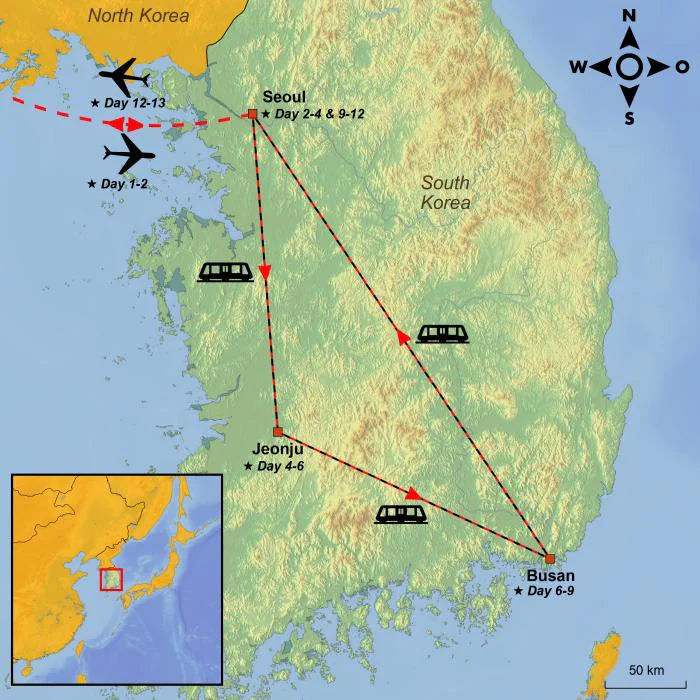
Join us on a tour that takes you from South Korea’s vibrant capital through scenic landscapes to historic cities and the lively southern coastline. Along the way, you’ll gain a deeper understanding of a country where ancient traditions and modern city life go hand in hand, while the natural surroundings add striking contrasts to your experience.
Your tour begins in Seoul, where skyscrapers, royal palaces, and traditional hanok districts create a fascinating blend of old and new. Savour the city’s tempting street food scene in Myeongdong and enjoy time to explore historic neighbourhoods at your own pace, with countless opportunities waiting to be discovered.
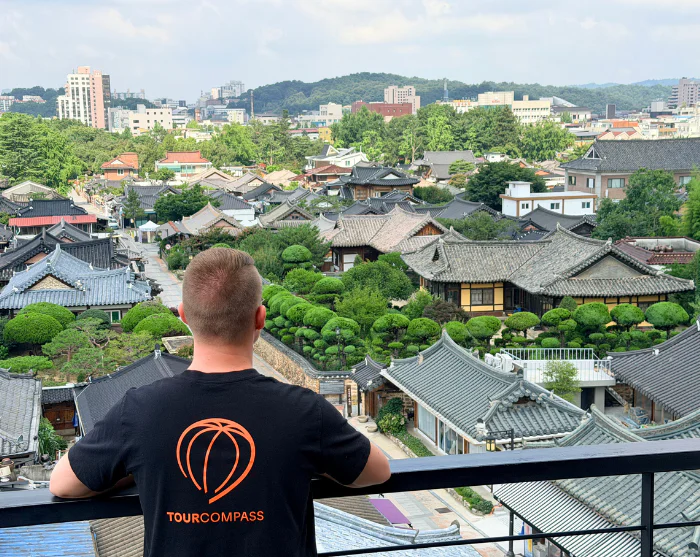
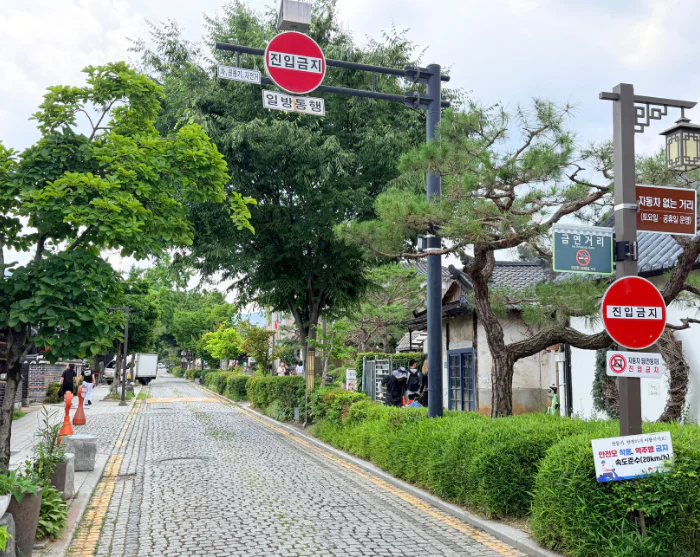
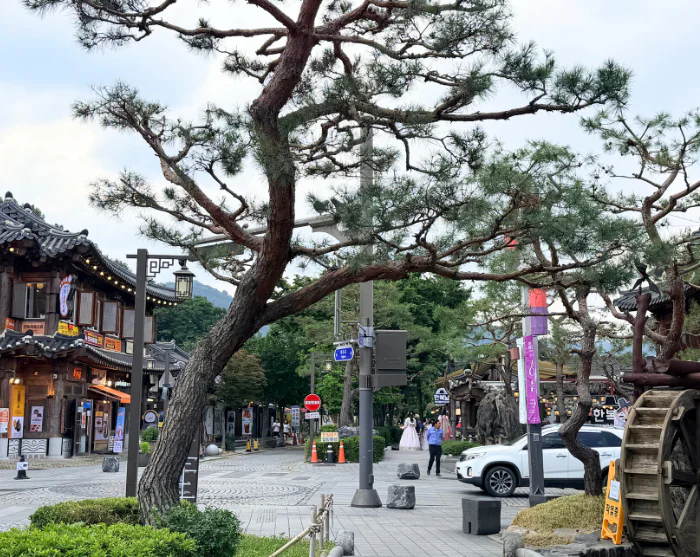
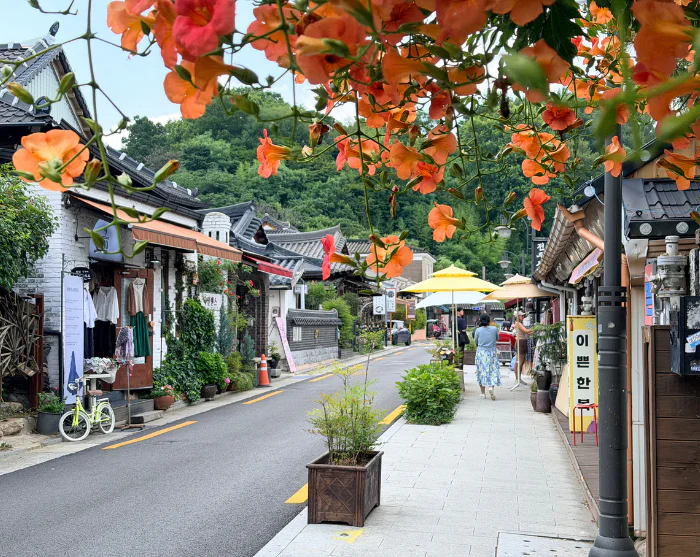
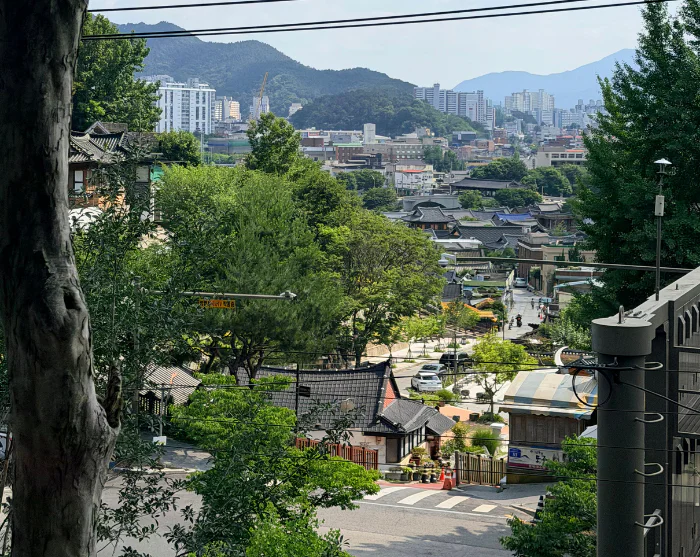
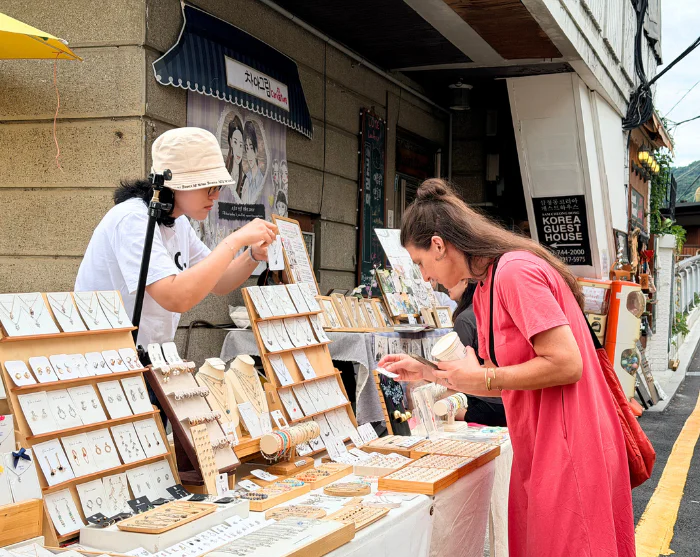
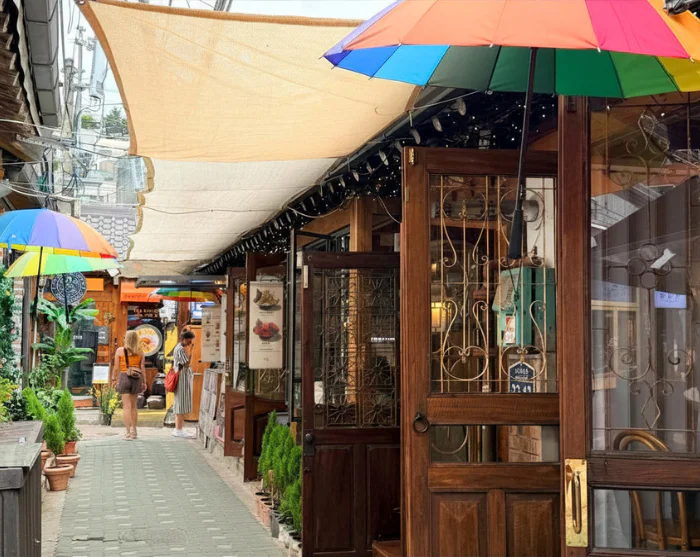
Travelling onwards by high-speed train, you’ll arrive in Jeonju, one of South Korea’s cultural heartlands. The city’s calm atmosphere offers a unique insight into the country’s proud heritage and culinary traditions, recognised by UNESCO for their creativity. Stroll among beautifully preserved hanok houses in South Korea’s largest hanok village, where narrow cobbled streets are lined with charming craft shops and cosy cafés.
You’ll then continue to the maritime city of Busan, where sea, mountains, and urban life merge in a vibrant blend of diverse neighbourhoods. Explore colourful districts, authentic markets, and modern beachfront areas before a full-day excursion takes you north to Gyeongju’s rich cultural heritage. Here, you’ll step back to the glory days of the Silla dynasty, discovering UNESCO-listed temples, burial mounds, and historic monuments.
Your tour concludes in Seoul with a historic and scenic visit to the borderland in the north. Enjoy a walk by a picturesque mountain lake followed by a visit to the Korean Demilitarised Zone (DMZ), where peaceful landscapes and dramatic history come together in a thought-provoking experience – the perfect finale to a tour filled with the very best highlights of South Korea.
Today, you’ll take the first step towards your South Korean adventure. Departure will be from your selected airport, with connecting flight(s) along the way.

Welcome to the Land of the Morning Calm, South Korea.
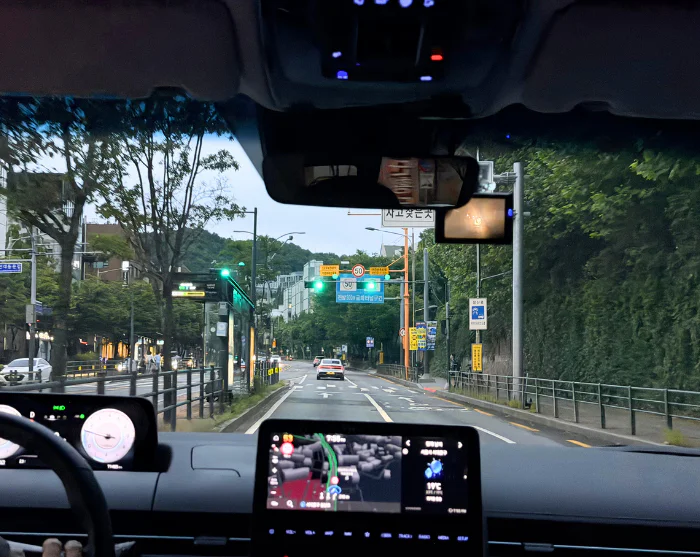
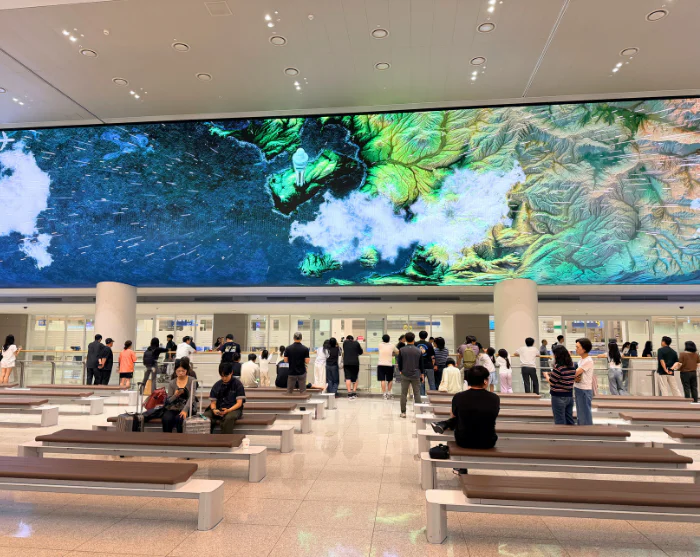
Upon arrival at Incheon International Airport on Yeongjong Island, you’ll pass through immigration before heading to baggage claim. In the arrivals hall, your driver will be waiting to welcome you and ensure your journey begins smoothly and with complete peace of mind.
From Yeongjong Island, west of the mainland, you’ll travel towards Seoul through gently rolling countryside, where bridges link island and mainland and green hills line the horizon. Gradually, the city’s skyline comes into view, with glass-and-steel skyscrapers and broad rivers winding their way through the capital, while the surrounding mountains rise like ancient guardians around the metropolis.
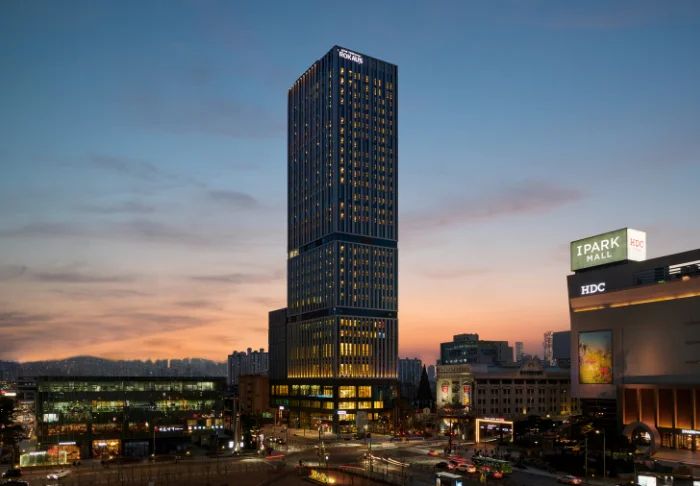
After arriving at your hotel, you’ll check in and have time to settle into your new surroundings. The rest of the day is yours to enjoy at your leisure, so you can see how you’re feeling after a long day of travel.
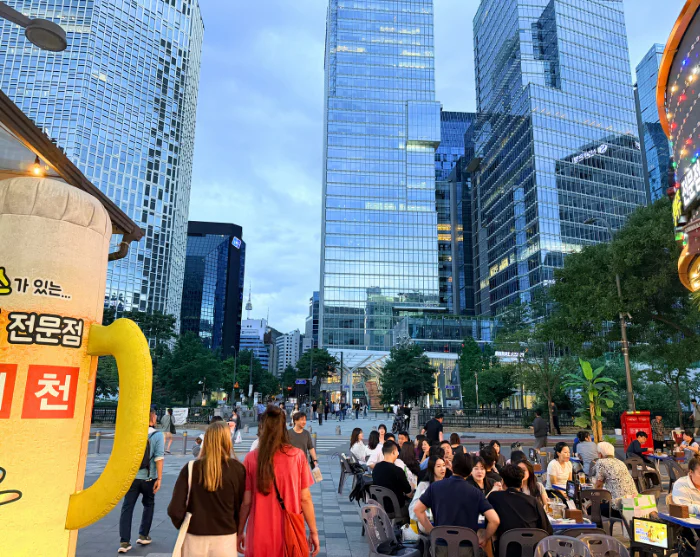
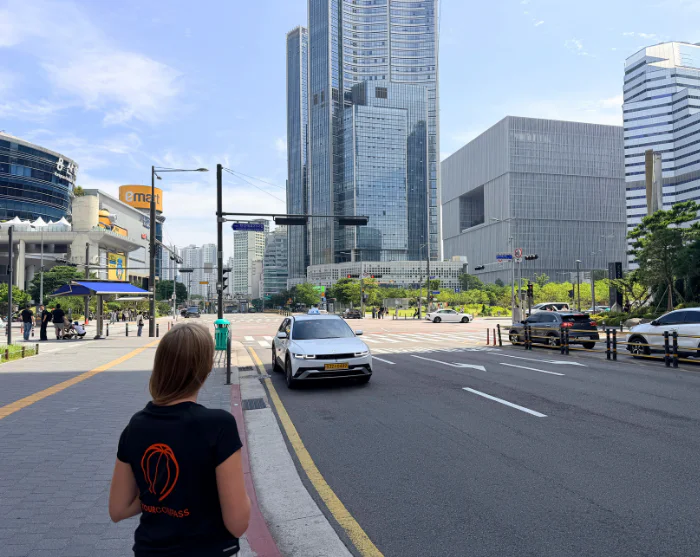
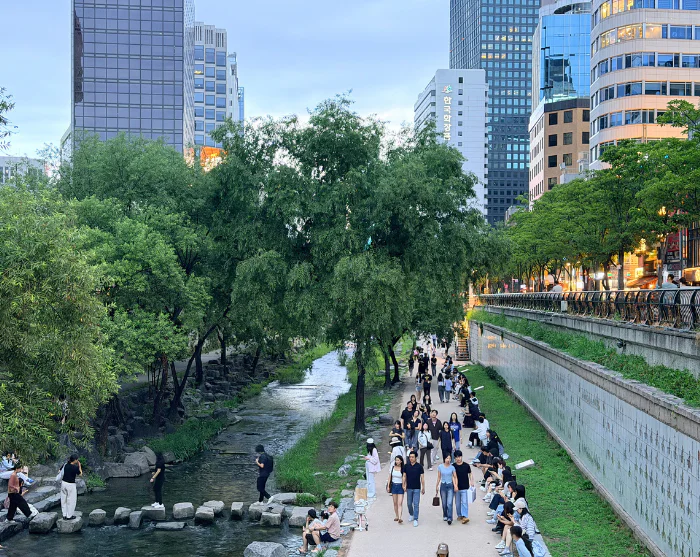
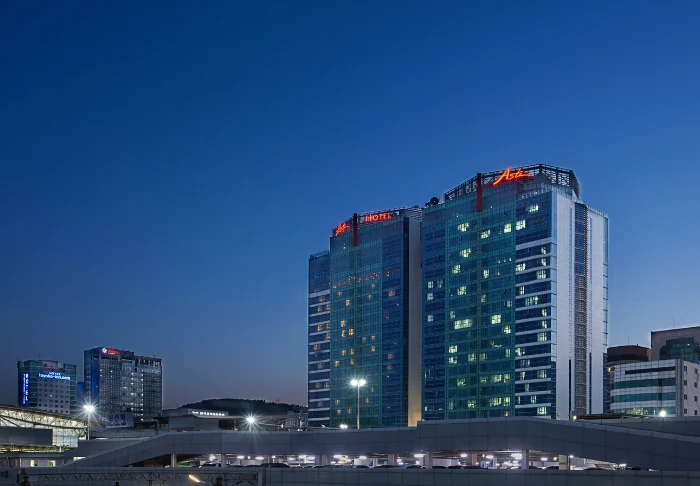
You might be tempted by a stroll in the local area, where modern skyscrapers rise along the Han River. Here, you’ll quickly sense Seoul’s distinctive energy, as everyday life and big-city pace blend seamlessly in a district that embodies modern Seoul.
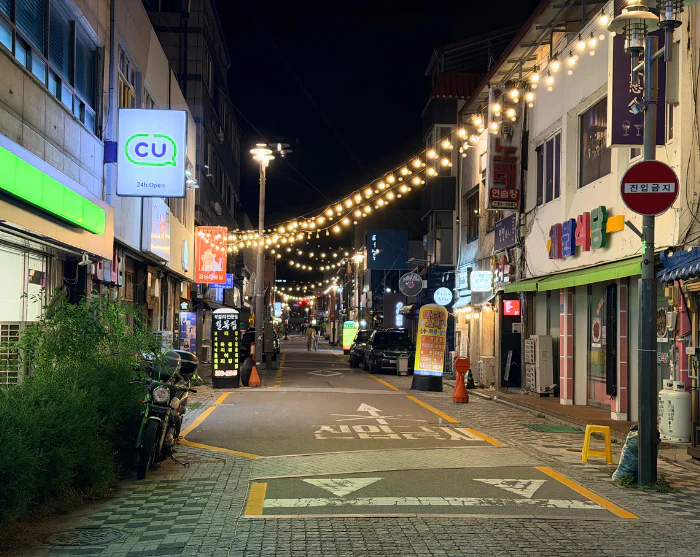
In the evening, the city lights shimmer in the glossy façades of the high-rises, while the nearby streets buzz with life. You’ll find a wide range of eateries where you can delve into Korean cuisine, sampling local favourites such as crispy fried chicken or savoury vegetable pancakes, yachaejeon. After your first Korean meal, you’ll return to your hotel for a well-earned night’s sleep.


The morning holds a special significance in South Korea, often referred to as the Land of the Morning Calm. This nickname dates back to Joseon, the country’s last ruling dynasty, whose name loosely translates as “morning calm”.
As you take in the stillness of the morning, you can look forward to truly beginning your tour adventure. After breakfast, you’ll meet your guide in the hotel lobby for an informal welcome meeting, where the programme for the coming days will be outlined. You’ll also receive your T-money card for public transport, and the guide will go over practical information and answer any questions you may have.
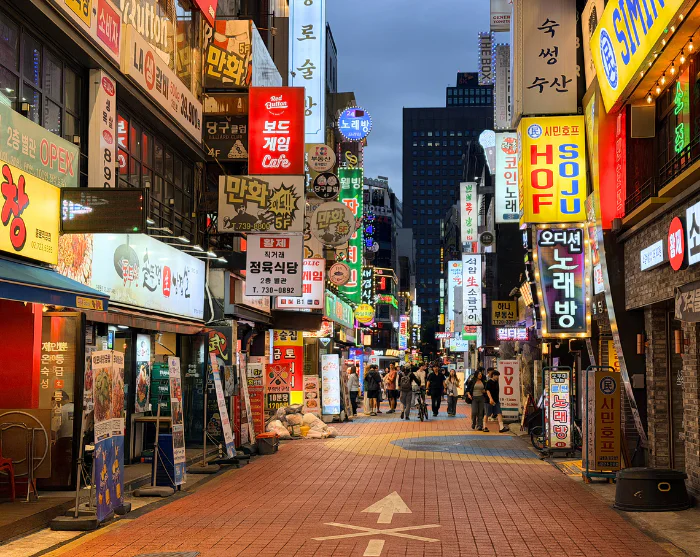
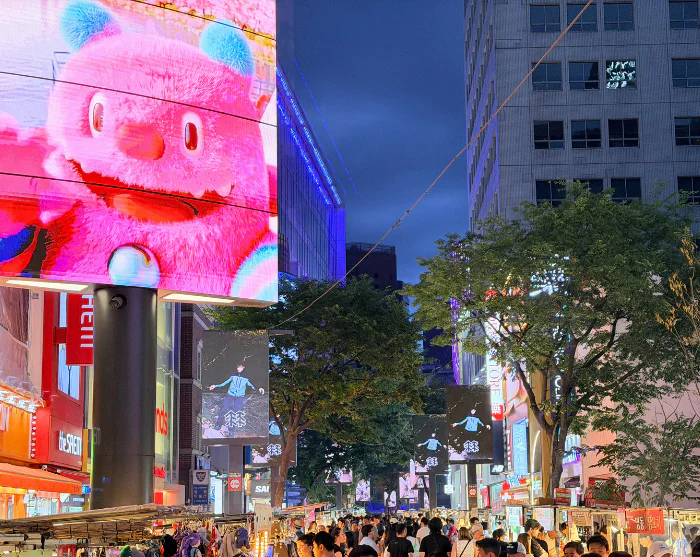
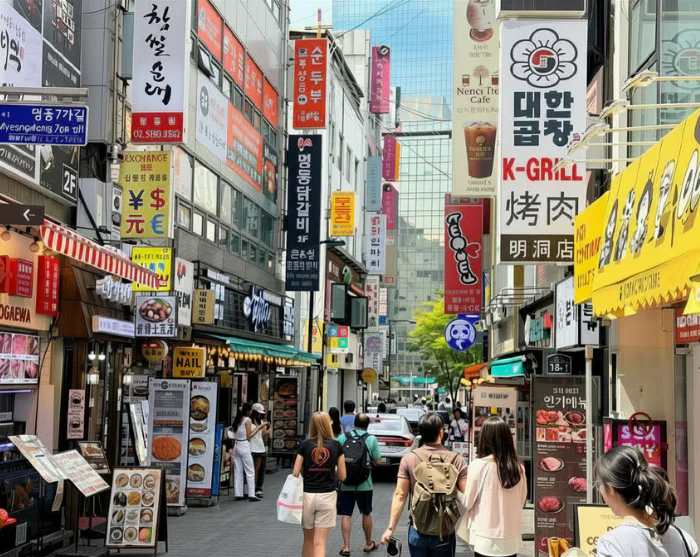
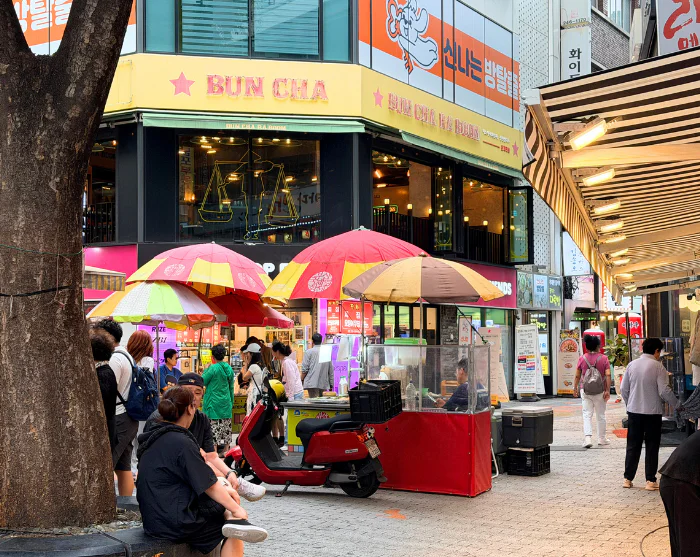
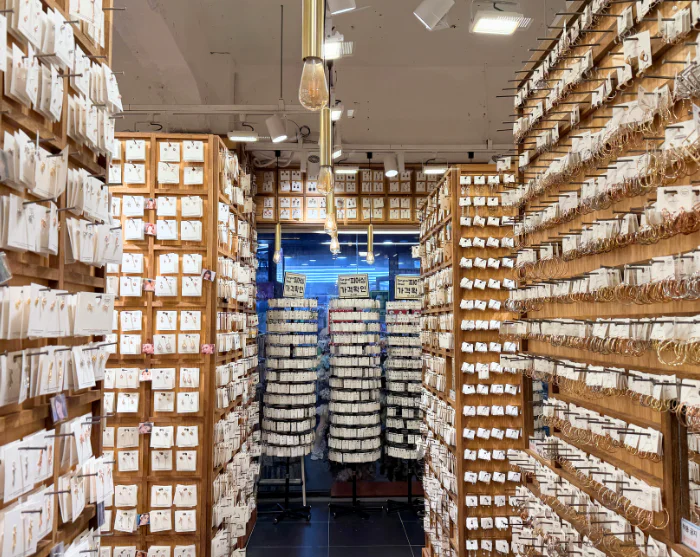
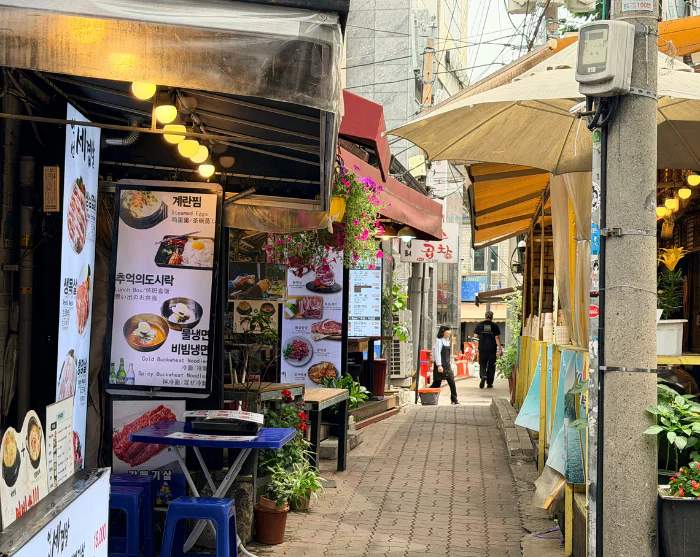
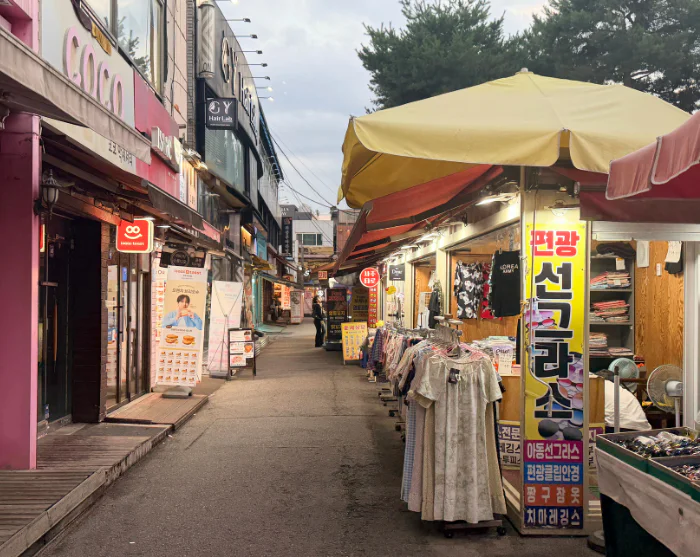
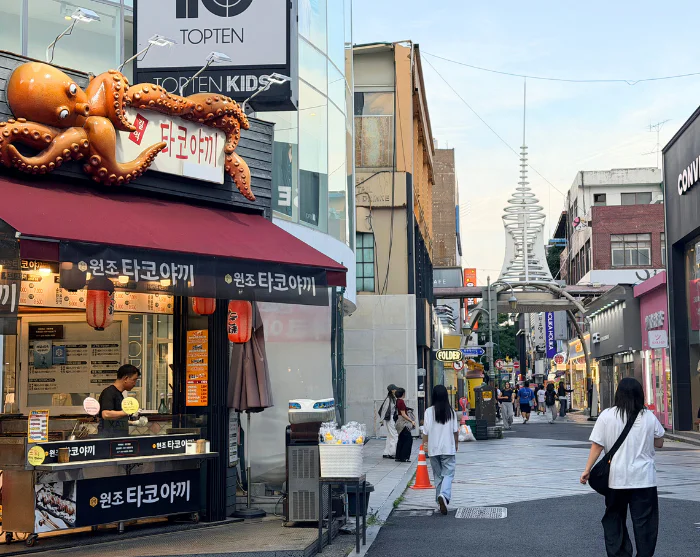
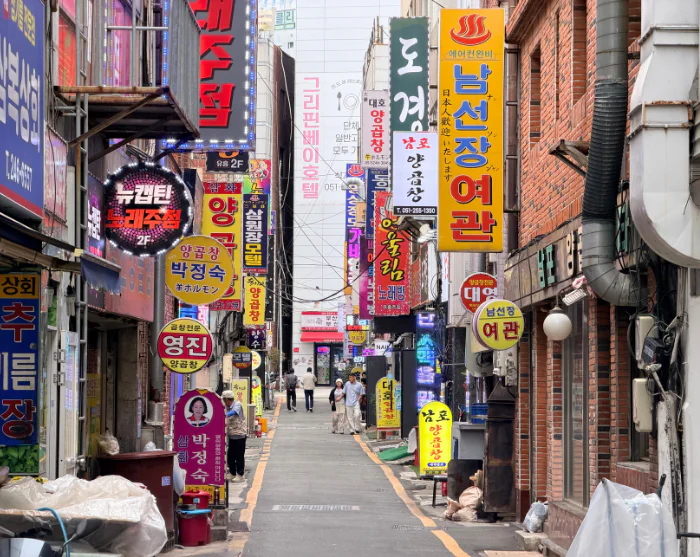
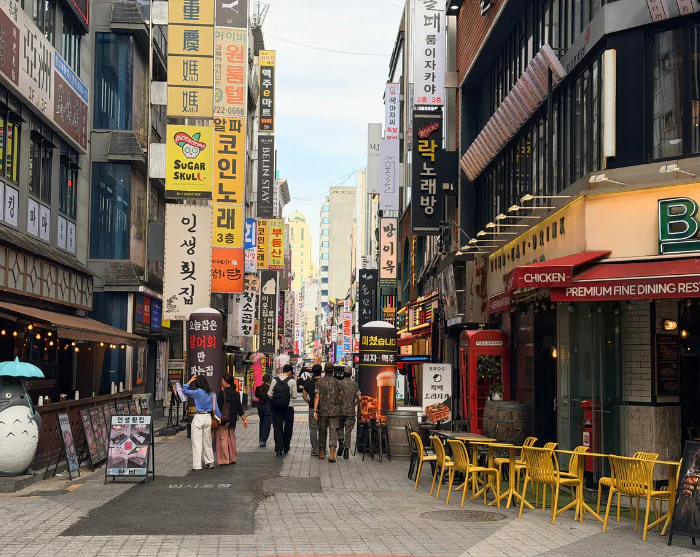
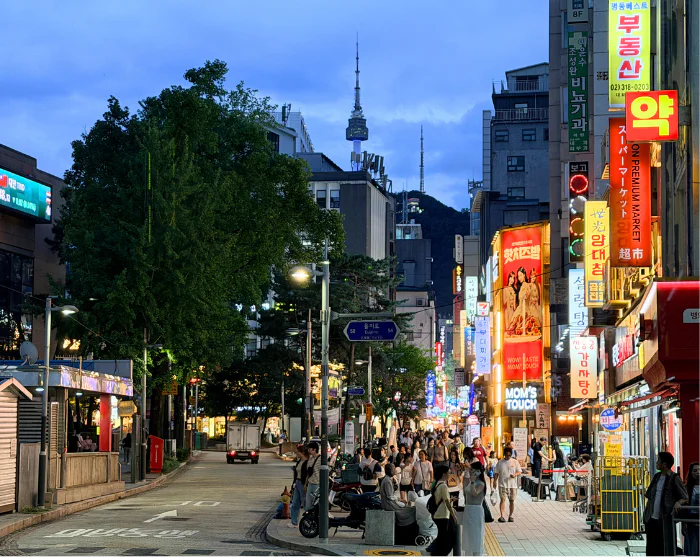
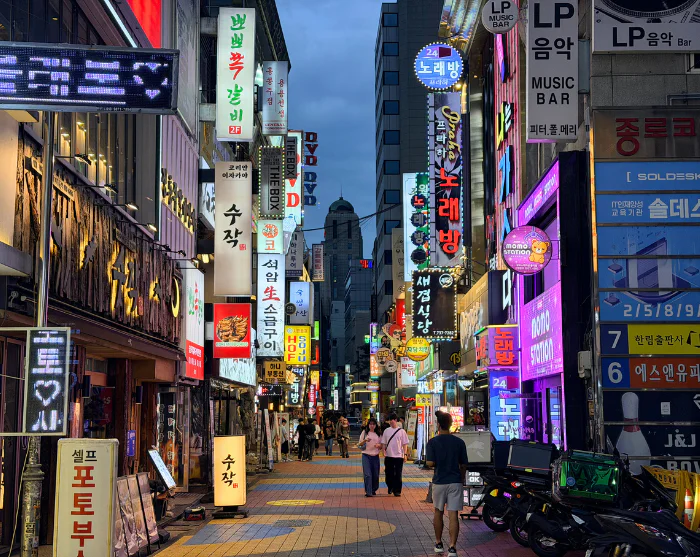
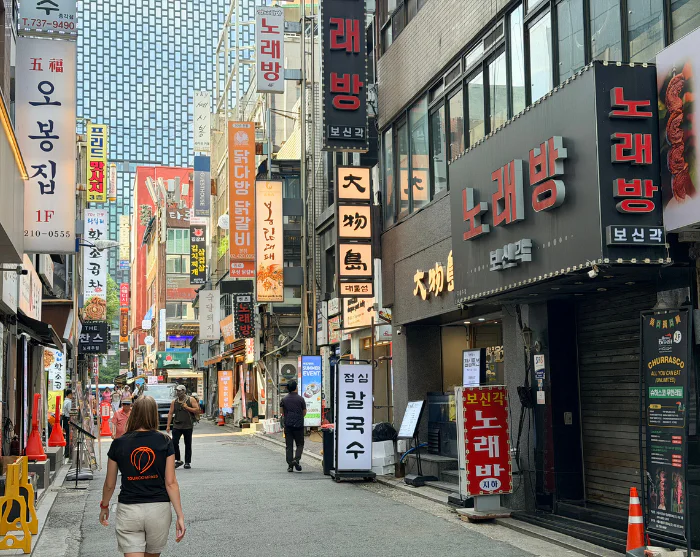
You will then take the metro together to Myeongdong, one of Seoul’s most vibrant neighbourhoods. Here, locals and visitors come together in a captivating whirl of lights, sounds, and movement. The area is renowned for its lively street food culture, where many Koreans gather to eat, stroll, and soak up the city’s unmistakable energy.
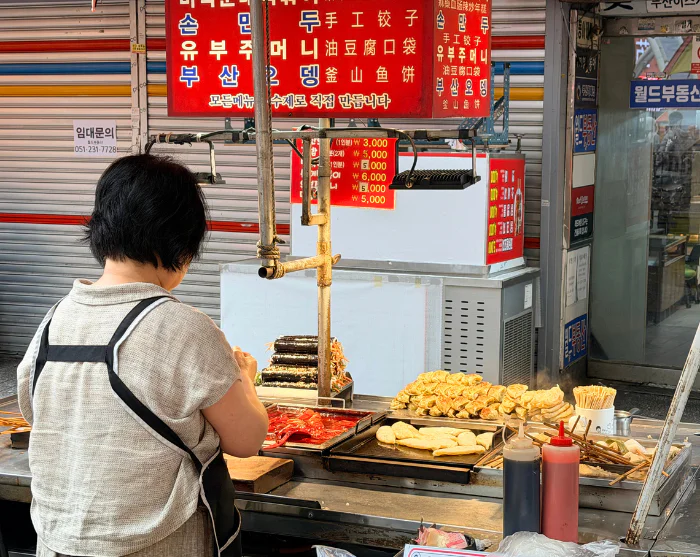
As you wander through the narrow streets, you’ll pass cosmetics shops, fashion boutiques, and small food stalls. The scent of grilled delicacies and sweet treats fills the air, and along the way, your guide will introduce you to some of Korea’s most popular street food classics. You might be tempted to try crispy hotteok pancakes filled with brown sugar and nuts, steaming tteokbokki in spicy chilli sauce, or freshly grilled skewers of meat and vegetables.
Your guide will also share insights into the neighbourhood’s development and the culture of modern South Korea, where tradition and contemporary life go hand in hand. The guided tour will then conclude in the heart of bustling Myeongdong, leaving you free to continue exploring at your own pace and soak up even more of its vibrant, ever-changing atmosphere. In the side streets, you’ll also find cafés and small eateries where the pace slows slightly and everyday life unfolds right in the centre of the city.
If you need a break from the many flavours, you can dive into the area’s endless shopping opportunities. Myeongdong is home to international brands, well-known Korean chains, and small independent shops, each with its own distinctive character. It’s easy to be swept up in the atmosphere, where shopping, street food, and city life blend into one lively and entertaining urban experience.
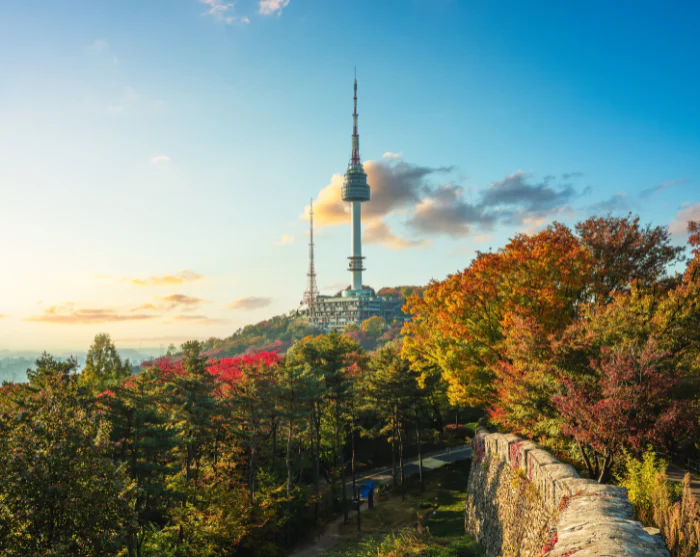
If you’re craving a breath of fresh air instead, make your way to Namsan Park. From here, you can take the cable car or walk the final stretch up to N Seoul Tower, where sweeping panoramic views of the city’s seemingly endless skyline await. From the top, Seoul stretches out in every direction, with the Han River, surrounding mountains and towering high-rises creating a dramatic backdrop – and a striking contrast to the narrow streets you’ve just explored.
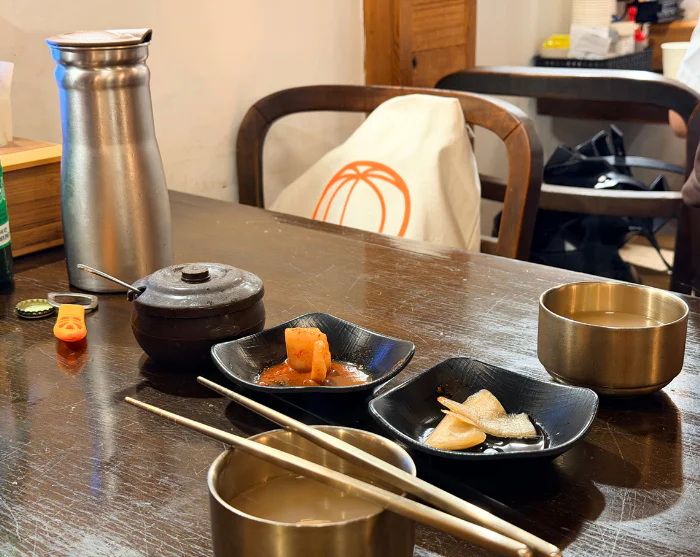
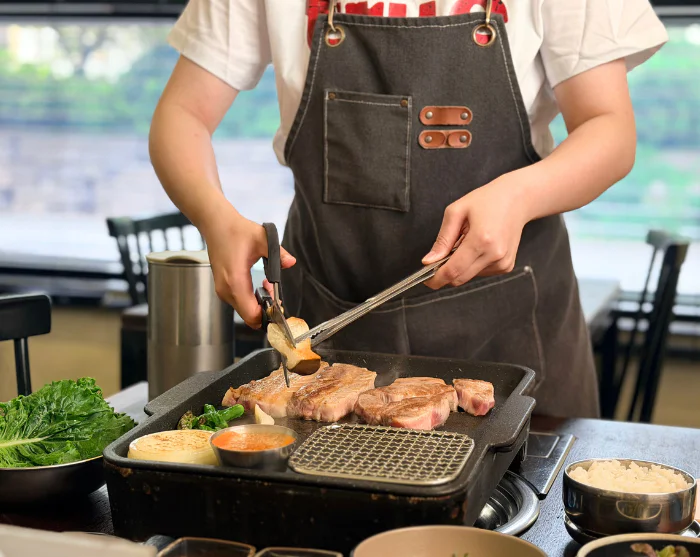
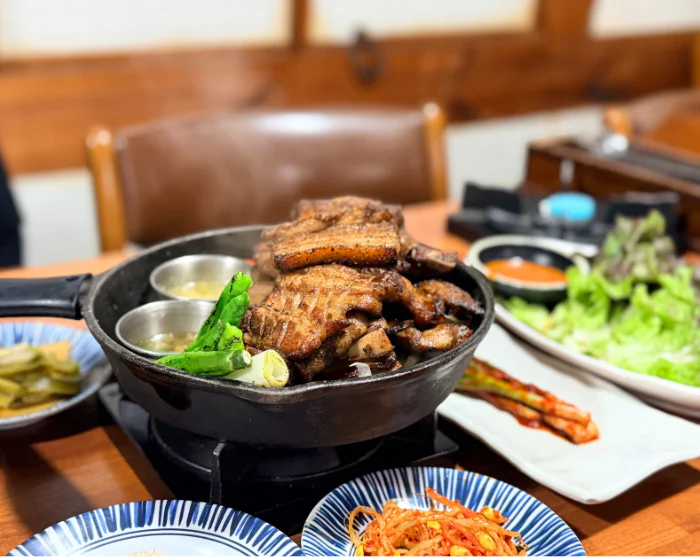
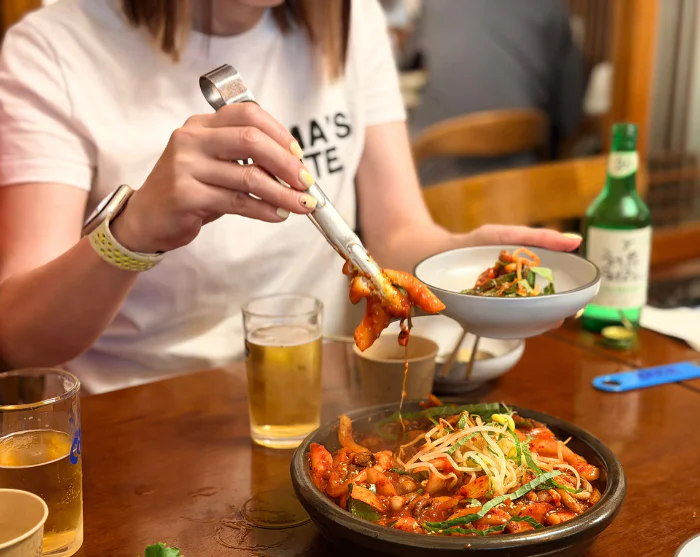
As night falls, steam rises from the city’s many kitchens. Seoul is renowned for its diverse and vibrant food scene, and the evening is the perfect time to explore it even further. Tempt your taste buds with flavourful Korean barbecue, where the meat is grilled right at your table and shared together, or tuck into a bowl of spicy ramyeon with kimchi and crisp vegetables.


The morning will be at your leisure before the tour continues southwards.
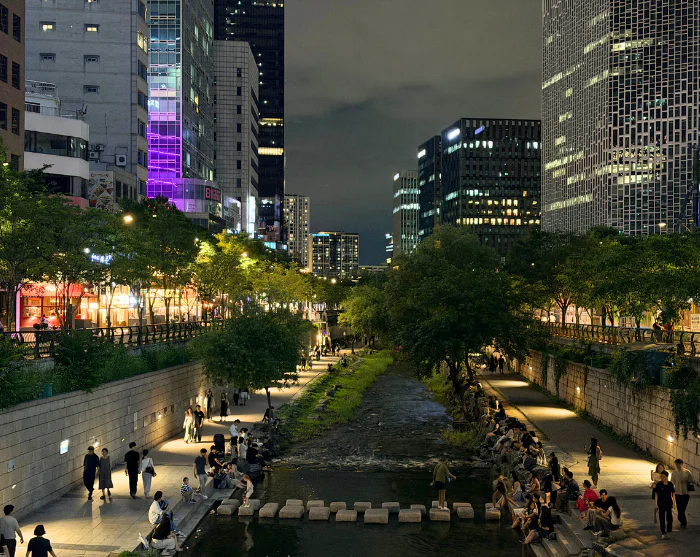
You might start the day with a stroll to the Han River, just a short walk away. The wide riverside paths offer a peaceful beginning as the city slowly comes to life. Afterwards, you could visit the large shopping centre by the station with its wide range of shops, or find a café and soak up Seoul’s distinctive morning atmosphere.
Around midday, take the short walk to Yongsan Station, where you’ll board South Korea’s high-speed KTX train for the journey to Jeonju.
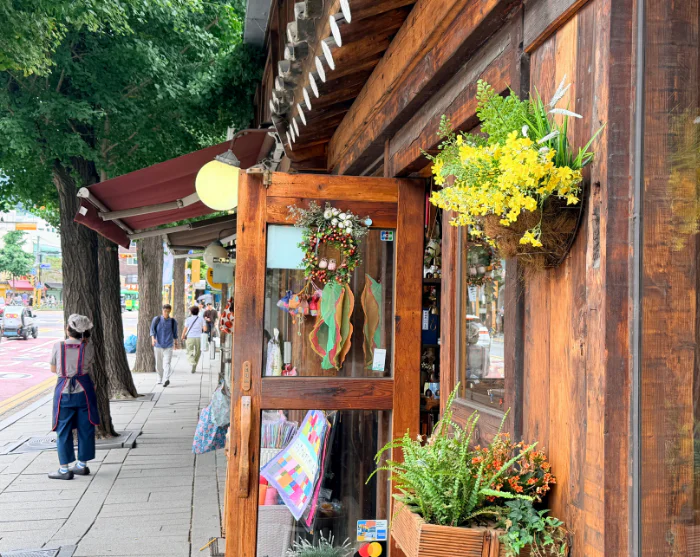
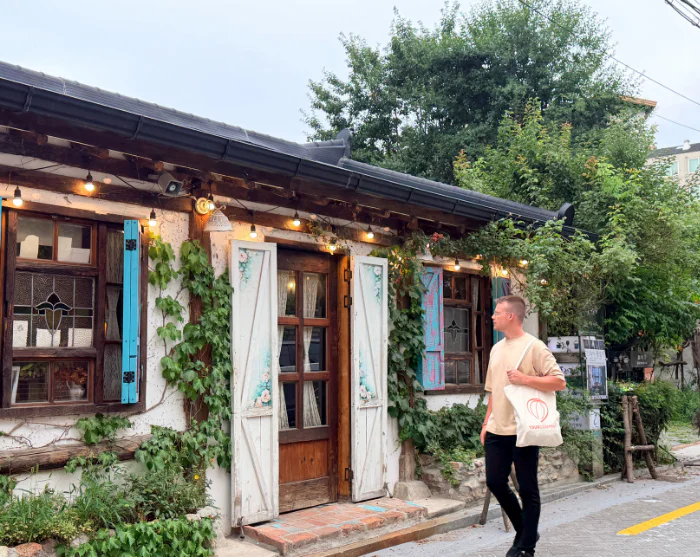
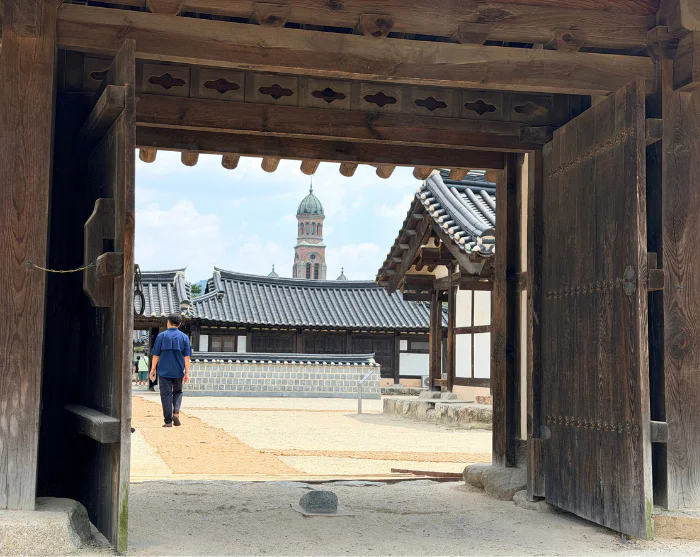
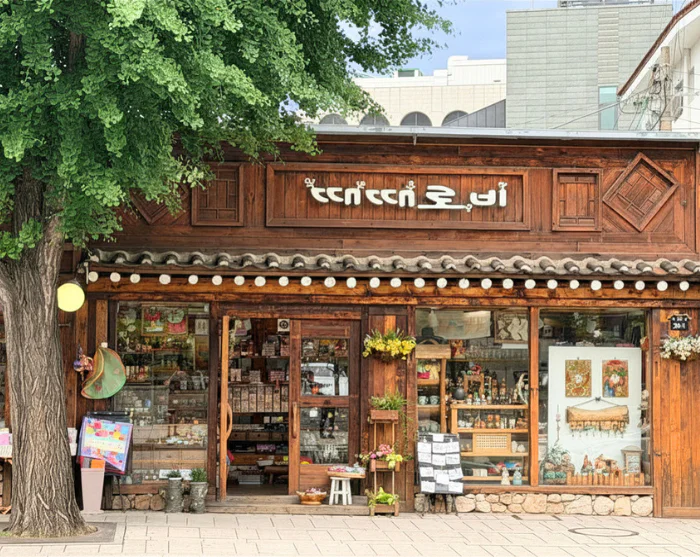
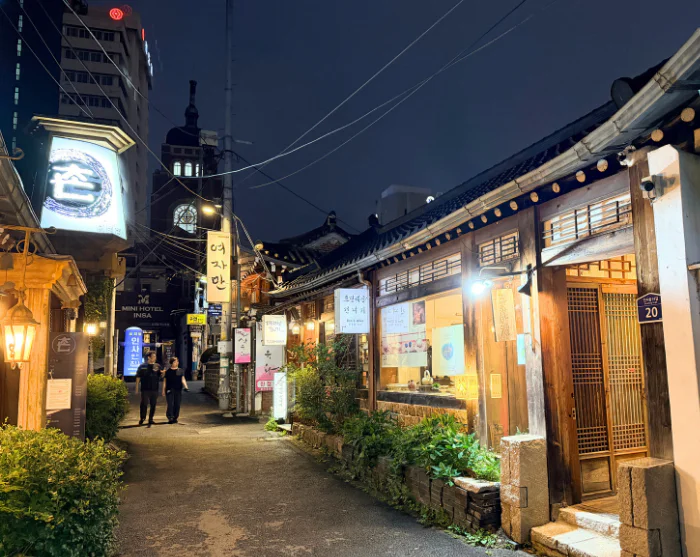
Upon arrival at Jeonju Station, make your own way by taxi to your hotel. After checking in, the rest of the day is yours to explore Jeonju. The city is home to South Korea’s largest and best-preserved hanok district, made up of traditional wooden houses with gently curved tiled roofs that create a charming backdrop to the city’s history. Along the cobbled streets, craft shops and local eateries sit side by side, and the atmosphere is calm and authentic.
As evening falls, Jeonju’s culinary soul awakens. The city is regarded as South Korea’s gastronomic capital, and you can sense it in the many small restaurants and street food stalls that fill the lanes of the hanok quarter with mouth-watering aromas and vibrant energy.


Today, you’ll have the entire day to explore charming Jeonju at your own pace or join one of our optional tours.
The city has been awarded UNESCO status for its gastronomic creativity and is also home to a rare blend of beautifully preserved history and living culture, found in its intimate, atmospheric streets. As Jeonju is still less visited by Western travellers than the country’s major destinations, the atmosphere feels genuine and personal – as though the city is revealing itself exactly as it is.
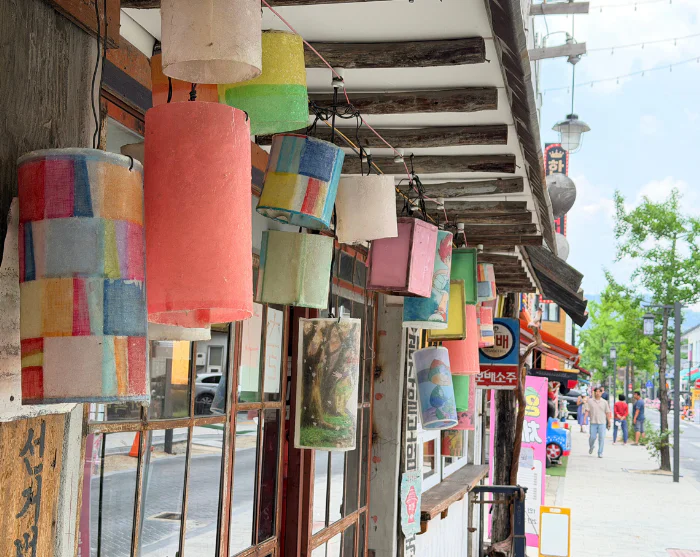
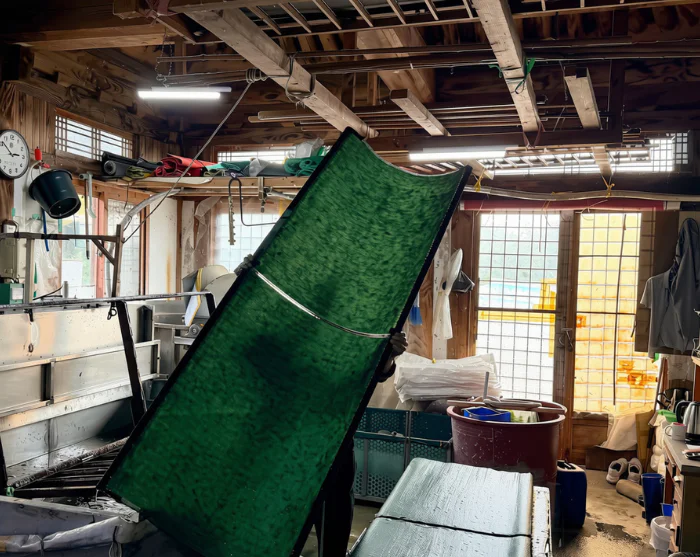
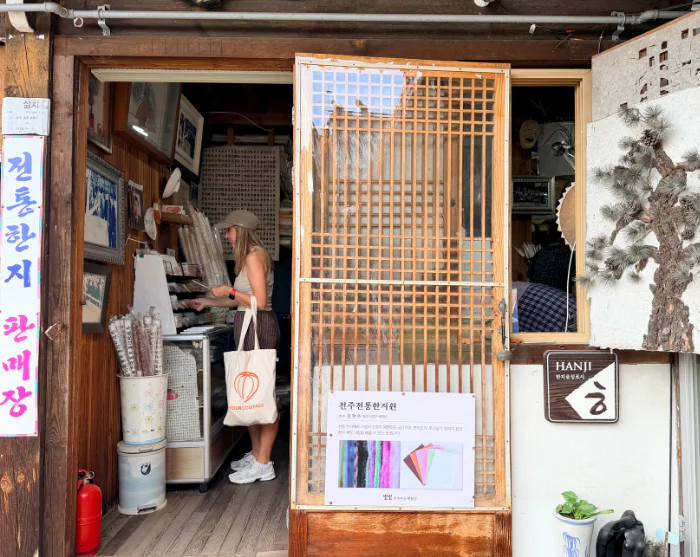
From your hotel, your gaze is naturally drawn to the city’s main attraction: Jeonju Hanok Village, where more than 700 traditional hanok houses stand side by side beneath their gracefully curved tiled roofs. The district feels like a living open-air museum, yet without seeming staged. Small workshops and cultural centres offer insights into South Korean culture and craftsmanship, where you can browse traditional fans, visit old-style playgrounds, and step inside paper studios where hanji paper is still carefully handmade. Everything feels refined and authentic, and it’s easy to get swept up in exploring the many charming details. Along the way, you’ll also pass countless boutiques showcasing their own creations, where you’ll almost certainly be tempted to fill your suitcase with unique finds.
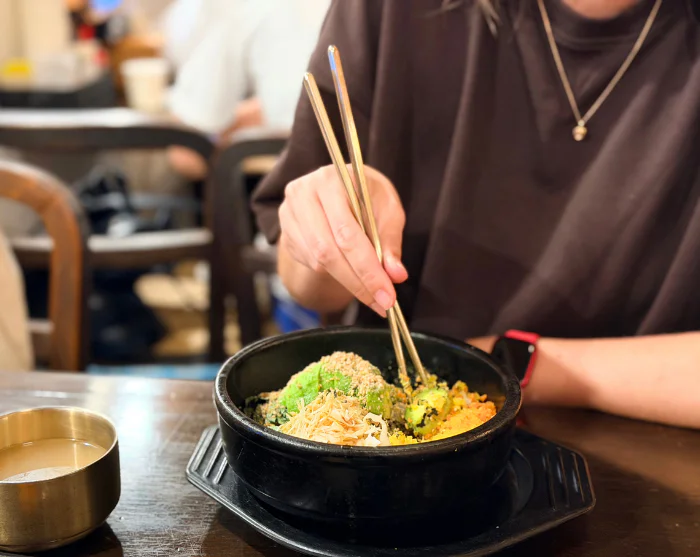
As lunchtime approaches, you couldn’t be better placed than in the heart of Jeonju’s culinary universe. The city is especially renowned for its bibimbap, which is said to have originated right here. The dish is often served in hot stone bowls, beautifully arranged with vegetables, meat, and egg, while the flavours of sesame oil and gochujang bring everything together in perfect harmony.
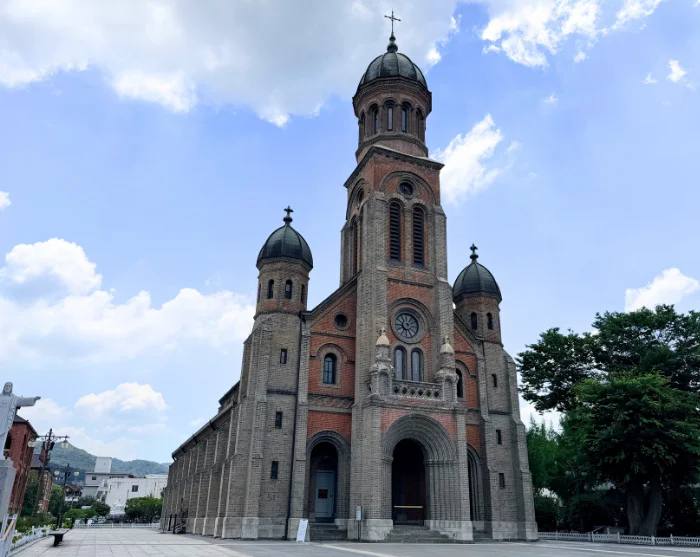
Afterwards, continue your stroll through the city. The aroma of freshly roasted coffee draws you towards small artisan roasteries, while modern bars invite you to experience the local beer culture, gamaek, where cold beers are enjoyed simply and informally. If you’d like to trace the story back to the beginning of the Joseon dynasty, visit Gyeonggijeon Shrine, where ancient trees and historic buildings stand within peaceful surroundings, bearing witness to an important chapter in Korea’s past. Do also stop by Jeondong Cathedral, whose striking brick architecture forms a beautiful contrast to the traditional wooden houses, before rounding off your day on Gaengnidan Street, where the present makes its mark with creative energy and charming independent shops.
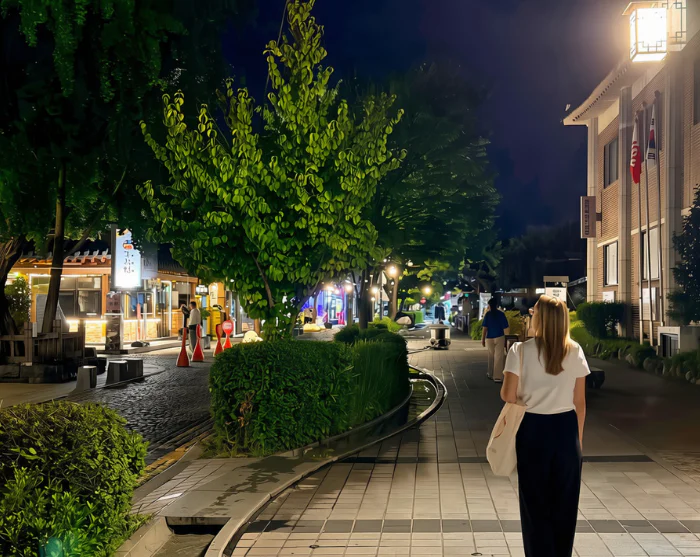
As the day draws to a close, you can make your way back towards Hanok Village. The illuminated streets and lanterns lining the rooftops create a warm, inviting atmosphere, making it the perfect setting to round off the day with another meal at one of the local restaurants. You might sample crispy jeon, small dishes designed for sharing at the table, or local street food specialities that offer yet another glimpse into the region’s culinary traditions.


Morning gently unfolds over the rooftops of Jeonju, setting a peaceful tone for a day at leisure.
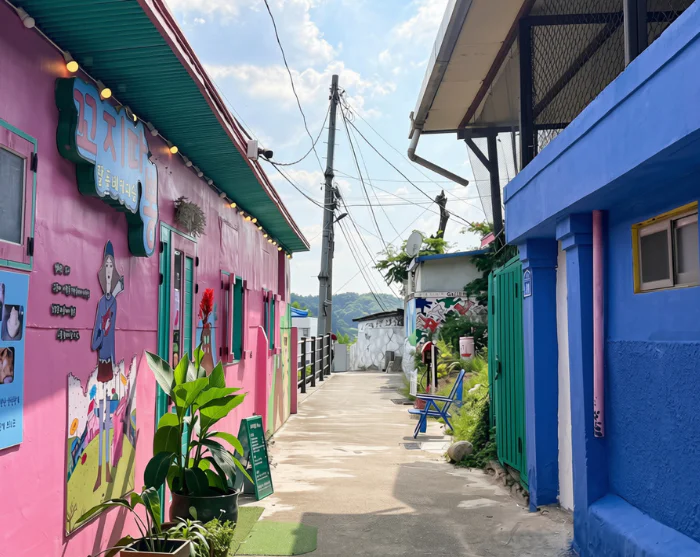
You could start the day with a walk up the steep hill to Omokdae and Imokdae, where sweeping views across the city’s rooftops reveal the story of King Taejo’s roots in the area. From here, you’ll sense how the past still casts long shadows over modern city life. Nearby, you’ll also find Jaman Mural Village, where colourful murals lend the neighbourhood a creative and contemporary feel.
Afterwards, you can stroll back to Jeonju Hanok Village and explore some of the charming shops and eateries you may not have had time to visit the day before. Perhaps another traditional dish will tempt you, a dessert filled with sweet red bean paste, or a quiet cup of tea enjoyed in the shade of the curved tiled roofs, before it’s time to bid farewell to one of South Korea’s most enchanting cities.
After lunch, you’ll make your own way by taxi to Jeonju Station, where you once again board the KTX high-speed train. Travelling at impressive speed, the train will take you south towards Busan, with a brief change in Osong.
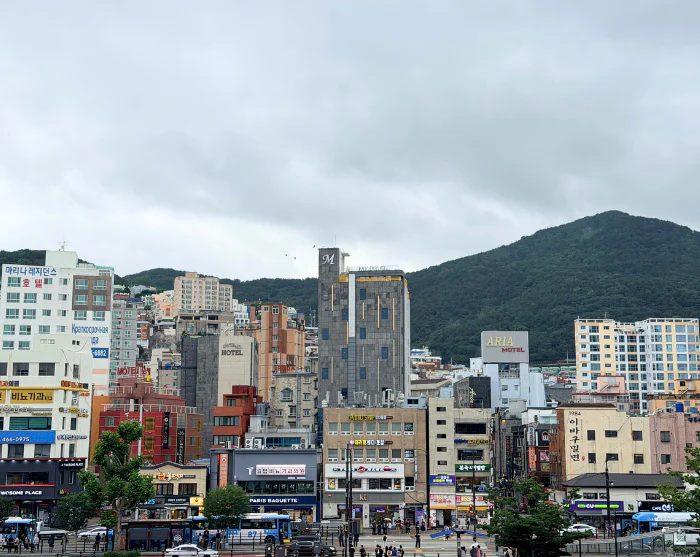
Once you have checked in at your hotel, the evening is yours to explore South Korea’s second-largest city and the country’s maritime heart. Here, the buzz of city life meets the sea in an atmosphere that feels more open and relaxed than in the capital. Mountains rise behind the rooftops, the harbour hums with activity, and the coastline shapes both the pace and the character of the city.
You might enjoy a gentle stroll in the local area, where small restaurants and independent shops offer an authentic glimpse into the city’s many sides. If you’d like to mingle with the locals, try the city’s signature dish, dwaeji gukbap. This steaming soup of tender pork and rice is simple yet deeply flavourful, and has been an everyday favourite in Busan for generations.


The day will begin with breakfast at the hotel before you meet your guide in the lobby.
Today, you’ll set off for Gyeongju, the former capital of the Silla Kingdom and now recognised as one of South Korea’s most important cities. Several of its monuments are listed on the UNESCO world heritage list, bearing witness to a cultural golden age that can still be felt today.
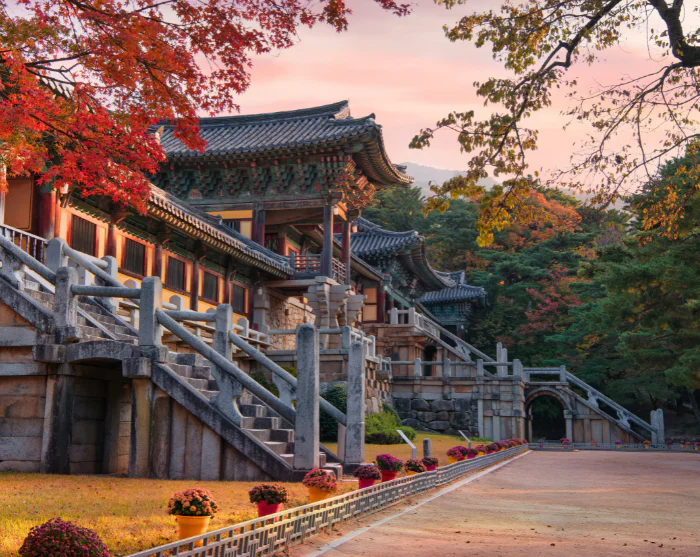
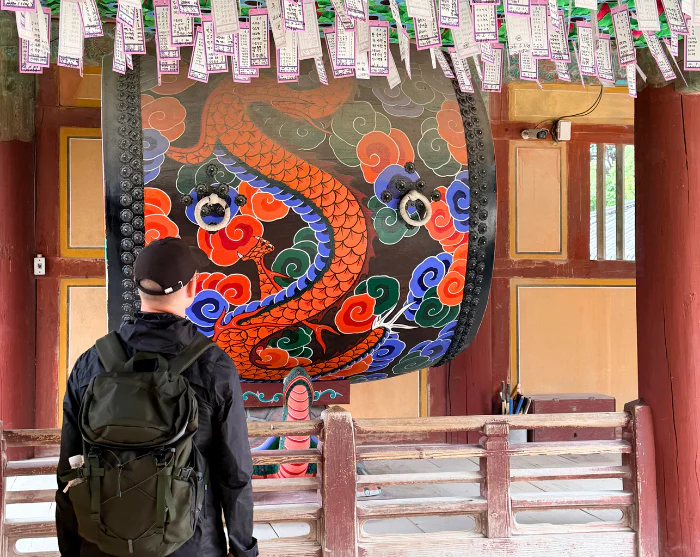
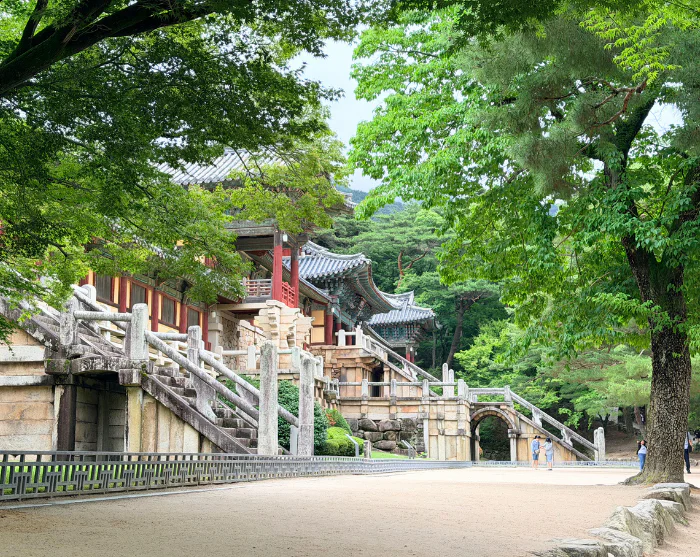
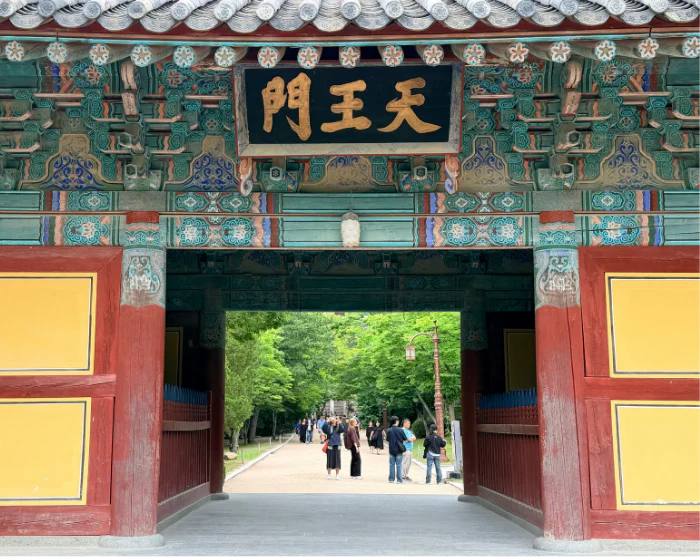
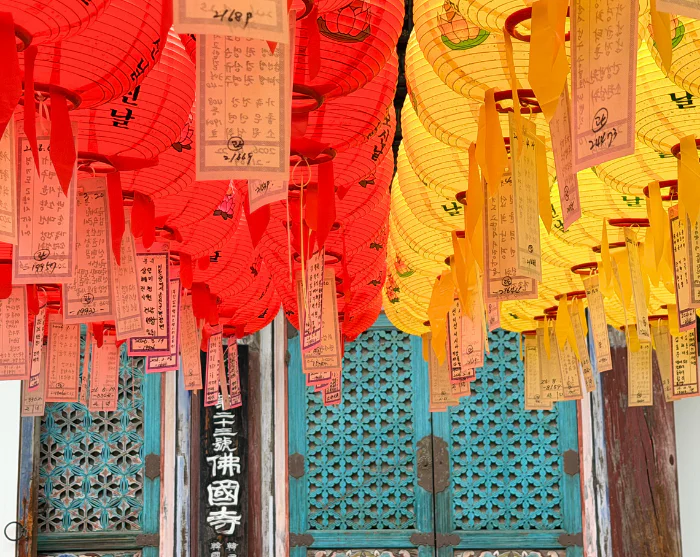
On the drive there, you’ll leave behind Busan’s vibrant city atmosphere and travel into Gyeongju’s lush, rolling countryside. Your first stop will be Bulguksa Temple, surrounded by pine trees with a gentle scent of incense lingering in the air. Together with your guide, you’ll explore the historic stone terraces and the elegant Cheongungyo and Baegungyo bridges, whose precise stonework symbolises the passage from the earthly realm to the spiritual. In the temple courtyard, you can admire the two pagodas, Dabotap and Seokgatap, standing side by side as a meeting of intricate artistic detail and serene simplicity.
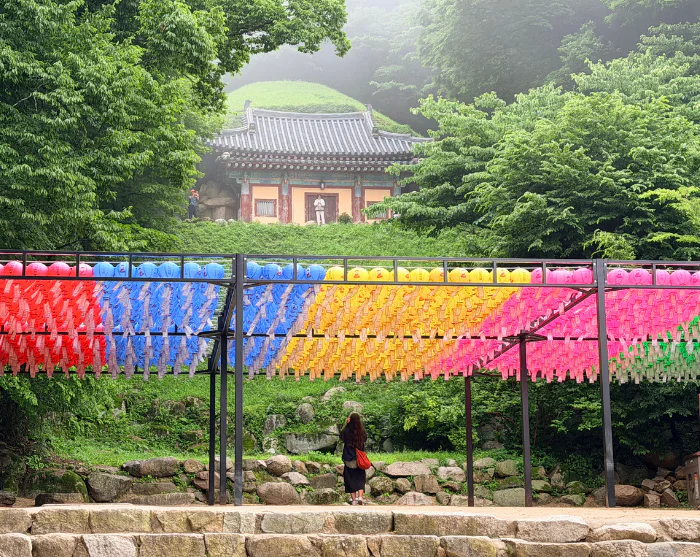
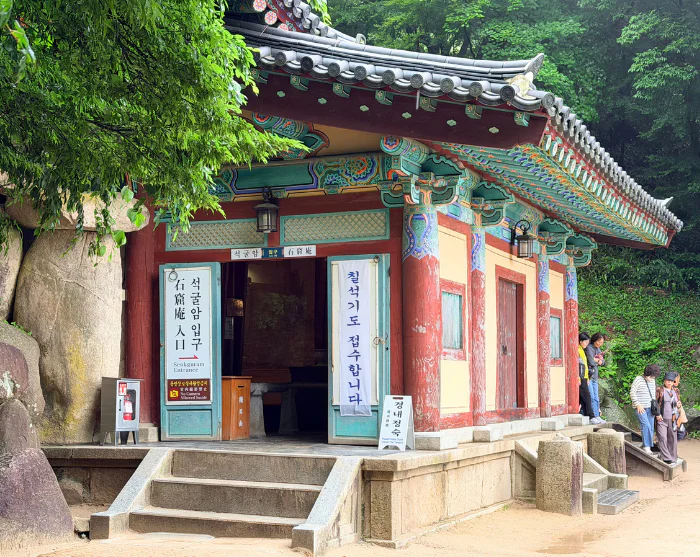
The tour then continues up into the mountains to Seokguram Grotto, where the man-made stone cave houses a majestic Buddha statue with a calm, almost meditative expression. Facing the distant eastern sea, the figure radiates a quiet dignity that fills the entire chamber. Surrounded by the green mountain slopes and an almost reverent silence, the site feels timeless and bears witness to a deeply rooted spiritual tradition.
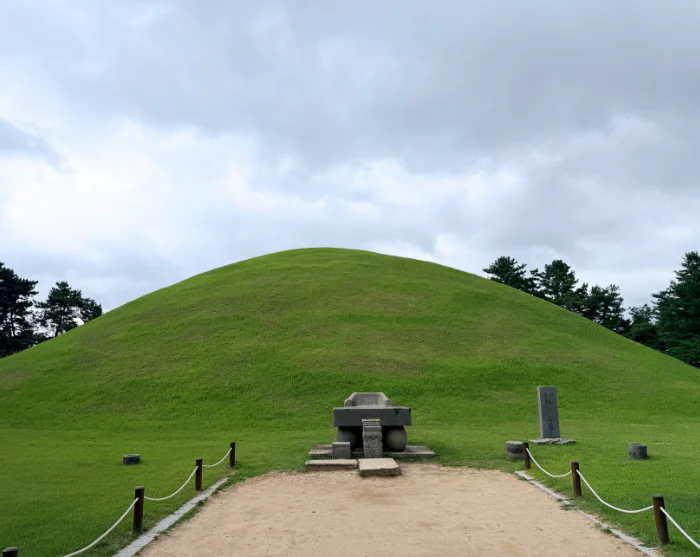
In central Gyeongju, you’ll visit the Daereungwon Tomb Complex, a vast parkland dotted with gentle, grass-covered mounds that conceal the royal burial sites of the past. As you stroll along the neatly laid paths, you’ll notice the striking contrast between the soft, rounded shapes and the surrounding cityscape, creating a calm and almost meditative atmosphere. You’ll also see Cheomseongdae Observatory, the oldest surviving astronomical observatory in East Asia, recognisable for its bottle-shaped stone tower dating back to the 7th century.
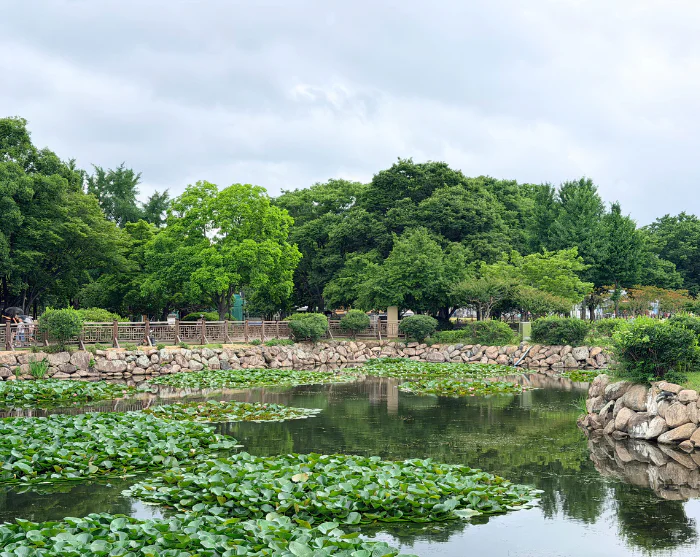
The day will conclude at Donggung Palace and Wolji Pond, once a palace complex and residence for the crown prince, and the setting for royal ceremonies. The artificial lake was designed with deliberate curves, so you can never take in the entire shoreline at once, creating the illusion of a larger, almost endless landscape.
After a day exploring South Korea’s UNESCO-listed cultural heritage, you’ll be driven back to your hotel in Busan, where you can let the day’s historic impressions settle as you savour the flavours of the city. Alongside fresh fish and seafood, Busan is particularly known for its milmyeon – cold wheat noodles served in a lightly tangy broth or topped with a spicy sauce.


Busan’s long coastline, the parallel mountain ranges, and the city’s impressive bridges create a striking backdrop that embraces its many diverse neighbourhoods, blending traditional and modern maritime life in a truly distinctive way. With the day at your leisure, you are free to decide which sides of the city you would like to explore on your own or by joining one of our exciting optional tours.
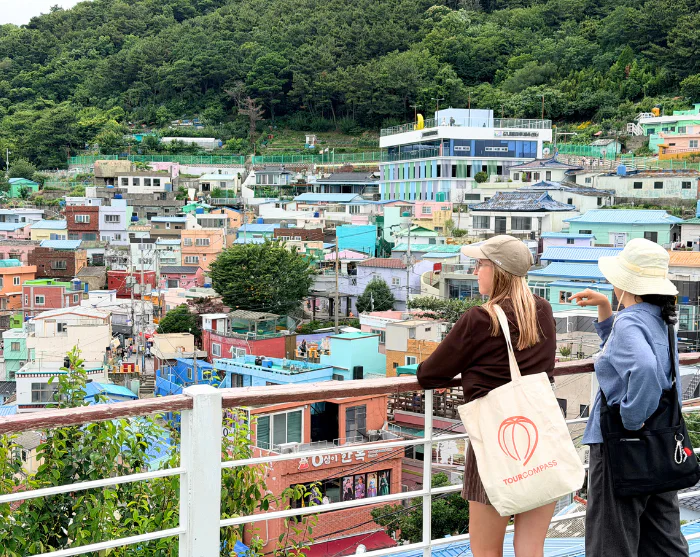
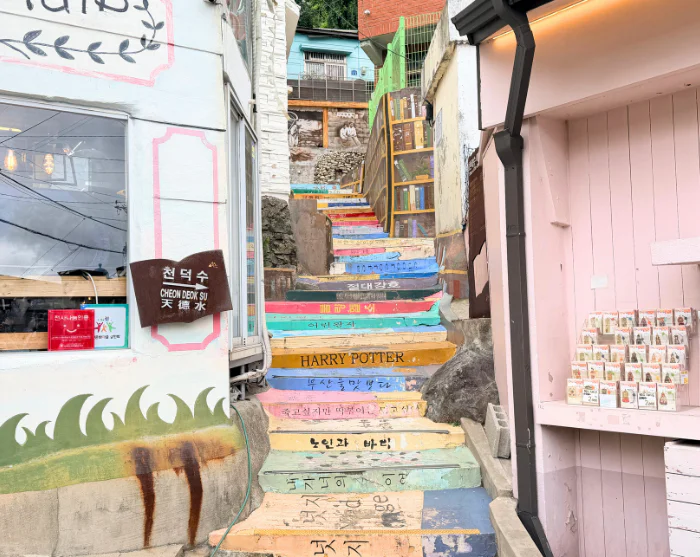
You might begin in the south-western part of the city with a visit to the charming Gamcheon Culture Village. Its colourful houses are arranged like a living amphitheatre along the mountainside, and the narrow alleyways lead you past small shops and creative art installations. Once a modest residential area, the neighbourhood has transformed into a vibrant and artistic community filled with cosy cafés. Here, you can enjoy a good cup of coffee or a refreshing drink while taking in the beautiful views over the village, with the sea as a stunning backdrop.
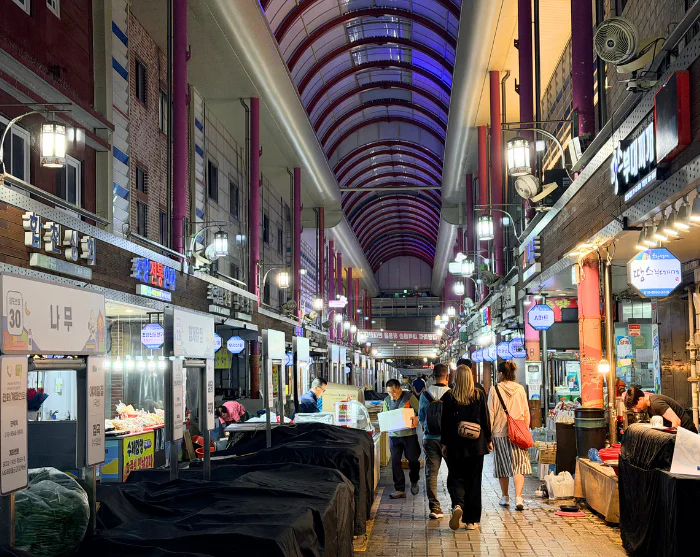
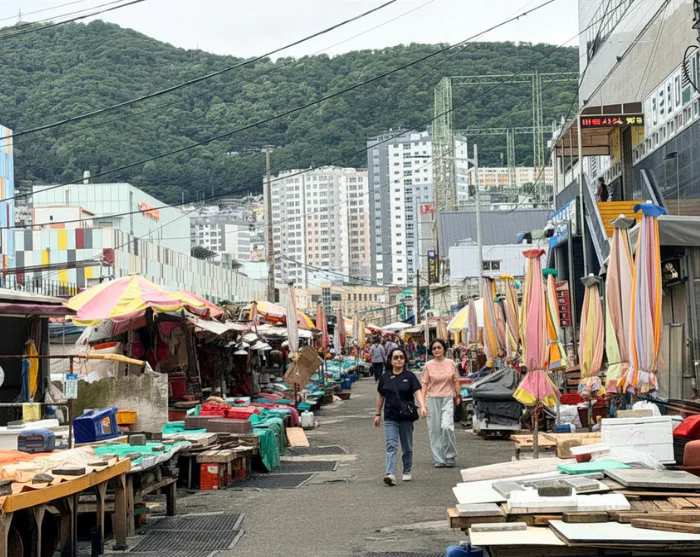
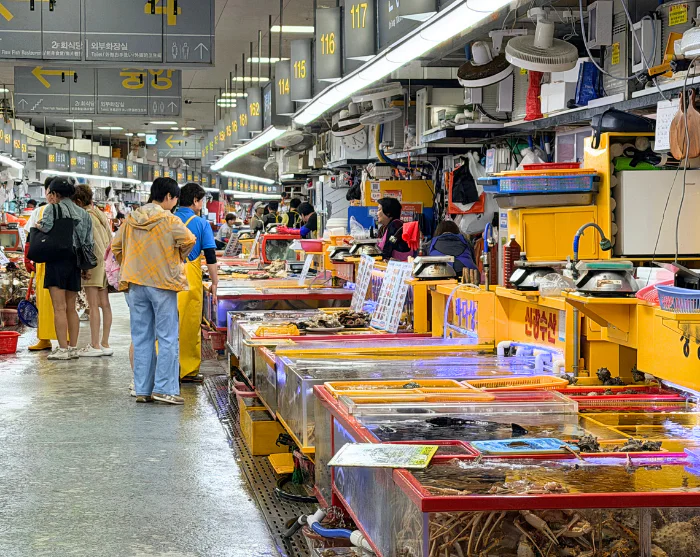
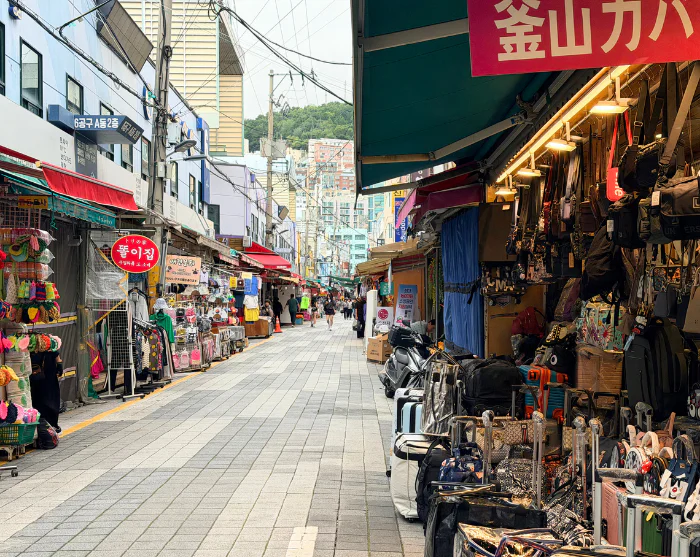
From here, you can catch a bus to Jagalchi Fish Market, South Korea’s largest seafood market, where the day’s catch is displayed on ice in long rows. The atmosphere is lively and authentic, and it’s the perfect place to sample fresh fish or seafood at one of the nearby restaurants. Just a few streets away, you’ll find BIFF Square, named after the Busan International Film Festival, where buzzing streets and small stalls serve local snacks alongside cinemas and shops. From here, continue to the international Gukje Market, where narrow passageways, street food vendors, and small shops create a vibrant and genuine atmosphere.
If you’re keen to explore South Korea’s fascinating history, spend the day on an excursion to Gyeongju, the country’s former capital during the Silla dynasty. The city is listed on the UNESCO world heritage list and is often described as a living open-air museum, where burial mounds, temples, and historic monuments stand as testimony to Korea’s rich cultural heritage. You can also visit Bulguksa Temple and Seokguram Grotto, both part of the UNESCO world heritage list and considered among the most significant Buddhist monuments in East Asia.
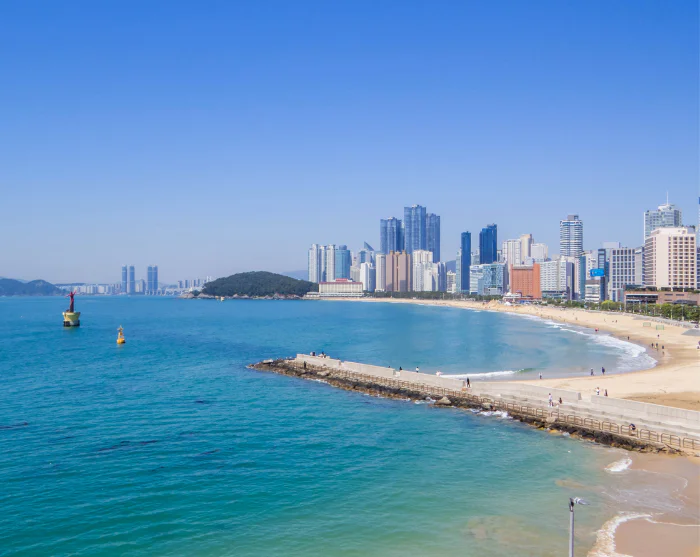
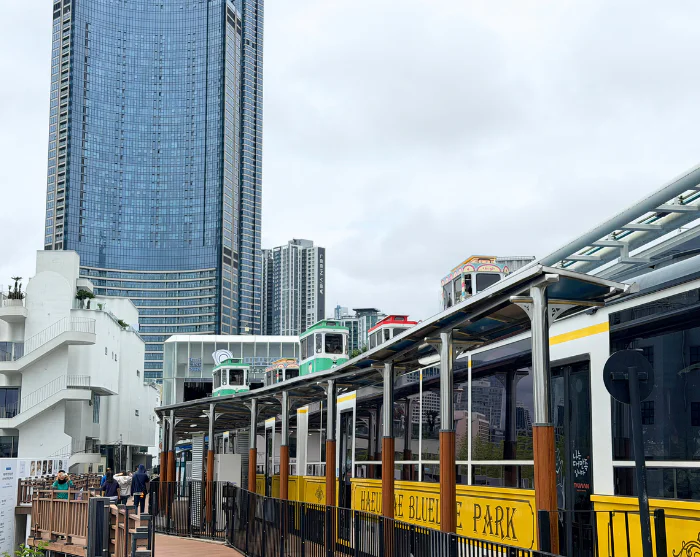
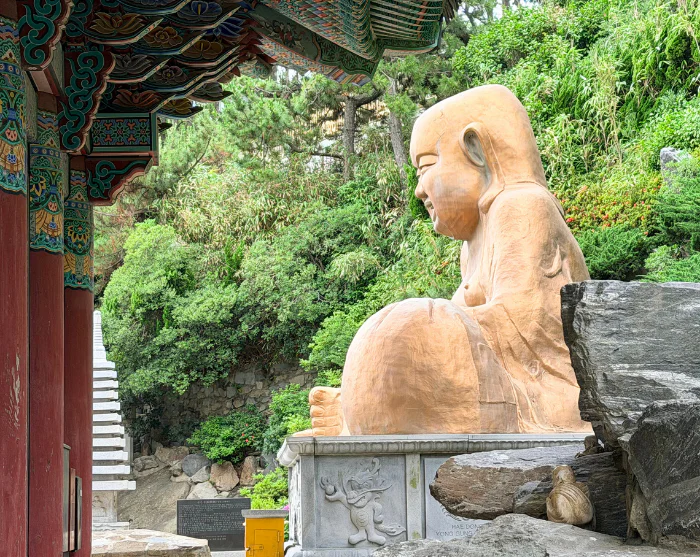
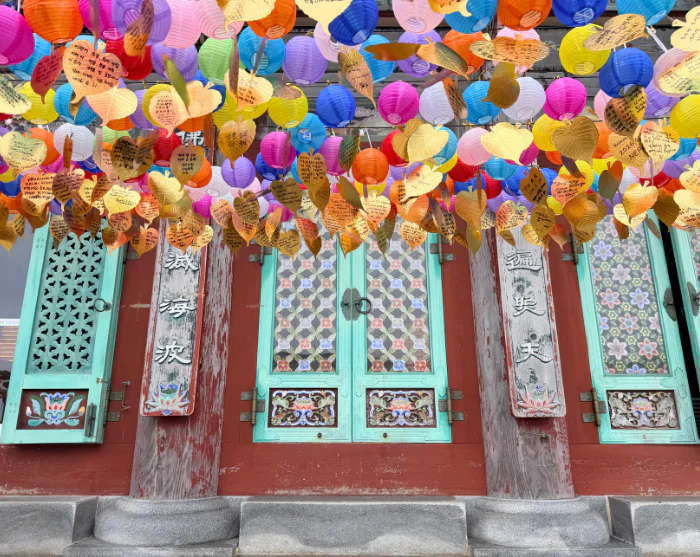
If you fancy experiencing something completely different, hop on the metro to the north-eastern part of the city. Here you’ll find Haeundae Beach, one of the country’s best-known beaches, with wide stretches of sand and an impressive skyline as its backdrop. Take a stroll along the shoreline and soak up the modern coastal atmosphere that defines this part of Busan. Nearby, you can also visit Haedong Yonggungsa Temple, one of Busan’s most atmospheric attractions. Curved stairways and small pavilions lead you down to the temple, dramatically perched on the cliffs overlooking the sea, where waves crash against the shore below.
You can spend the late hours of the day in Seomyeon. The area represents modern Busan and serves as the city’s commercial hub, with department stores showcasing international brands, Korean designer boutiques, and small local shops. There’s a lively atmosphere, with cafés and restaurants inviting you in to sample local specialities such as Korean barbecue or crispy pajeon pancakes, ideally accompanied by a glass of local makgeolli.


Before your tour continues back to the capital, you’ll have the morning at leisure to enjoy the last of Busan.
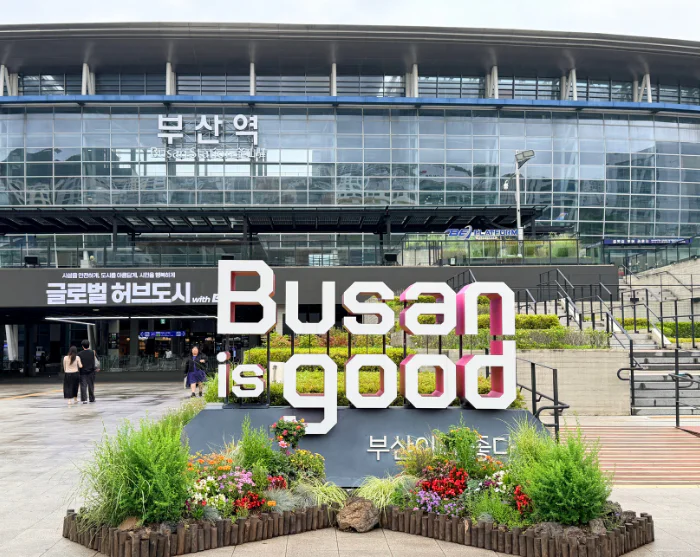
Although you may have visited the modern Seomyeon district last night, it’s well worth returning in daylight. The area stands in clear contrast to the more traditional neighbourhood around the station and offers a wide selection of shops, cafés and restaurants. It’s the perfect place to satisfy both your shopping cravings and your appetite before the train journey.
After lunch, make your own way to Busan Station and board the KTX high-speed train, which will take you back to Seoul in just a few hours. As you travel, the landscape slips by, offering glimpses of South Korea’s mountains and stretches of coastline before the capital’s skyline once again comes into view.
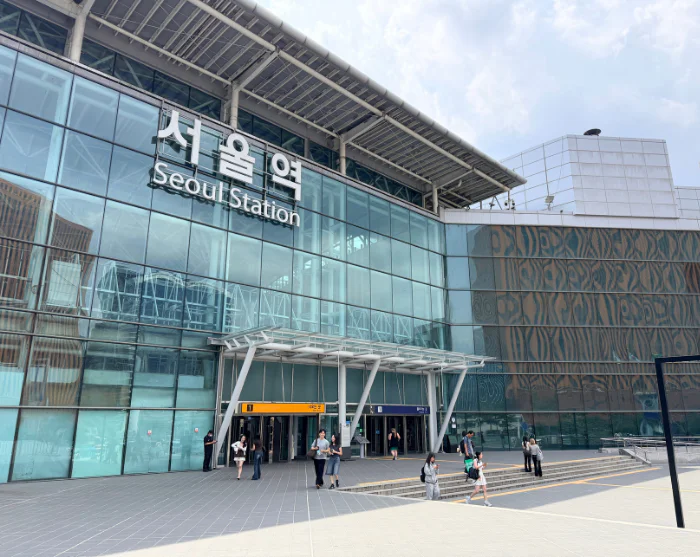
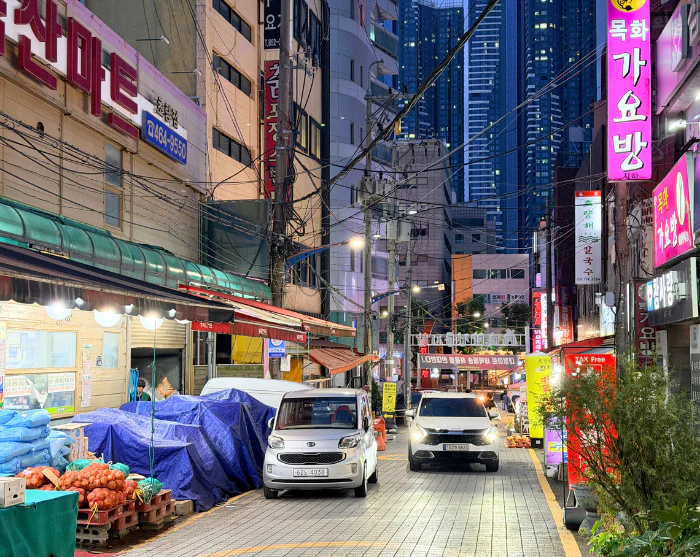
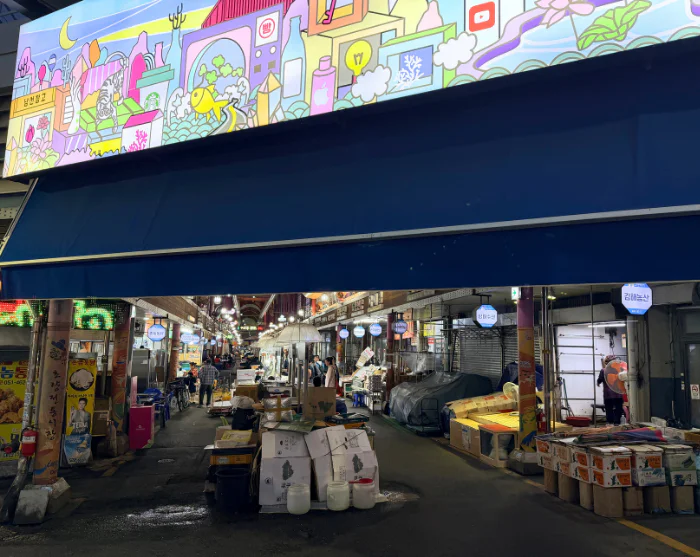
Upon arrival at Seoul Station, you can make use of the station’s luggage lockers and store your bags, leaving you free to explore the area hands-free. From here, it’s just a short walk to Namdaemun Market, one of the city’s oldest and most atmospheric markets. In the narrow alleyways, you’ll find everything from textiles and kitchenware to steaming street food stalls, where you can enjoy your evening meal and soak up the vibrant, authentic buzz.
Afterwards, simply hop on the metro to your hotel, check in, and look forward to a restful night’s sleep before tomorrow’s eventful excursion.


As you enjoy your first meal of the day, you can look forward to a day rich in history, reflection, and scenic experiences, all in beautiful harmony.
In the morning, you’ll meet your guide in the lobby before setting off towards the borderlands north of Seoul. Along the way, the city’s energy gradually gives way to picturesque landscapes of open fields, rolling hills, and forest-clad mountainsides.
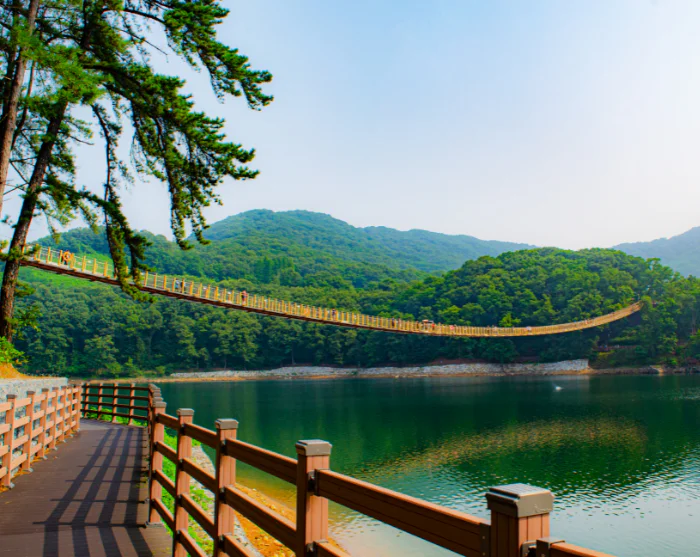
Before reaching the border, you’ll make the first stop of the day at the tranquil Lake Majang, where a picturesque scene awaits amid its idyllic surroundings. Here, you can venture out onto the gently swaying yet sturdy suspension bridge, stretching 220 metres from shore to shore and offering truly exceptional panoramic views. If you prefer solid ground beneath your feet, take a leisurely stroll along the inviting lakeside promenade instead.
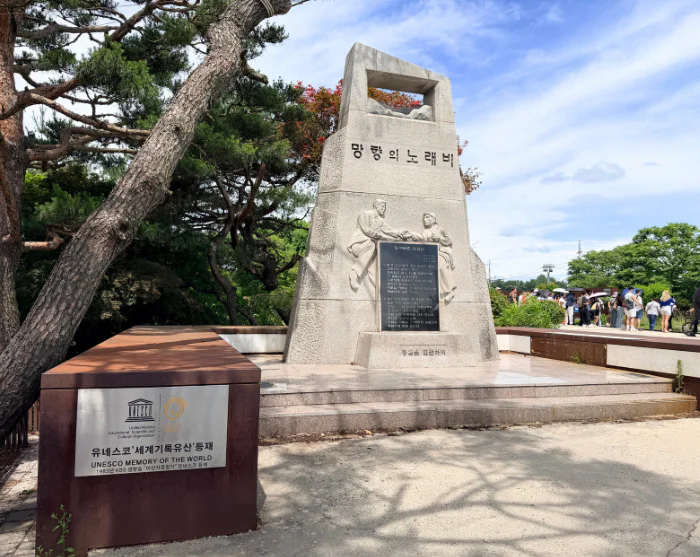
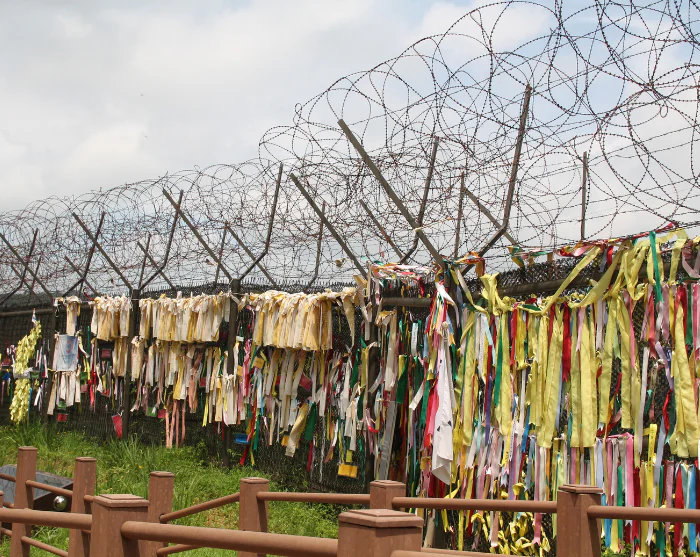
The tour will then continue to Imjingak Park near the Demilitarised Zone, where Korea’s modern history is closely intertwined. Today, the border area appears surprisingly peaceful and green, with farmland and rolling hills shaping the landscape. In the park, your guide will show you around Freedom Bridge and share the story behind the memorial dedicated to the families separated during the Korean War.
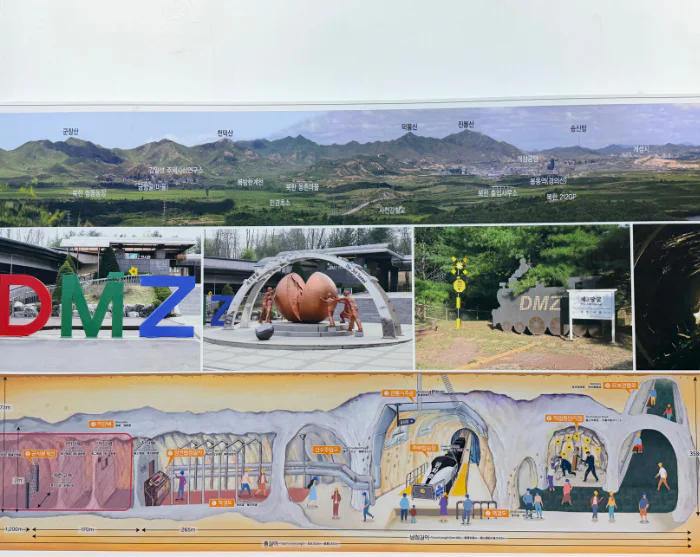
From Imjingak, you’ll board a bus with your guide and, following the mandatory passport check, enter the DMZ itself. Your first stop is the Third Infiltration Tunnel, one of four tunnels built by North Korea and later discovered by South Korea. Descending into the tunnel offers a powerful insight into the tense history that still shapes the peninsula today. The experience is then placed into perspective through films and exhibitions about the division of Korea at the DMZ Exhibition Hall.
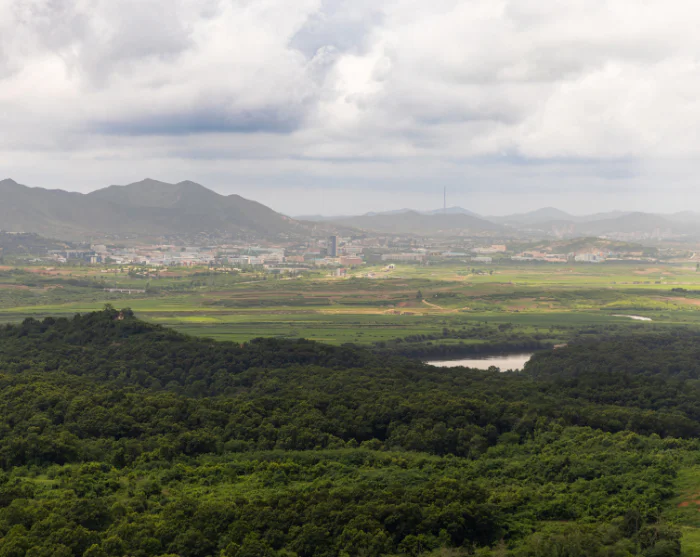
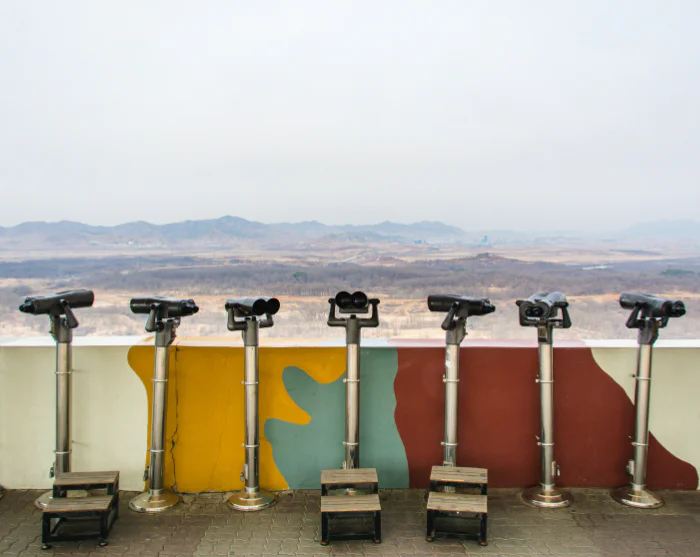
From here, the tour will continue to the Dora Observatory, which offers uninterrupted views across the Demilitarised Zone. Before you stretches a peaceful landscape of rolling green hills on both sides of the border, seemingly untouched by the profound historical and political significance the area holds.
As you let your gaze wander into North Korea, it can feel both close and impossibly distant at the same time. Through the binoculars, you can make out small villages, fields, and buildings, where daily life appears to carry on as it would anywhere else. At the same time, the area is marked by symbolism and carefully staged elements that serve as reminders of the political narrative that is also part of the reality here. This delicate balance between ordinary life and the official storyline creates a paradox that invites both curiosity and reflection. The experience is both sensory and deeply moving, and for many, it becomes a moment where the tranquillity of nature and the gravity of history meet in an almost surreal equilibrium.
Before heading back, you will also pass through Unification Village, a rural area surrounded by well-preserved countryside, where rice, soya beans, and ginseng are cultivated. Here, once again, you’ll sense the interplay between nature and the weight of history, and it is the perfect place to sample the area’s famous soya bean ice cream.
Back in Seoul, you can let the day’s many impressions settle over a visit to one of the many family-run restaurants, which in the evening fill up with local colleagues and friends meeting after a day at work.

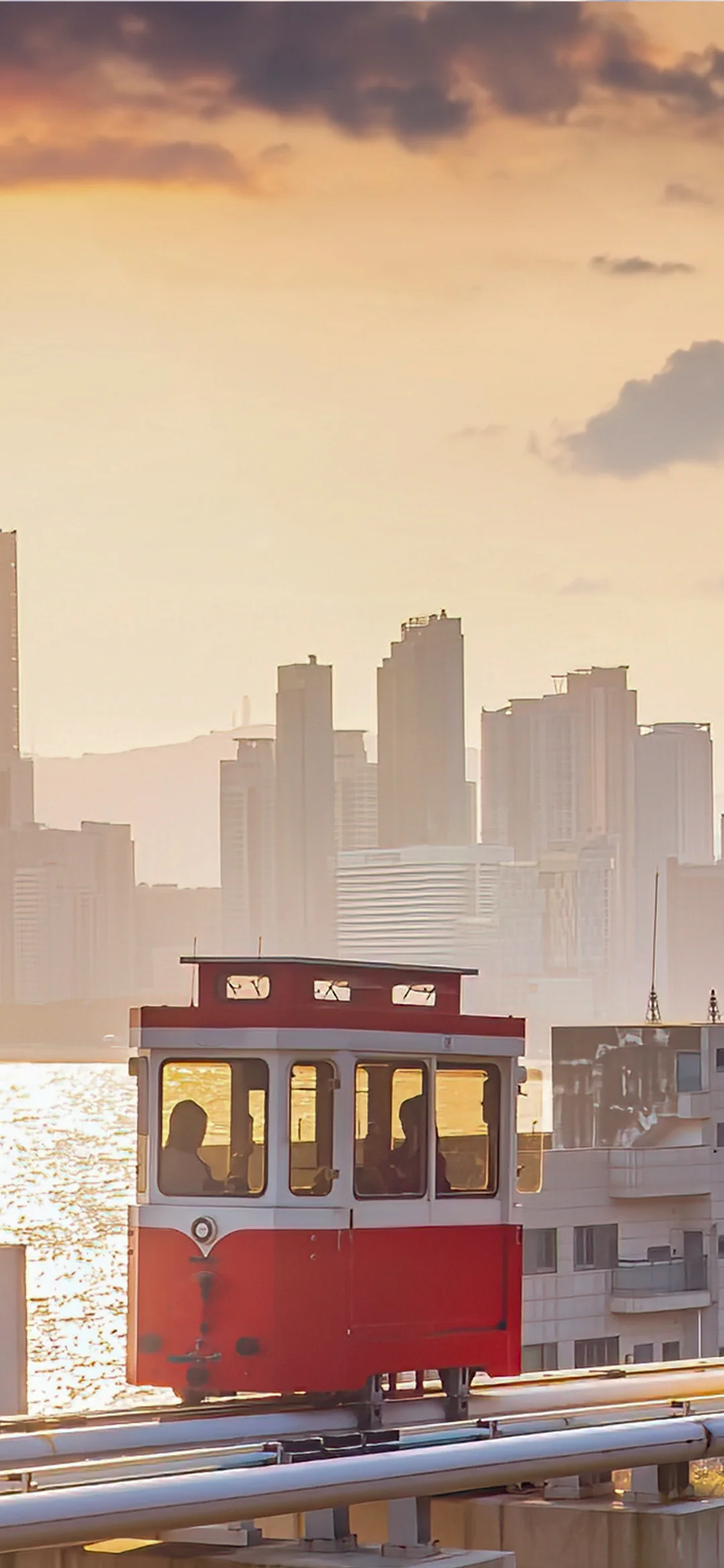
Today you’ll have plenty of opportunity to explore central Seoul at your own pace – the historical and cultural heart of the city.
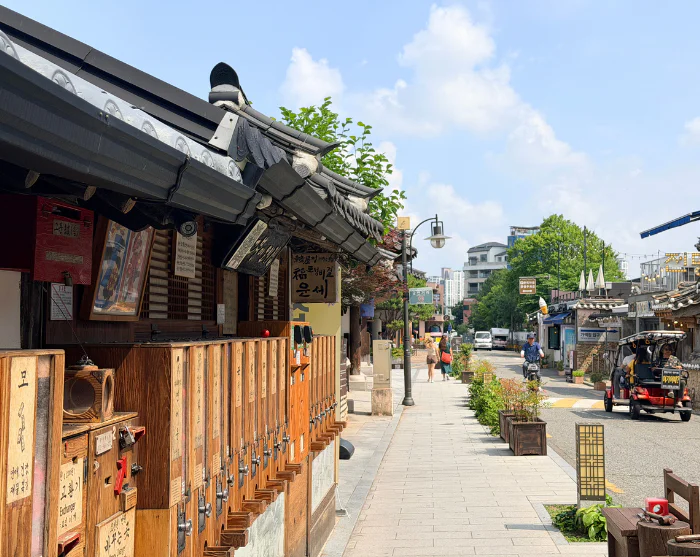
With fresh legs, you can easily wander between some of the most atmospheric neighbourhoods, all within comfortable walking distance of one another. Here, you’ll discover a different side of the capital, characterised by traditional houses, grand palaces, and narrow alleyways that stand in striking contrast to modern Seoul.
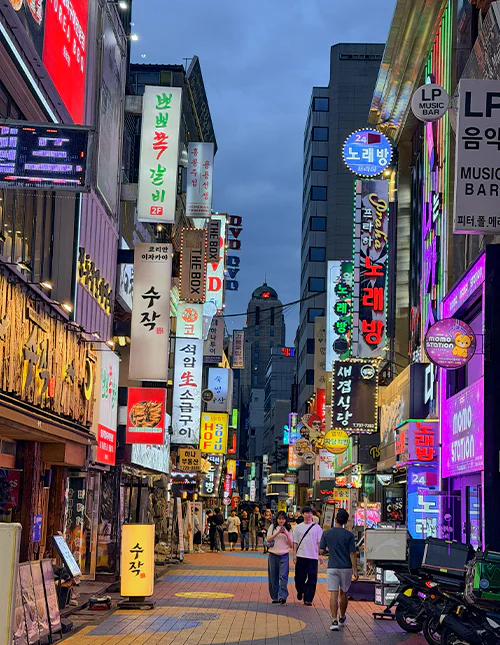
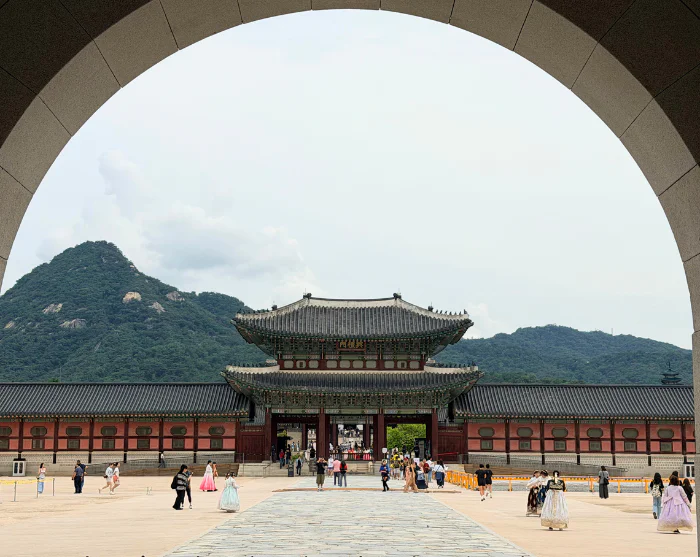
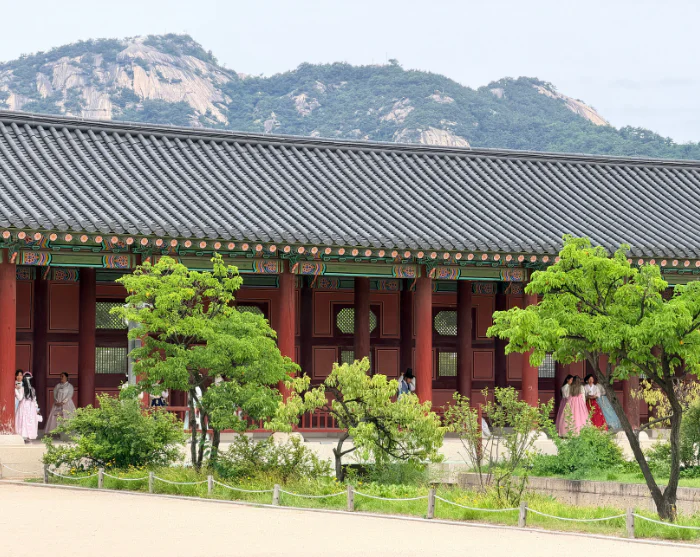
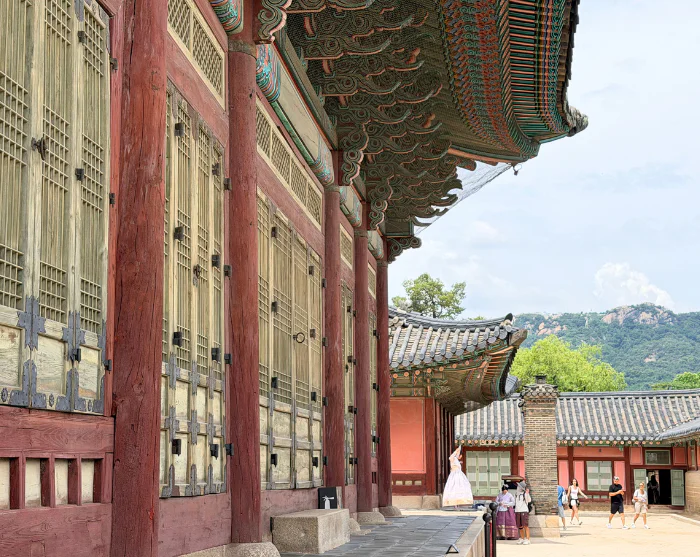
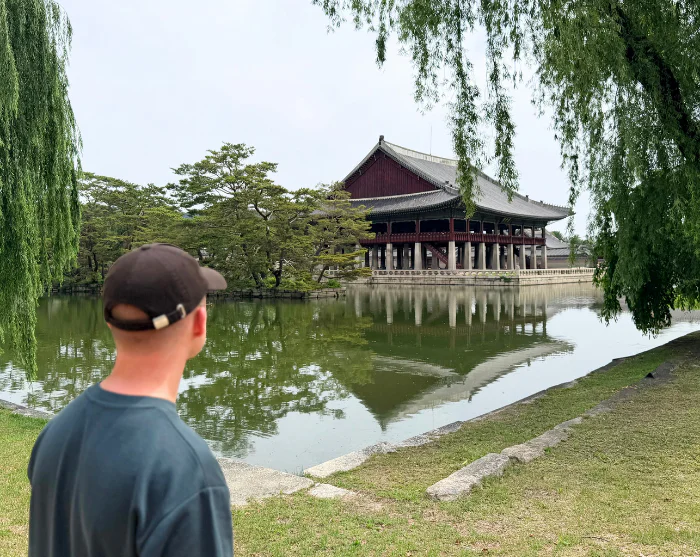
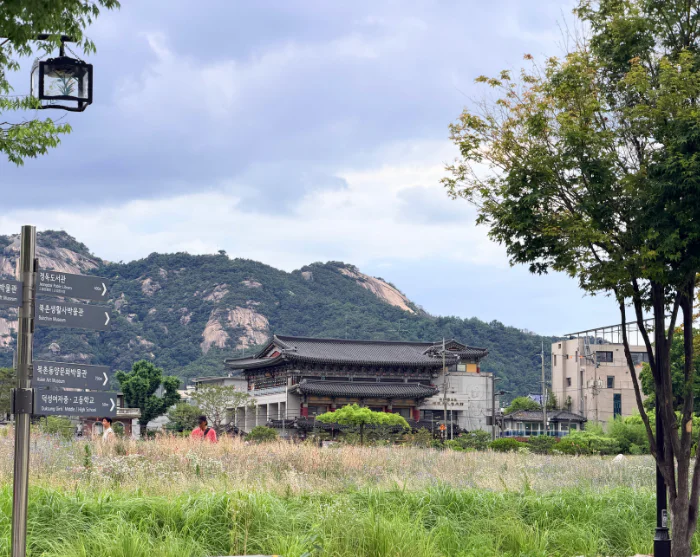
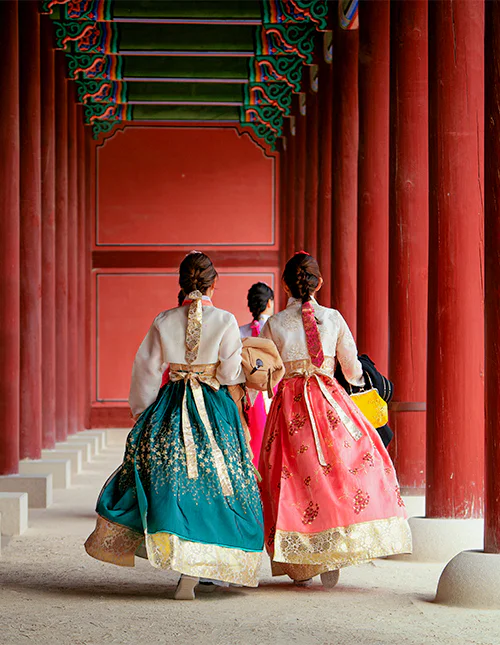
You might begin your day at Gyeongbokgung Palace, Seoul’s largest and most iconic royal palace. The open courtyards and symmetrical wooden buildings, adorned with colourful details and set against a backdrop of mountains, create an almost ceremonial sense of calm. As you pass through the gates and along the long colonnades, you’ll sense the echoes of history from when the palace was the centre of the Joseon dynasty. You may even be lucky enough to witness the changing of the guard, where soldiers in traditional dress perform a historic ceremony that brings the past vividly to life in the present.
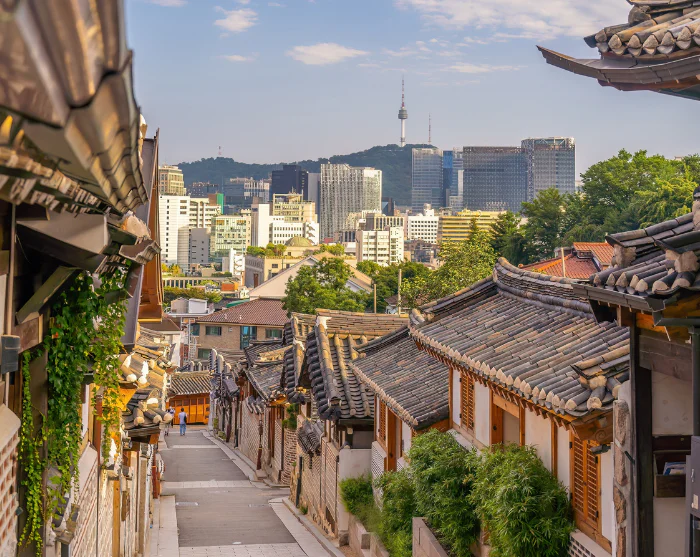
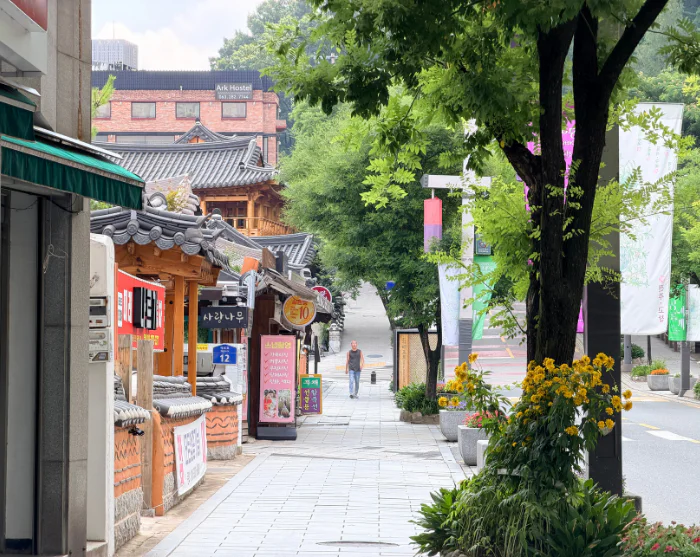
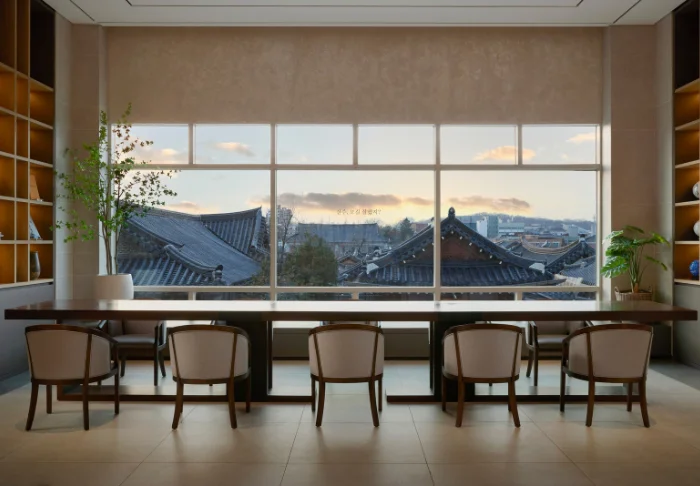
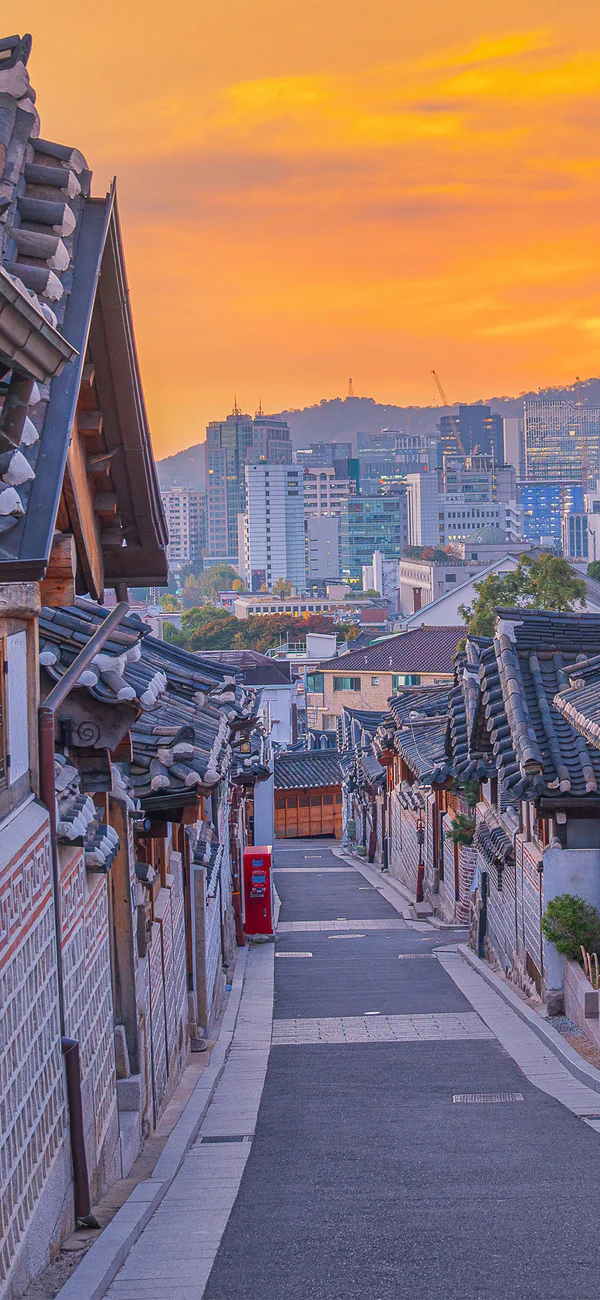
From here, you can continue to Bukchon Hanok Village, where narrow, winding lanes lead you between traditional hanok houses with curved tiled roofs and wooden façades. The area is still inhabited, offering a glimpse into a living neighbourhood where past and present exist side by side. Along the way, you’ll come across small viewpoints where you can gaze out over the city’s rooftops and sense the striking contrast between the low, historic buildings and Seoul’s modern skyline in the distance.
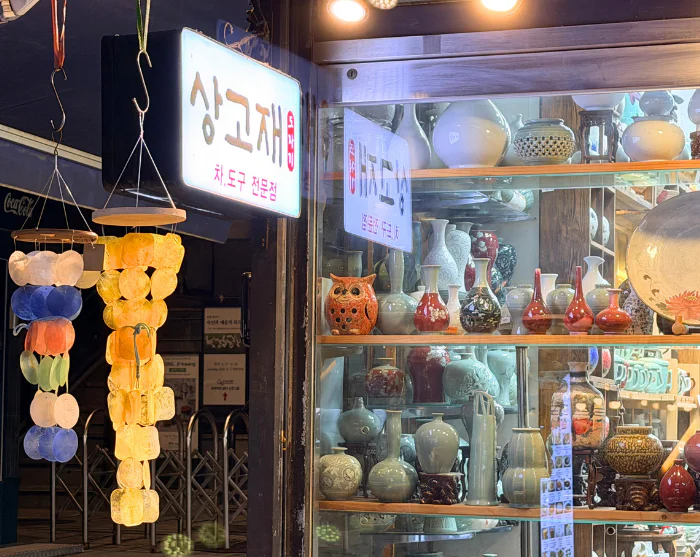
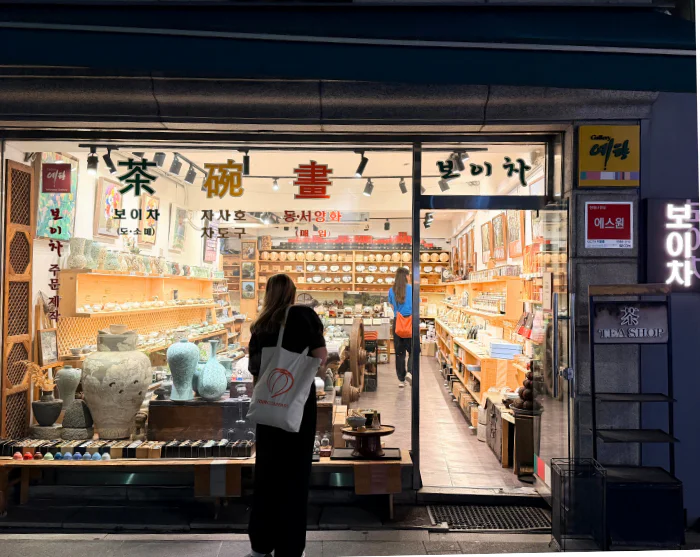
When hunger strikes, head on to Insadong. Among the district’s shops, you’ll find a wide selection of restaurants serving everything from classic bibimbap dishes to vegetarian temple cuisine inspired by Buddhist traditions. Afterwards, take time to explore the main street and the charming side alleys, known for their many craft shops where traditional goods are proudly made and sold. These sit alongside galleries and traditional teahouses, and you can browse everything from hand-painted ceramics and calligraphy to handmade paper goods, wooden figurines, and beautiful silk textiles.
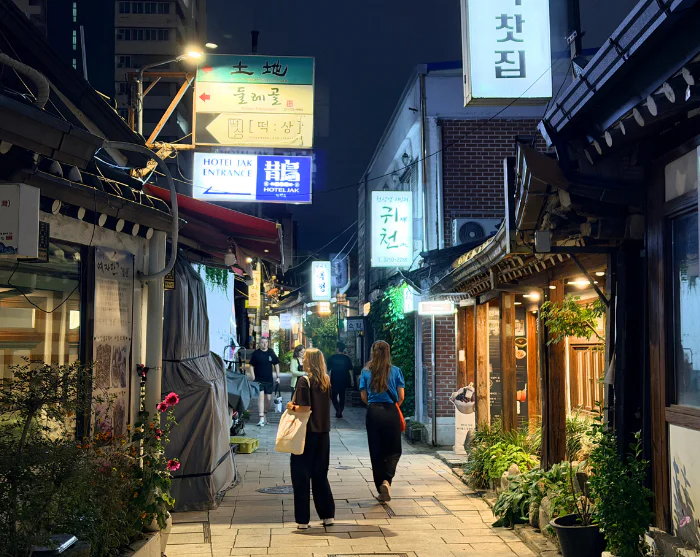
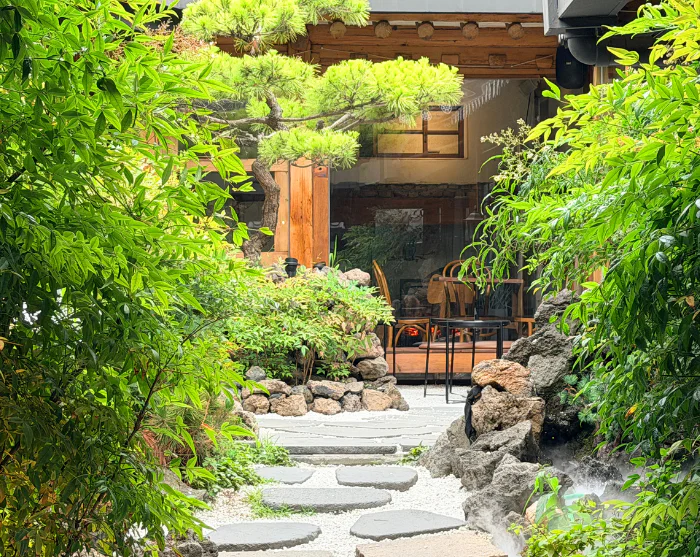
You can then continue on to Ikseon-dong, a smaller and more intimate neighbourhood where traditional hanok houses have been transformed into stylish cafés, design boutiques, and creative eateries. Here, old and new come together in a more playful way than in Bukchon. Behind the traditional façades, you’ll find colourful interiors, speciality coffee, and small shops showcasing local design. The atmosphere is youthful and creative, and the area buzzes with renewal while still holding on to its historical setting.
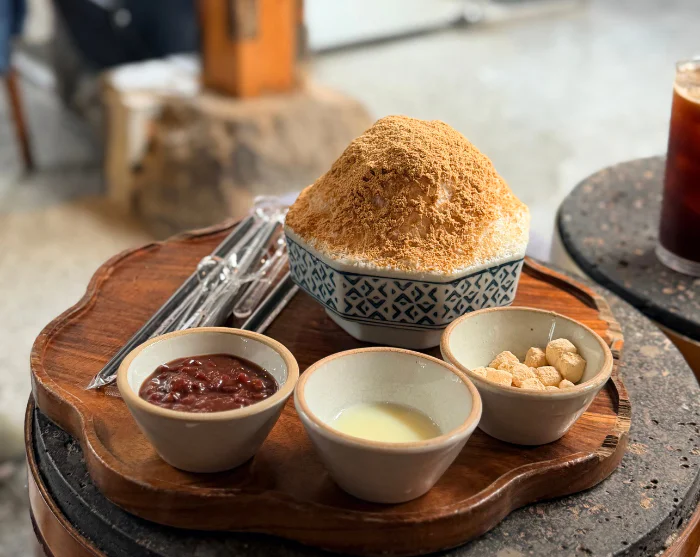
If you choose to stay in the area into the evening, you can enjoy a delicious meal in atmospheric surroundings, as old street lamps cast their warm glow across the neighbourhood. The many inviting restaurants and cafés serve both local favourites and fusion dishes that define modern Korean cuisine. If you fancy something sweet to round off the day, treat yourself to a bowl of bingsu, available in a wide range of delicious flavours.

Your tour is drawing to a close, but you’ll head home with a suitcase full of experiences, vivid impressions, and unforgettable encounters with South Korea’s fascinating culture and history.
In good time before your flight departs, make your own way by metro to Seoul Station, where the airport train will take you to Incheon International Airport in just under an hour.
From here, your journey home to Europe begins, with one or more connecting flight(s) along the way.
You’ll arrive at your selected airport and can look back on a tour filled with some of South Korea’s greatest highlights – and perhaps a small longing to return one day.
Children under 12 years from £2079
Single room supplement from £879

Emily loves to travel and is extremely passionate about helping others achieve their travel dreams.

Want to receive travel news and inspiration?
Sign up to our newsletter and enter our lucky draw for a £1000 travel gift card!