
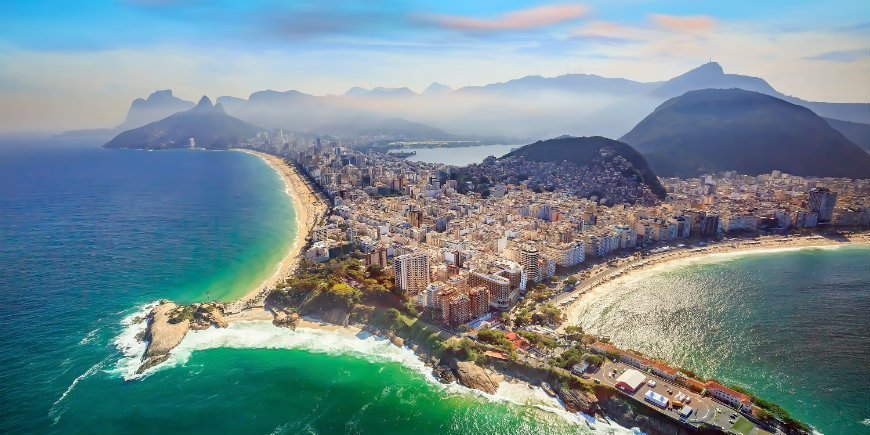
Magnificent nature experiences, fascinating cities, lush rainforest and beautiful beaches are just some of the outstanding sights the vast South American country has to offer.
Brazil is a destination in league of its own, but when is the best time to visit Brazil?
Read more below to learn more about the country’s climate.
NB: The guide below is a guideline only.
The Brazilian climate
Brazil is a fantastic destination all year round!
However, the question of when is the best time to visit the country depends entirely on where you’re going. Area-wise, Brazil is the fifth largest country in the world, and its enormous size has a huge influence on the country’s climate and seasons.
Brazil lies on the equator, so most of the country is tropical, though the climate in the south of the country is subtropical. The tropical climate belts mean that most of Brazil is hot and humid. But dry and rainy seasons are also determined by where you are in the country.
The dry season is Brazil’s winter, while the rainy season is summer – so the opposite way around to here in the UK.
Below, you can read about the climate in specific places in Brazil.
The Amazon
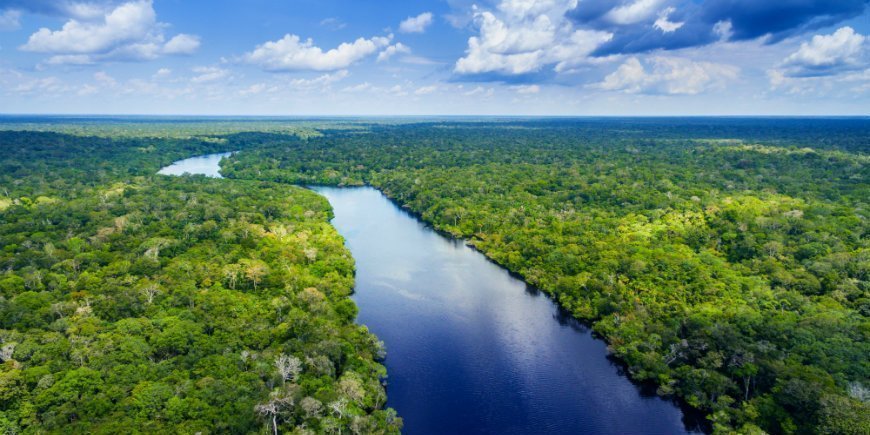
The Amazon rainforest has a climate all of its own.
Humidity and temperatures are higher here than in the rest of northern Brazil. You can expect hot weather day and night, all year round. And the rainforest sees a lot of rainfall.
But although it rains all year round in the Amazon, the rainforest can nevertheless be divided into a dry season and a rainy season.
The Amazon’s dry season is roughly between June and November.
- In the dry season, an average of between 50 and 200 mm rain falls per month. One of the main differences compared to the rainy season is that it is sunnier and hotter during this period.
The Amazon’s rainy season is roughly between December and May.
- In the rainy season, you can expect roughly the same temperatures as in the dry season, but with more humid weather and, of course, more rain. The showers are longer than during the rest of the year, and an average of 200–300 mm rain falls per month.
The heat and humidity are intense in the rainforest, but the magnificent experiences outweigh the sweat on your brow.
In May and June, the water level is high, providing excellent opportunities for some great boat rides on the Amazon. And if you want to hike, that’s best in the dry season.
| Weather statistics for Manaus (the Amazon): | JAN | FEB | MAR | APR | MAY | JUN | JUL | AUG | SEP | OCT | NOV | DEC |
| Average maximum temperature | 30 | 29 | 30 | 30 | 30 | 30 | 31 | 32 | 33 | 33 | 32 | 31 |
| Average minimum temperature | 24 | 24 | 24 | 24 | 24 | 24 | 24 | 25 | 25 | 25 | 25 | 24 |
| Rainfall mm | 264 | 290 | 335 | 331 | 279 | 115 | 85 | 47 | 74 | 113 | 174 | 220 |
Salvador
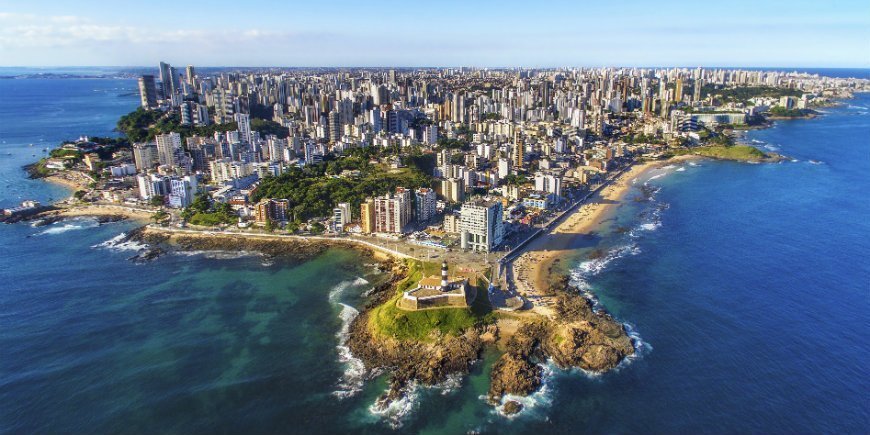
Salvador, a coastal city in northern Brazil, also has a tropical climate.
The weather in Salvador offers reasonably constant, hot temperatures all year round. And you should be aware that the city receives a lot of rain all year round.
Salvador’s dry season is roughly between August and March
- In the dry season, an average of between 110 and 150 mm rain falls per month.
Salvador’s rainy season is roughly between April and July
- In the rainy season, the humidity rises, and between 200 and 325 mm of rain falls on average every month – mostly in April and May. However, despite the rainfall, the sun is out for much of the day. When the rain comes, it falls in heavy showers, which are soon replaced by sunshine.
The carnival in Salvador typically takes place in February or March, when a lot people visit the city.
| Weather statistics for Salvador: | JAN | FEB | MAR | APR | MAY | JUN | JUL | AUG | SEP | OCT | NOV | DEC |
| Average maximum temperature | 30 | 30 | 30 | 29 | 28 | 27 | 26 | 26 | 27 | 28 | 29 | 29 |
| Average minimum temperature | 24 | 24 | 24 | 23 | 23 | 22 | 21 | 21 | 22 | 23 | 23 | 23 |
| Rainfall mm | 111 | 121 | 145 | 322 | 325 | 251 | 204 | 136 | 112 | 122 | 119 | 132 |
Rio de Janeiro
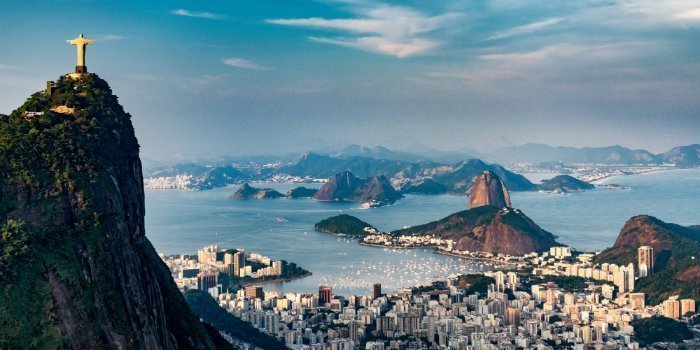
The coastal city of Rio de Janeiro has a tropical climate and diverse weather in the dry and rainy seasons.
The city’s climate is influenced by its location on the Atlantic coast, which helps lower the temperature.
Rio’s dry season is roughly between May and October.
- During the dry season, you can expect hot temperatures with cooler evenings. The dry season also offers overcast days, with occasional rain, but the sky is often blue and sunny.
Rio’s rainy season is roughly between November and April.
- The rainy season is hot. The thermometer can reach as much as 40 degrees on a hot day. At night, the temperature drops to a more comfortable level. There is a lot of rain, but it is often quickly over and you can soon get out and experience the beautiful city in dry weather. Throughout the period, between 100 and 170 mm of rain falls per month on average – mostly in December.
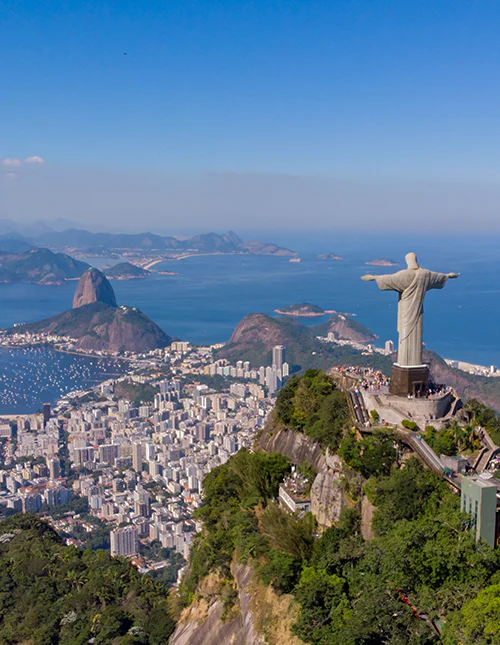
If you like walking and love sightseeing, May to September (dry season) is a good time to visit Rio. The pleasant, clear weather offers spectacular views from viewpoints such as the Sugar Loaf.
The carnival in Rio takes place in February or March, so you should be aware that a great many visitors from Brazil and the rest of the world flock to the city during this period.
| Weather statistics for Rio de Janeiro: | JAN | FEB | MAR | APR | MAY | JUN | JUL | AUG | SEP | OCT | NOV | DEC |
| Average maximum temperature | 29 | 30 | 29 | 28 | 26 | 25 | 25 | 26 | 25 | 26 | 27 | 29 |
| Average minimum temperature | 23 | 24 | 23 | 22 | 20 | 19 | 18 | 19 | 19 | 20 | 21 | 22 |
| Rainfall mm | 114 | 105 | 103 | 137 | 86 | 80 | 56 | 51 | 87 | 88 | 96 | 169 |
Iguazu Falls
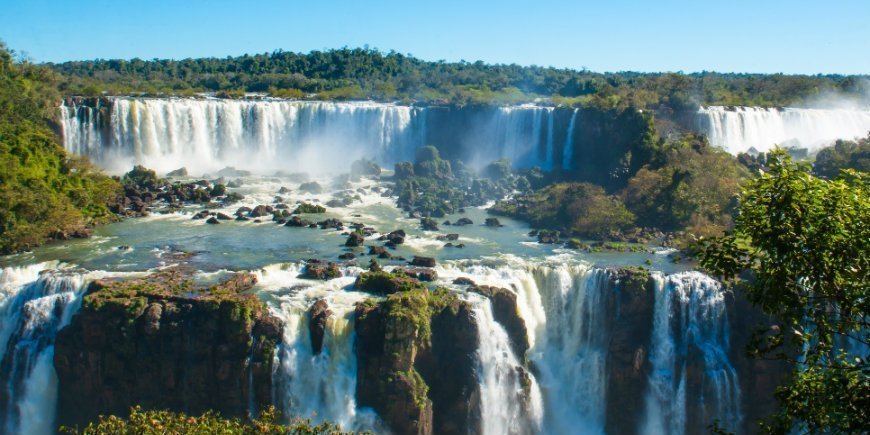
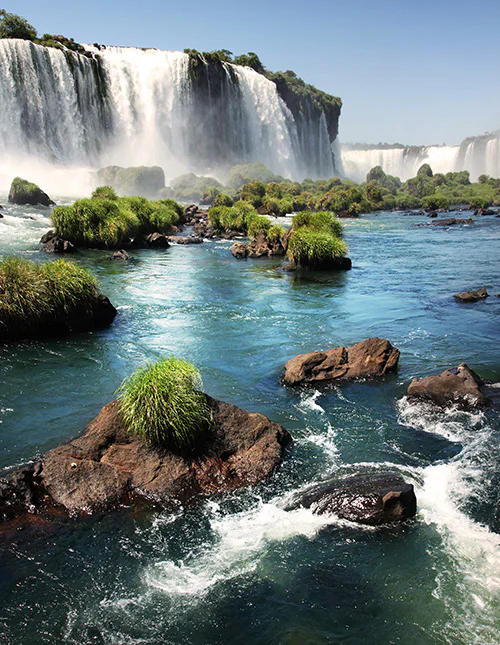
On the border with Argentina is one of the world’s largest waterfalls, Iguazu. The weather at Iguazu Falls is cooler than in the other places mentioned in Brazil as the falls lies in the subtropical climate belt, it’s generally warm all year round.
The area around Iguazú has rain all year, but the intensity of the rain varies.
June to August (Winter):
- Cooler, more comfortable climate for exploration.
- Fewer visitors, allowing for a peaceful visit.
- Lower water levels, but all paths are typically accessible.
September to November (Spring):
- Warmer weather begins, with increasing rainfall.
- Comfortable temperatures.
- Great time to avoid peak tourist seasons.
December to February (Summer):
- Highest water levels and lush greenery surrounding jungle.
- Spectacular view of the falls at their most powerful.
- Hottest and most humid time, with larger crowds.
March to May (Autumn):
- Decrease in rainfall and return to milder weather.
- Ideal for visitors preferring cooler temperatures and less humidity.
- Fewer crowds.
Each season at Iguazu Falls offers a unique experience, from the powerful torrents of the summer rains to the serene beauty of the winter months. Visitors can choose the time of year that best suits their preferences for weather and water volume to witness the stunning natural wonder of Iguazu Falls.
| Weather statistics for Foz do Iguaçu: | JAN | FEB | MAR | APR | MAY | JUN | JUL | AUG | SEP | OCT | NOV | DEC |
| Average maximum temperature | 33 | 32 | 32 | 29 | 25 | 24 | 24 | 27 | 28 | 30 | 31 | 33 |
| Average minimum temperature | 21 | 21 | 20 | 17 | 14 | 12 | 12 | 13 | 14 | 18 | 19 | 20 |
| Rainfall mm | 110 | 100 | 80 | 90 | 70 | 110 | 50 | 60 | 100 | 110 | 110 | 100 |
Pantanal
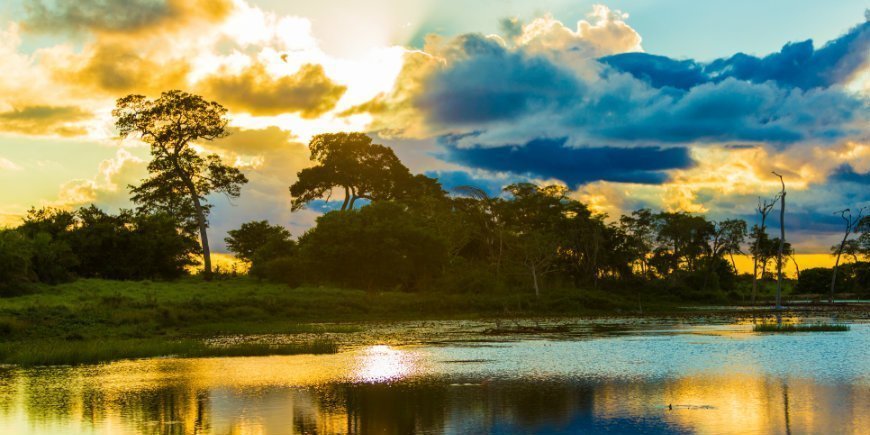
In south-western Brazil lies the world’s largest wetland, Pantanal. Pantanal is located in the tropical climate belt.
Pantanal’s dry season is roughly between April and October.
- In the dry season, an average of between 40 and 110 mm rain falls per month – lowest from June to August. It is also hot in Pantanal during the dry season, and the nights are warm.
- The dry season offers unique conditions if you’re into birds and are fascinated by reptiles. At this time of the year, you can explore the wetlands on foot, on horseback or in boats, and as the area slowly dries out, the animals have more space.
Pantanal’s rainy season is roughly between November and March.
- During this period, it rains every day, but often only for a couple of hours at a time. During the entire period, between 130 and 250 mm of rain falls on average per month – mostly in December and January.
- The weather is also hottest in the rainy season. However, the temperatures are quite stable throughout the period. The daytime temperatures can reach 40 degrees from December to February, sometimes more. The nights bring more comfortable temperatures.
- In the rainy season, it is easiest to explore the wetlands in a boat. At this time, it is easier to find the animals as they gather in the dry areas. You may, for example, witness caimans building nests and see small caimans at the end of the season
| Weather statistics for Campo Grande (Pantanal): | JAN | FEB | MAR | APR | MAY | JUN | JUL | AUG | SEP | OCT | NOV | DEC |
| Average maximum temperature | 31 | 31 | 32 | 31 | 28 | 28 | 28 | 30 | 31 | 32 | 31 | 32 |
| Average minimum temperature | 22 | 22 | 22 | 20 | 17 | 17 | 16 | 17 | 19 | 21 | 21 | 22 |
| Rainfall mm | 243 | 187 | 145 | 101 | 111 | 45 | 46 | 40 | 81 | 110 | 130 | 229 |
So when should I travel?
As you can see, the weather in Brazil varies a lot, both depending on where you are and when you visit the country.
Brazil is particularly popular between December and March, when it’s winter in Europe. During this period, you get plenty of lovely hot weather, despite it being rainy season in several parts of the country. A lot of people take their holidays in these months – the Brazilians, too – and it’s also carnival season, when, among others, the world’s largest carnival is held in Rio.
Countless wonderful experiences also await you outside peak season. This is, for example, the best time to visit the Amazon and Pantanal. Prices are often lower outside peak season and you may find that there are fewer visitors.
However, regardless of when you travel, we guarantee that you will return home many fantastic experiences the richer.
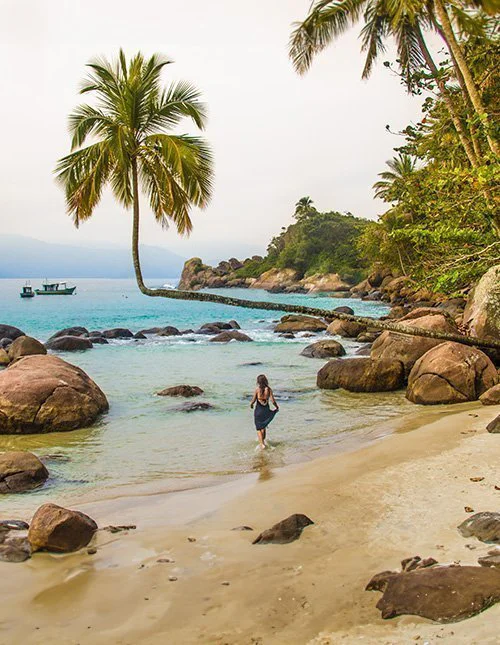

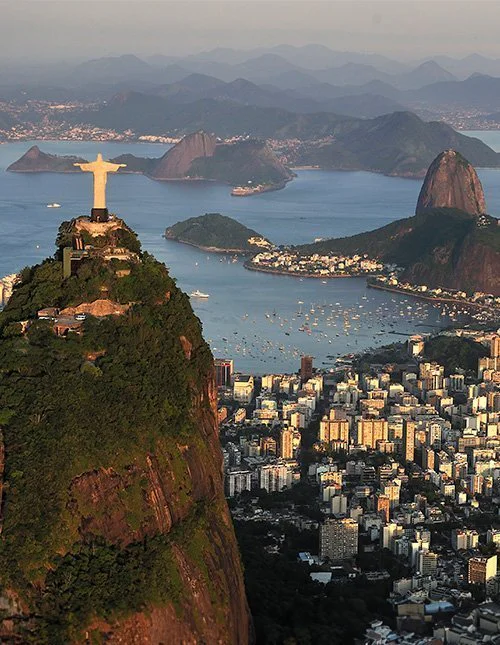

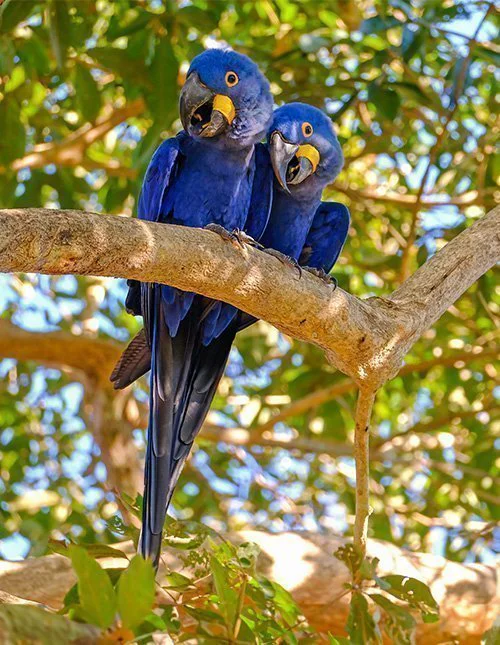
Brazil is a breathtaking country, and having encountered its people, nature and culture, there’s a good chance you’ll be back!
If you have any doubts about what time of the year or tour is best suited to what you want to see and do, do not hesitate to contact our travel specialists who are on hand to help you on your way to your next dream holiday.
NB: Please note that this is a guideline only, and recommendations may change on an ongoing basis.
TourCompass – From tourist to traveller