When you travel to Japan, you’ll encounter a nation with proud traditions, a remarkable sense of politeness, and a world-class level of service.
It may be tempting to reach for your wallet to show your appreciation with a little extra – but tipping is not a common practice in Japan in the same way it is in many other destinations.
In this blog post, you can learn about Japan’s tipping culture and our recommendations for how best to show your gratitude when you’re travelling.
Do people tip in Japan?
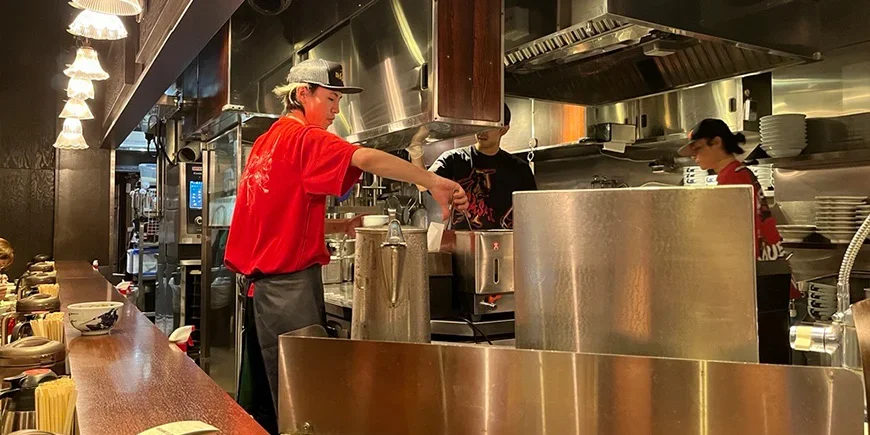
No, generally speaking, tipping is not customary in Japan.
You may be used to tipping in Asia at destinations such as Thailand, Vietnam, or Sri Lanka. But in Japan, service isn’t something provided in the hope of a reward. It’s considered a natural and proud part of one’s work.
This is deeply rooted in the life philosophy of omotenashi, which loosely translates to heartfelt hospitality.
Whether you’re sitting in a small local restaurant in Kyoto or checking in at a hotel in Tokyo, you’ll notice a unique level of attentiveness and courtesy. The staff are present, helpful, and respectful – without expecting anything in return. That’s partly because the Japanese don’t rely on tipping as part of their wages, unlike in the American tipping culture.
If you do happen to leave money on the table, there’s a good chance the staff will run after you to return it.
Are there any exceptions where tipping is appropriate?
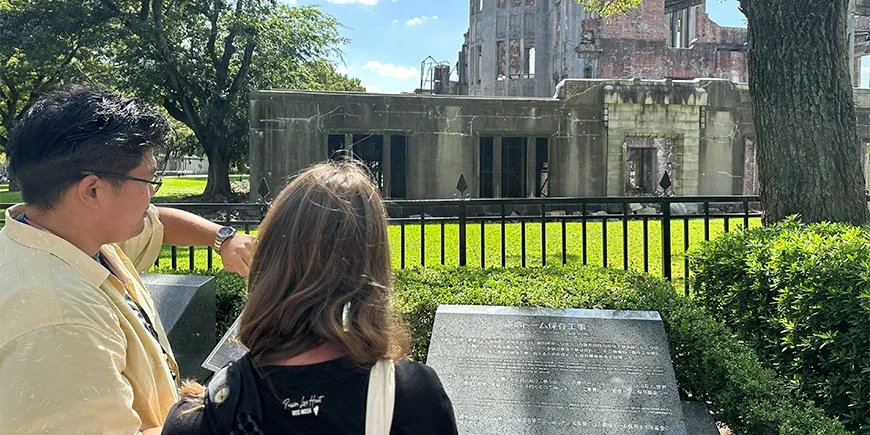
Yes. Although tipping is generally not customary in Japan, our experience shows that in certain international settings, tips are being received more favourably as the country grows increasingly popular among travellers.
For example, it is becoming more common to tip international guides who are used to guests from places such as the USA. One of our colleagues recalled a larger excursion where a young guide, with a playful smile, hinted that tips were appreciated. This highlights that there are indeed exceptions to the general rule in Japan.
If you wish to give a tip, it is considered polite to place a few notes in an envelope. This gesture is known as “kokorozuke”, which roughly translates to “from the heart”.
If you’re unsure, we recommend that you take a moment to observe the situation – for example, wait and see whether the other travellers (on larger excursions) give the guide or driver a tip. This way, you can easily sense the atmosphere and decide what feels appropriate.
Other ways to show gratitude in Japan
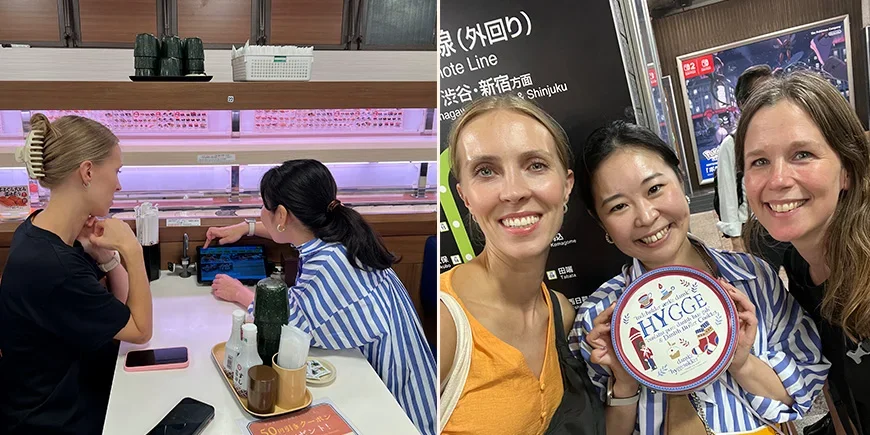
Although tipping isn’t part of the culture, there are plenty of other ways to express your appreciation – and these often mean far more.
It can be a lovely gesture to learn a few Japanese phrases so you can politely say “thank you for the meal.” “Arigatou gozaimasu” is a polite way to say thank you, while “gochisosama deshita” is used to thank someone for the food. You’ll often hear the staff and other guests using these phrases during your restaurant visit.
If you’d like to show special appreciation to a guide or someone who has made your time in Japan particularly memorable, a small gift is a thoughtful gesture. For instance, we’ve had great experiences bringing small tokens from home that can be given in moments like these.
Still have questions about tipping in Japan?
Although tipping isn’t part of Japanese culture, it can still feel unusual to travel without giving the customary “bonus” to service staff.
Embrace the Japanese approach to hospitality: offer a smile, use polite expressions, and pay attention to detail – these gestures are often valued far more than money.
If you still have questions or would like some practical tips for your tour to Japan, our travel specialists are always ready to guide you.
TourCompass – From tourist to traveller