11 days
From £2979
Beijing, Xi’an & Shanghai
Do you dream of experiencing China but have limited time available? Then this shorter tour is perfect for you. You will visit three unique UNESCO World Heritage sites and Shanghai’s crazy contrasts.

Do you have limited time available, but dream of experiencing China’s classic sights? Then this tour is perfect for you.
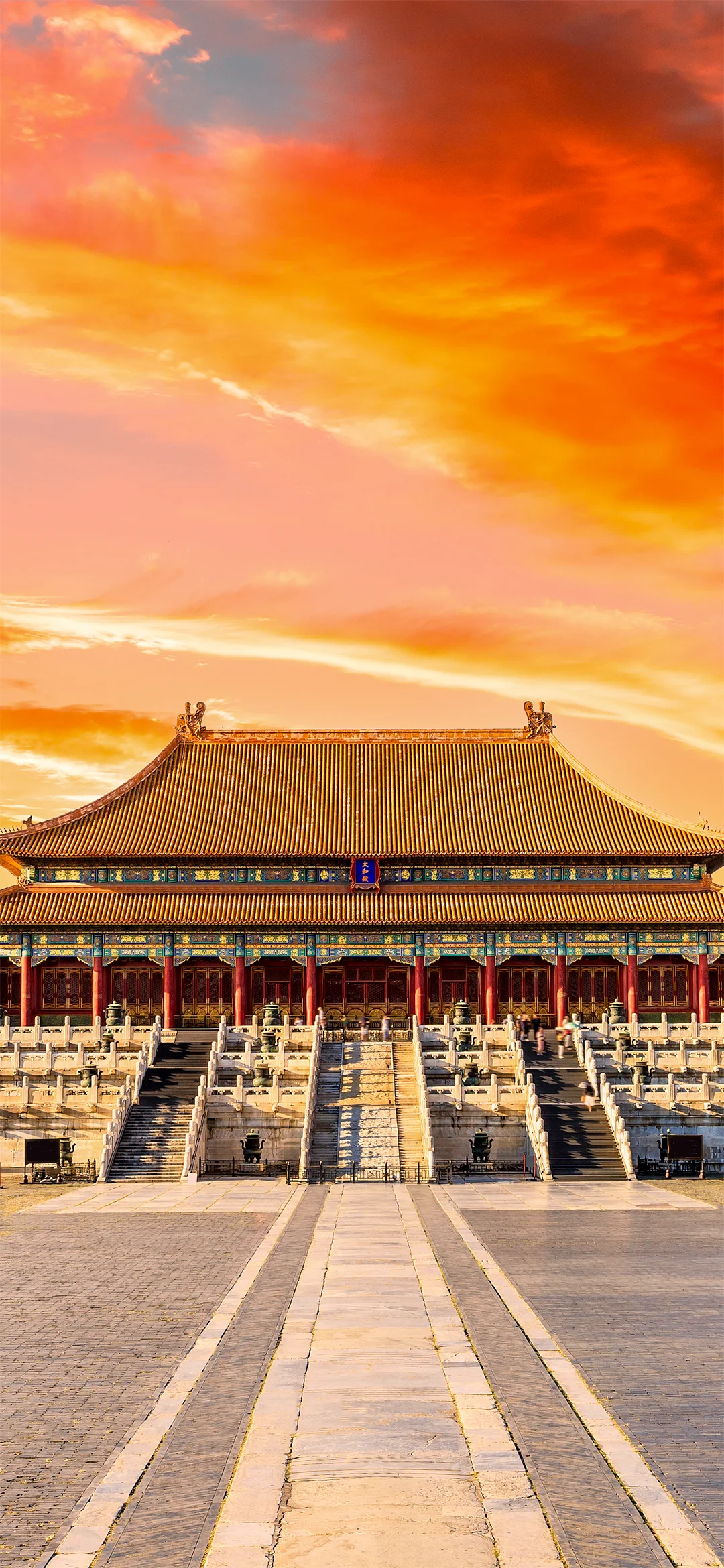
You start in the historic power centre, Beijing, where you walk in the Emperor’s footsteps. You visit Tiananmen Square, the Forbidden City and the highest point of Beijing, Coal Hill.
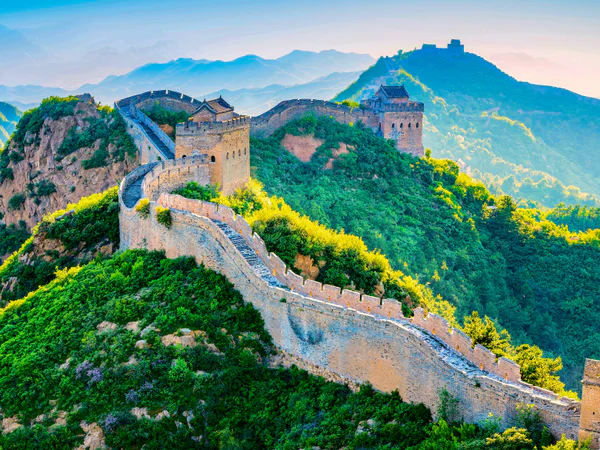
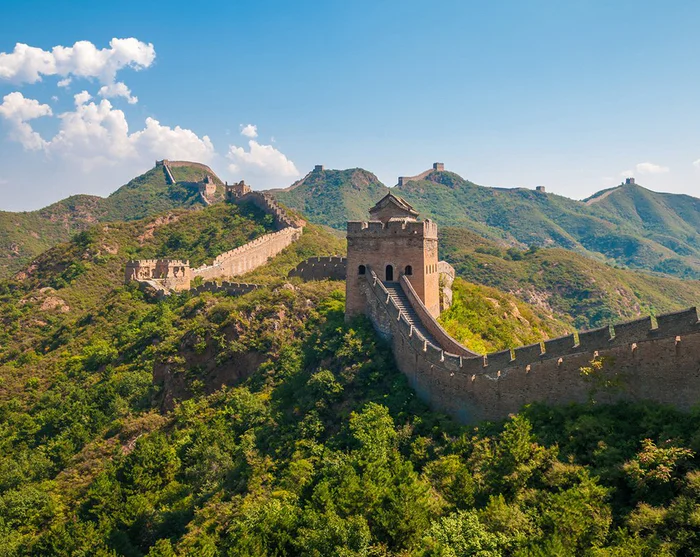
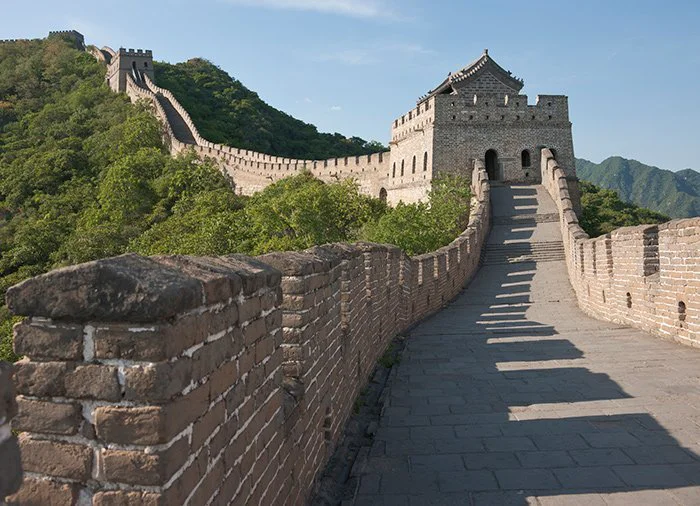
A couple of hours’ drive from the capital awaits China’s landmark, the Great Wall, which stretches many thousands of kilometres through northern China. You can certainly look forward to this impressive line of defence!
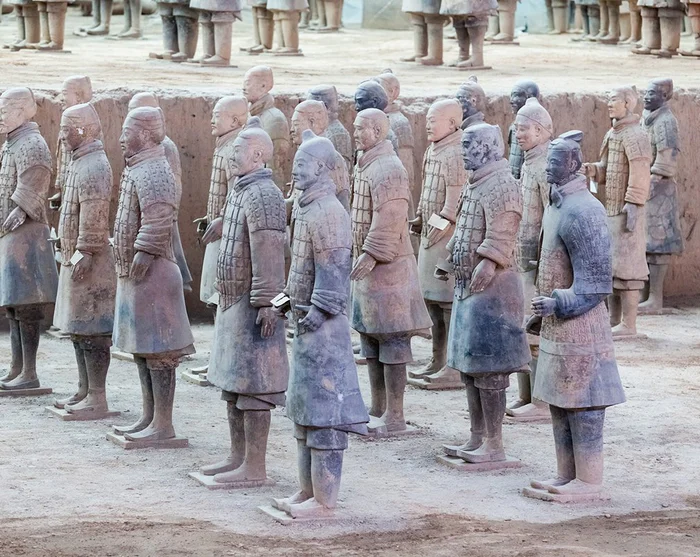
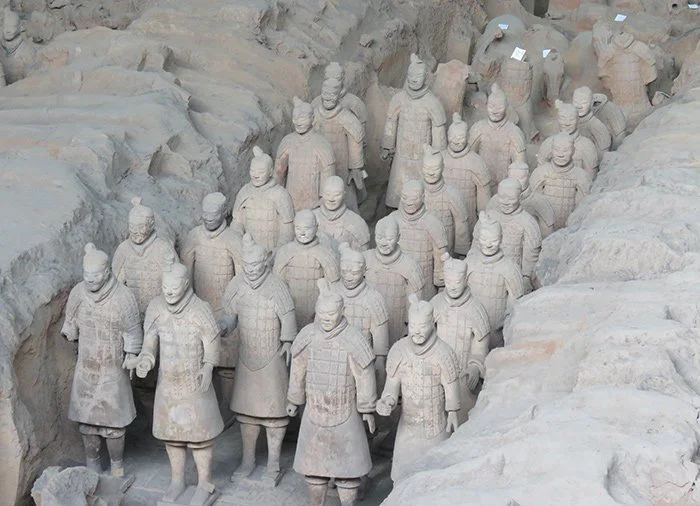
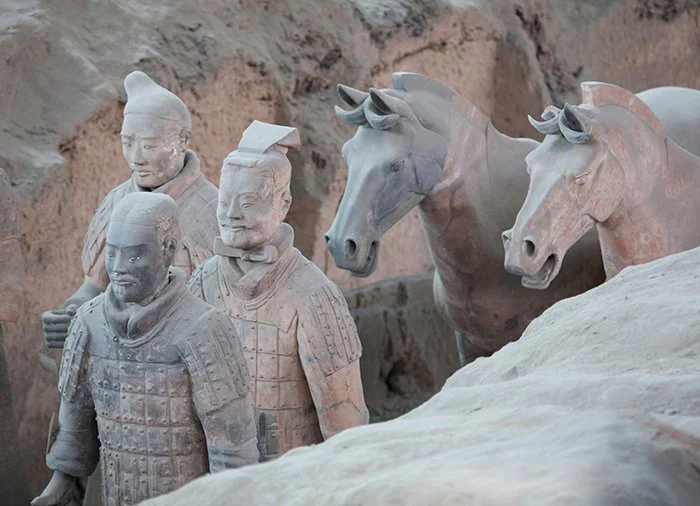
You then head 1,000 km south-west to the charming city of Xi’an, where you will discover the Muslim Quarter and the Terracotta Army, the largest find of underground sculptures the world has ever seen. There are more than 7,000 human-size terracotta warriors, all with different faces and hairstyles. So impressive!
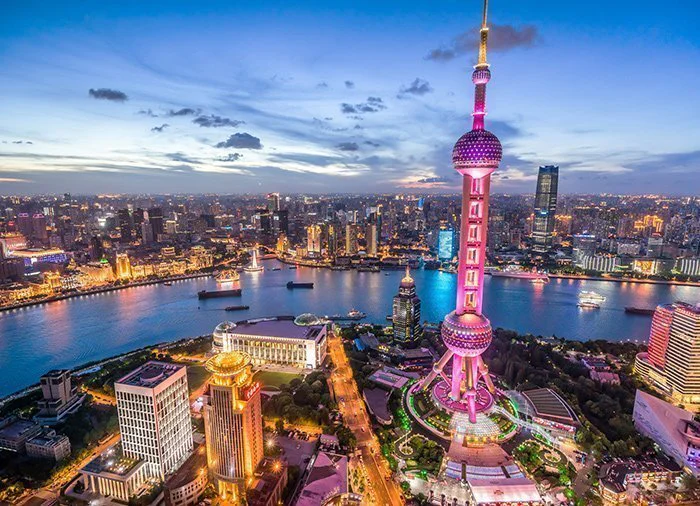
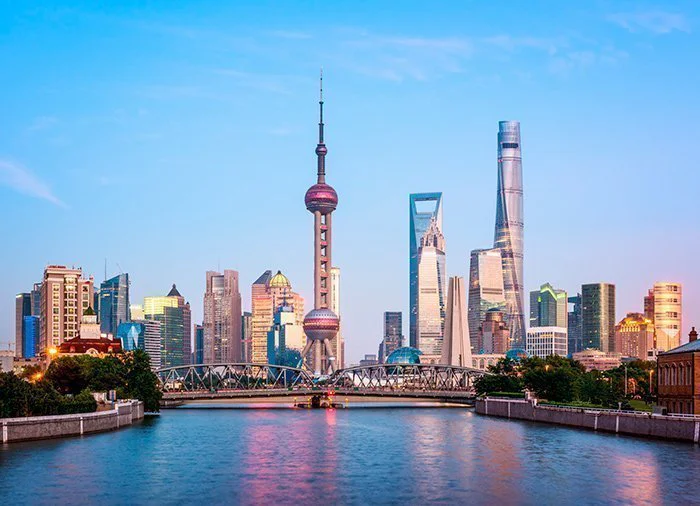
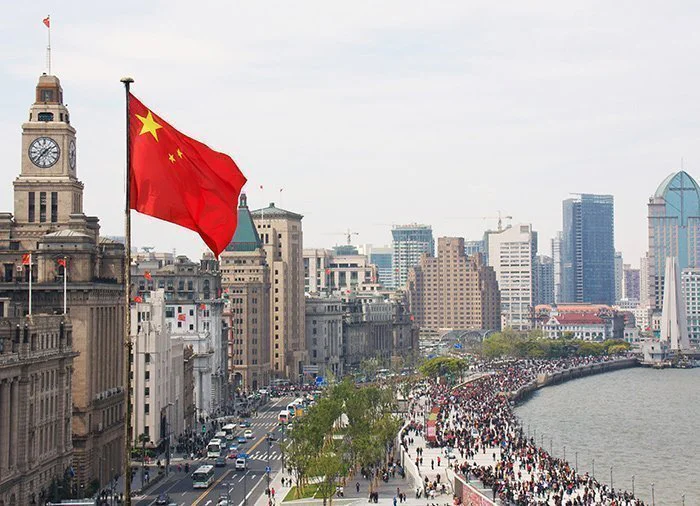
The tour rounds off in China’s financial centre, Shanghai, where things are developing at lightning speed. Shanghai is also the city of contrasts – you get the feeling of being back in the early 1900s along the waterfront, the Bund, and the rush from the 97th floor of a futuristic skyscraper.
China is a fascinating country in every way!
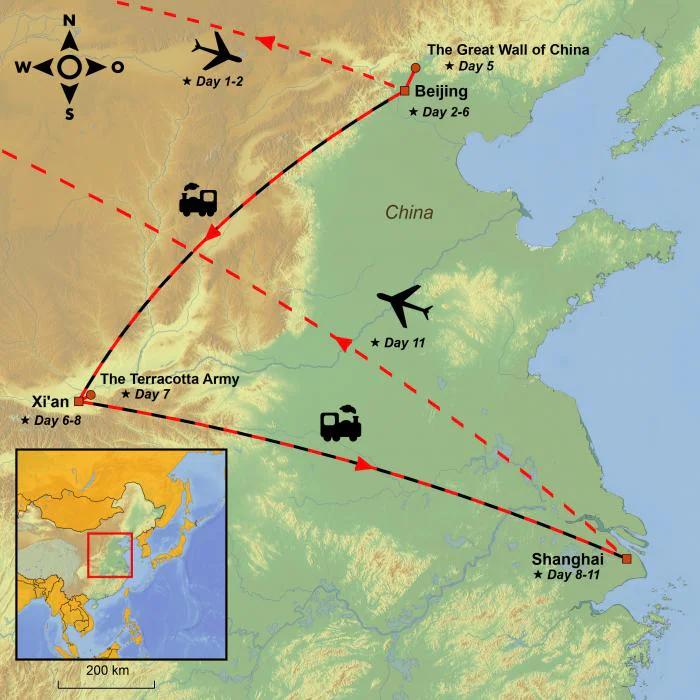
Today, you will fly from your chosen airport to China’s capital, Beijing, with connecting flights along the way.
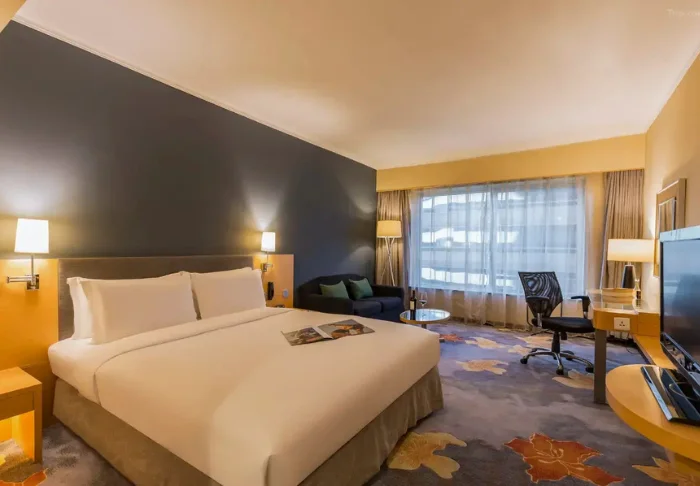
You arrive at Beijing’s International Airport, go through immigration, and then pick up your luggage. Your guide is waiting for you out in the arrivals hall, holding up a TourCompass sign with your name on it. On the drive to the hotel, the guide will run through your itinerary with you and answer any questions you may have. The guide will also tell you about China, what to respect and what to be aware of. Upon your arrival at the hotel, which is located in the central Beijing, a short walk awaits you, so you can familiarise yourself with the area around the hotel.
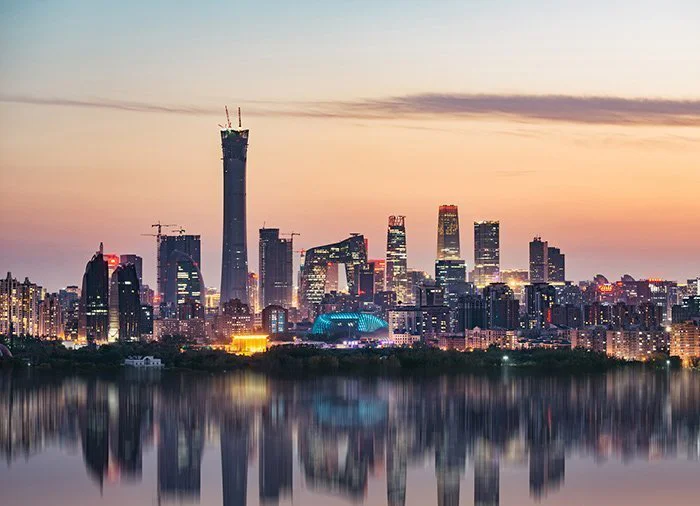
After check-in, there is plenty of time for a rest, a shower and to get unpacked. You can also go out and explore the Chinese capital, which is home to some 22 million inhabitants.
China’s history is closely linked to Beijing, and nowhere else in China will you find quite the cultural treasures and sights found here. So you have good reason to look forward to the coming days.
Today, a fascinating guided tour of Beijing awaits you. You’ll be doing a lot of walking, so be sure to wear comfortable shoes.
After a hearty breakfast, you will meet the guide in the lobby, where the day’s excursion to Beijing’s most popular sights starts.
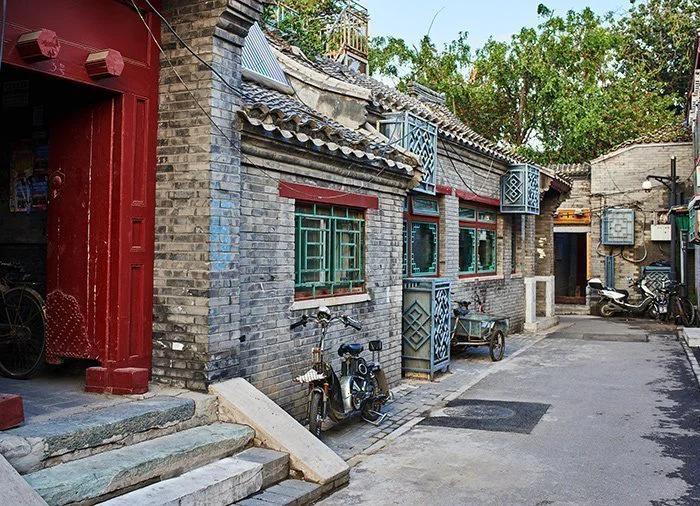
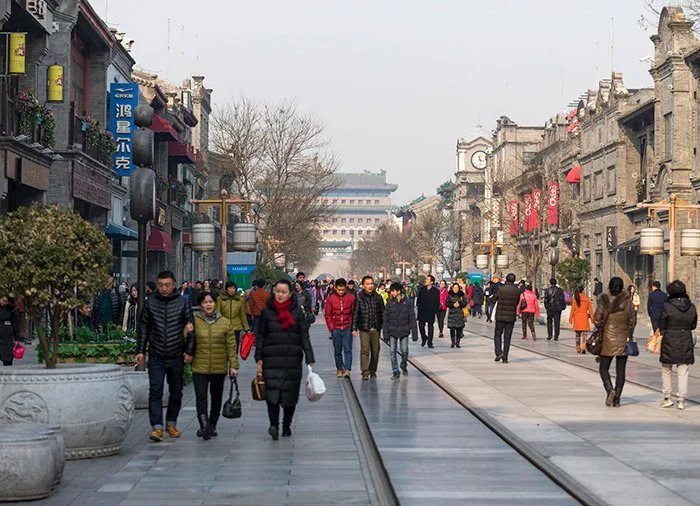
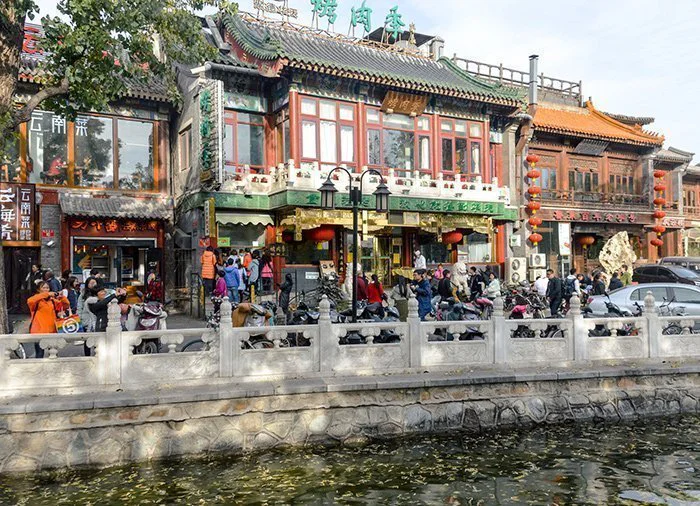
You walk from the hotel to the 840-metre-long shopping street, Dashilan, south of Tiananmen Square. Dashilan is one of the oldest shopping areas in Beijing, where you will find clothes stores, restaurants, cafés and shops selling Chinese specialities and souvenirs.
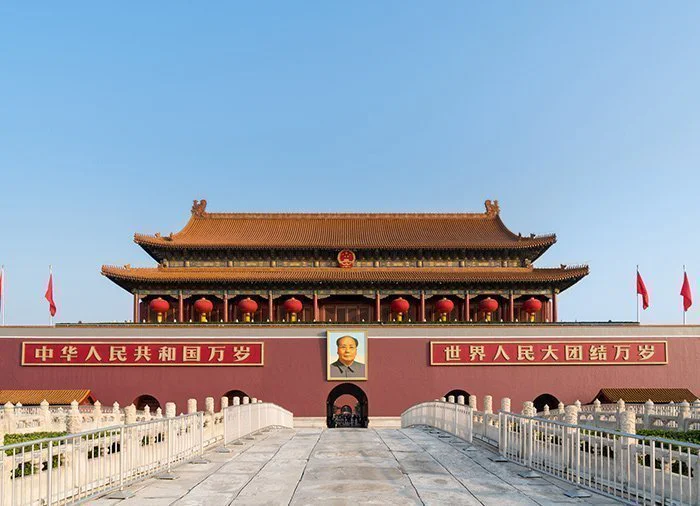
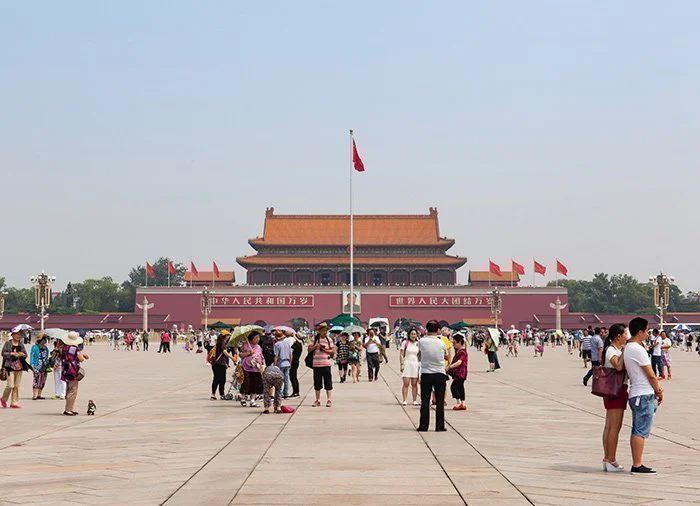
You continue to Tiananmen Square. During the Ming and Qing dynasties, the offices of the Imperial Ministries were located here. These were damaged during the Boxer Rebellion and the area was cleared, paving the way for the construction of Tiananmen Square. In 1949, the square was expanded to its current size (880 metres from south to north and 500 metres from east to west), making it the largest open square in the world. The square was named after the Gate of Heavenly Peace or the Tiananmen, which separates the square from the Forbidden City to the north.
On the west side of the square, you will find the Great Hall of the People, where the National People’s Congress meets, to the south, you will find Mao’s mausoleum, and to the east, the Museum of Chinese History and the Chinese Revolution. In addition to housing many important and historic buildings, the square also has a somewhat dismal past. It was here that the terrible student demonstration, which was forcibly suppressed by the Chinese government, took place in 1989.
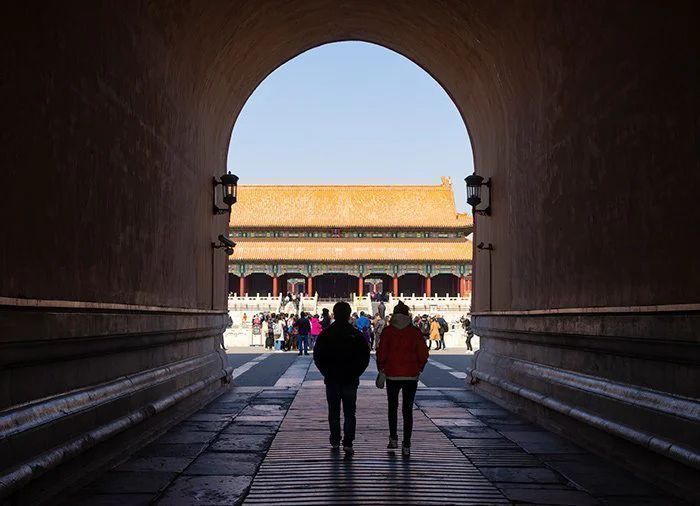
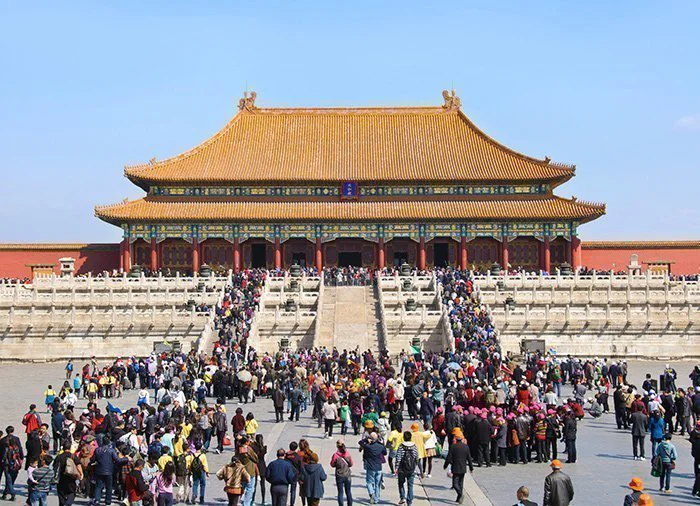
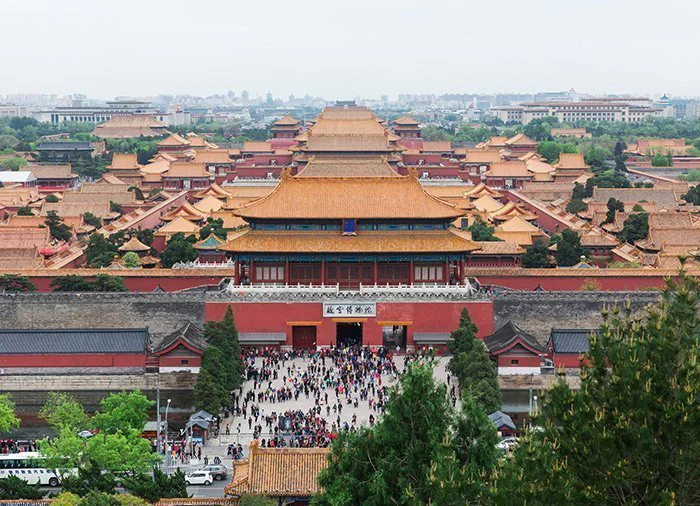
After this comes the Forbidden City, which is a UNESCO World Heritage Site. The Forbidden City was the imperial palace during the Ming and Qing dynasties.
The history of the Forbidden City starts in the south in the old capital, Nanjing. This was where the first Ming emperor formed a dynasty in 1368. Upon the Emperor’s death, one of his grandchildren was proclaimed heir, much to the disagreement of Commander Zhu Di, the fourth son of the late emperor, despite having no chance of winning the throne by succession. However, he had a mighty army behind him, and in 1402, he succeeded in sending the emperor into exile and taking the throne for himself. Zhu Di was not well-liked in Nanjing and he therefore decided to move the capital to the north. He named the area “Beijing”, which means “the Northern Capital”. Zhu Di not only wanted to create a new capital, but he also wanted to build a lavish palace that would reflect China’s view of itself as the centre of the world. In 1406, he began construction of his palace – a city within a city where he could live in safety as an all-powerful ruler. In 1420, the palace was completed. The entire complex comprised 999 buildings with some 9,999.5 rooms. The 9,999.5 rooms are said to be due to the fact that Heaven has 10,000 rooms, and the Emperor, who is entitled “Heaven’s Son”, must not surpass Heaven. The palace was named the Forbidden City, as only the Emperor, the Emperor’s officials, servants, guards and other nobles were allowed to come behind the thick red walls.
The palace was home to 24 emperors until China’s last emperor, Puyi, was deposed in 1924. The Forbidden City became a public museum the very next year and is now one of China’s biggest attractions.
From the Forbidden City, you head to Coal Hill, a man-made hill north of the Forbidden City. The hill is Beijing’s highest point, and on a clear day, you have a fantastic view of the Forbidden City and the bustling metropolis.
Late afternoon, you take the metro back to the hotel.
Today is yours to experience and explore the Chinese capital on your own. You also might like to choose one of our exciting optional tours.
Today, you’ll be going to the Great Wall, which was named a UNESCO World Heritage Site in 1987.
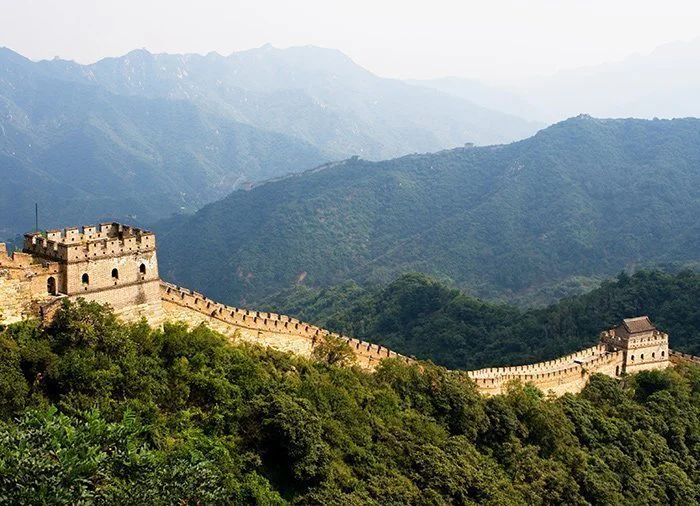
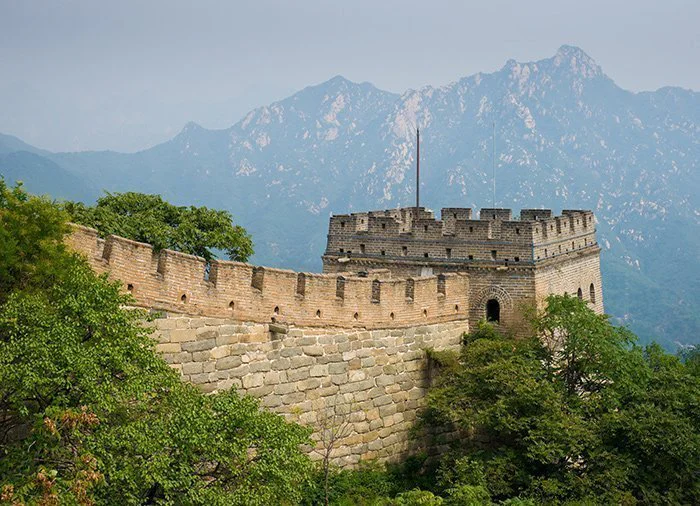
The wall is an incredibly impressive defence wall that snakes its way through northern China and through Chinese history.
The wall is not, as many believe, one long wall, but several walls, the first of which were built as a line of defensive in the 7th century BCE. In 221, Emperor Qin Shi Huang joined and extended the walls as a guard against the Mongolian nomads from the north who were interested in the arable land and the fields to the south. This is the foundation of the Chinese Wall, which has since been extended and reinforced several times, most recently in the 16th century during the Ming Dynasty.
The wall extends from the shores of the Yellow Sea east of Beijing to the Gobi Desert in north-western China. There is a lot of uncertainty about exactly how long it is. It consists of both old and newer walls as well as ruins, making it difficult to measure. In Chinese, the wall is called “Wànli chángchéng”, which means “The 10,000 li-long wall”. “Li” is an ancient Chinese unit of measurement, and 10,000 li corresponds to around 5,000 km. However, archaeological studies show the wall to be around 6,000 km long.
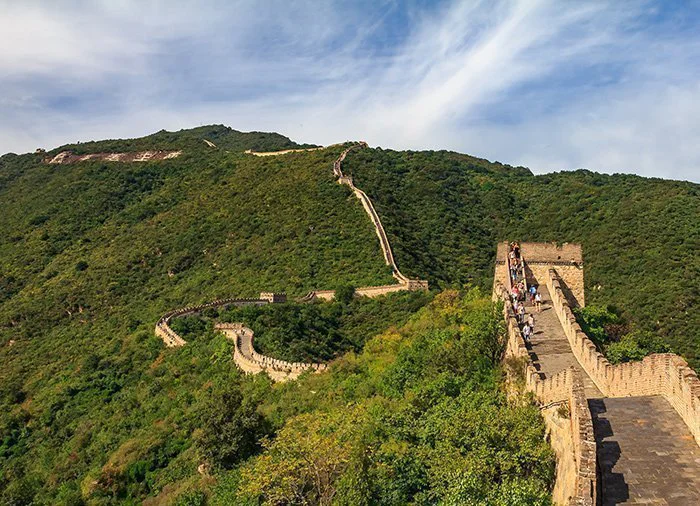
The wall is divided into different areas, and you will visit the wall at Mutianyu, one of the less touristy areas. You and the guide will be dropped off in the car park at Mutianyu, and from here you walk up a steep road to the cable car that takes you up to the wall. From the top of the wall, you are rewarded with a fantastic, breathtaking view, and you can see how the wall follows the mountain’s curves right up to the highest peaks.
You will see that both the width and the height of the wall vary a lot. In most places, it is 3–-6 metres wide and 7–8 metres high. Parts of the wall are also very steep, and the rise of the steps varies, particularly at the watchtowers, which were not only used as look-out posts, but also to warn of impending danger via smoke signals.
You have time on your own on the wall, and there is also time to enjoy your packed lunch.
After a couple of hours on the wall, you take the cable car back down and you are driven back to the hotel in Beijing.
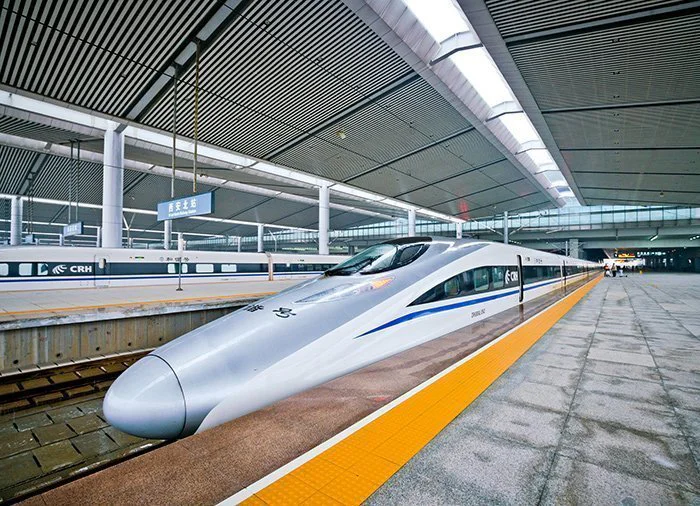
After breakfast you will be driven to the train station in Beijing, where you will take the high-speed train to the ancient capital of China, Xi’an. We recommend that you bring a little food, snacks and drinks with you on the train, though they can also be purchased from the stewardesses on board.
You sit in a seat much like a seat on an aeroplane from which you can enjoy the changing landscapes. The train ride takes you through mountains, over plains, through farming land and industrial areas. The train zips off at a speed of up to 350 km per hour, covering the 1,200 km journey in just under 6 hours!
On your arrival in Xi’an, you will be met by a guide and driver, who will drive you to your hotel in the city centre, walking distance from the city’s sights.
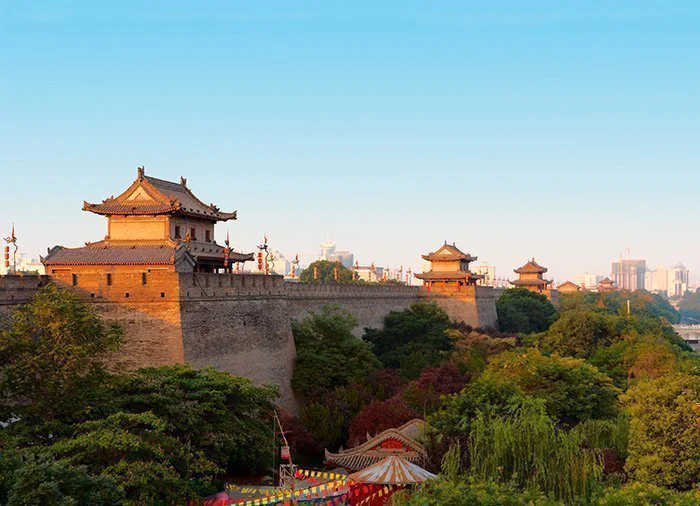
Xi’an is a cosy, charming city with around 8 million inhabitants. This is where the famous Silk Road ended and Xi´an was therefore a melting pot of cultures and religions for many years. Xi’an remains a very multicultural city to this day, as you will discover during your stay there.
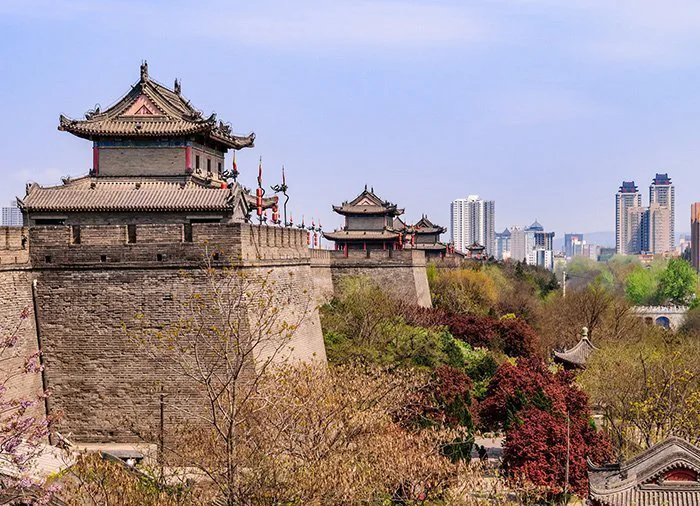
After check-in at the hotel, you will go on an exciting guided tour of the city. The tour is on foot, starting at the hotel. You pass the wonderful, iconic Bell Tower and continue to one of the city’s oldest neighbourhoods, the Muslim Quarter, also known as Huimin Jie. The neighbourhood is the heart of Xi’an’s Muslim community, where more than 30,000 Muslims live.
Arabs and ethnic Chinese from the “Han” majority have been intermarrying for more than a thousand years, so there are not many Middle Eastern facial features among the local population to be seen any more. Only a minority of Muslims here read Arabic, while even fewer speak the language.
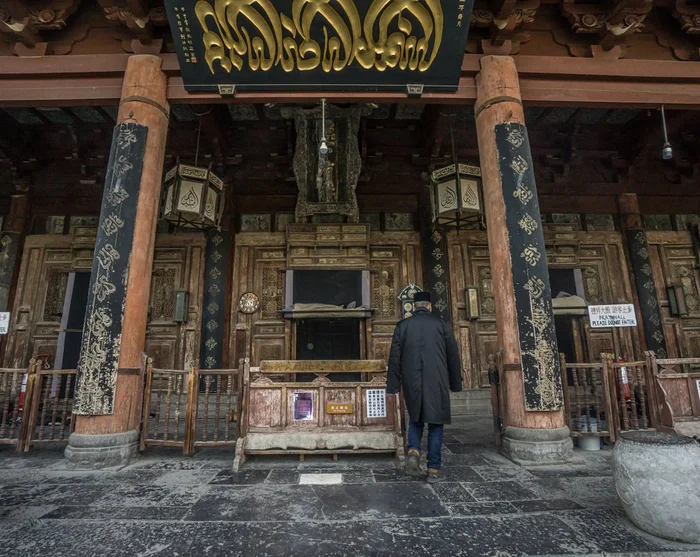
The first visit of the day is to the Great Mosque, where you will experience a wonderful sense of calm. It is the oldest and most famous mosque in China. The mosque was built in 742, before Islamic architecture as we know it had really taken shape, hence the lack of minarets, domes or azure tiles. The mosque is more reminiscent of a Buddhist temple with its fine pavilions, small ponds and well-kept Chinese gardens.
You continue to the covered bazaar, where there are stalls selling textiles, souvenirs, bags and crafts. You might like to practise haggling if you come across something you simply must have.
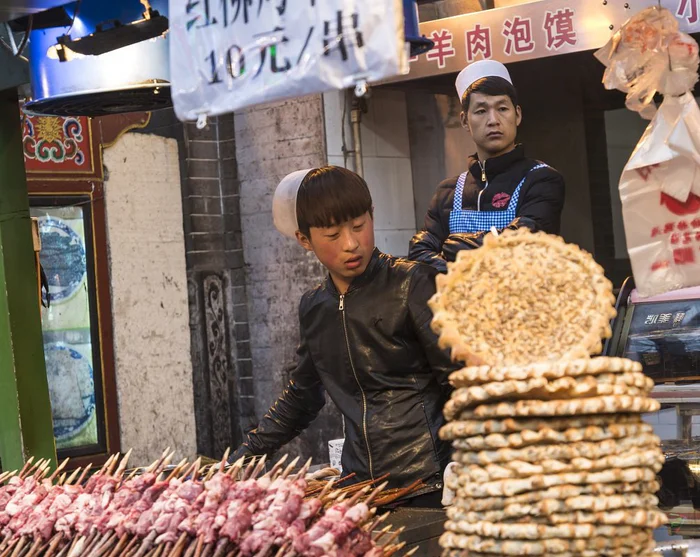
From sublime tranquillity to “haggling”, the tour ends in the chaotic, colourful streets lined with street kitchens. Here, you will encounter women wearing head scarves and men wearing the Muslim headgear, “kufi”. The whole street is enveloped in the enticing aromas emanating from the many food stalls selling grilled lamb and calamari skewers, spicy soups, dried chilli, walnuts as big as chicken eggs as well as spices and fresh fruit.
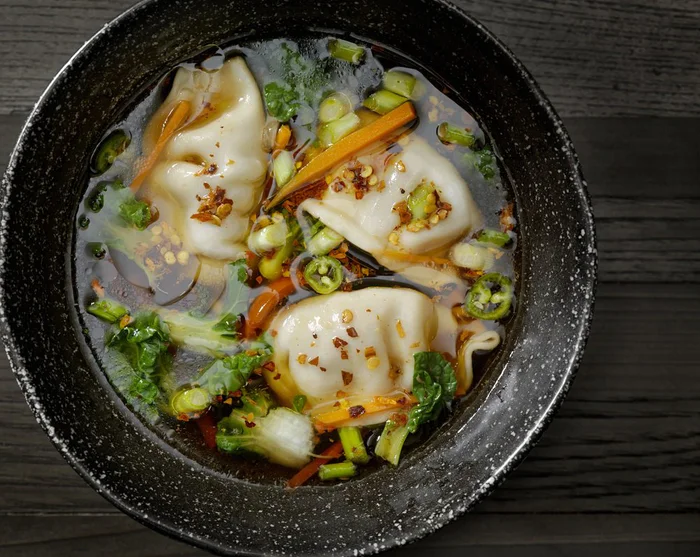
The guide will point out the good places to eat, and we recommend that you taste the famous dumplings, which are a speciality in Xi’an. Dumplings are small steamed dough parcels with different fillings, a bit like ravioli.
You can then choose to stay in the area or return to the hotel with the guide.
When the capital was moved from Xi’an in 906, the city fell into oblivion and pretty much remained a Sleeping Beauty until 1974, when one of China’s most significant cultural treasures emerged from the soil just outside the city. At one stroke, the archaeological find put Xi’an back on the world map, and today you will see why.
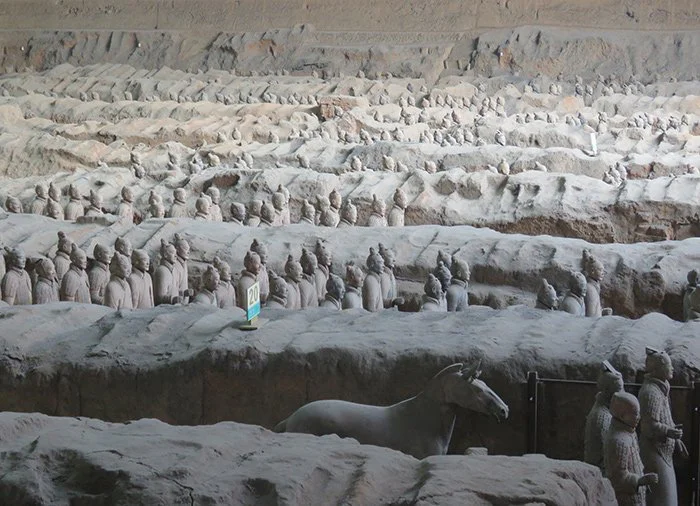
You will be picked up from the hotel and driven to the absolute highlight of the tour. 1974 was the year when Chinese farmers discovered fragments of a human-sized sculpture just outside Xi’an. Archaeologists were summoned and continued the excavations, unearthing the largest find of underground sculptures the world has ever seen. They discovered more than 7,000 terracotta warriors, horses and carts. The warriors are between 175 and 190 cm tall and all look different; different faces, different hairstyles and different costumes. They are all lined up ready for battle near the tomb of Emperor Qin Shi Huang. It is said that the warriors were built to protect their rulers in the afterlife.
Three halls were built over the important finds, which have been restored and put back where they were found. A museum was also built to house some of the beautiful, unique artefacts, including bronze, gold and silver treasures. The entire area is incredibly impressive, hence the Terracotta Army’s listing as a UNESCO World Heritage Site.
Today, you will be driven to the train station in Xi’an, which is almost more like an airport. Here, you will board the high-speed train to Shanghai. A trip that only takes just under 6 hours.
With just under 25 million inhabitants, Shanghai is China’s largest city. Huangpu River, a tributary of the mighty Yangtze, divides the city into two – Shanghai’s historic centre, Puxi, on the west side, and the new financial district, Pudong, on the east side.
Shanghai is deeply fascinating in every way! It is a city that is old, contemporary and almost futuristic, all in one! Old buildings, traditional temples and gardens from the Ming Dynasty stand side by side modern shopping centres and tall, neon-lit skyscrapers. It’s like visiting different worlds, and that’s precisely what makes Shanghai such a unique and exciting place to visit.
As Chinese cities go, Shanghai is most reminiscent of the West and so is not particularly Chinese. The European domination from 1842–1940 left its mark on the architecture of the old concession areas along the Bund and the French Concession, so you may sometimes wonder whether you’re in London or Paris instead.
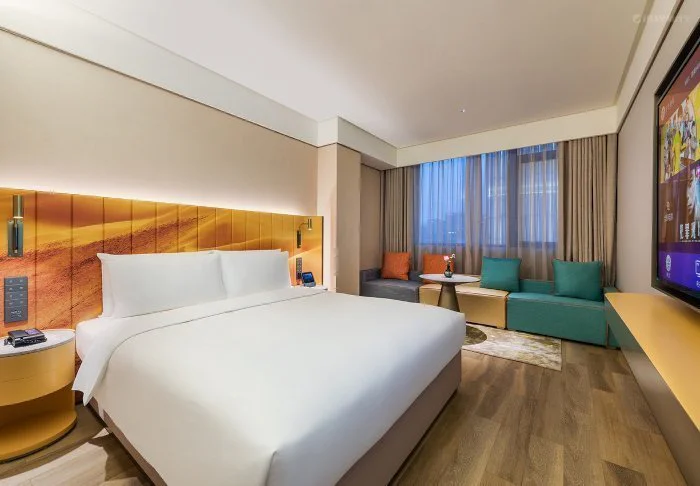
On your arrival in Shanghai, you will be met by a guide and driver, who will drive you to your hotel. After checking in at the hotel, a guided tour to some of the city’s popular attractions awaits.
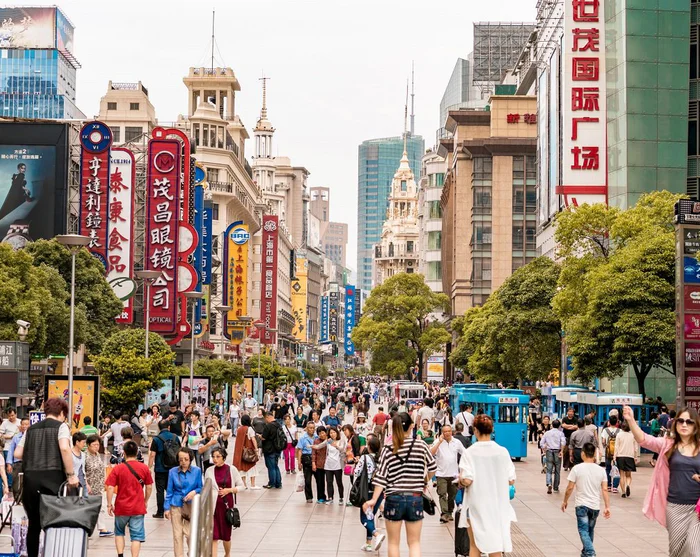
The first visit is to the nearby, popular Nanjing Road, one of the world’s busiest shopping streets, which receives around 1 million visitors every day. The street is 5.5 km long, making it the longest shopping street in the world. It runs from the Bund in the east to the Jing’an Temple in the west. You will find branded stores, traditional shops, western fast food restaurants and shops selling silk and souvenirs.
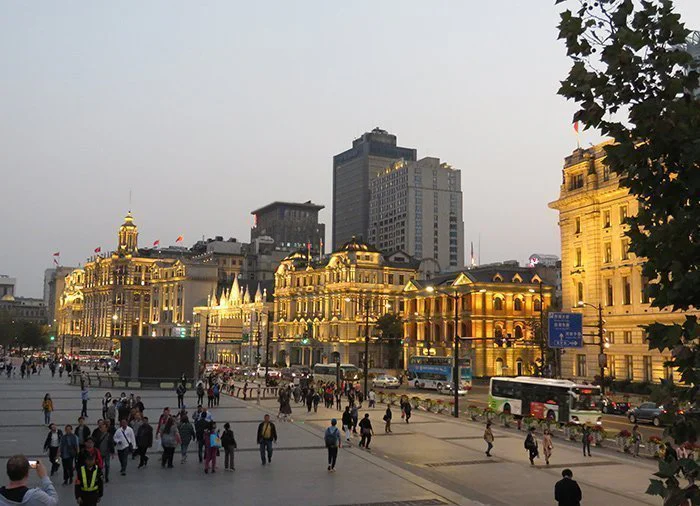
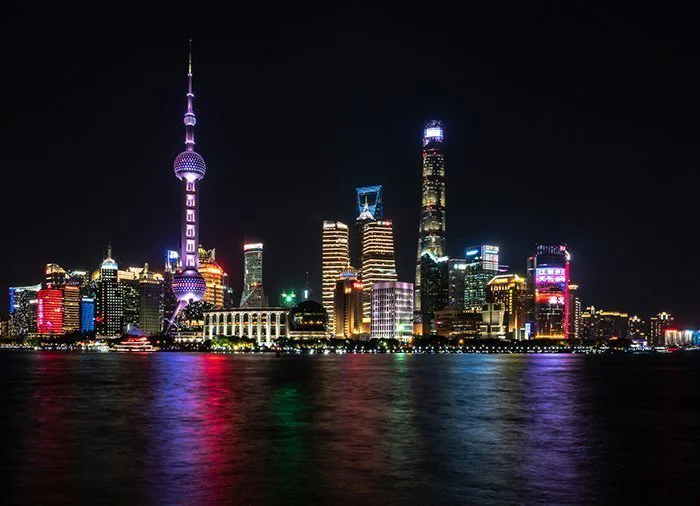
From Nanjing Road, you head to the Bund, Shanghai’s famous waterfront. The Bund is one of the most popular areas in Shanghai, where you find yourself between two worlds. On one side of the river, you can admire the Bund’s beautiful, well-maintained buildings, which testify to the English Concession, while on the other side of the river you will see Pudong’s modern skyscrapers, which are lit up when darkness falls.
Go for a walk along the 1.5 km-long promenade, which is teeming with tourists, locals and bridal couples eager to take a photo with all the skyscrapers in the background.
The tour ends at Shanghai Tower, the tallest building in China. The building is 632 metres high and has 128 floors. From the 121st floor, you have a phenomenal view of the whole city, guaranteed to take anyone’s breath away.
You can then choose to continue to stroll around the area on your own or return to the hotel with the guide.
The day is yours to enjoy and explore Shanghai.
Places worth visiting include People’s Park, People’s Square and the French Concession.
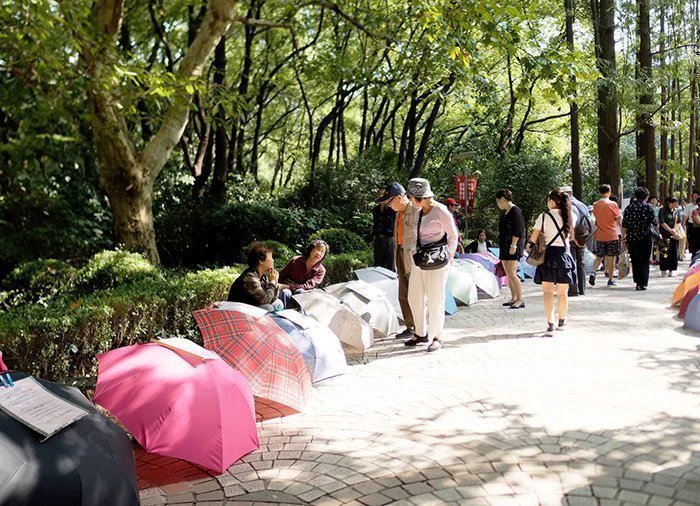
People’s Park is like an oasis in the heart of Shanghai. The park is a lovely, green and peaceful breath of fresh air in the heart of the otherwise bustling city. Here, in the park, you can gain an insight into how life is lived on weekdays and at the weekend. You will see people reading and practising Tai-chi while others practise English at English Corner. The most striking thing is probably the Marriage Market at Blind Date Corner, where you will see parents putting up umbrellas with dating ads stuck on them in an attempt to find the right spouse for their son or their daughter. A very unusual and fun experience!
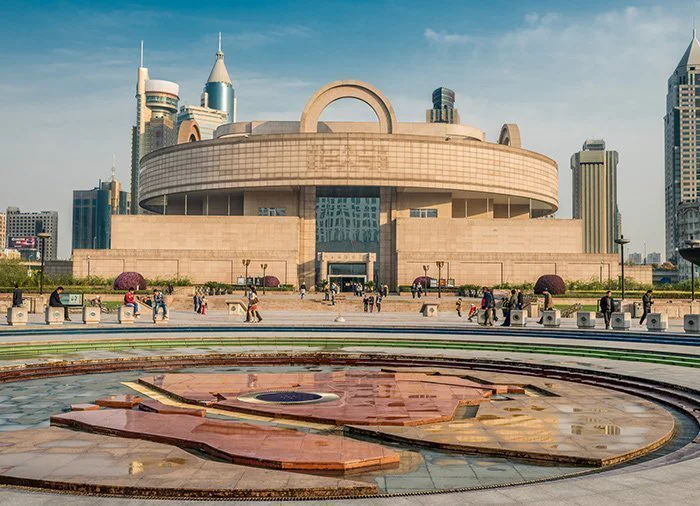
From People’s Park, you can walk 100 metres south to People’s Square. The square is Shanghai’s popular meeting place and home to Shanghai Grand Theatre and Shanghai Museum, which houses one of China’s most interesting art collections. From the square, you can also see the Radisson Blu Hotel’s iconic Sky Dome Bar on the 47th floor. Close to the square is a large underground shopping mall.
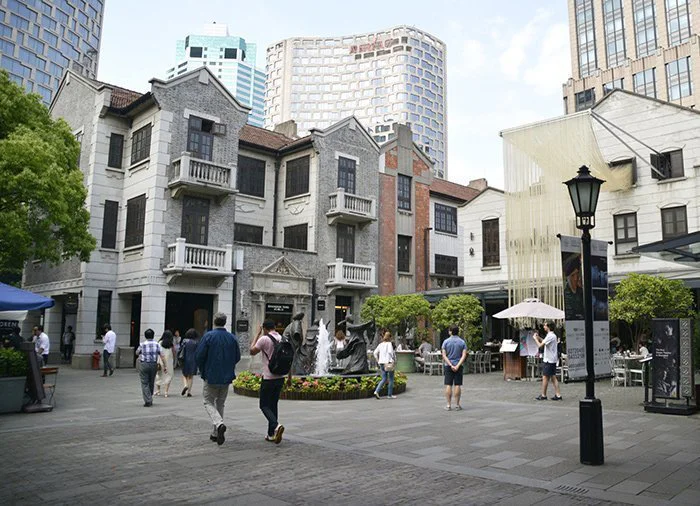
Another area worth visiting is the French Concession, one of the nicest neighbourhoods in Shanghai. There are no modern shopping malls or skyscrapers here, just soul and charm. Go for a stroll in the warren of small streets lined with shops, cosy restaurants and cafés. You will also discover leafy avenues with French-style villas and mansions.
The day is yours to explore even more of Shanghai.
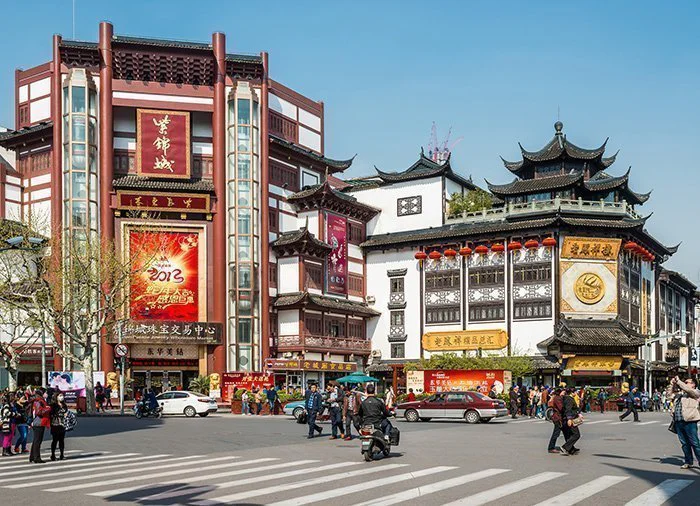
If you would like to experience the more traditional China, visit the Chinese Quarter where you will find Shanghai Old Street and the popular Yuyuan Garden.
While walking in Shanghai Old Street, it’s worth noting the buildings and the architectural development from the Ming Dynasty and the Qing Dynasty to the 20th century. The buildings house a wealth of speciality shops selling everything from jewellery to handicrafts and calligraphy. You might like to visit Chun Feng De Yi Teahouse, which is located near Xiaochang crossing. Enjoy a cup of traditional tea made the right way.
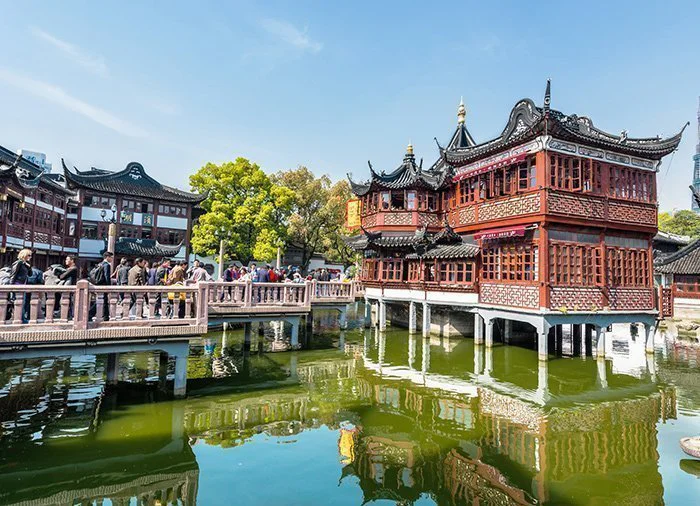
From Shanghai Old Street, you can head to the Nine-turn Bridge, also known as Jiuqu Qiao, which winds its way across a small carp lake. This is where Shanghai’s oldest tea house, Huxinting, from 1855, is located. The Nine-turn Bridge takes you to the entrance to Shanghai’s most prestigious garden, Yuyuan.
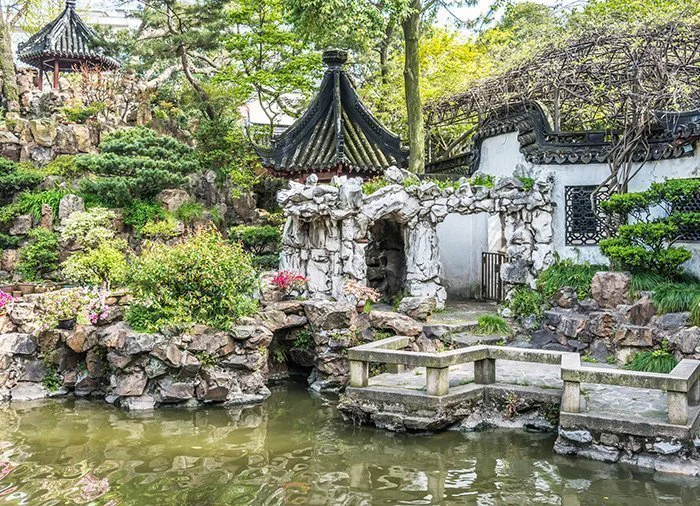
The Yuyuan Garden was built in 1559 by an official of the Ming Dynasty, Pan Yunduan. Yu means peace and well-being in Chinese, and the garden was built as a sanctuary for Pan’s parents. The garden covers an area of two hectares and is one of the most beautiful examples of Chinese landscaping. The garden is like a peaceful oasis with small carp ponds, pavilions, gates, bridges and streams. The protective dragon wall surrounding the garden keeps Shanghai’s bustling Old Town at bay.
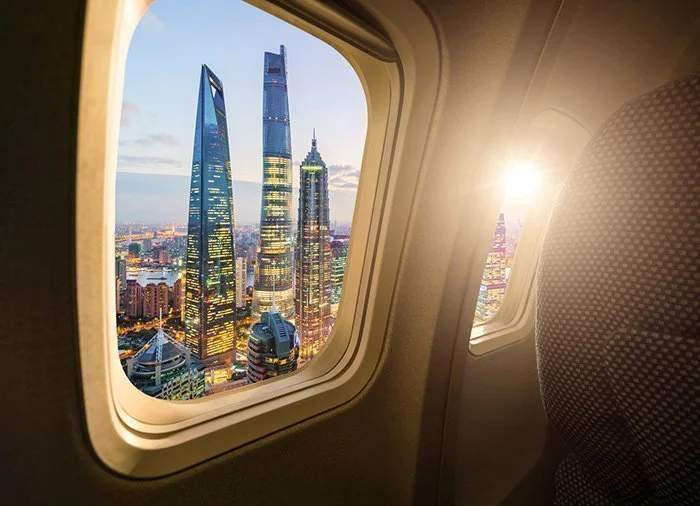
Today, it’s time to say goodbye to China. You will be picked up from your hotel by a driver who will drive you to the airport. From here, you will fly home to your chosen airport, with connecting flights on the way.
Children under 12 years from £2629
Single room supplement from £579

Emily loves to travel and is extremely passionate about helping others achieve their travel dreams.