14 days
From £3769
Highlights of China
This holiday takes you to the absolute highlights of China: the Forbidden City, the Great Wall, the Terracotta Army and the picturesque landscapes of Yangshuo. You round off the tour in fascinating Shanghai.

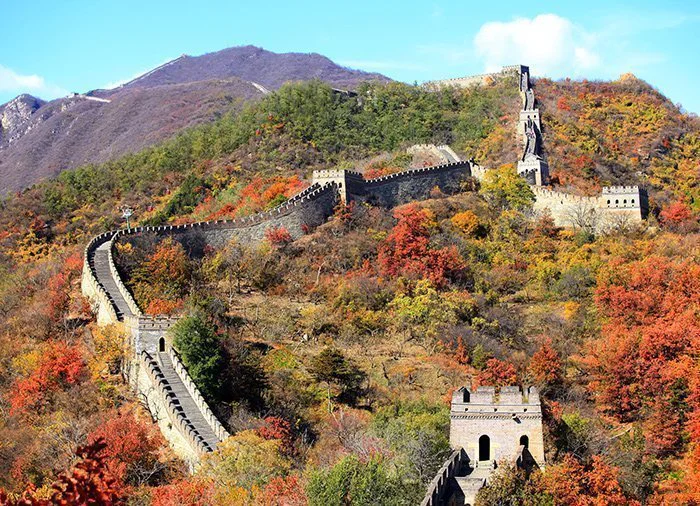
You can’t mention China without mentioning the Great Wall – and we’ll bet that the visit to the impressive line of defence will be one of your favourite highlights.
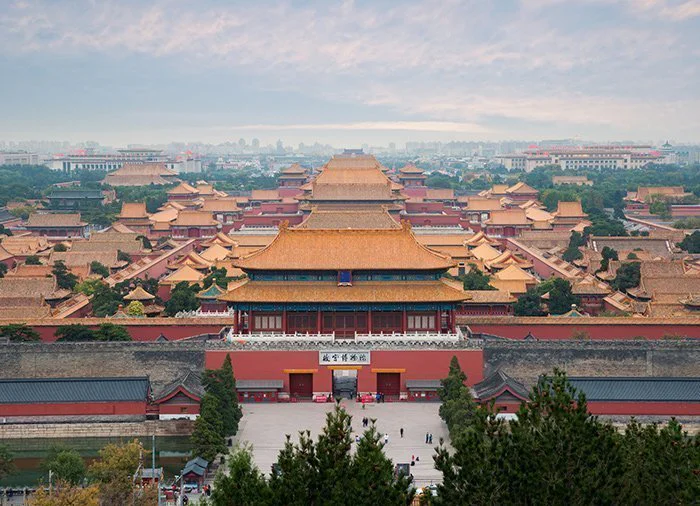
However, there is so much more to China than the Great Wall! The country has an unusually long and fascinating history. In Beijing, you will walk in the emperors’ footsteps in the Forbidden City, and on a clear day, you will have a formidable view of the Imperial Palace and the bustling metropolis from the man-made Coal Hill.
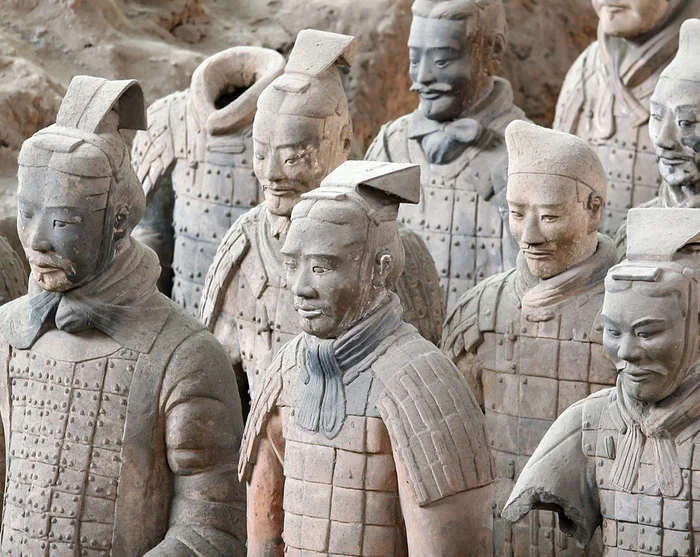
The tour also takes you to China’s ancient capital, Xi’an, which is an incredibly exciting, multicultural city, where all religious faiths live peacefully side by side. Outside Xi’an, you’ll come face to face with the impressive Terracotta Army, which watches over the tomb of Emperor Qin Shi Huang.
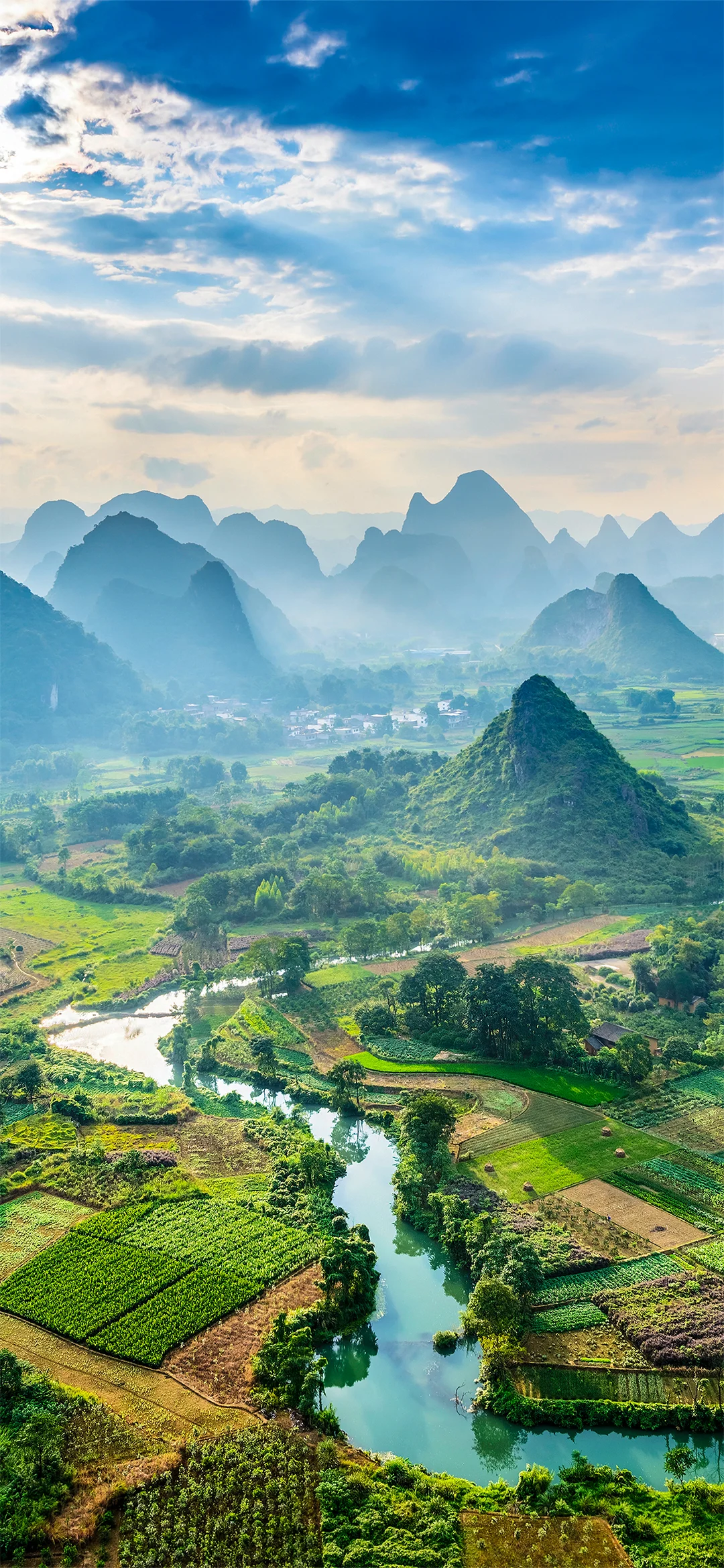
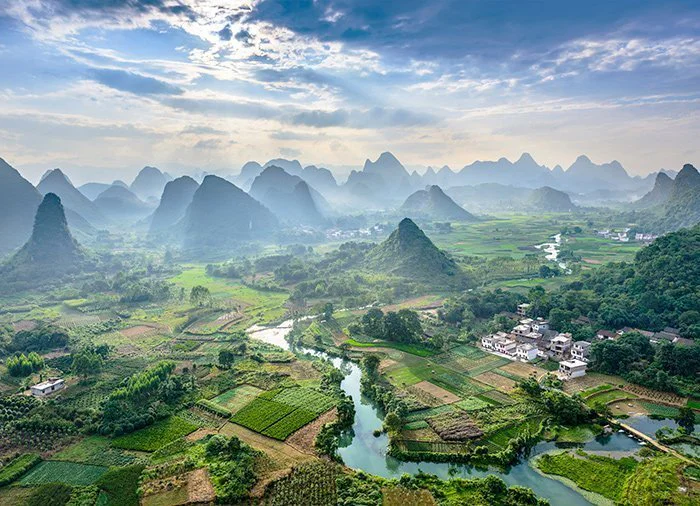
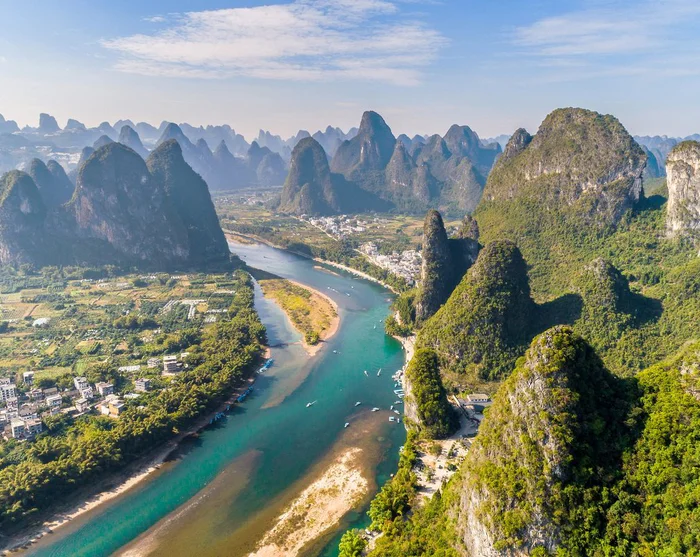
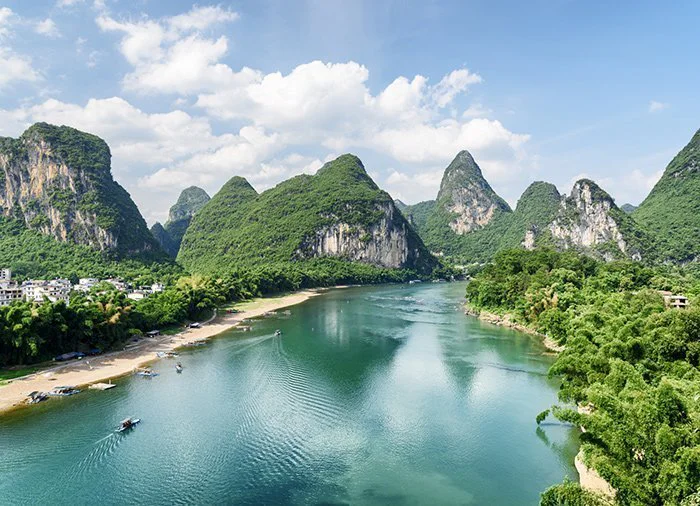
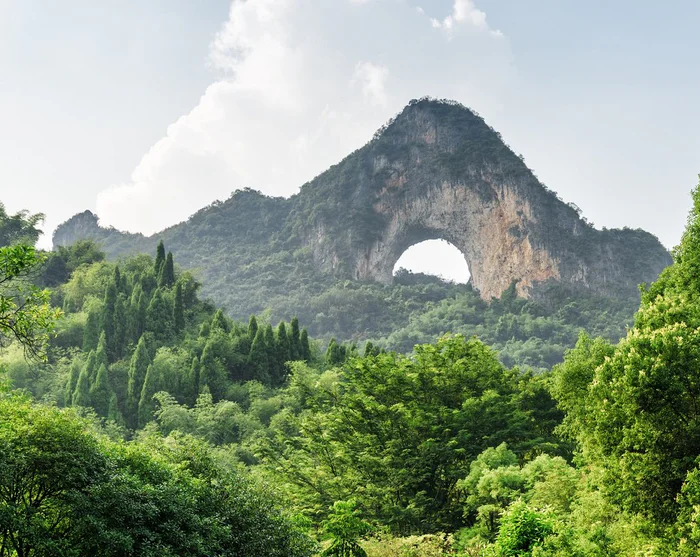
The country’s culture and history take up a lot of space in China, but let’s not forget the country’s truly amazing nature. It goes without saying that you will also experience the picturesque landscapes in Yangshuo. Here, the Li River flows past the huge limestone mountains and the farmers’ green rice fields – such a beautiful sight that it has been immortalised on the 20 yuan banknote.
The tour ends in China’s largest city, Shanghai, which can best be described as a time machine. You’ll be transported back to the Ming and Qing dynasty, while experiencing the city from the 632-metre-high skyscraper, Shanghai Tower!
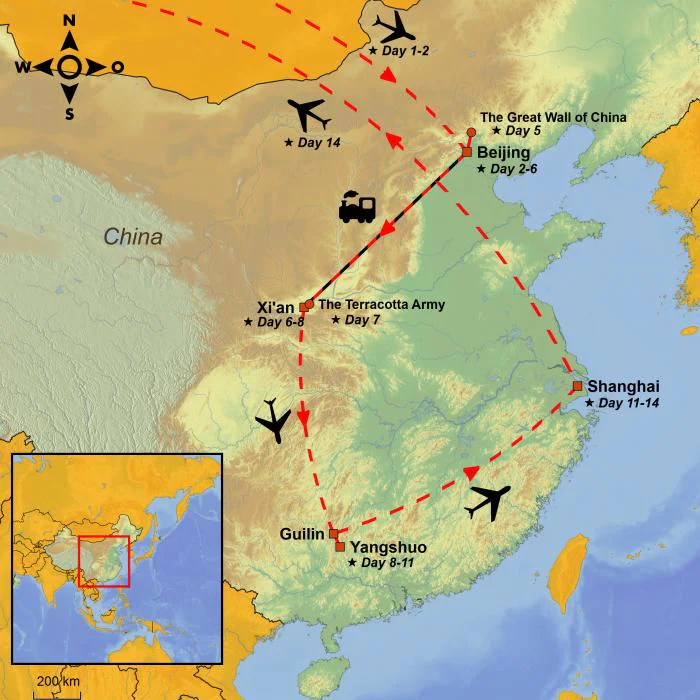
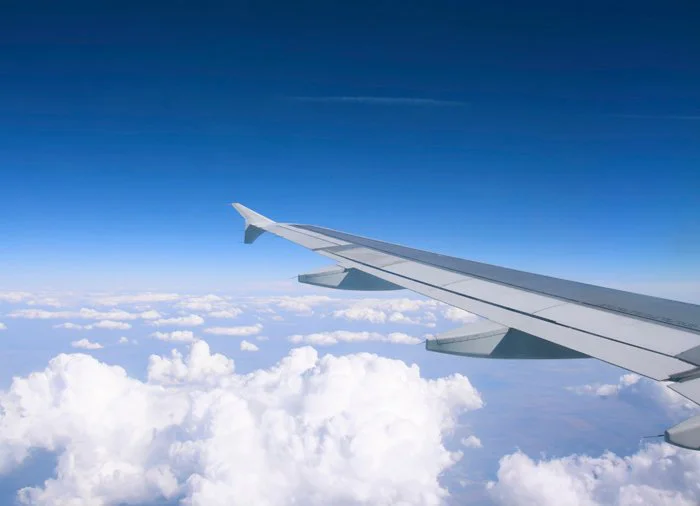
You will fly from your chosen airport to Beijing, with connecting flights along the way.
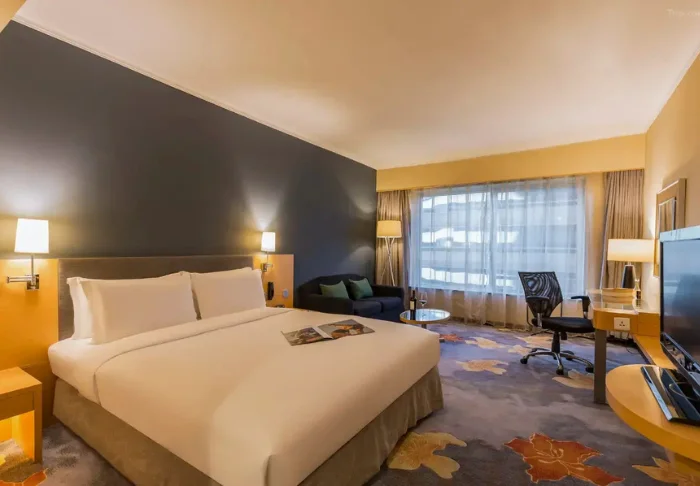
You arrive at Beijing’s International Airport, go through immigration, and then pick up your luggage. Your guide is waiting for you out in the arrivals hall, holding up a TourCompass sign with your name on it. On the drive to the hotel, the guide will run through your itinerary with you and answer any questions you may have. The guide will also tell you about China, what to respect and what to be aware of. Upon your arrival at the hotel, which is located in the central Beijing, a short walk awaits you, so you can familiarise yourself with the area around the hotel. Feel free to ask the guide to recommend a good restaurant that serves Peking duck, a traditional old dish from Beijing. Otherwise, the Szechuan dish kung pao chicken is also recommended.
After checking in at the hotel, you have time for a rest after the long flight. You can also go out and explore the Chinese capital, which is home to some 22 million inhabitants.
Alternatively, you can just look forward to the coming days when you experience Beijing’s unique and diverse cultural heritage, which has evolved over the course of the city’s long history.
Today, you’ll be doing a lot of walking, so be sure to wear comfortable shoes.
After a hearty breakfast, you will meet the guide in the lobby, where an exciting tour of Beijing begins.
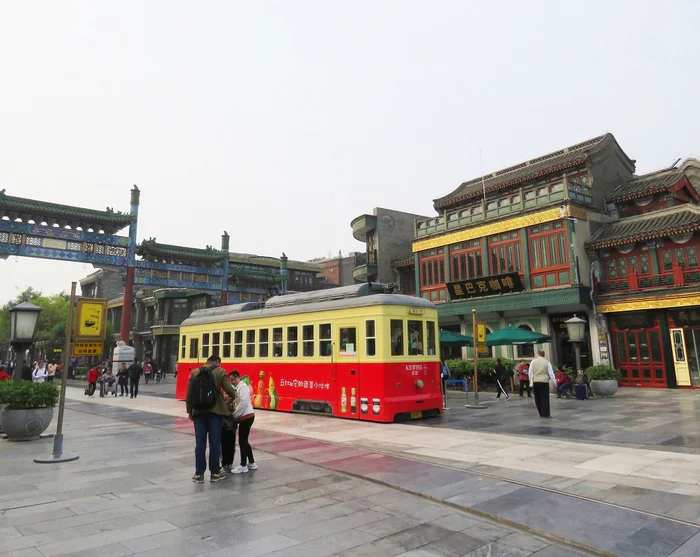
You walk from the hotel to the 840-metre-long shopping street, Dashilan. Founded during the Ming dynasty more than 600 years ago, Dashilan is one of the oldest shopping streets in the city. One of the attractions of the street is the old-style tram that stands at the northern end of the street.
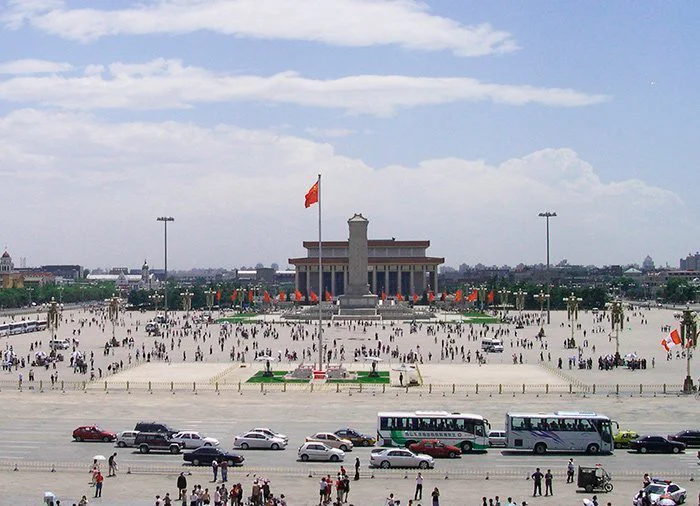
You continue from here to Tiananmen Square. The square is not only one of the most famous squares in the world, but it is also the largest in the world, measuring 880 metres from north to south and 500 metres from east to west.
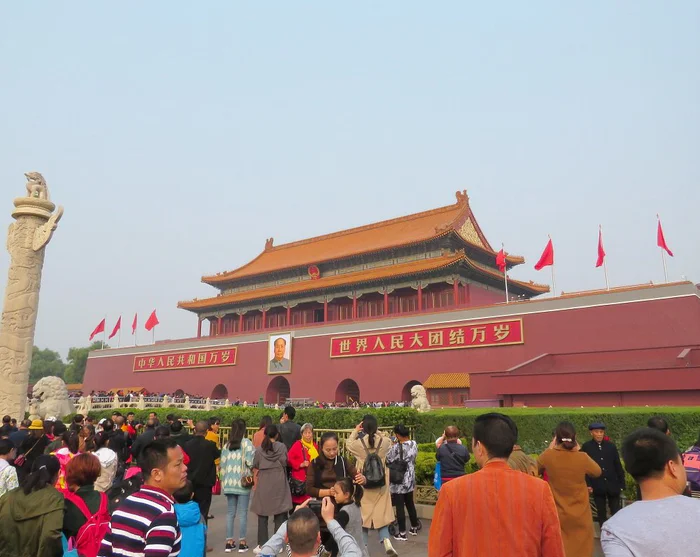
It was here that the offices of the Imperial Ministries were located during the Ming and Qing dynasties. These were sadly destroyed during the Boxer Rebellion and the area was cleared, paving the way for the construction of Tiananmen Square. The square was named after the Gate of Heavenly Peace or the Tiananmen, which separates the square from the Forbidden City to the north.
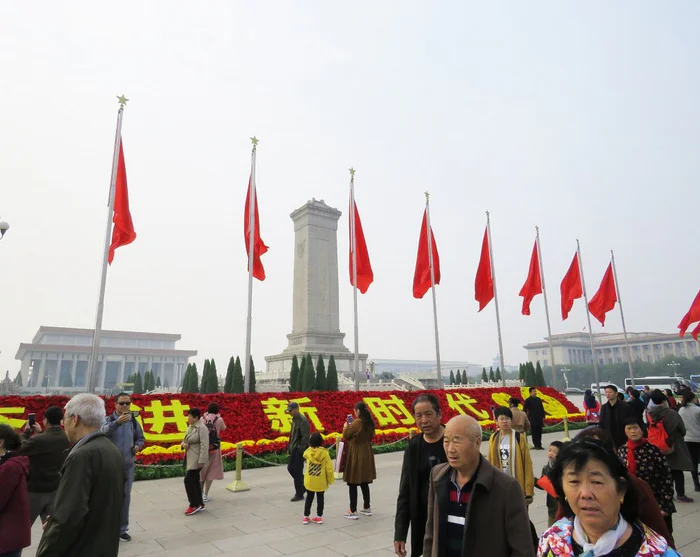
The square covers an area of almost 44 hectares and is surrounded by many important and historic buildings and monuments. To the south you can see Mao’s mausoleum, to the east, the Museum of Chinese History and the Chinese Revolution, and on the west side of the square, you will find the Great Hall of the People, where the National People’s Congress holds its annual meetings. In the middle of the square stands the 38-metre-high Monument to the People’s Heroes.
Many people also know the square from the otherwise peaceful student demonstration in 1989, was forcibly suppressed by the Chinese government.
From the square, you head to the Forbidden City, which is behind the Gate of Heavenly Peace, where Mao proclaimed the People’s Republic of China a communist state on 1 October 1949.
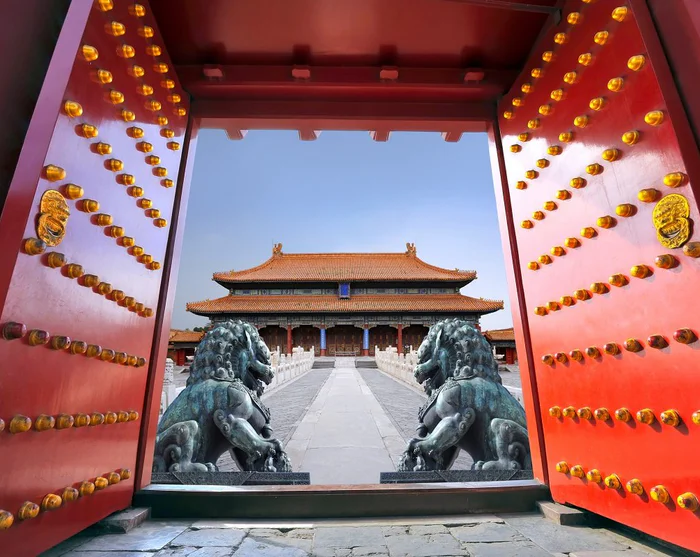
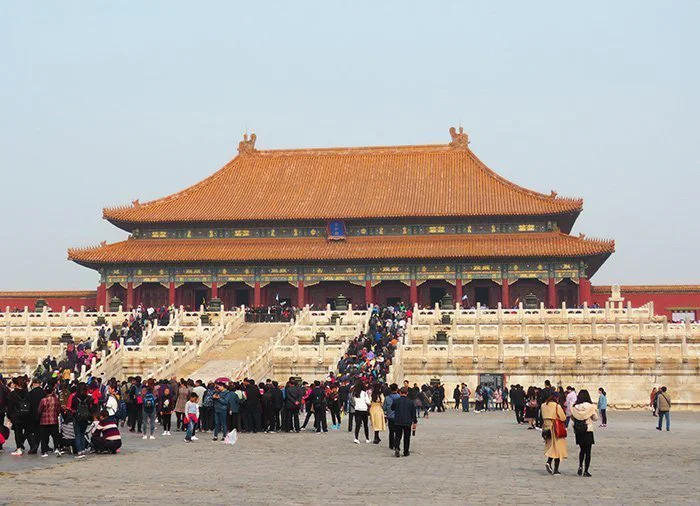
Behind the thick, red walls, the Forbidden City opens up with the magnificent Imperial Palace. The Palace was built in the 15th century by Emperor Zhu Di after moving the capital from Nanjing to Beijing.
In Nanjing, Zhu Di had forced the then emperor to flee so he could take over the throne himself. Zhu Di was not well-liked among the people of Nanjing, so he chose to move the capital to the north to an area he named “Beijing”, which means “northern capital”. Emperor Zhu Di not only wanted to create a new capital, but also to build a lavish palace that would reflect China’s view of itself as the power centre of the world. The construction started in 1406 and was completed 14 years later. Surrounded by a moat and 10-metre-high walls, Zhu Di could live in safety as an all-powerful ruler.
The palace complex comprised 999 buildings with a total of 9,999.5 rooms spread over a whopping 720,000 m2. The 9,999.5 rooms are said to be due to the fact that Heaven has 10,000 rooms, and the Emperor, who is entitled “Heaven’s Son”, must not surpass Heaven.
The palace was named The Forbidden City, as only the Emperor, the Emperor’s officials, servants, guards and other nobles were allowed to enter. It was home to 24 emperors during the Ming and Qing dynasties until Emperor Puyi was deposed in 1924. Just one year later, the Forbidden City became a public museum. The Forbidden City has been a UNESCO World Heritage Site since 1987, and is today one of China’s main attractions.
From the Forbidden City, you head to Coal Hill, a man-made hill north of the Forbidden City. The hill is Beijing’s highest point, and on a clear day, you have a fantastic view of the Forbidden City and the bustling metropolis.
Late afternoon, you take the metro back to the hotel.
There are no excursions planned for today, so you can explore Beijing on your own and at your own pace.
You might, for example, like to explore Beijing’s food stalls and restaurants, or shop to your heart’s content in Beijing’s wonderful shops selling beautiful craftsmanship, china, calligraphy and silk. There are also Western clothing and sports stores and expensive fashion houses. Xidan Street is a popular and much-visited shopping street near Tiananmen Square offering something for everyone.
If you are ready to experience more of Beijing’s major sights, you can purchase one of our exciting optional excursions.
Today, you’ll be heading to the Great Wall, which was named a UNESCO World Heritage Site in 1987.
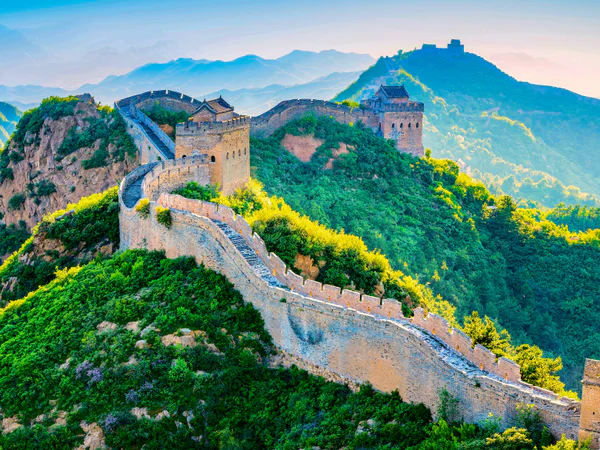
The Great Wall is an extremely impressive line of defence that winds its way from the Gobi Desert in north-western China to the Yellow Sea east of Beijing.
The wall is not one long wall, but several walls, the first of which were built as a line of defence in the 7th century BCE. In 221, Emperor Qin Shi Huang joined and extended the walls as a guard against the Mongolian nomads from the north who were very interested in the arable land and the fields to the south. The Great Wall has since been extended and reinforced several times, most recently in the 16th century during the Ming Dynasty.
It is very difficult to say exactly how long the wall is. It consists of both old and newer walls as well as ruins, making it difficult to measure. In Chinese, the wall is called “Wànli chángchéng”, which means “The 10,000 li-long wall”. “Li” is an ancient unit of measurement in China, and 10,000 li corresponds to around 5,000 km. However, archaeological studies show the wall to be about 6,000 km long.
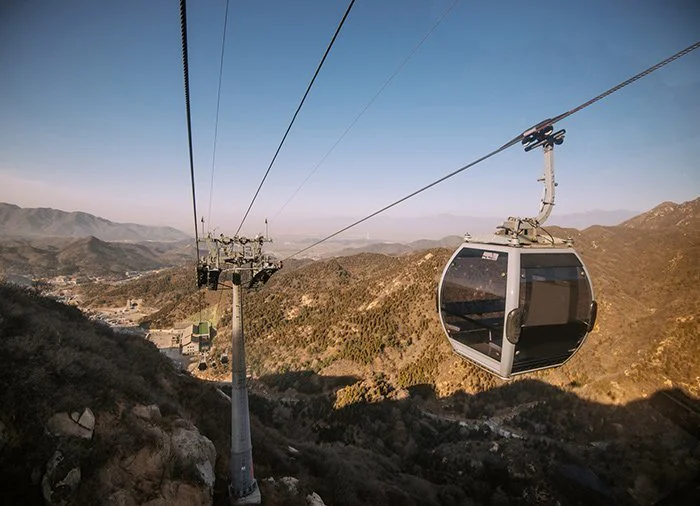
The wall is divided into several different areas, and you will visit the less touristy area, Mutianyu. You and the guide will be dropped off in the car park close to Mutianyu, and from there you walk up a steep road to the cable car that takes you up to the wall.
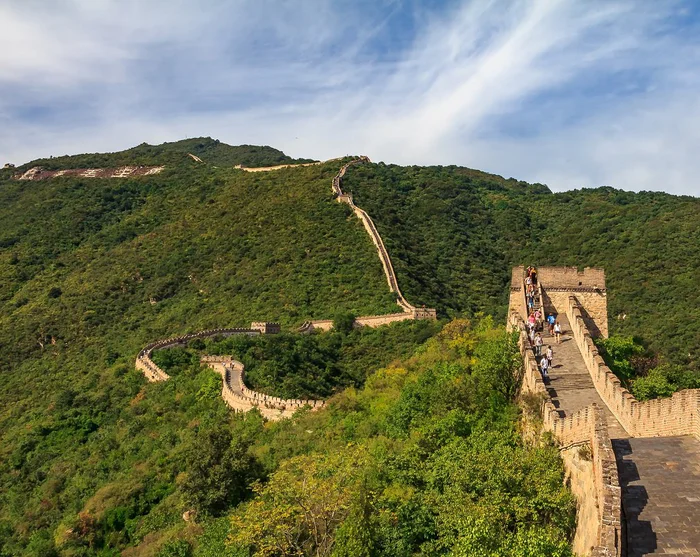
From the top of the wall, you are rewarded with a stunning view, and you can see how the wall follows the mountain’s curves right up to the highest peaks.
You have time on your own to walk around on the wall, and there is also time to enjoy your packed lunch.
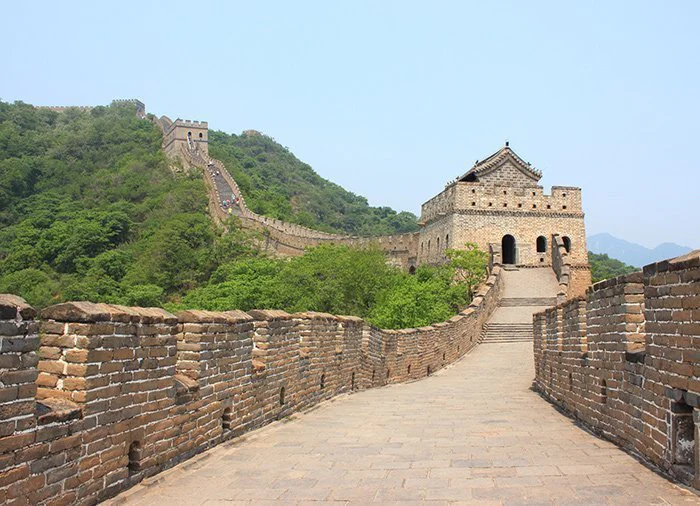
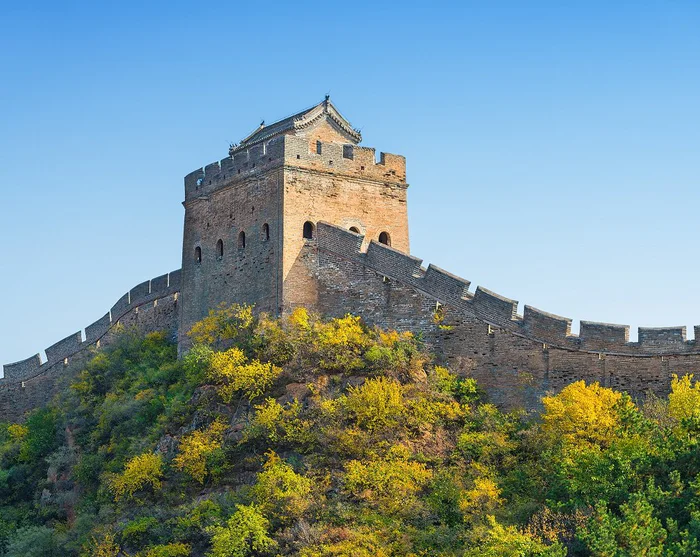
You will see that both the width and the height of the wall vary a lot. In most places, it is 7-8 metres wide and 3-6 metres high. Parts of the wall are also very steep, and the rise of the steps varies, particularly at the look-out posts, which were not only used as watchtowers, but also to warn of impending danger via smoke signals.
After a couple of hours on the Great Wall, you take the cable car back down and you are driven back to the hotel in Beijing.
After the today’s outing, you can safely cross one thing off your bucket list.
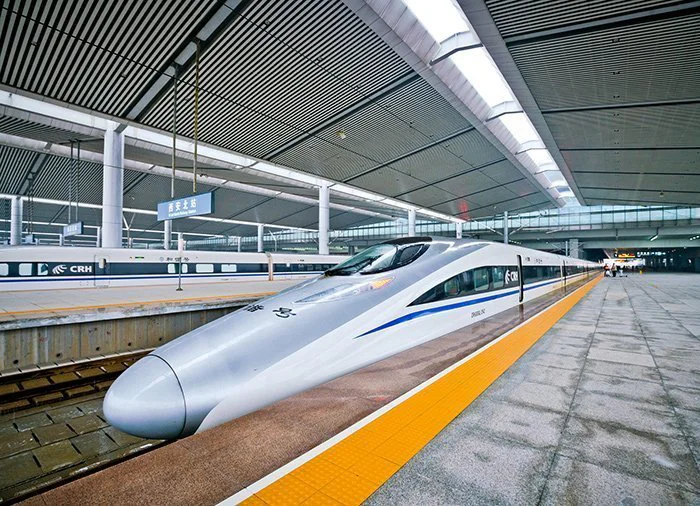
This morning, you will be picked up from the hotel and driven to the train station in Beijing, where you will take the high-speed train to Xi’an, China’s ancient capital.
We recommend that you bring some food, snacks and drinks with you. Otherwise, these can also be purchased from the stewardesses on board.
The high-speed trains in China are ultra modern, and the seats almost resemble aeroplane seats, from which you can enjoy the varying landscapes you pass. The train ride takes you through industrial areas, agricultural areas and across plains and mountains at a speed of up to 350 km per hour, covering the 1,200 km journey in just under 6 hours!
On your arrival at the train station in Xi’an, you will be met by a guide and driver, who will drive you to your hotel, which is located in the city centre, within walking distance of the city’s sights.
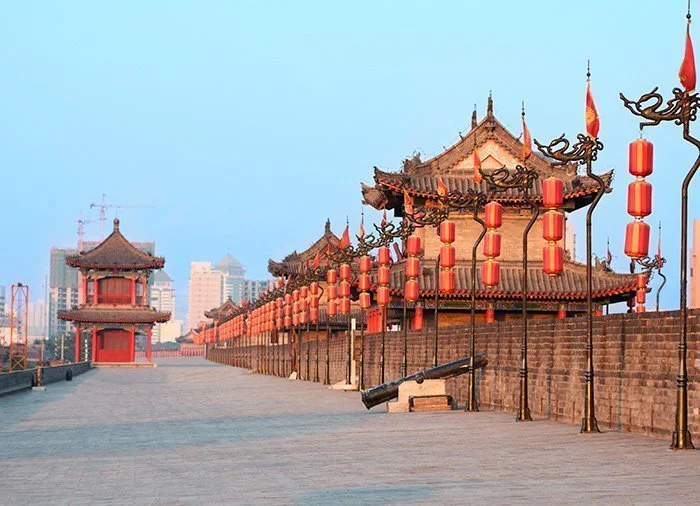
Xi’an is a cosy, charming city with around 8 million inhabitants. This is where the Silk Road ended and Xi´an was therefore a melting pot of cultures and religions for many years. Xi’an remains a very multicultural city to this day.
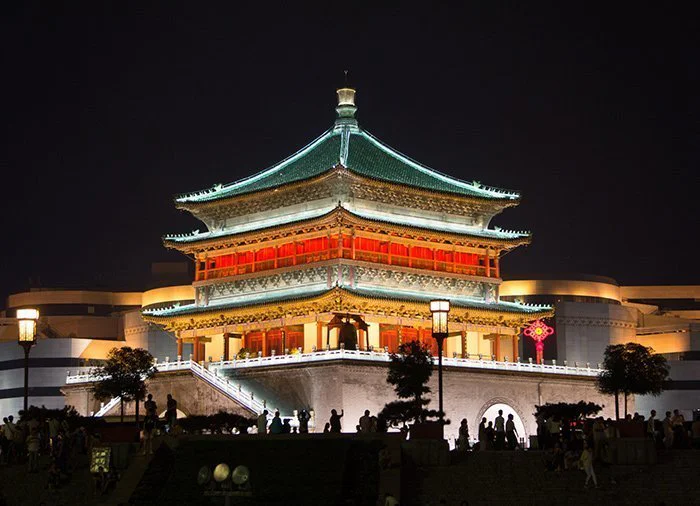
After check-in at the hotel, you will go on an exciting guided tour of the city. The tour is on foot, starting at the hotel. You pass the beautiful, iconic Bell Tower and continue to one of the city’s oldest neighbourhoods, the Muslim Quarter, also known as Huimin Jie. The neighbourhood is the heart of Xi’an’s Muslim community, where more than 30,000 Muslims live.
Arabs and ethnic Chinese have been intermarrying for more than a thousand years, so there are not many Middle Eastern facial features to be seen any more. Only a minority of Muslims here read Arabic, while even fewer speak the language.
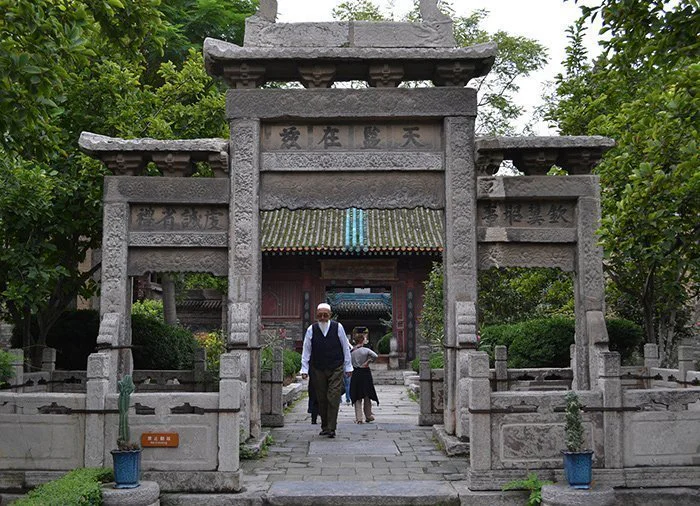
The first visit on the walk is to the Great Mosque, where you will experience a wonderful sense of calm. It is the oldest and most famous mosque in China. It was built in 742, before Islamic architecture as we know it had really taken shape, hence the lack of minarets, domes or azure tiles. The mosque is more reminiscent of a Buddhist temple with its fine pavilions, small ponds and well-kept gardens.
You continue to the bustling covered bazaar, where there are stalls selling textiles, souvenirs, bags and crafts. It is OK to haggle here if you come across something you simply must have.
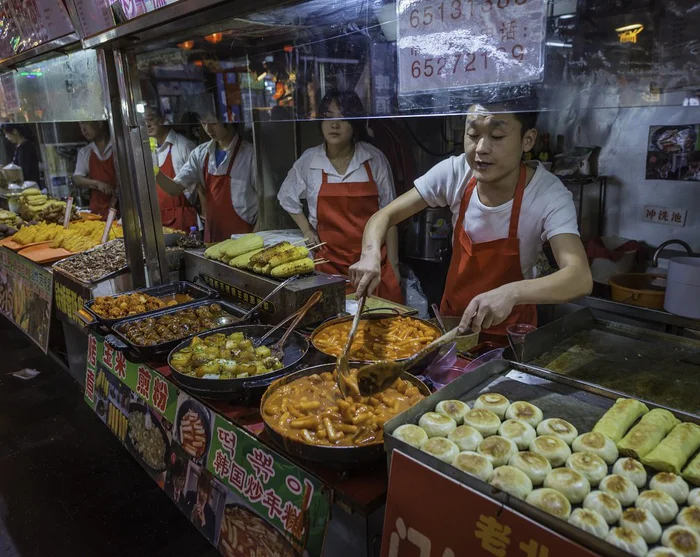
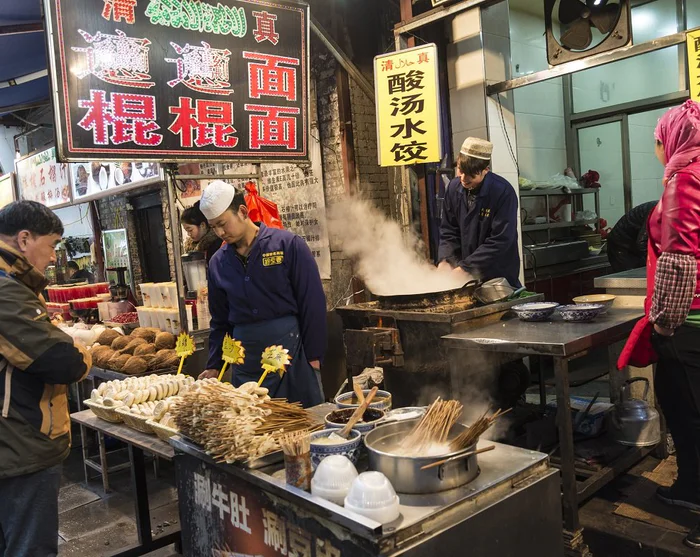
From sublime tranquillity to “haggling”, the tour ends in the bustling, colourful streets lined with street kitchens. Here, you will encounter women wearing head scarves and men wearing the Muslim headgear, “kufi”. Everything in the street is enveloped in the enticing aromas emanating from the many food stalls selling grilled lamb and calamari skewers, spicy soups, fresh fruit, walnuts as big as chicken eggs, as well as dried chilli and other spices.
The guide will point out the good places to eat, and we recommend that you taste the famous dumplings, which are a speciality in Xi’an. Dumplings are small steamed dough parcels with different fillings.
You can choose to stay in the area or return to the hotel with the guide.
When the capital was moved from Xi’an in 906, the city fell pretty much into oblivion until 1974, when one of China’s most significant cultural treasures emerged from the soil just outside the city. At one stroke, the discovery put Xi’an back on the world map, and today you will see why.
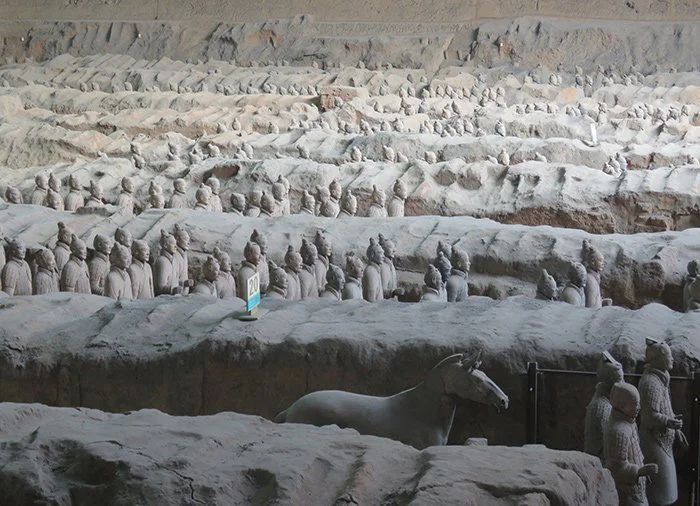
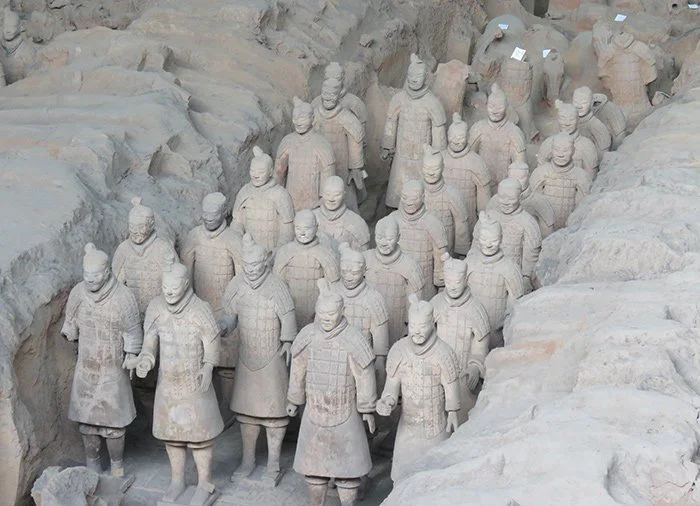
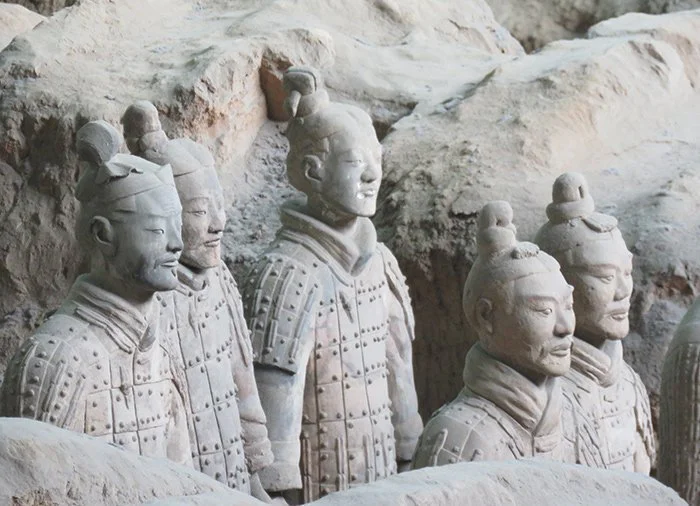
In 1974, farmers found fragments of a man-sized sculpture 45 km outside Xi’an. Archaeologists were summoned and continued the excavations, unearthing the world’s largest-ever find of underground sculptures. More than 7,000 terracotta warriors, horses and carts were discovered. The warriors measure between 175 cm and 190 cm and all have different facial features, hairstyles and costumes. They are lined up ready for battle near the tomb of Emperor Qin Shi Huang. It is said that the warriors were built to protect their rulers in the afterlife.
Three large halls were built over the important finds, which have been restored and put back where they were discovered and excavated. A museum has also been built for some of the beautiful and unique artefacts that were also found, including gold, silver and bronze treasures.
The entire area is extremely impressive, and in 1987 the Terracotta Army became a UNESCO World Heritage Site.
After breakfast, you will be collected from your hotel and driven to the airport, where you’ll catch a flight to Guilin. Upon arrival at Guilin airport, a guide and driver will be waiting for you, holding a sign with your name on it. Together, you’ll set off for the idyllic town of Yangshuo, which is about an hour and a half away by car.
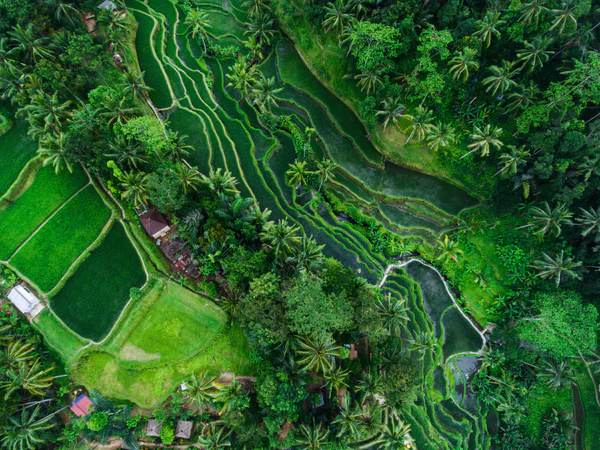
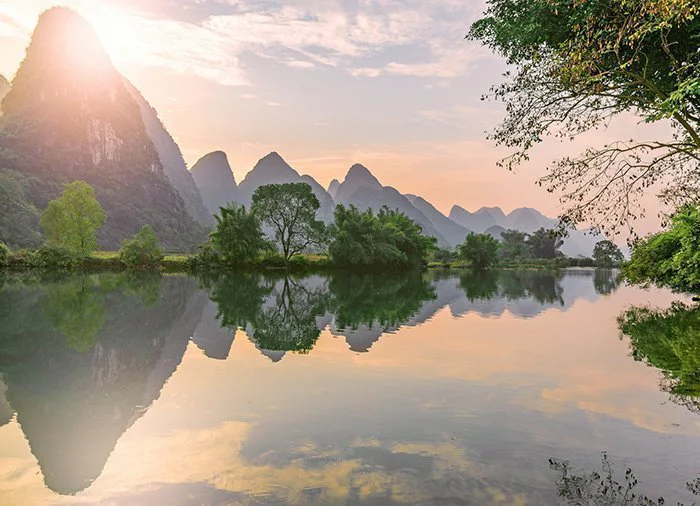
Yangshuo is surrounded by a landscape so poetic it will take your breath away. The Li River meanders alongside dramatic limestone peaks that rise from the ground like splendid spikes scattered across the scenery. Just outside the town, you can witness hardworking local farmers tending to their rice paddies, vegetable fields, and flower gardens.
The scenery in Yangshuo is so cherished by the Chinese themselves that the Li River, limestone mountains, and rice fields are depicted on the 20-yuan banknote.
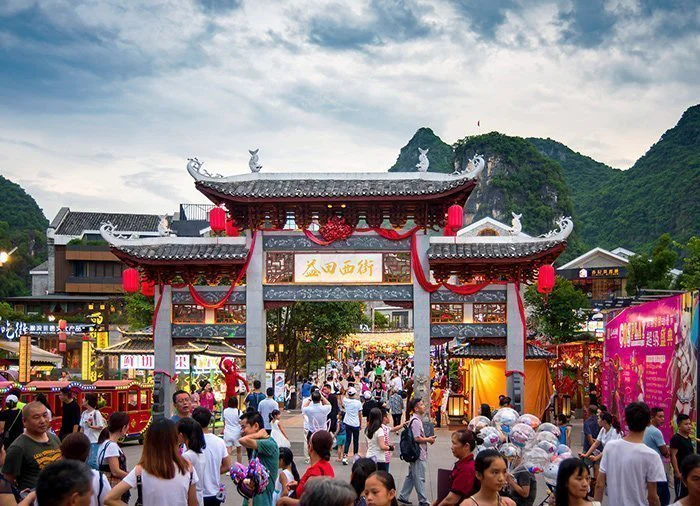
The town itself is wonderfully lively, with restaurants and bars lining the streets. If you fancy a spot of shopping, West Street is a must. It’s the oldest street in Yangshuo, with over 1,400 years of history. The street is bustling with restaurants, cafés, and an array of shops selling jewellery, clothing, shoes, fans, bamboo and buffalo horn products, porcelain, and much more.
There is no set programme for the next few days, meaning you are free to choose your own activities and pace.
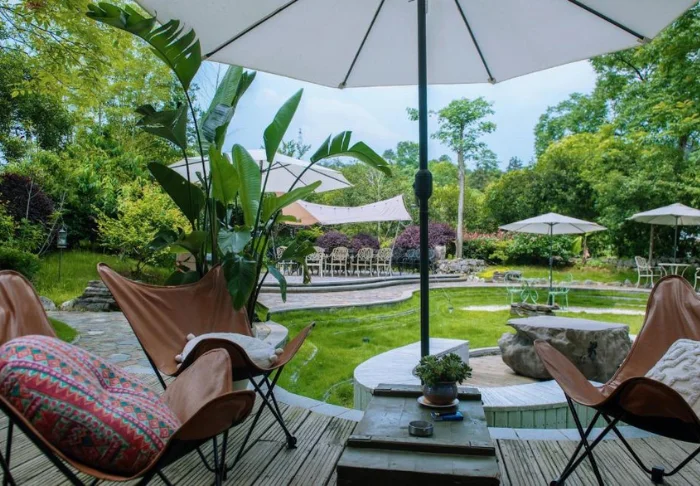
The days are your own to do as you please. You might like to go on one of our optional excursions in the picturesque part of Yangshuo, which gives you a good insight into the local life outside the city.
This morning, you will wave goodbye to scenic Yangshuo. You will be picked up from the hotel and driven to Guilin airport, from which you will fly to bustling Shanghai.
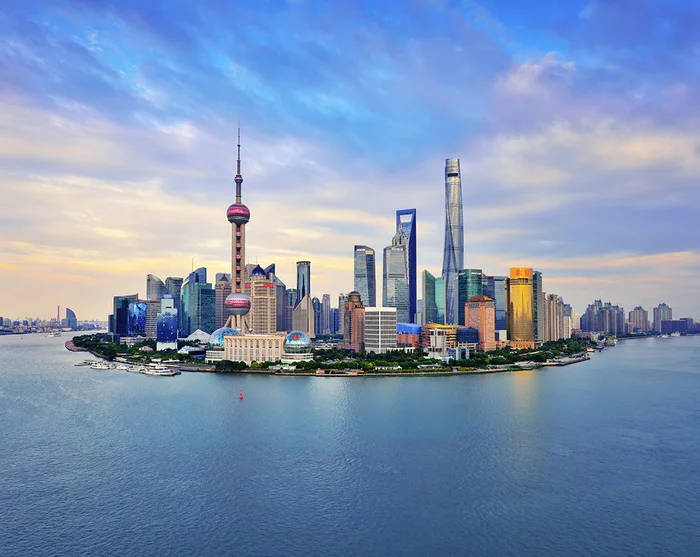
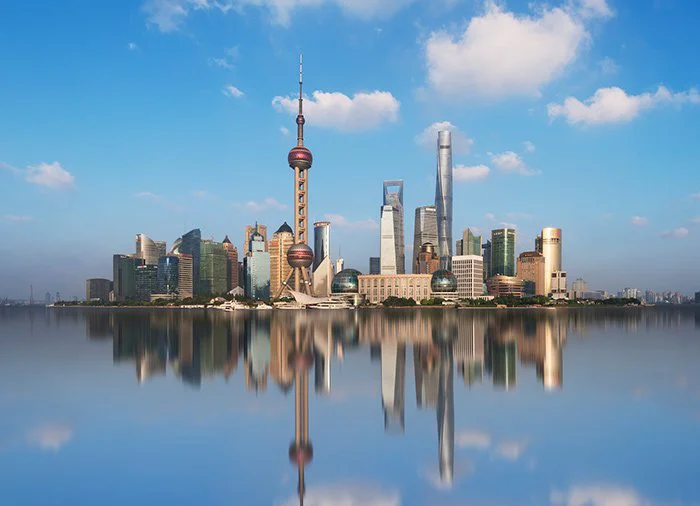
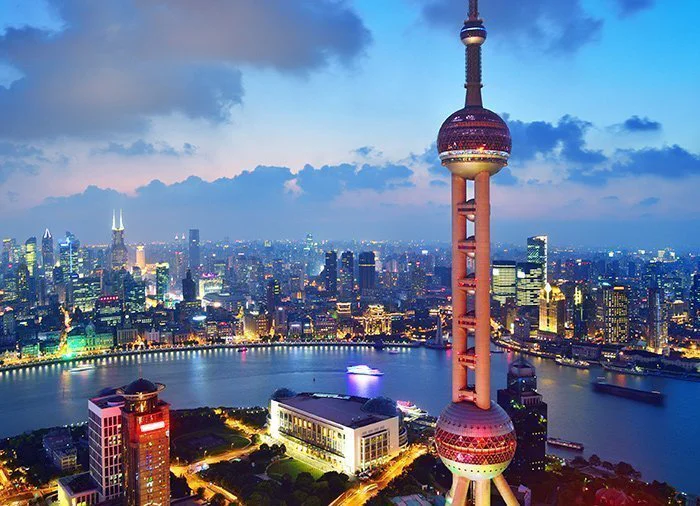
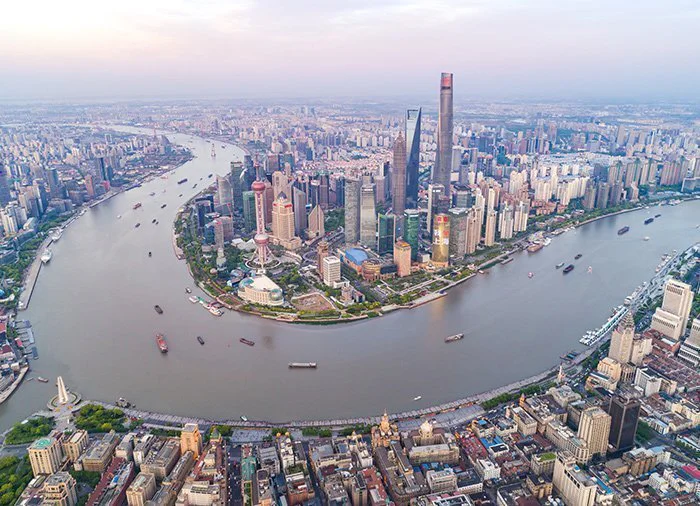
With just under 25 million inhabitants, Shanghai is China’s largest city. The Huangpu River, a tributary of the mighty Yangtze, divides the city into two – Shanghai’s new financial district, Pudong, on the east side of the river and the city’s historic centre, Puxi, on the west side.
A city of contrasts, Shanghai is extremely fascinating. Traditional, old buildings and Chinese temples and gardens stand alongside modern shopping centres and shiny glass and steel skyscrapers. It’s like visiting different worlds and eras at once, and that’s precisely what makes Shanghai such an exciting place to visit.
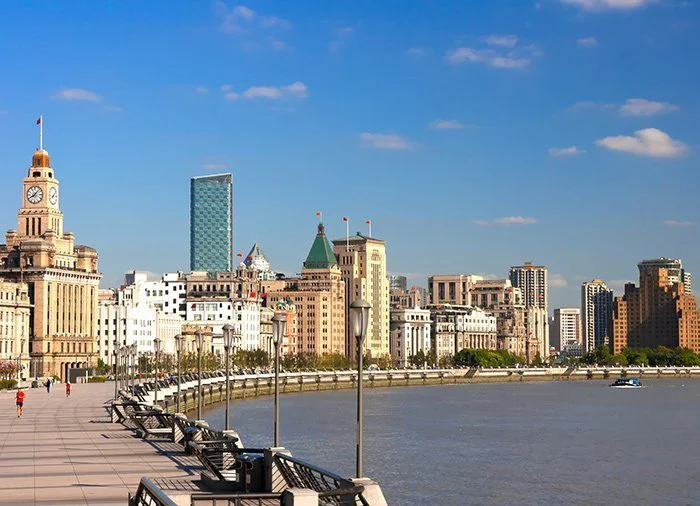
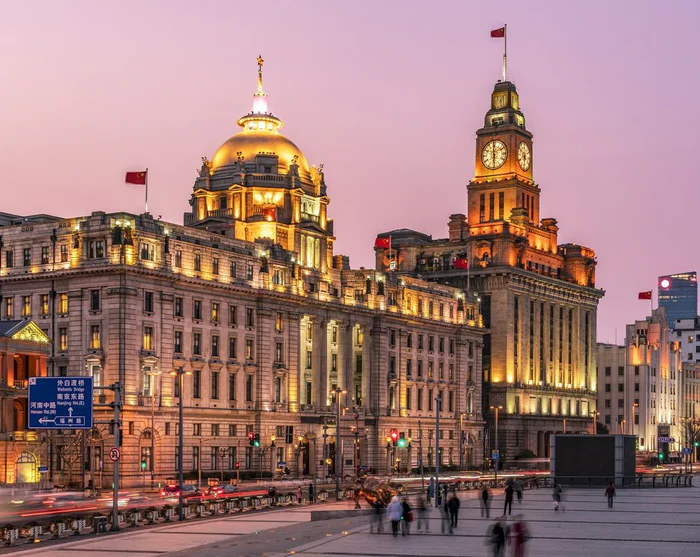
Shanghai is also the Chinese city most reminiscent of cities in the West. The European domination from 1842–1940 really left its mark on the architecture of the old concession areas along the Bund and the French Concession, so you may sometimes wonder whether you’re in London or somewhere in France instead.
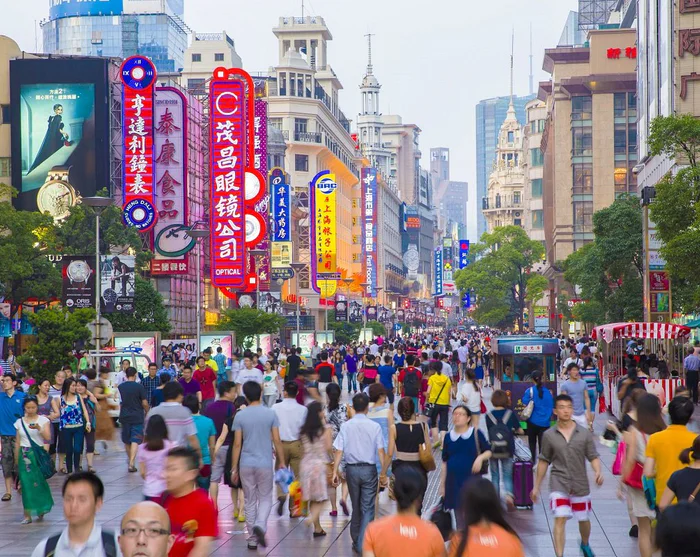
In the arrivals hall at Shanghai airport, you will be met by a guide ready to welcome you with a sign bearing your name. You will be driven to the hotel and after check-in, a guided walk around some of Shanghai’s popular attractions awaits you. The first visit is to the famous Nanjing Road, which at 5.5 km is the longest shopping street in the world. It is also one of the world’s busiest shopping streets, attracting some 1 million visitors a day. Nanjing Road runs from Jing’an Temple to the west to The Bund in the East. Here, you will find shops selling silk and Chinese specialities, traditional shops and brand stores.
From Nanjing Road, you continue to Shanghai’s famous 1.5-km-long waterfront, The Bund, where you find yourself between two worlds – on the one side of the river you have the beautiful, well-maintained buildings of the English Concession, while on the other, you have modern skyscrapers, which are lit up in an array of neon lights when darkness falls. Stroll down the promenade and soak up the lively atmosphere.
You end the tour by seeing it all up from the skyscraper Shanghai Tower, China’s tallest building. The building is 632 metres high and has 128 floors. You’ll be going up to the 121st floor, where you can enjoy an outstanding view of the illuminated city.
After this thrilling experience, you can choose to remain in the area and walk around on your own or go back to the hotel with the guide.
Today, you will be going on an exciting half-day excursion to Shanghai’s most famous attractions.
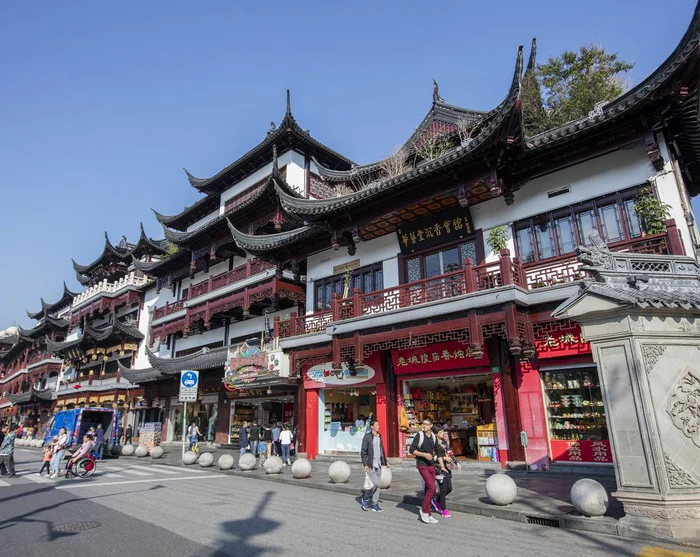
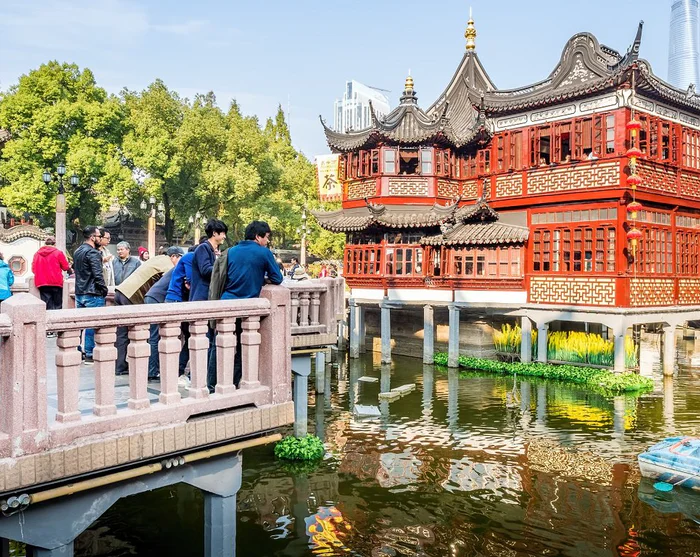
You will meet the guide at the hotel, where the tour starts. First stop is the old commercial street, Shanghai Old Street, located in the ancient Chinese quarter. While walking here, it’s worth noting the traditional buildings and the architectural development from the Ming dynasty and the Qing dynasty to the 20th century. Shanghai Old Street is one of the few remaining places where you get close to the original Shanghai. It is also where the famous tea house, Chun Feng De Yi, is located. The tea house was built in the latter years of the Qing dynasty, and people come here to enjoy a traditional cup of tea prepared the proper way.
From Shanghai Old Street, the tour continues to Jiuqu Bridge, also known as the Nine-turn Bridge, which winds its way across a small carp lake. This is where Shanghai’s oldest tea house, Huxinting, from 1855, is located. Jiuqu Bridge leads you to the entrance to Yuyuan Garden, Shanghai’s finest garden.
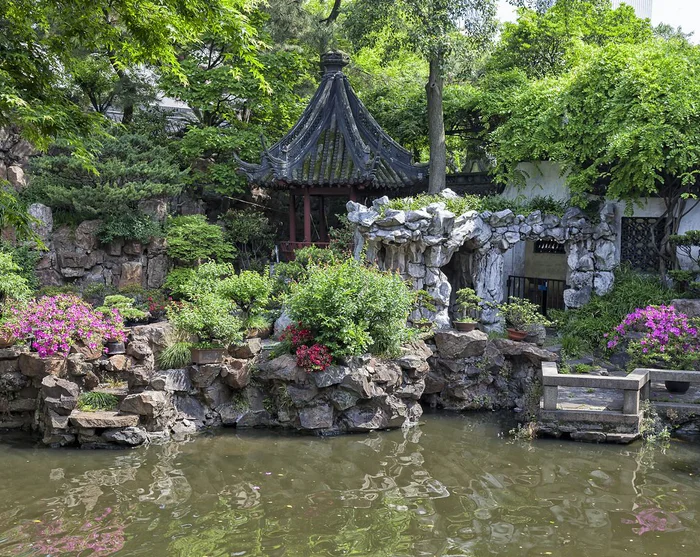
Yuyuan Garden was built during the Ming dynasty by the official Pan Yunduan as a sanctuary for his parents. Yu means peace and well-being in Chinese, and that’s exactly what the garden reflects. The garden covers an area of two hectares and is one of the finest examples of Chinese landscaping. It is like an oasis in the middle of the otherwise hectic city with small ponds, pavilions, gates, streams and stone bridges. The protective dragon wall surrounding the garden keeps Shanghai’s bustling Old Town at bay.
You can then choose to stay in the area or return to the hotel with the guide.
Today is yours to do as you please. You can choose to go on our optional excursion to the Venice of China or simply enjoy the metropolis on your own. If you choose to stay in Shanghai, we recommend a visit to People’s Park, People’s Square and the old French Concession area.
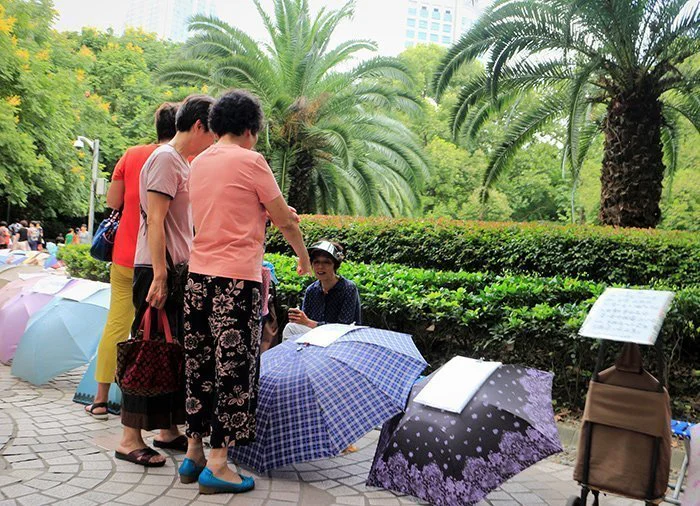
People’s Park is located in the heart of Shanghai. The park was built on the same land as the former race course established by the British in 1862. Today, it is a beautiful, green and peaceful oasis, where you can experience how the Chinese spend their everyday lives and weekends. You will see people here reading, playing, dancing and singing. It is also here in the park, at Blind Date Corner, that you will find the Marriage Market. On open umbrellas plastered with dating ads, hopeful parents attempt to find the right spouse for their son or daughter. A really fun experience!
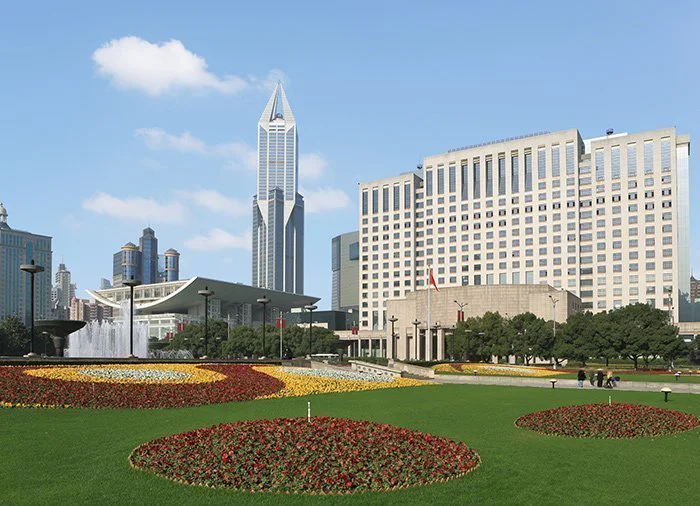
100 metres south of People’s Park is People’s Square, Shanghai’s popular gathering place. Lining the square are buildings such as Shanghai Museum and Shanghai Grand Theatre as well as the Shanghai Urban Planning Exhibition Center, where you can see how the city has evolved over the past hundred years. Surrounded by tall buildings, the square is close to the Radisson Blu Hotel with its popular Sky Dome Bar on the 47th floor. You can also visit the nearby underground shopping mall.
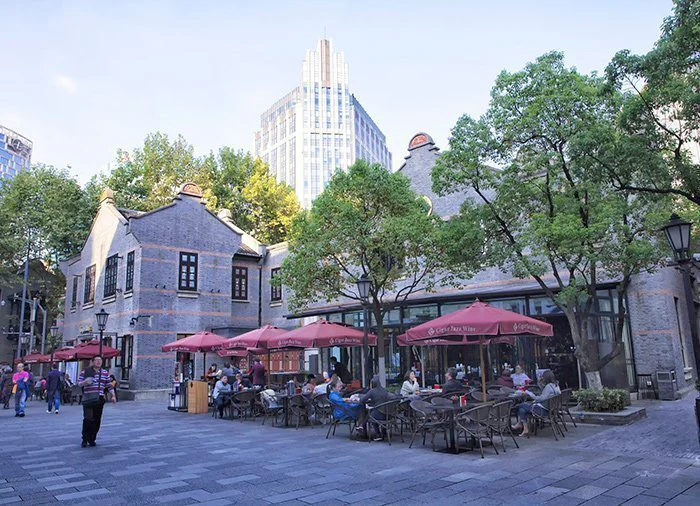
Another area worth visiting is the French Concession, one of the nicest neighbourhoods in Shanghai, oozing soul and charm. Stroll through the maze of streets with popular cafés and restaurants and down the leafy avenues with their mansions and villas in old French style.
Sadly, the time has come to head back to Europe after an eventful and exciting tour. You will be picked up from your hotel by a driver who will drive you to the airport, from which you will fly to your chosen airport, with connecting flight(s) along the way.
Children under 12 years from £3329
Single room supplement from £699

Emily loves to travel and is extremely passionate about helping others achieve their travel dreams.