Safari in the Ngorongoro Crater and option to visit a local school
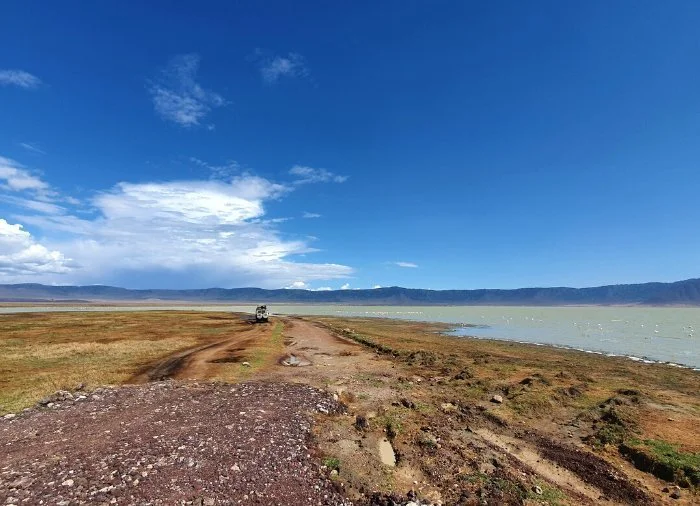
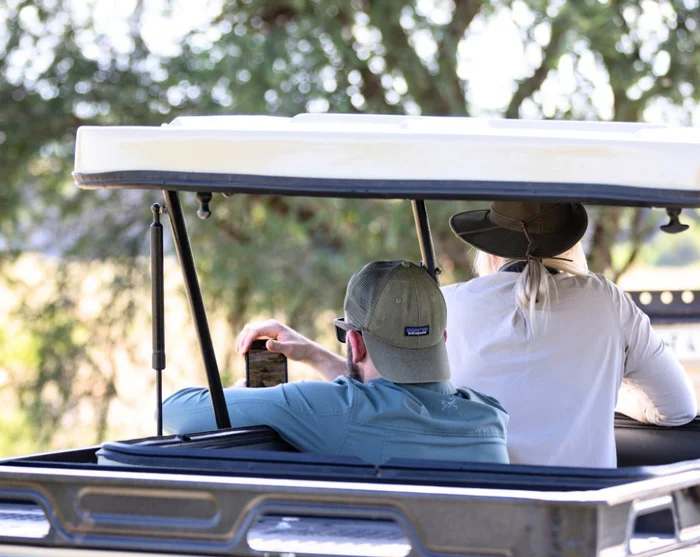
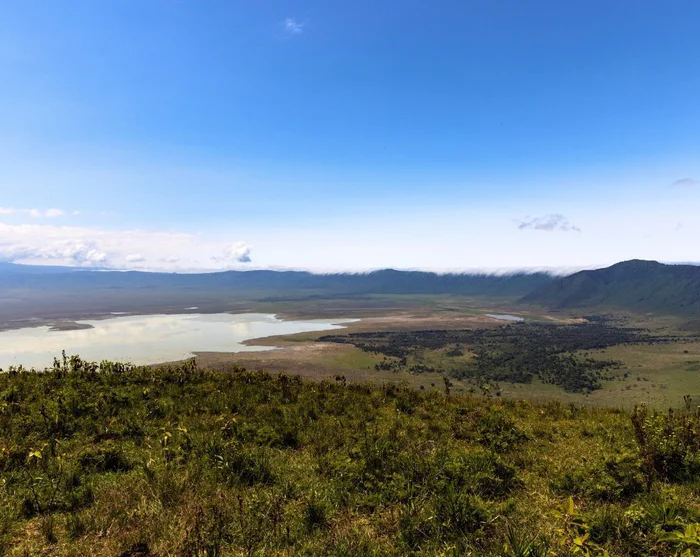
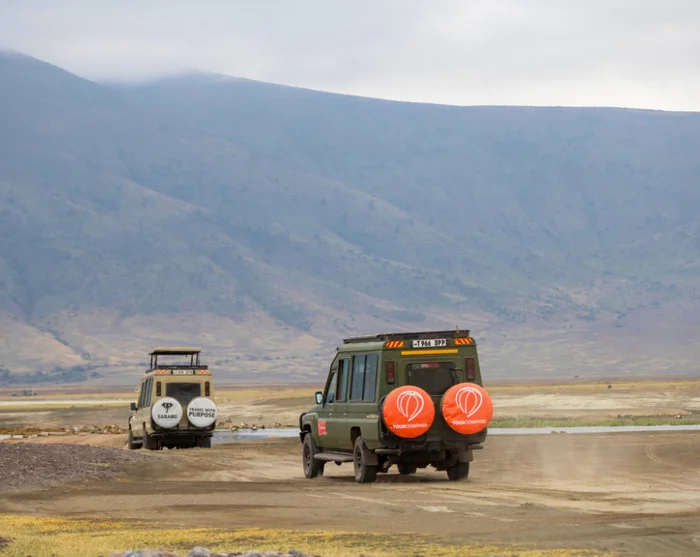
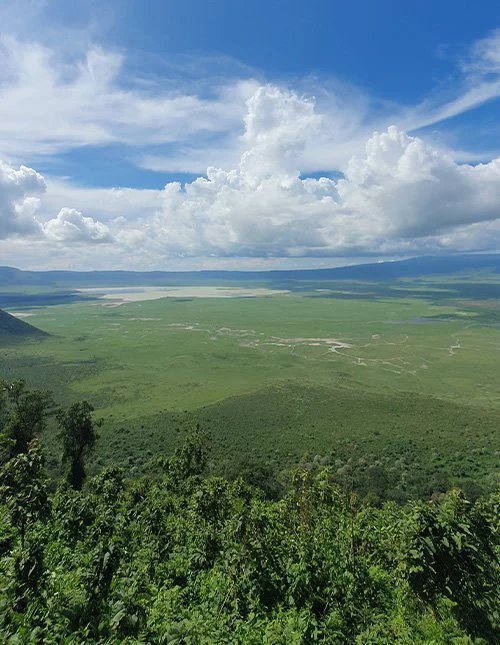
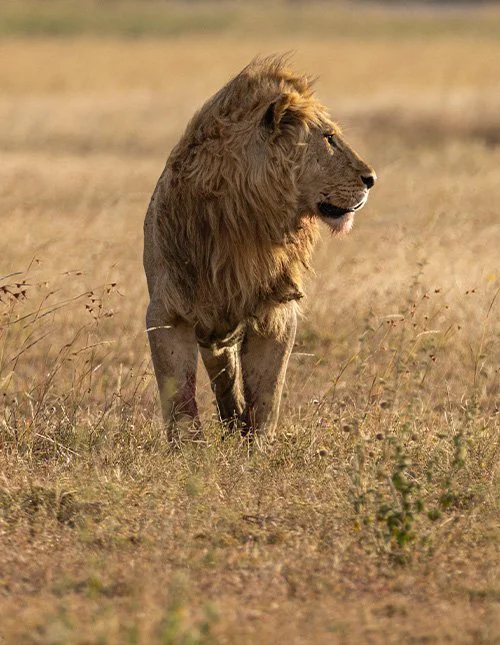
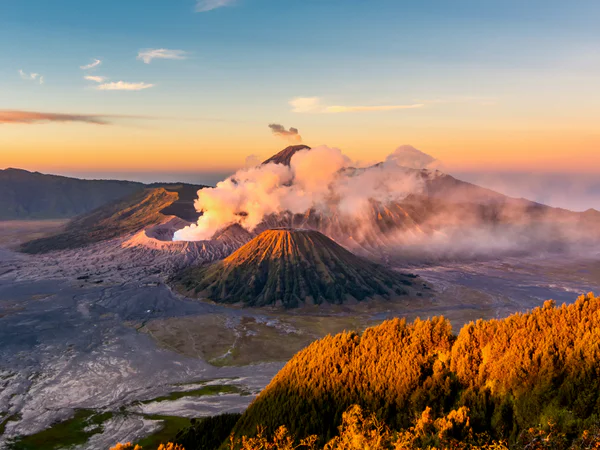
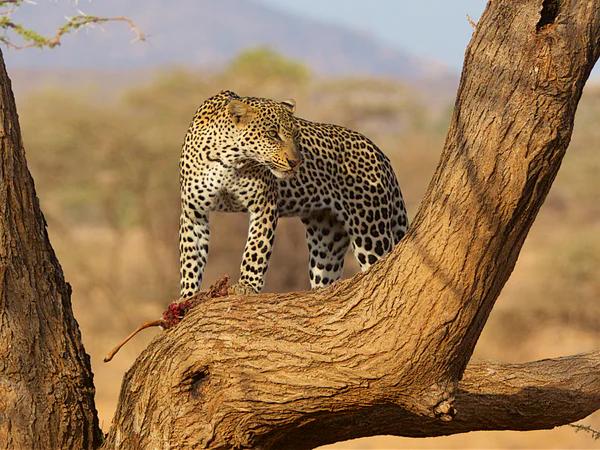
We’ve saved the best to last. With a little luck, you might get to experience the Big 5 today. It will happen on a safari in the Ngorongoro Crater, which is the world’s largest inactive volcano. The volcano erupted some 2–3 million years ago and folded in on itself, leaving a gigantic hole, which is today home to 30,000 animals and 350 different species of birds, all of which have access to water all year round. Just the drive down into the crater is a highlight in itself. With the roof of the safari car open, down, down, down you drive. You can feel the temperature change and smell all the different trees and flowers until you finally reach the microcosm at the bottom.
The only animal you won’t find in the crater is the giraffe. Think what the drive down here was like. Otherwise it’s all here – and plenty of it!
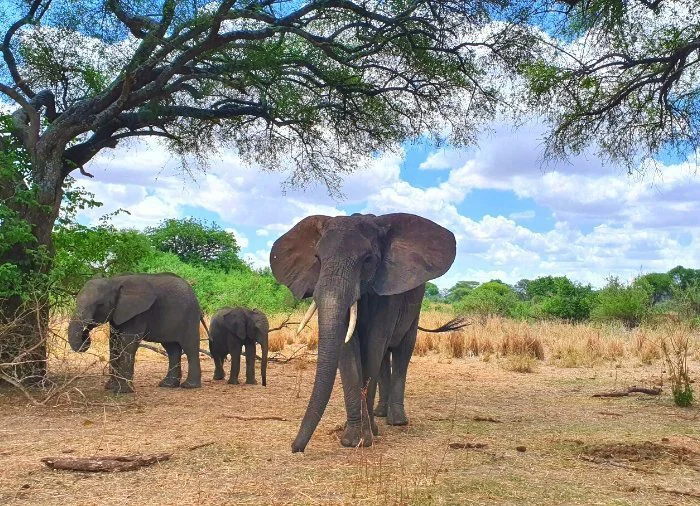
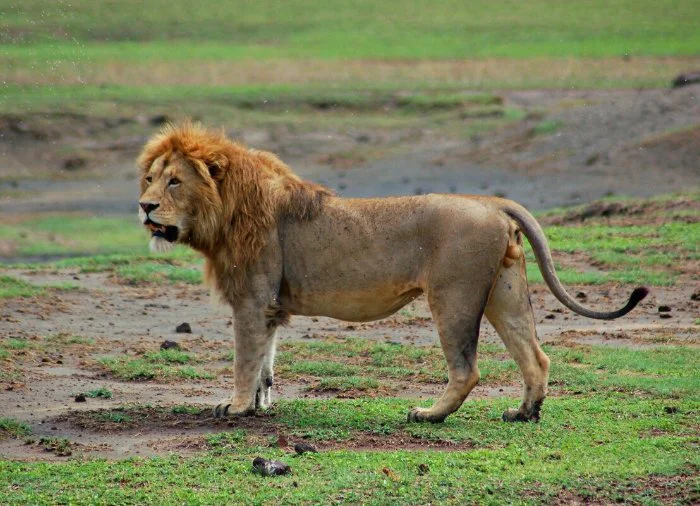
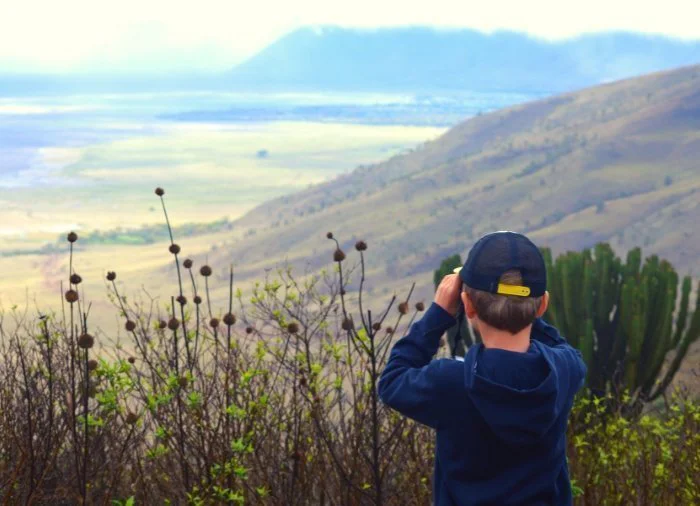
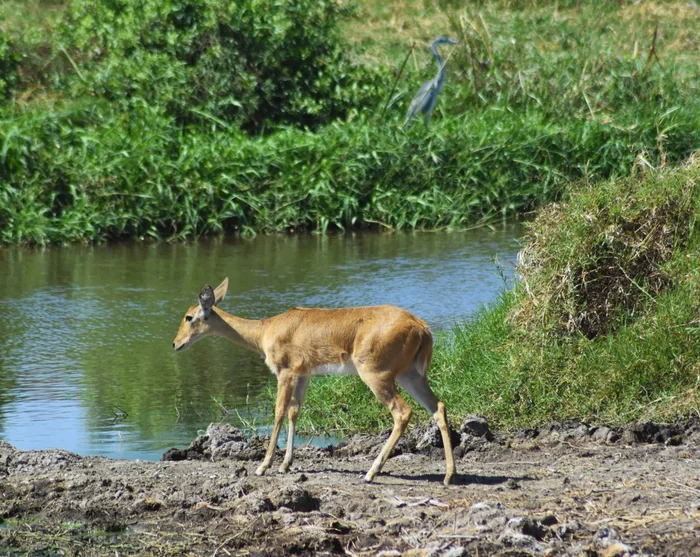
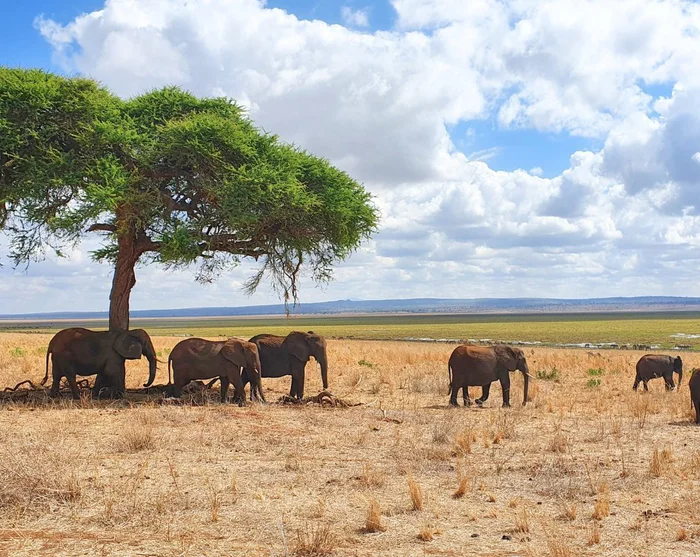
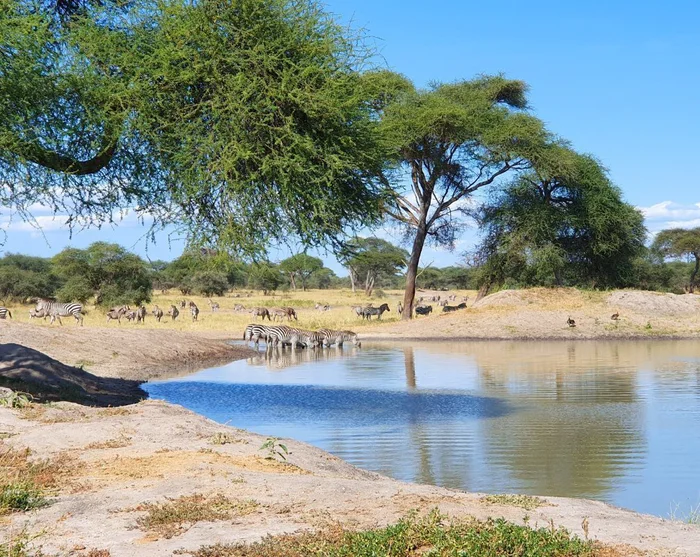
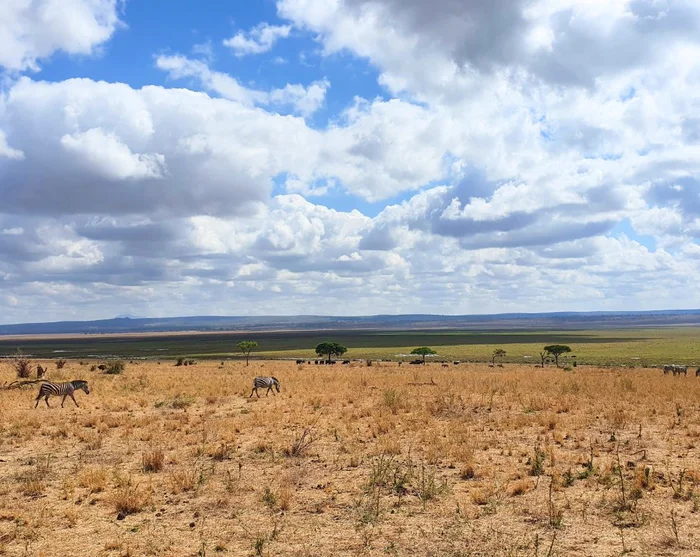
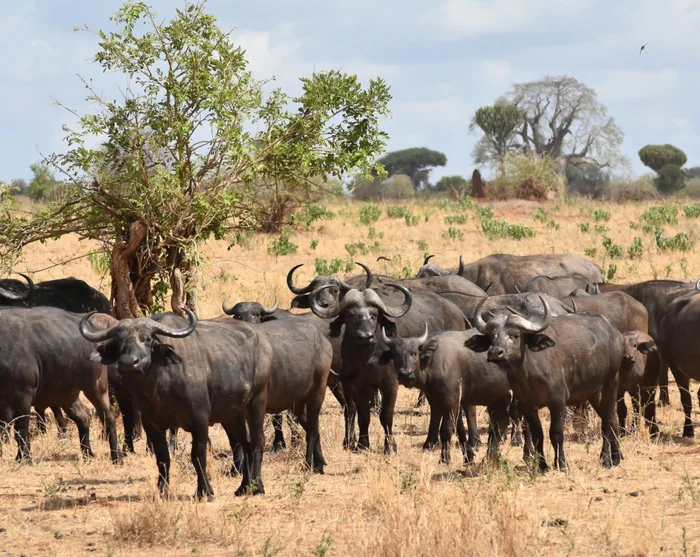
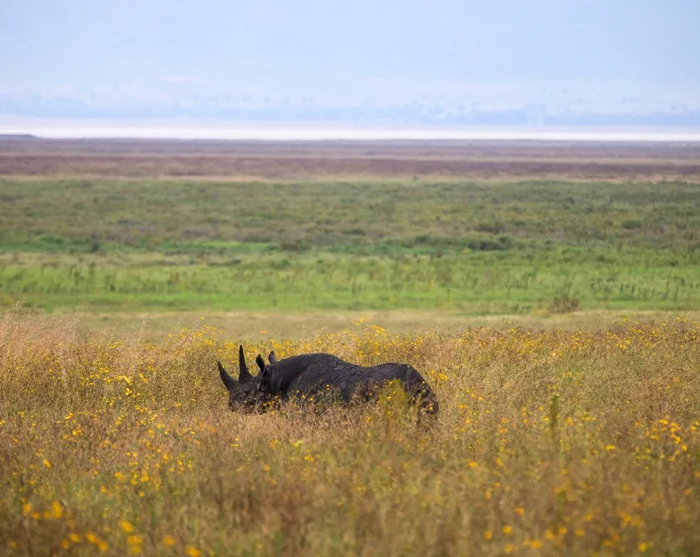
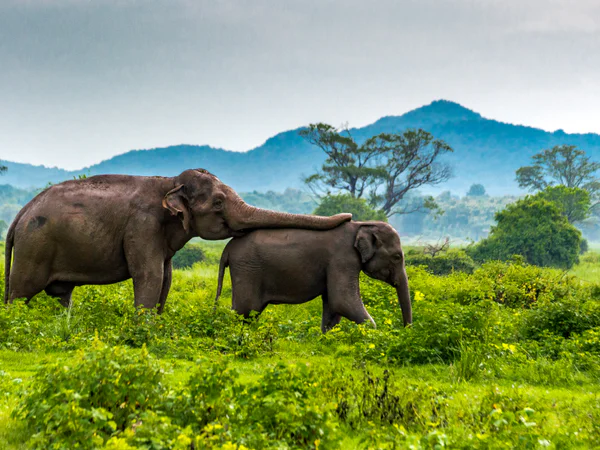
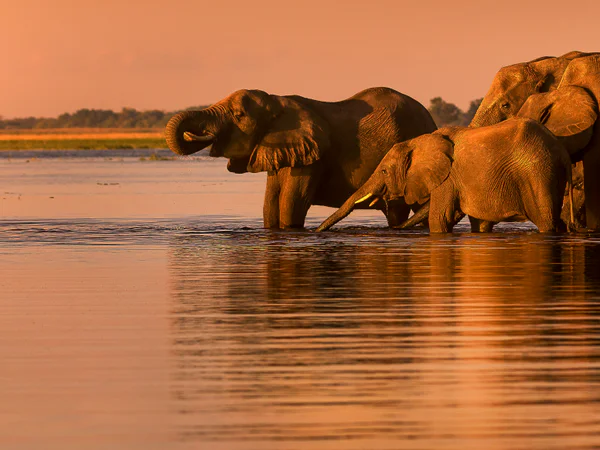
Elephants, zebras, wildebeests, buffaloes, lions, flamingos, hippos, antelopes, storks, hyenas, jackals – and the endangered black rhino. The base of the crater is flat and covers an area of 260 km2, and towering 600 metres up above you is the crater’s edge. It feels as if you’re at the bottom of the world, but the crater floor is actually 2,000 metres above sea level.
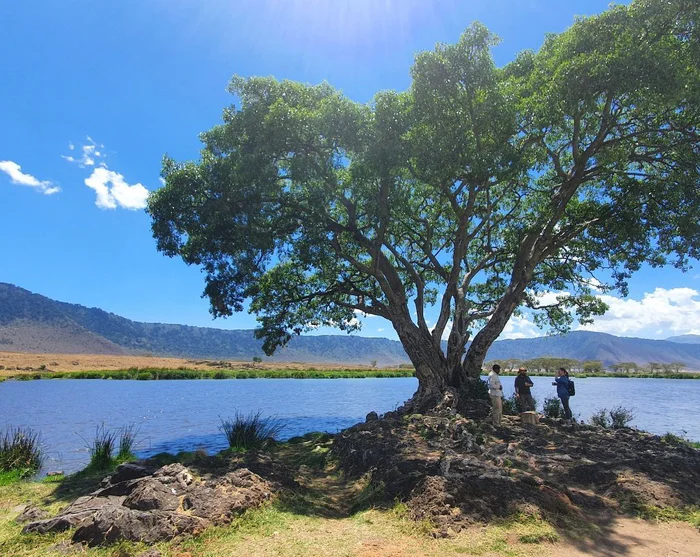
Once again, you have lunch with you in the car, often enjoyed by a scenic lake with a view of hippos and lots of birds.
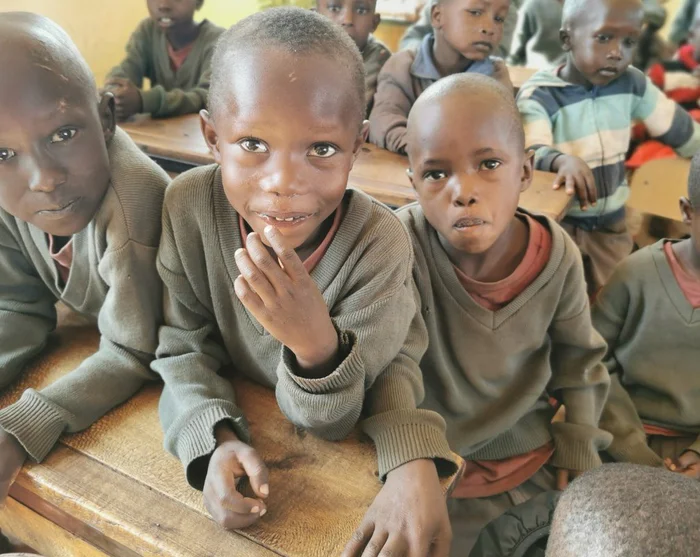
If you like, you can also (on school days) visit a local school. The school is located on the edge of Ngorongoro, and a visit here means a slightly shorter visit to the crater, so have a chat with your guide about what you’d prefer! TourCompass has donated the kitchen building to the school and we also make a monthly contribution for uniforms, school materials and food. the school has place for 52 children aged 3–6. In the morning, the children help at home, and at midday, they go to school. The school day starts with a hearty meal to ensure they are full and ready to learn. When the children start school, they only speak the local Masai language. They must therefore start by learning Swahili and then English (which are the two official languages in Tanzania) before they can actually start learning to read. It’s both a touching and educational experience to visit the school, and if you feel like it, you’re welcome to bring school supplies or used clothes as a donation.
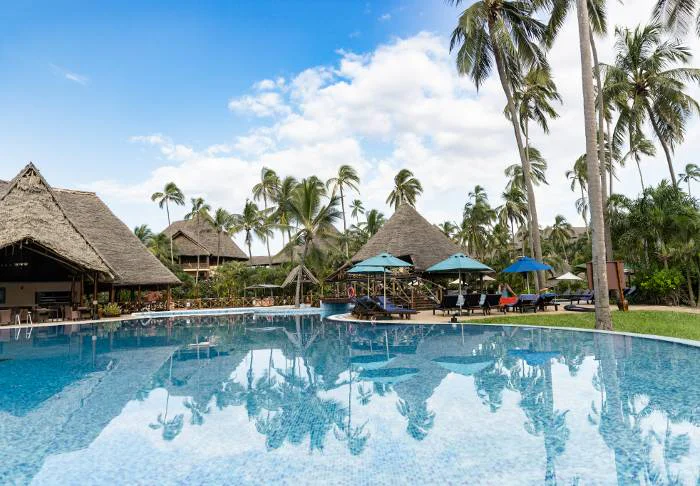
At the end of the day, you head back to the hotel where the pool awaits you!


The price is based on 4 people travelling. Surcharge when 1, 2 or 3 travelling.