Exploring New Orleans on your own
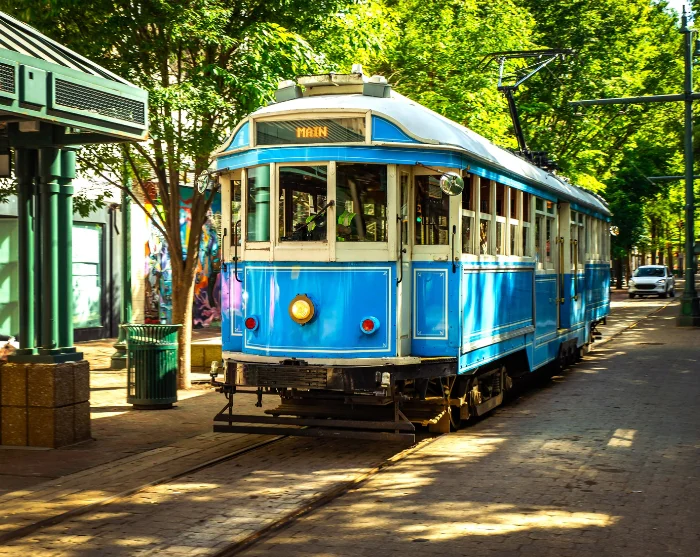
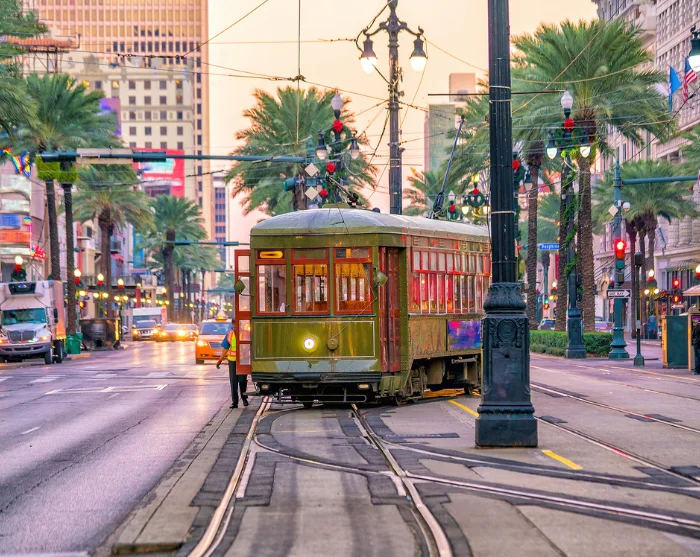
No activities have been planned during your stay in New Orleans, so you are free to set your own pace and plan your days. You can take advantage of the city’s historic streetcars, which date back to 1835, as you explore its many fascinating corners.
New Orleans was founded in 1718 by French colonists and named after the then French regent, Phillippe d’Orleans. Later, following the Treaty of Paris, the city came under Spanish control, before being handed back to France in 1800 and finally sold to the United States in 1803. This diverse melting pot gave rise to the Creole people – descendants of Spanish and French colonists, African slaves, and Native Americans. It is precisely this blending of cultures that gives New Orleans its unique character, which can be seen in its language, cuisine, culture, and architecture.
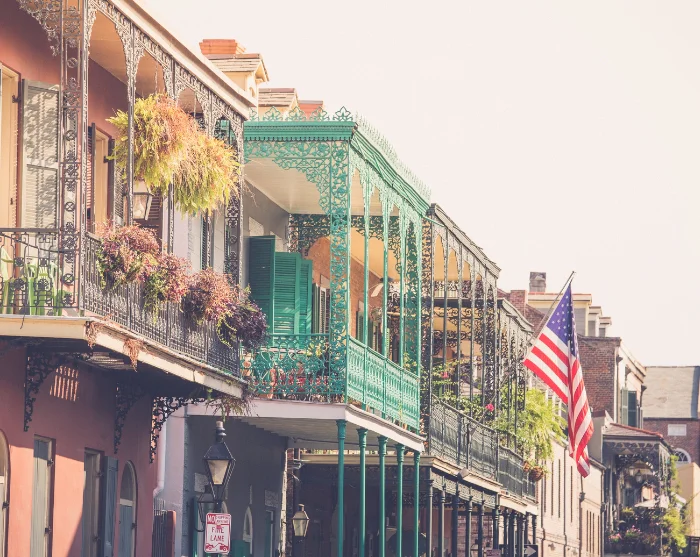
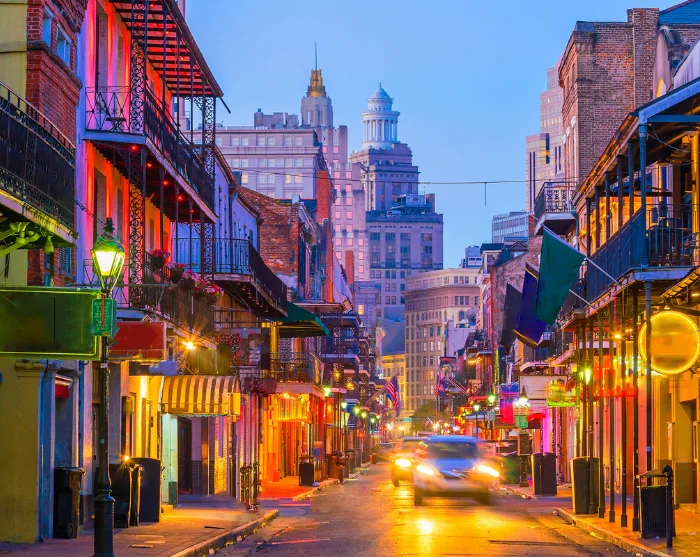
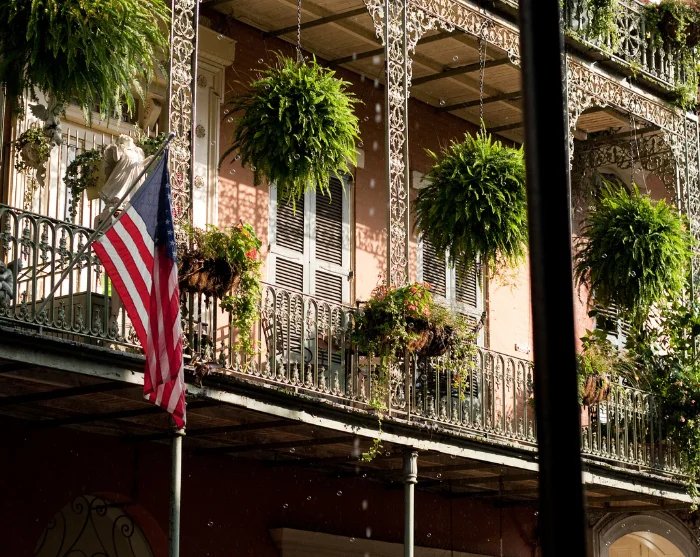
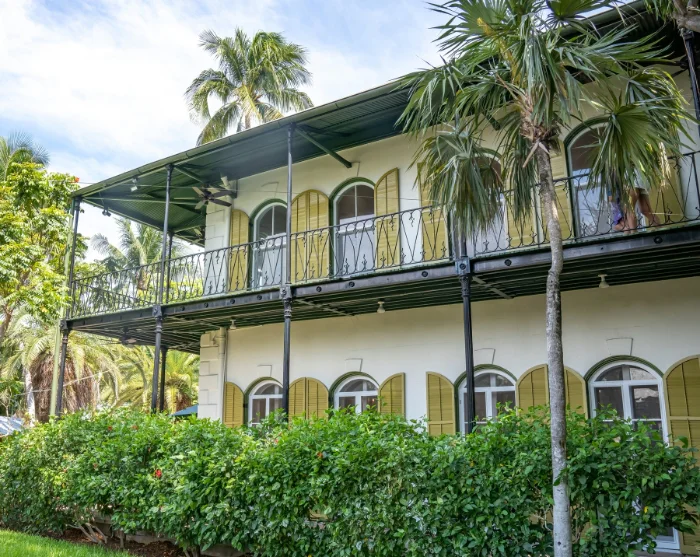
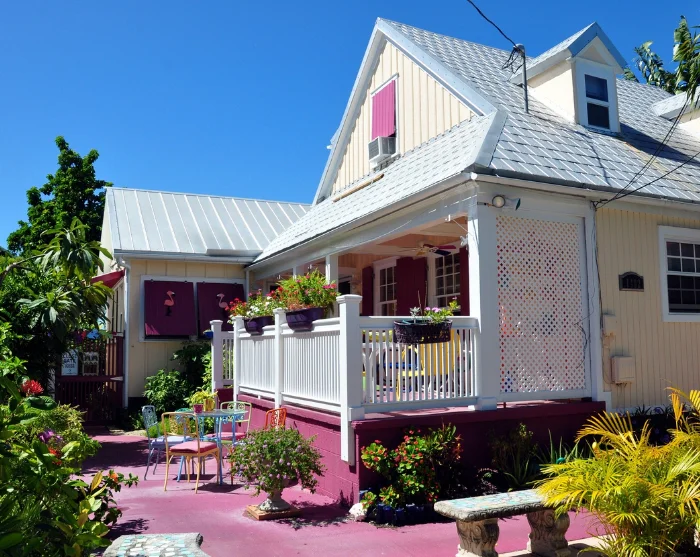
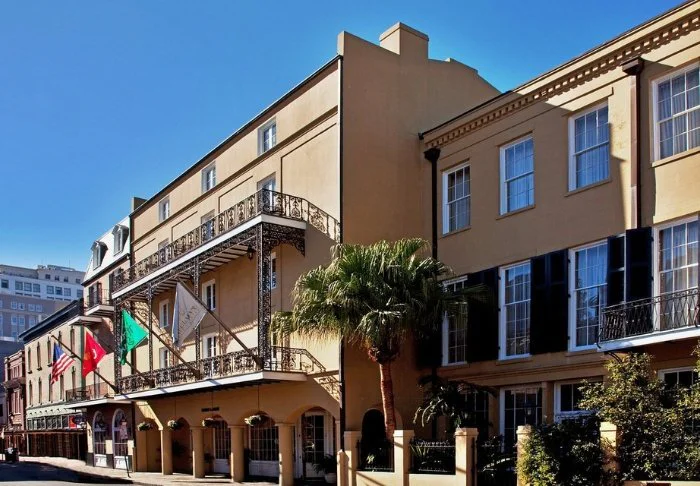
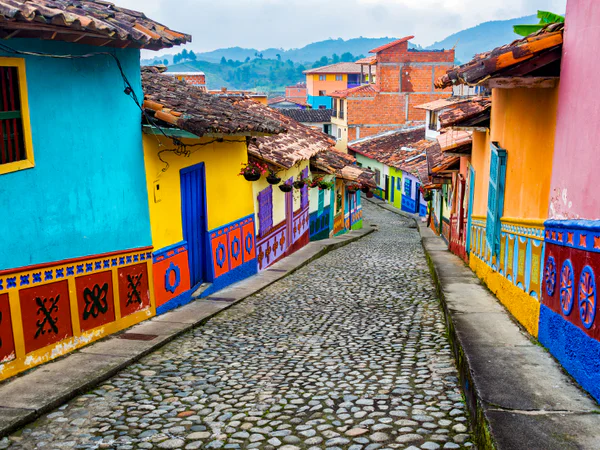
Today, the city remains eternally beautiful, with colourful buildings in a charming Creole style. To experience the most distinctive architecture in all its glory, head to the French Quarter. Here, historic and beautifully preserved buildings line the streets, their long wrought-iron balconies draped in ferns and flowering vines. The old district hums with life – musicians, street performers, voodoo shops, and lively bars. You might even recognise the surroundings of Charles Street, where a scene from the James Bond film Live and Let Die was shot.
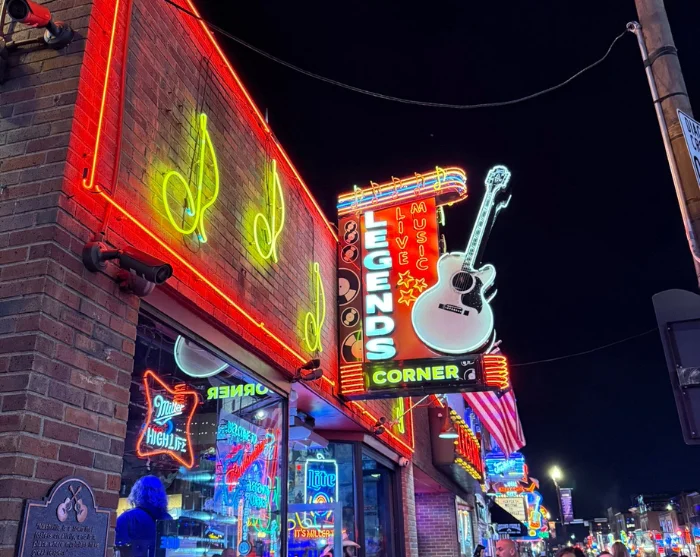
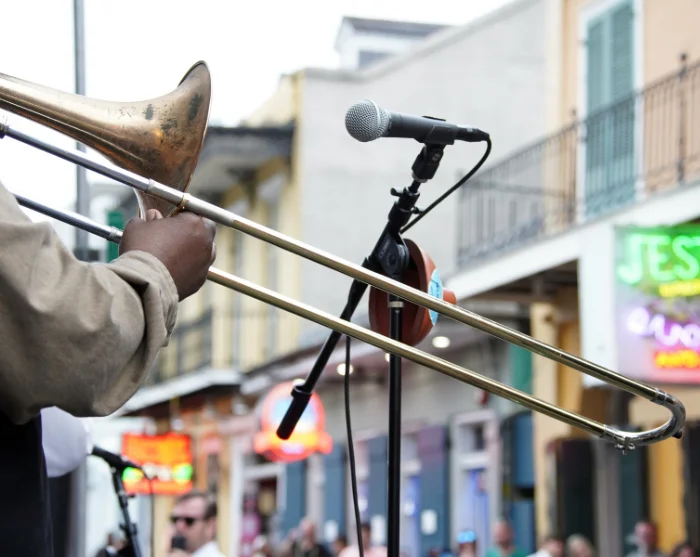
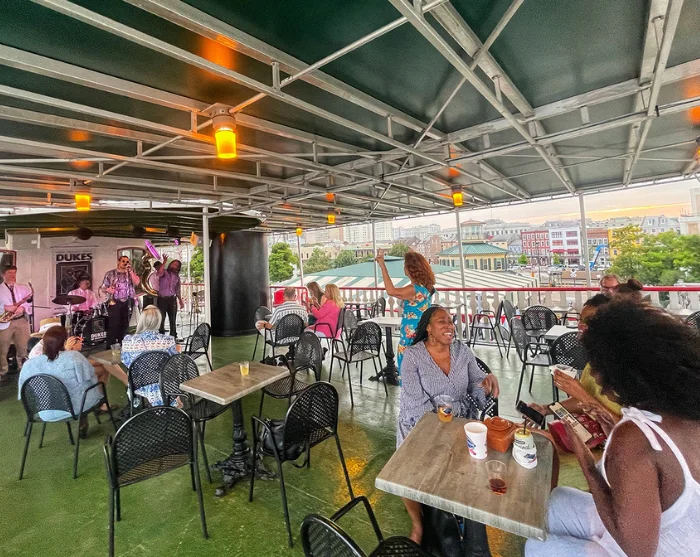
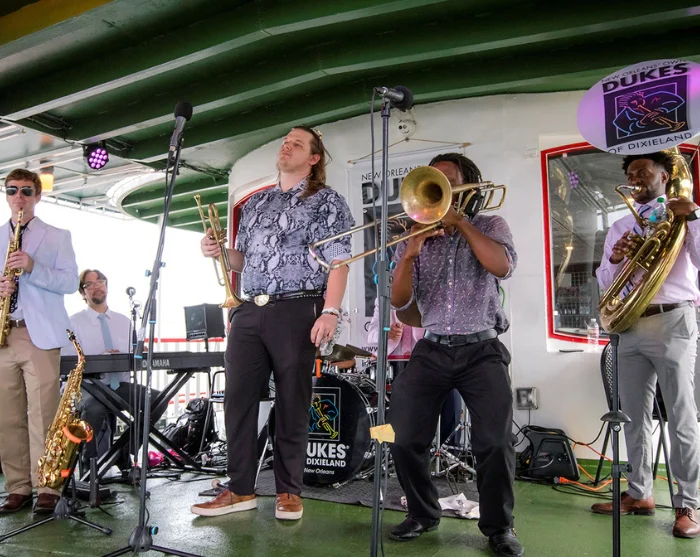
Music fills every corner of the city, and it’s not unusual to see young people wandering the streets carrying a drum, trombone, or trumpet. Stop off in the artistic Marigny district, said to have the most authentic live venues, where blues and jazz flow so freely that you lose all sense of time and place. It’s impossible to keep still here as the joy of life bursts from the brass instruments and fills the air.
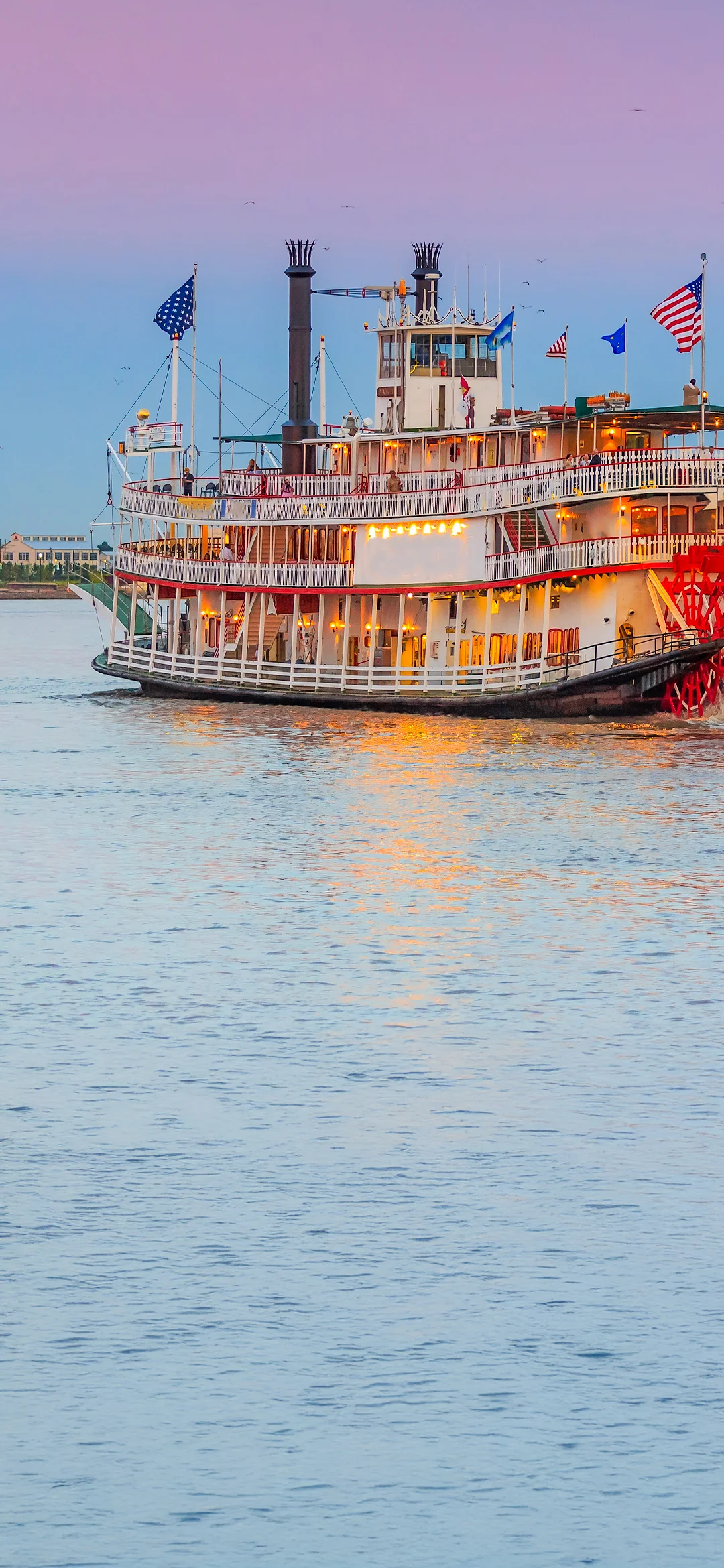
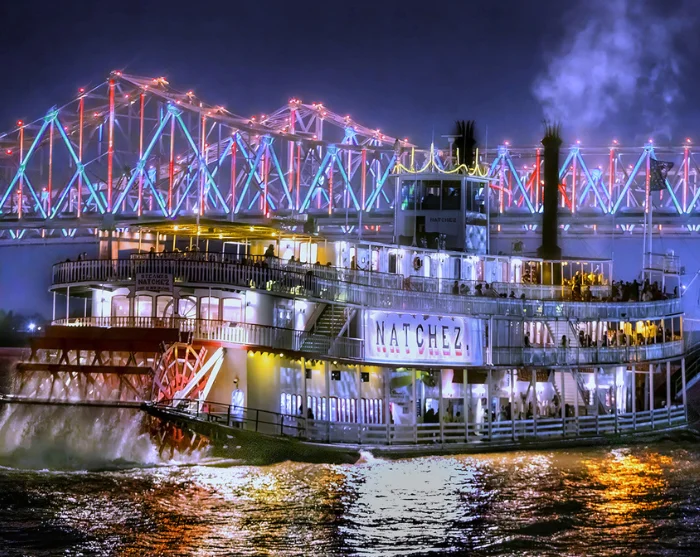
Also consider a cosy break at the world-famous Café Du Monde, which has been serving beignets – deep-fried pastries dusted with icing sugar – since 1863. The coffee and dessert are one delight, the view another – savour both as you gaze out over the Mississippi River, where you’re more than likely to spot one of the elegant paddle steamers gliding past.
With a rather dark past marked by disease, fires, and natural disasters, the city has earned a reputation for being haunted. Voodoo and mysticism are deeply rooted here, and ghost tours through haunted buildings are a major attraction – perhaps you’ll join one? The mystique continues in the city’s famous cemeteries, such as Lafayette Cemetery and St. Louis No. 1, where witches and voodoo queens are buried in the distinctive tombs built above ground due to the city being under sea level.
If you want to get closer to history, visit one of the world-famous sugar plantations at Oak Alley Plantation, which bears witness to life here in the 19th century and to the harsh conditions faced by enslaved workers. The plantation is also renowned for its picturesque setting, with a long avenue lined by giant oak trees forming a natural archway leading up to the main house. The mansion itself is built in classic antebellum style – a blend of neoclassical and Greek architecture typical of the grand estates found here in the ‘Deep South’.
You can also visit the surrounding wetland delta – a unique ecosystem of cypress trees, mangroves, and a rich variety of wildlife, including alligators, birds, and fish. Learn about the local flora and fauna as you glide across the waters on one of the Deep South’s most iconic means of transport – the airboat.
Whatever you choose, you’ll be met with authenticity, history, and a joy for life and rhythm that is sure to bring a smile to your face.