Antananarivo – Andasibe-Mantadia National Park
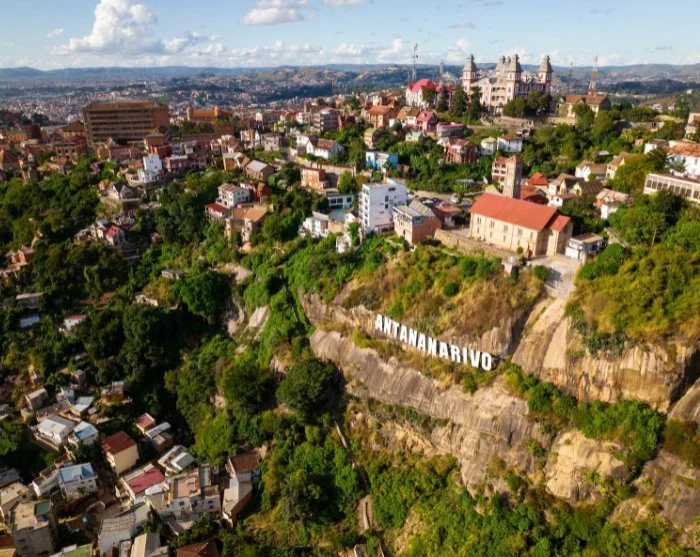
Madagascar has a fascinating past, and the capital Antananarivo, which in daily parlance is often just called ‘Tana’, has been the focal point of this history for many centuries.
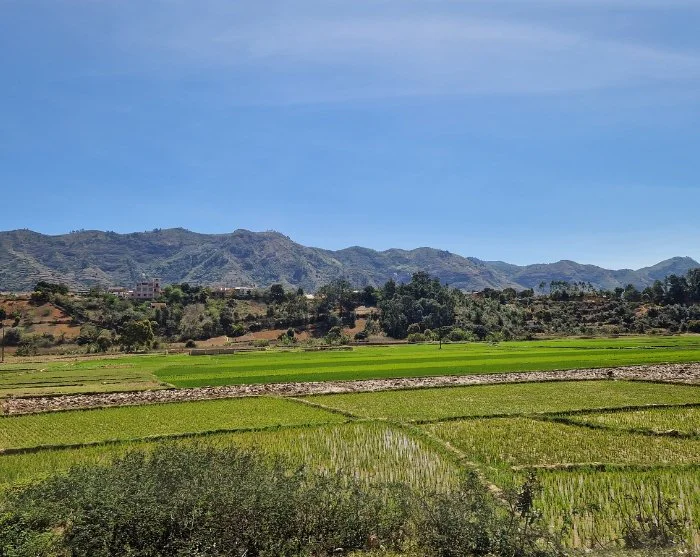
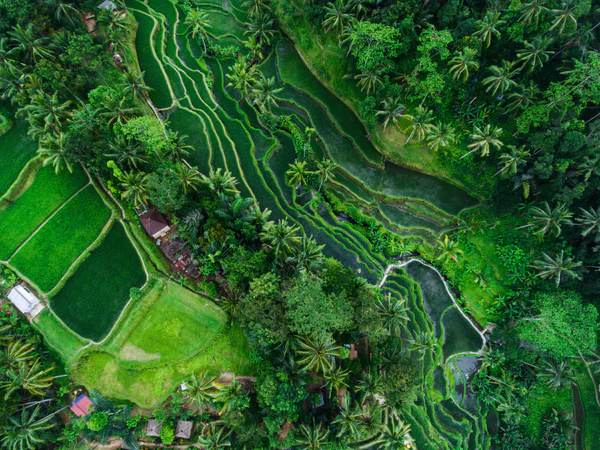
The largest and most significant tribe in Madagascar is the Merina tribe. The tribe belongs to the indigenous population group that came from South-east Asia. They settled in the central highlands of Madagascar, where they began to cultivate rice, which is still seen everywhere in this part of the island.
‘Tana’ – or Analamanga as it was known back then – was founded in the early 17th century by the local Merina king, King Andrianjaka. He ousted a rival ethnic group and slowly began to build his kingdom. At the end of the 17th century, the city was renamed Antananarivo.
In 1787, through cunning alliances and shrewd political moves, the Merina king, Andrianampoinimerina, succeeded in uniting the entire country under him and becoming the first king of all of Madagascar.
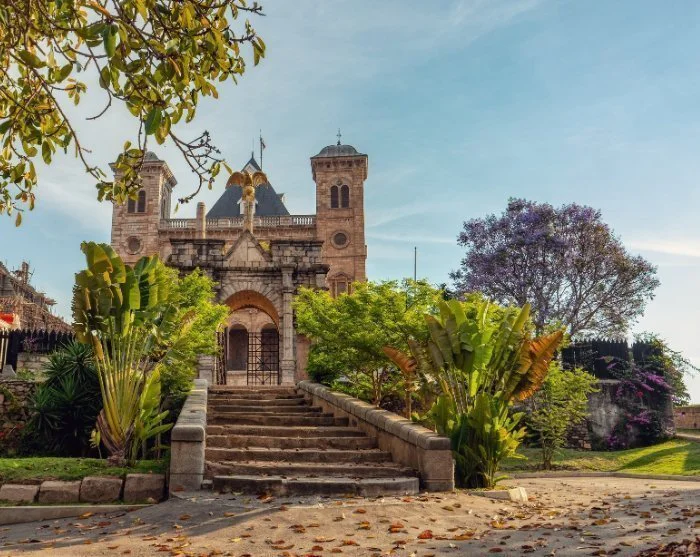
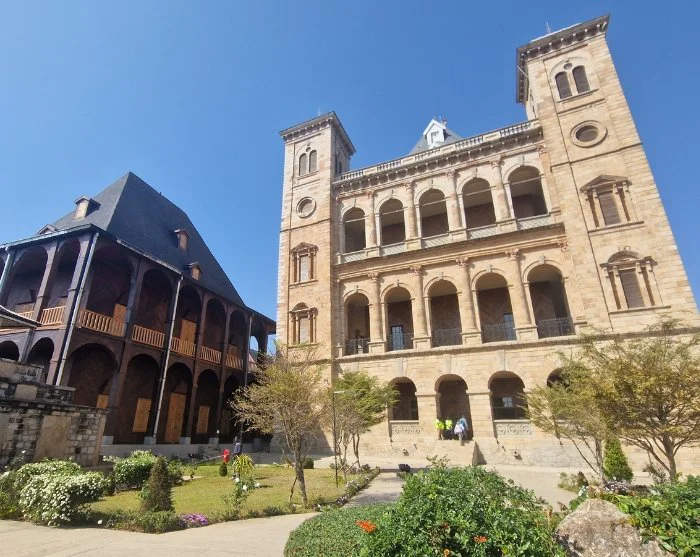
Already under King Andrianjaka, the first stones were laid for a royal palace on Antananarivo’s highest hill, but it was not until the reign of Queen Ranavalona I that the most prominent building was added. She also has the slightly flattering nickname ‘the mad queen’, and you can look forward to hearing more about her today! You will also meet the country’s last queen, Queen Ranavalona III, who was sent into exile when the French invaded and colonised Madagascar in the late 19th century.
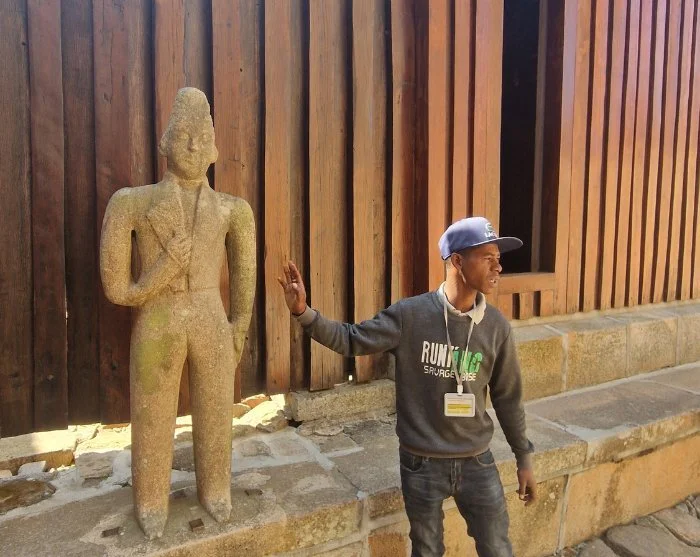
The guided tour of the palace is very interesting and provides good insight into Madagascar’s history.
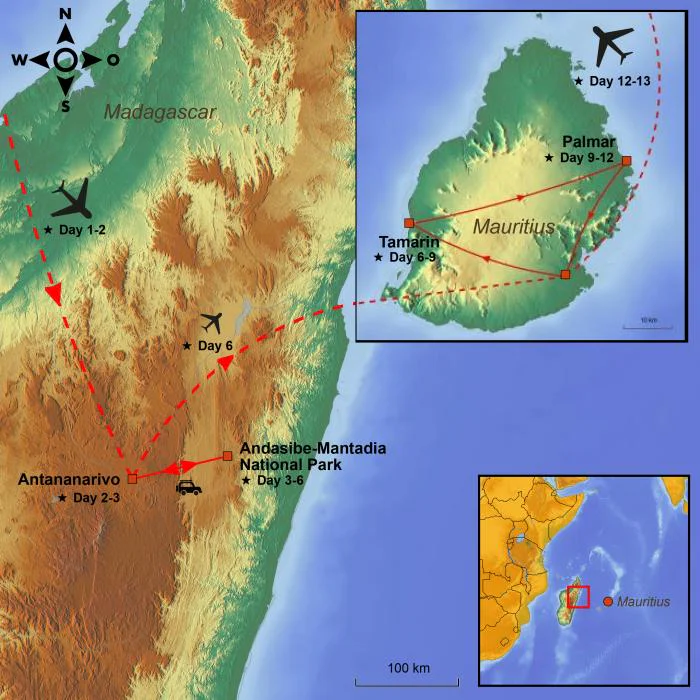
After lunch at the hotel, you will head out of the city towards one of Madagascar’s most famous national parks: Andasibe-Mantadia National Park.
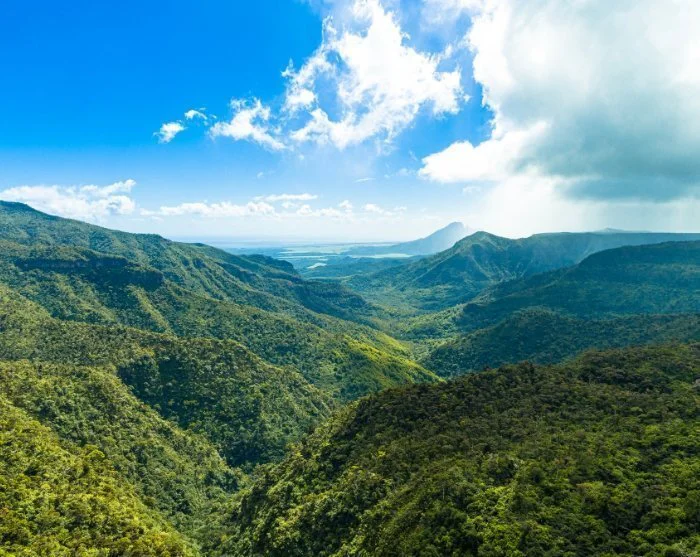
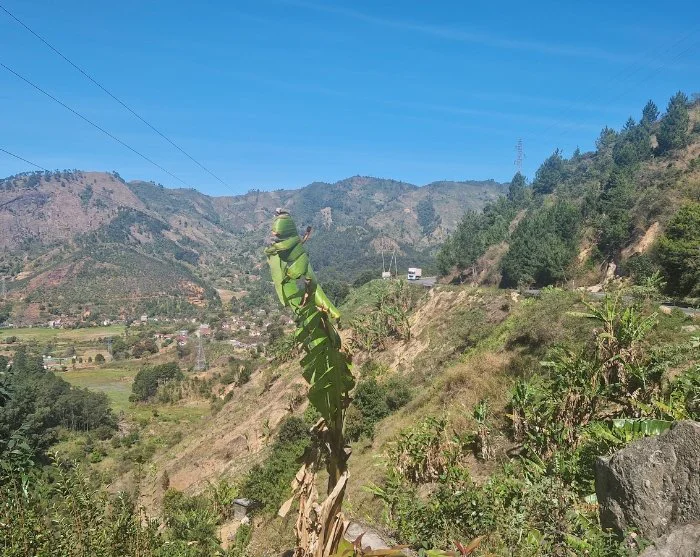
Even close to the centre of Tana, you can see rice fields and zebu cattle with their characteristic hump. As you approach the Alaotra-Mangor region, the hills become higher, the forests denser, and here and there, you can catch a glimpse of a river at the bottom of the valleys.
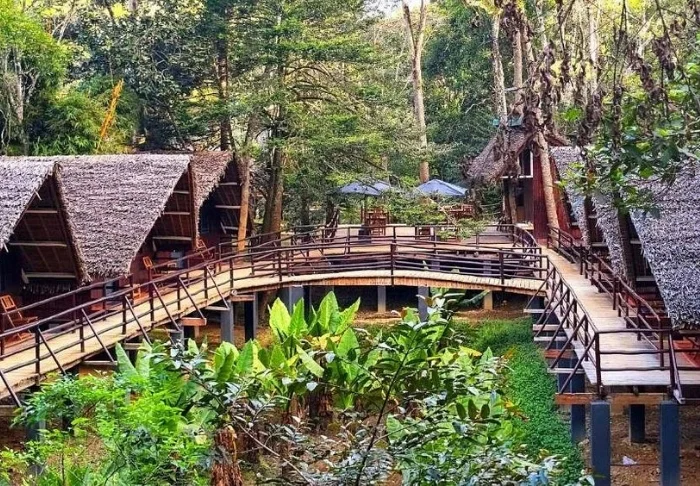
You arrive at Andasibe-Mantadia National Park in the late afternoon, where you will check into your hotel for the next three nights.
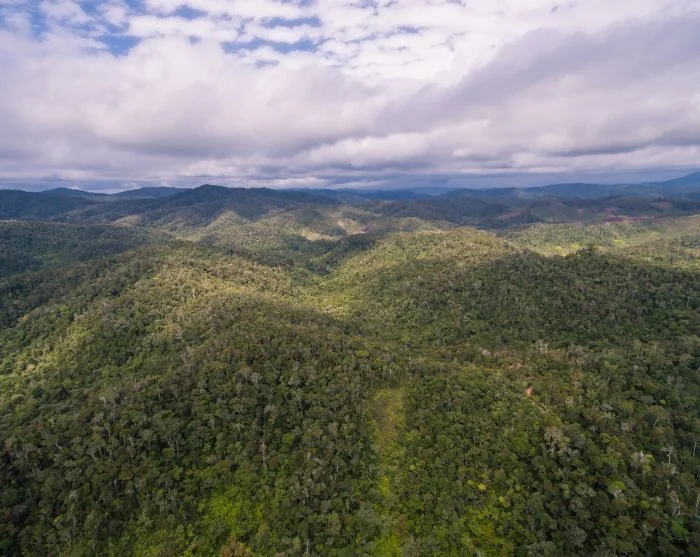
The seeds of the national park were sown in 1970 by the French. They created the Analamazoatra Special Reserve to preserve the forest and the area’s unique biodiversity. In 1989, Mantadia National Park was established next to the reserve, and together the two areas are now called Andasibe-Mantadia National Park.
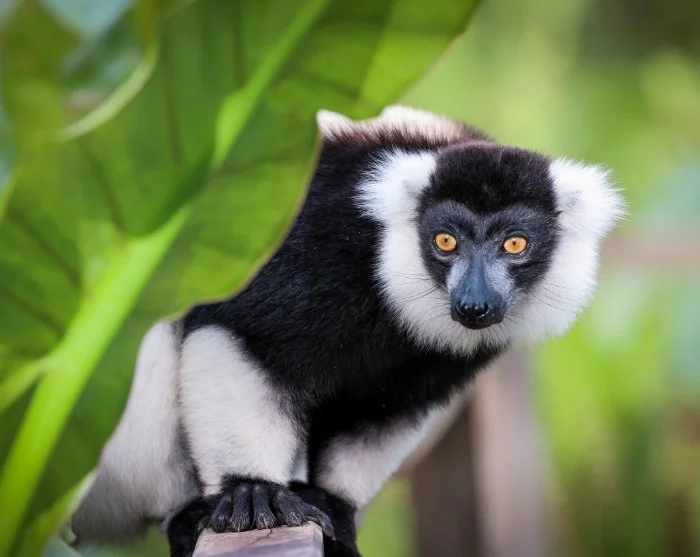
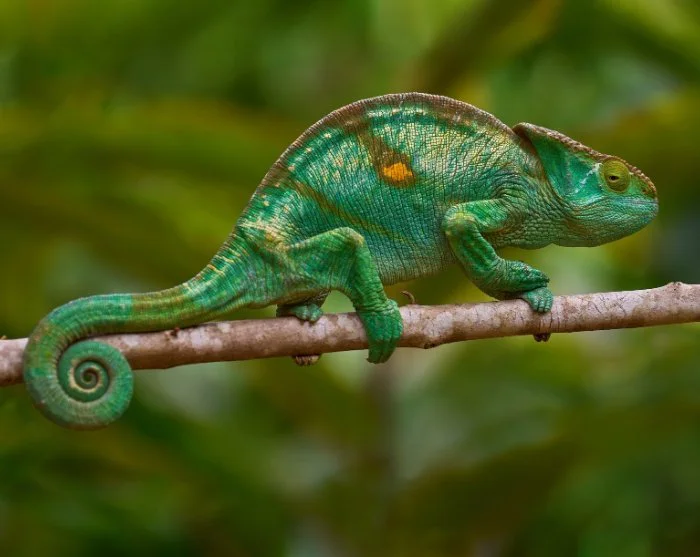
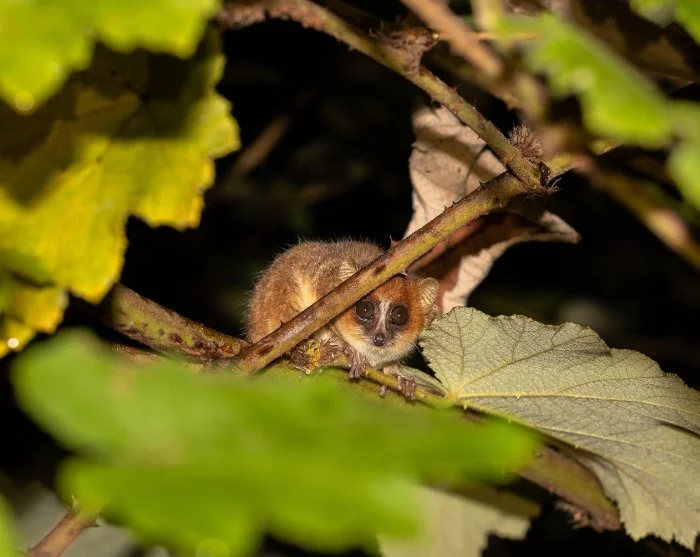
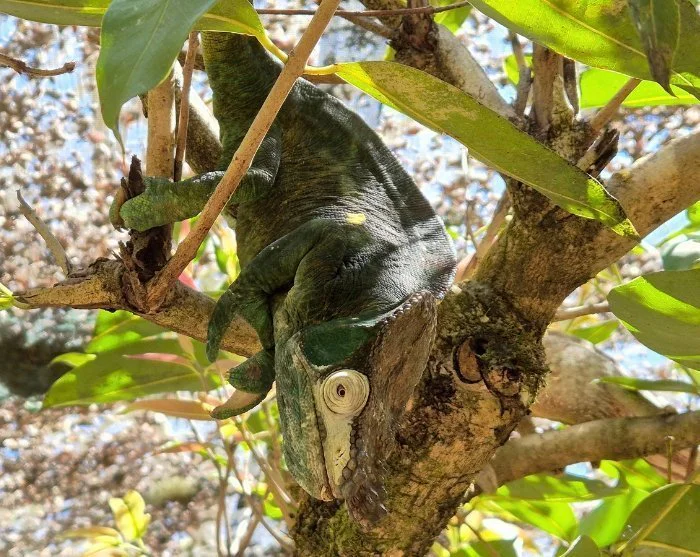
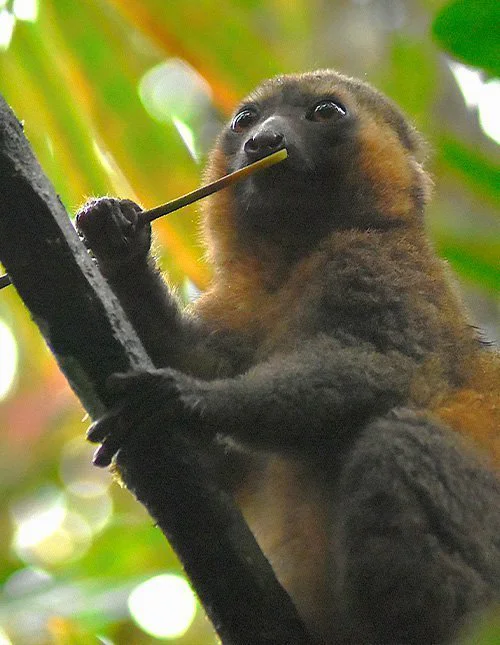
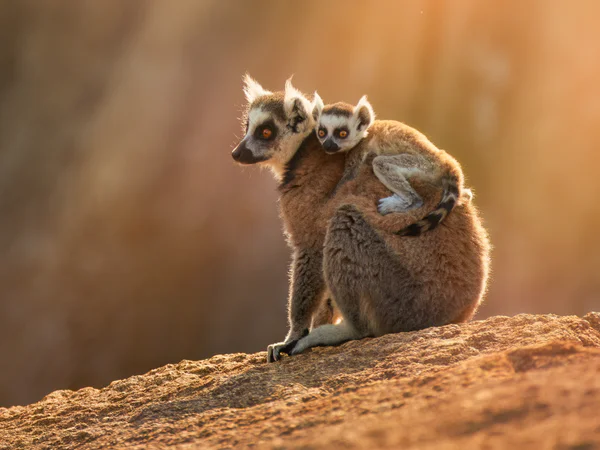
Already after sunset, the first guided walk awaits you, where you will look for the nocturnal lemurs. Mouse lemurs in particular are the focus of this walk. These are tiny creatures – the size of a small mouse – and they jump quickly and elegantly between the branches of the trees as if they were squirrels. It is no wonder that one of the species, the Goodman’s mouse lemur, was only discovered in 2005! Keep an eye out too for stick insects, frogs, and chameleons.