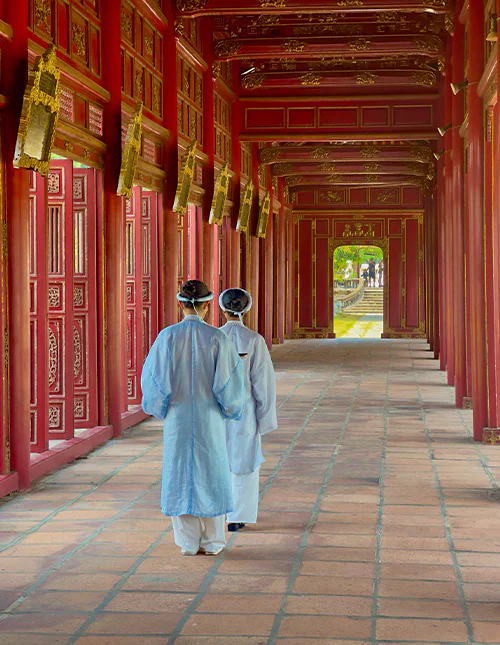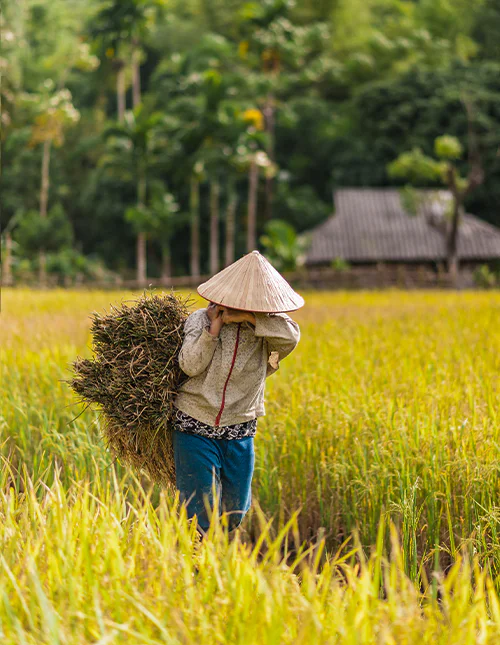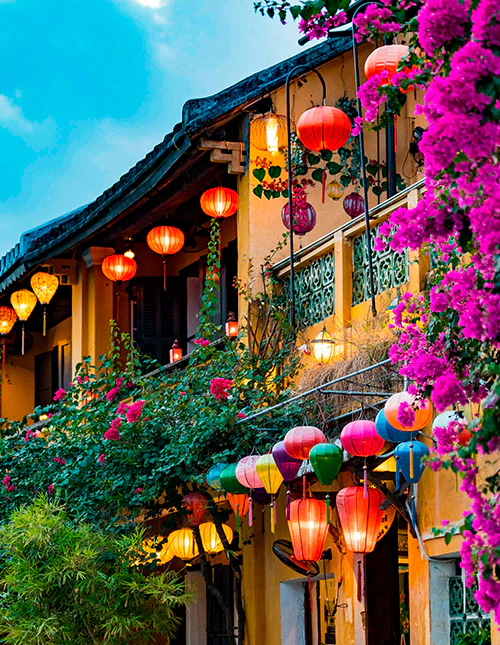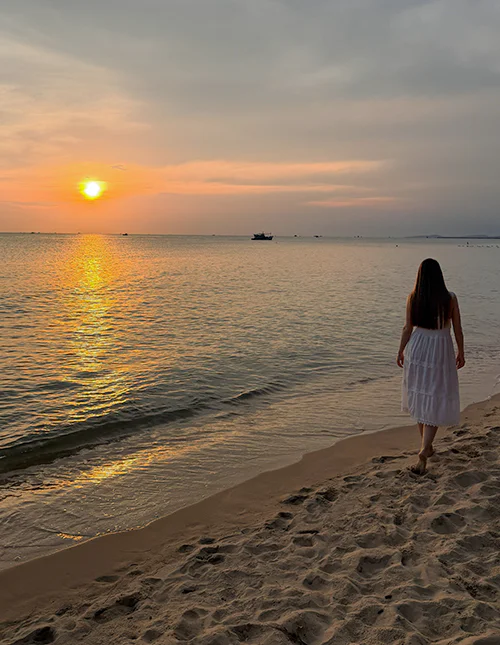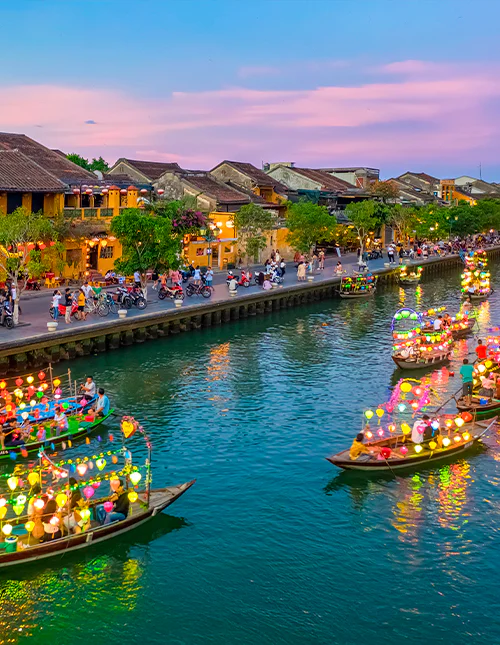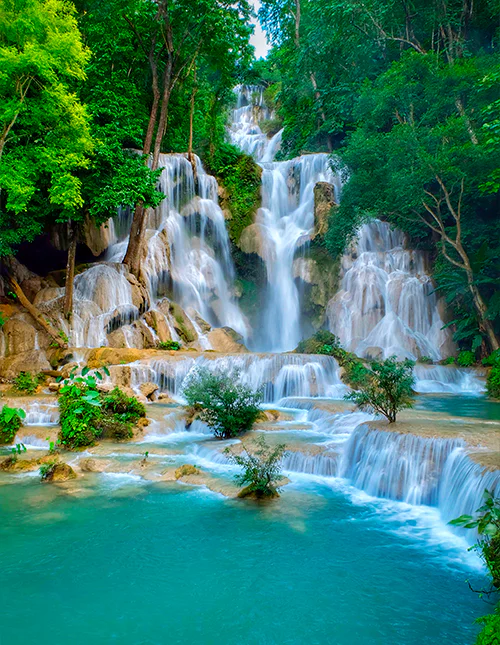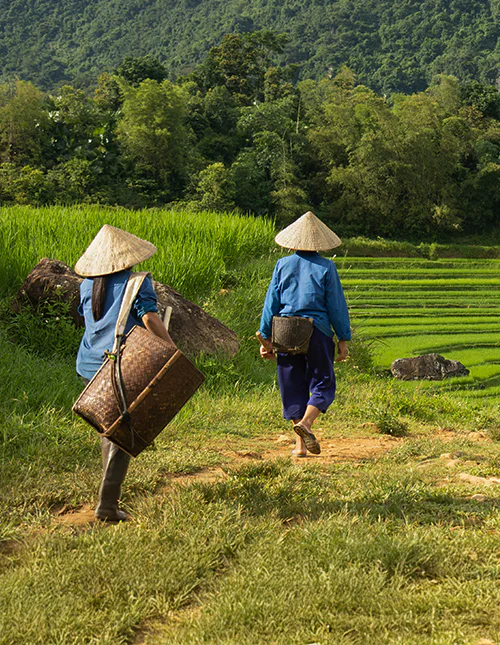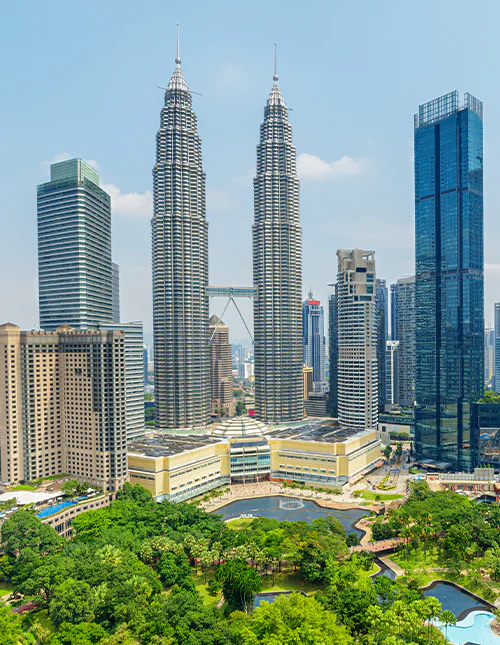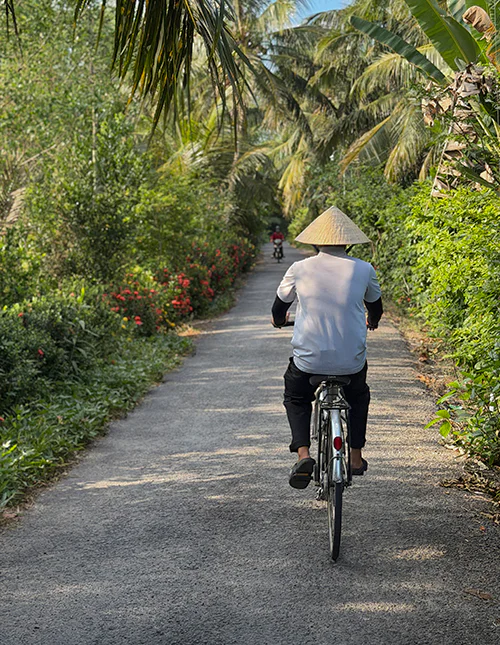

Vibrant cities, architectural treasures, breathtaking landscapes, and exotic beaches.
Vietnam is a wonderful travel destination that enchants visitors with unforgettable experiences all year round – but when is the best time to travel to Vietnam?
Read on to find out when to plan your tour.
This guide is indicative, as Vietnam’s weather can vary from year to year. The recommendations are based on historical climate patterns, but even during the driest months, you may still encounter some rain.
The best time to travel to Vietnam
The best time to travel to Vietnam, when looking at the country as a whole, is between January and April, as these months generally mark the dry season across most of the country.
Vietnam is a year-round destination, and the best time to visit depends largely on which parts of the country you dream of exploring. Due to its considerable length, the country experiences significant climate variations between northern, central, and southern Vietnam.
|
Region |
Dry season |
Rainy season |
Best time to travel |
|
Northern Vietnam |
November – April |
May – October |
March – May & September – November |
|
Central Vietnam |
January – August |
September – December |
February – August |
|
Southern Vietnam |
December – April |
May – November |
December – April |
The climate in Vietnam
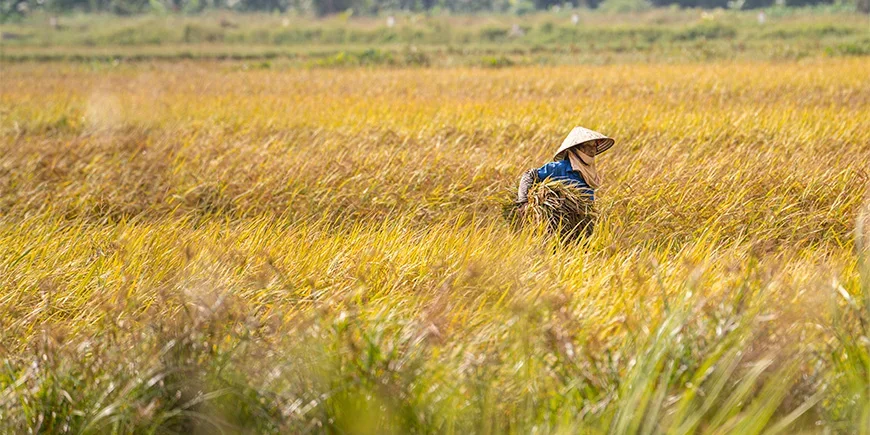
Vietnam is an exceptionally long country, stretching no less than 1,650 km from north to south. This means that Vietnam spans two distinct climate zones. As a result, the weather varies greatly throughout the year depending on whether you are in northern, central, or southern Vietnam.
You can find average temperatures and rainfall levels for individual cities in our weather statistics on our practical information page.
Vietnam’s two monsoon seasons
The weather in Vietnam is influenced by two main monsoons: the south-westerly monsoon and the north-easterly monsoon.
- The south-westerly monsoon lasts from May to September. During this time, winds blow in from the sea, bringing large amounts of warm and wet weather with them.
- The north-easterly monsoon lasts from October to early April. In this period, winds sweep down across Vietnam from the Asian mainland, bringing cooler and drier conditions.
The Vietnamese weather is largely influenced by these monsoons, though local climate conditions also play a role in shaping the weather across different regions of the country.
Typhoon season in Vietnam
The typhoon season in Vietnam typically runs from June to November, affecting various parts of the country at different times.
- Northern Vietnam is most at risk from June to August.
- Central Vietnam is most at risk from September to November.
- Southern Vietnam is rarely hit directly by typhoons.
Weather in Northern Vietnam
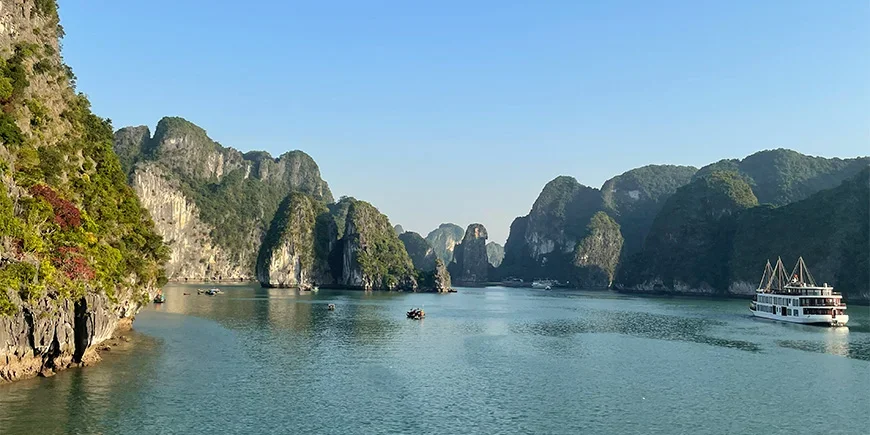
(Hanoi, Ha Long, Lan Ha & Bai Tu Long Bays, Sapa, Mai Chau, Pu Luong & Ninh Binh)
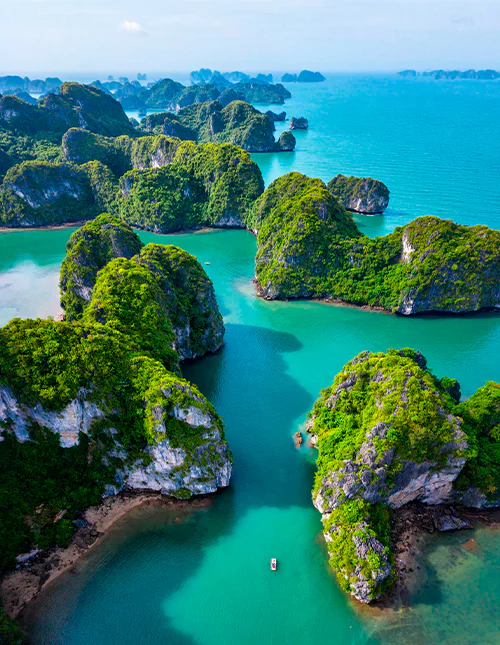
Northern Vietnam is perhaps the region of the country with the greatest geographical contrasts. The landscape shifts dramatically from the mountainous terrain around Sapa in the northwest to the flat lowlands surrounding Hanoi and the beautiful coastlines of the bays in the northeast.
- Dry season (November – April): The weather is dry and cool. Winter (December – February) can be surprisingly cold, especially in the mountains around Sapa, where temperatures sometimes drop to freezing (in Pu Luong, though, it rarely falls below 5–10 degrees). Between December and February, the mountain areas are often quite foggy, which can obscure the beautiful views.
- Rainy season (May – October): The weather is warm and humid with frequent rainfall, making the landscape wonderfully lush and green. The bays in particular can experience heavy rains between July and September, which occasionally results in sailing trips being cancelled.
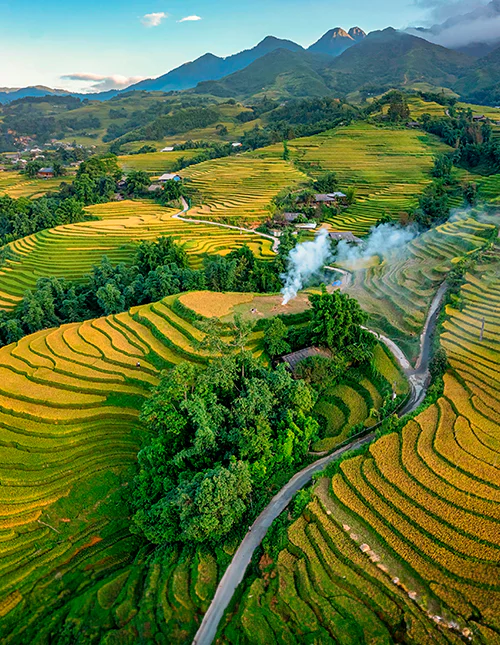
The best time to visit Northern Vietnam: Spring (March–May) or autumn (September–November). During these months, temperatures are mild and pleasant, ideal for hiking and sightseeing across most of the region. Autumn is especially recommended in the mountains when the rice terraces turn a brilliant golden hue around September and October.
Weather in central Vietnam
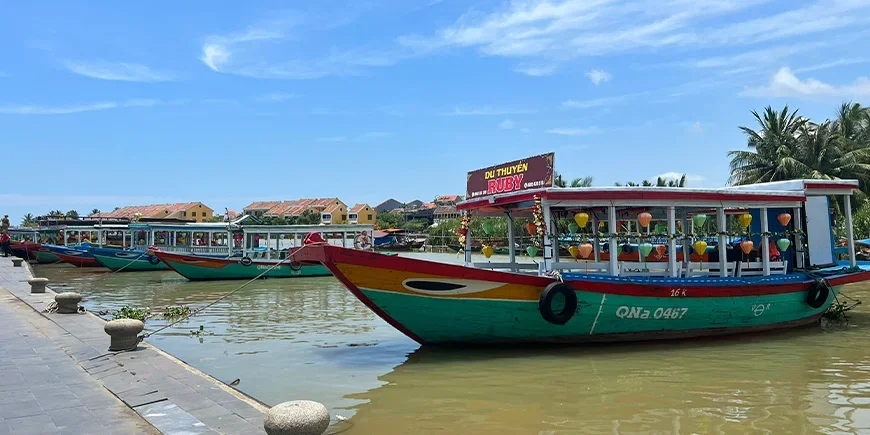
(Hoi An, Hué, Da Lat & Lak Lake)
Central Vietnam stretches along a large part of the country’s long coastline and is known for its beautiful beaches and atmospheric coastal towns such as Hué and Hoi An, as well as the central highlands, home to Da Lat and Lak Lake.
The climate in the central highlands differs slightly from that of the coastal towns. Its elevated position brings cooler temperatures and more mist – especially in the mornings – and the rainy season is more pronounced than along the coast. Apart from these differences, the highlands follow the same seasonal pattern as the rest of central Vietnam.
- Dry season (January – August): Expect plenty of sunshine, clear blue skies, and very little rainfall. Temperatures generally range between 25 and 35 degrees. From May to August, it can get extremely hot along the coast, with temperatures reaching up to 40 degrees – though cooler in the highlands.
- Rainy season (September – December): The weather brings increasing rainfall, with the heaviest downpours between September and November in Central Vietnam. In particular, the months from September to November can experience the risk of typhoons and flooding in the coastal towns.
The best time to visit Central Vietnam: The months from February to August, when you can expect minimal rainfall and warm weather. If you would prefer to avoid the highest temperatures of the dry season, travel between January and April, when the days are still pleasantly warm.
Weather in Southern Vietnam

(Ho Chi Minh City, Mekong Delta, Mui Ne & Phu Quoc)
Southern Vietnam enjoys a tropical climate with warm weather all year round. Here, the weather tends to be more predictable than in other parts of the country.
- Dry season (December – April): Expect plenty of sunny days. Humidity is at its lowest at the beginning of this period, gradually increasing as the rainy season approaches in May. For most travellers, these months offer the most comfortable weather.
- Rainy season (May – November): Rain is more frequent, but it usually comes as short, heavy downpours in the afternoons, often clearing up afterwards. The heaviest rainfall occurs between July and September.
The best time to visit southern Vietnam: The months from December to April are especially popular, as temperatures are pleasantly mild during this period.
Travel to Vietnam outside the most popular periods

If you don’t mind a bit of changing weather and the occasional shower, there can be great advantages to visiting Vietnam outside the peak months:
- Fewer visitors: by travelling during the periods traditionally known as the “rainy season”, you’ll encounter far fewer travellers and visitors at the major attractions such as Ha Long Bay or the old town of Hoi An.
- Better prices: As demand is lower outside the peak travel times, you can often find better prices on our itineraries during these months.
- A more sustainable way to travel: By spreading tourism throughout the year, you help to ease the pressure on the most popular destinations and their local resources. This ensures a steadier income for local businesses all year round and helps counter the negative effects of “overtourism”.
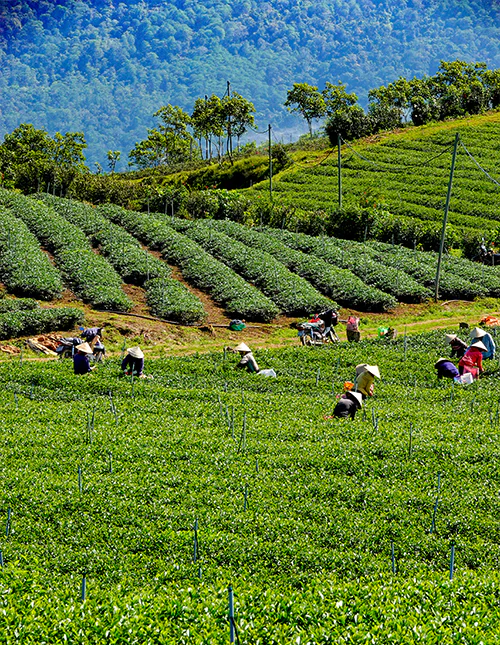
- Lush nature: The rain breathes life into the landscape, and you’ll experience a Vietnam that’s even greener and more vibrant than during the dry season.
Still unsure when to travel?
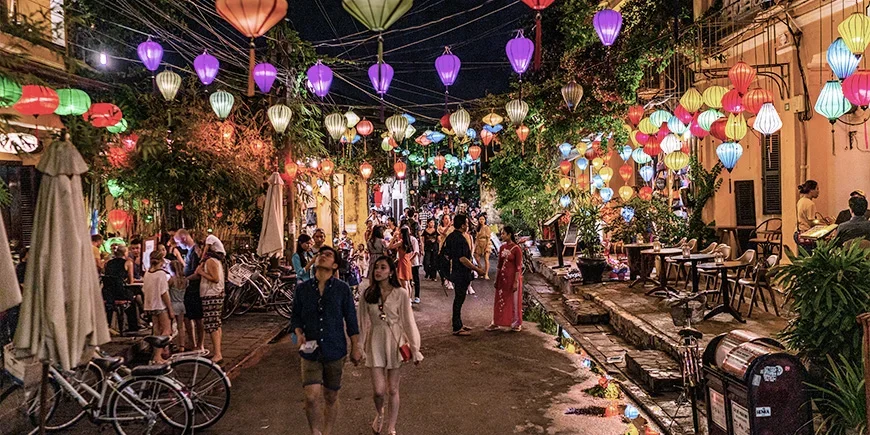
It can be tricky to decide on the perfect time for a tour of Vietnam, as the climate varies greatly from north to south.
No matter when you travel to Vietnam, you can look forward to an adventure full of incredible experiences and unforgettable memories.
If you need help finding the best time of year for your tour to Vietnam, please don’t hesitate to get in touch with our experienced travel specialists, who are ready to assist you.
TourCompass – From tourist to traveller