Join our travel specialist, Bianca, on a tour to Canada, where she experienced the country’s breathtaking natural landscapes and incredible wildlife.

In June, I travelled with two colleagues on our “The Best of the Canadian Rockies” tour, which took us from Calgary to Vancouver. We also took the opportunity to spend a couple of days on Vancouver Island.
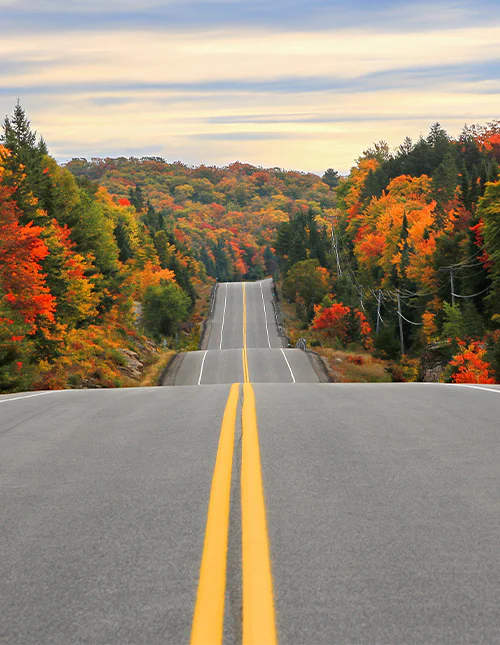
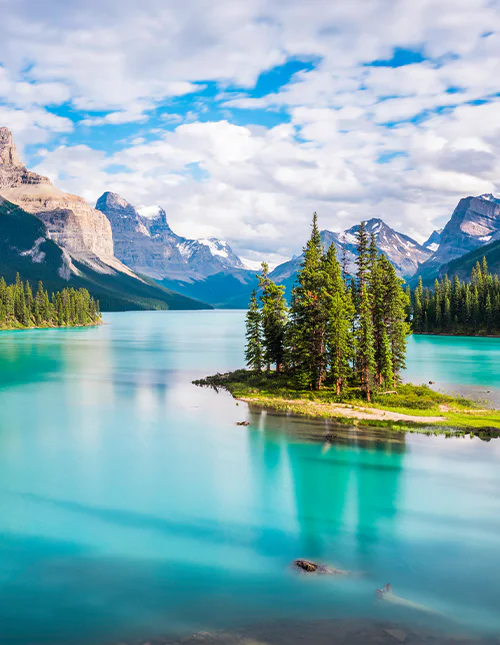
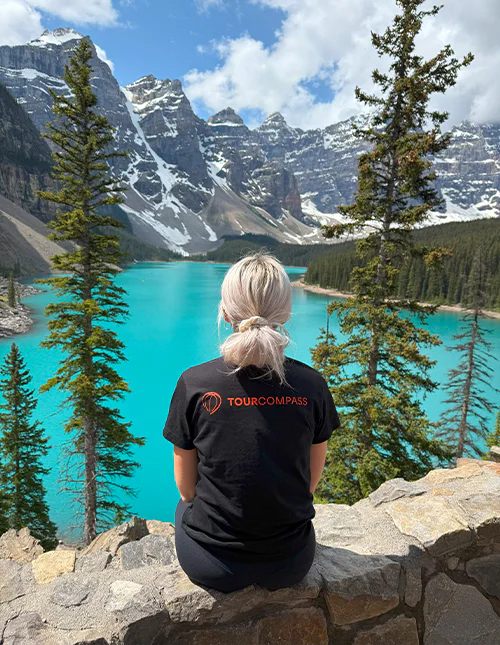
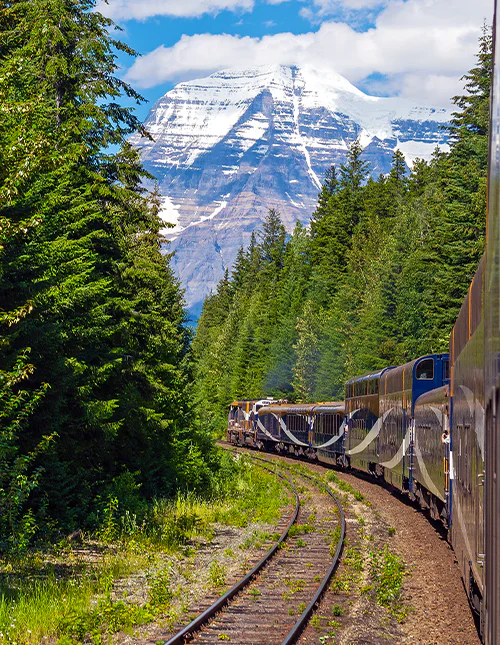
As expected, it was simply incredible! The breathtaking natural landscape captivates you as soon as you get into your hire car and drive out of Calgary. Suddenly, the majestic Rocky Mountains rise up on both sides of the Trans-Canada Highway (Highway 1). The road takes you through endless forests, while the surface of the deep-blue lakes shimmers turquoise in the sunlight. In the distance, snow-capped glaciers tower above the landscape, radiating a truly special sense of calm.
No rushing. No stress. Kilometre by kilometre. That’s what western Canada is all about.
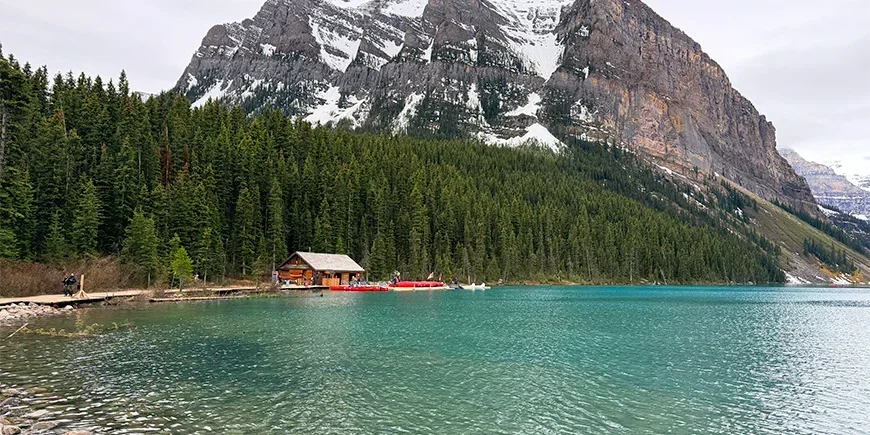
Canada also has some impressive wildlife to offer.
Western Canada – particularly the provinces of British Columbia and Alberta – is home to some of the most fascinating and diverse wildlife in North America. The region stretches from the dense rainforests of the Pacific coast to the soaring peaks of the Rocky Mountains.
And I’d like to introduce you briefly to some of its residents:
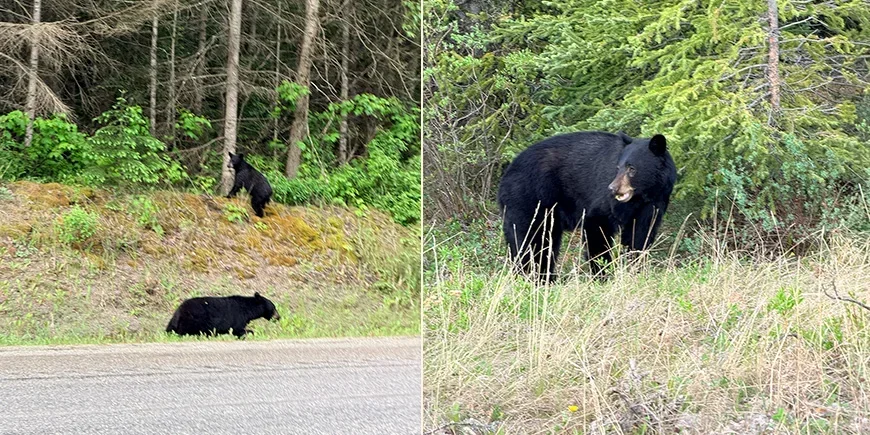
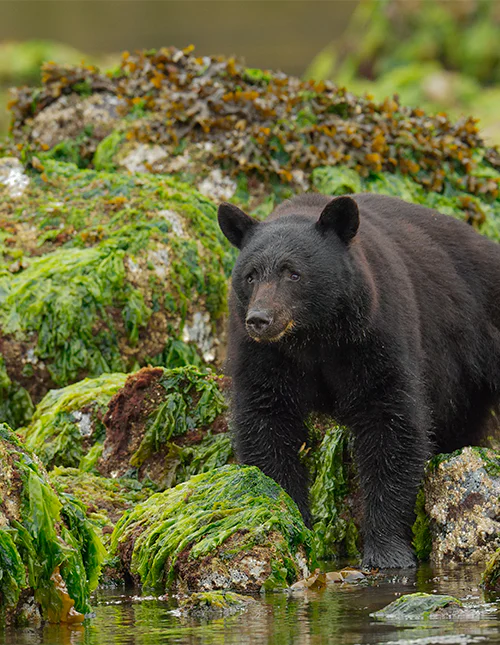
Black bear
They are far more common than grizzly bears and can be found in almost every national park in western Canada.
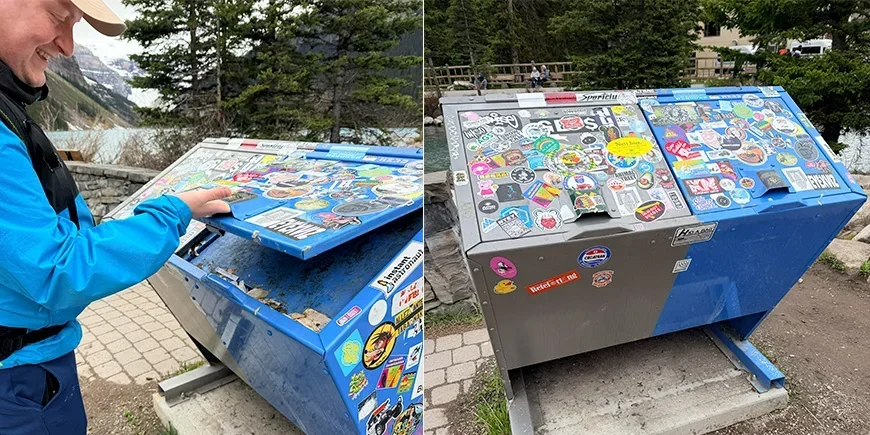
Black bears spend most of the day eating berries and grass, and there are plenty of opportunities to spot them around the Rocky Mountains. Over the years, many bears have found food in people’s rubbish and have consequently become less inclined to forage for themselves. That’s why rubbish bins in all national parks and towns have been fitted with special locks that only a human hand can open.
Moose
These enormous, hoofed animals, with their distinctive shovel-shaped antlers, tend to stay around marshy lakeshores and rivers. We were lucky enough to catch two breathtaking glimpses of them from the roadside, keeping a safe distance. But be careful: an agitated moose can use its shovel-shaped antlers to overturn a large, heavy hire car.
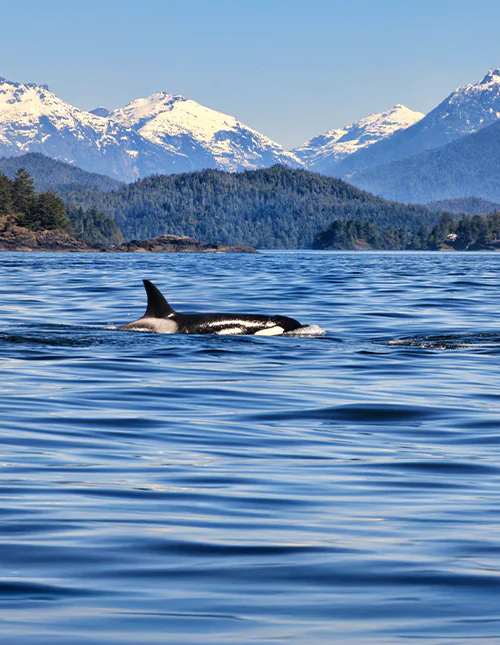
The moose’s surprising and supposedly greatest enemy lurks in the water: orcas. Our guide on the evening safari told us one of the most bizarre facts from the animal kingdom: moose are excellent swimmers, and in summer, they dive for aquatic plants or swim between the islands along Canada’s coast. In the deep fjords of British Columbia, orcas have been observed attacking and hunting swimming moose.
Elk
The moose should not be confused with the wapiti, which is known as elk in English. This large species of deer can be seen particularly in Jasper and Banff National Parks – and often right in the middle of the towns.
Among the mountain and forest dwellers of the Rocky Mountains, you may find:
Bighorn sheep: Recognisable by their large, curved horns, they are often seen in herds on rocky slopes or alongside the road.
Mountain goats: Easily recognised by their pure white coats and their impressive ability to scramble confidently up steep cliffs at dizzying heights.
Pikas: Small, agile mountain dwellers whose distinctive whistles you can often hear when hiking above the tree line.
Chipmunks and squirrels: Chipmunks are considerably smaller and have distinctive stripes on their backs, just like the cheeky Disney childhood favourites Chip and Dale.
Wolves and coyotes: Grey wolves live very solitary lives deep in the forest and are therefore rarely seen, while coyotes can occasionally be spotted alongside the roads.
Cougars: These large cats live alone and are extremely well camouflaged, which is why it is very rare to encounter one in the wild.
Bald eagle: This majestic bird of prey, with its distinctive white head, can often be seen soaring along the rivers and coastlines of western Canada.
The Canadian beaver: Many years ago, following the colonisation of Canada, the Canadian beaver was nearly driven to extinction because of the fur trade. The species was later protected and reintroduced, and today its population is considered to have recovered. The beaver is Canada’s national animal and plays an important role in preserving the country’s natural environment.
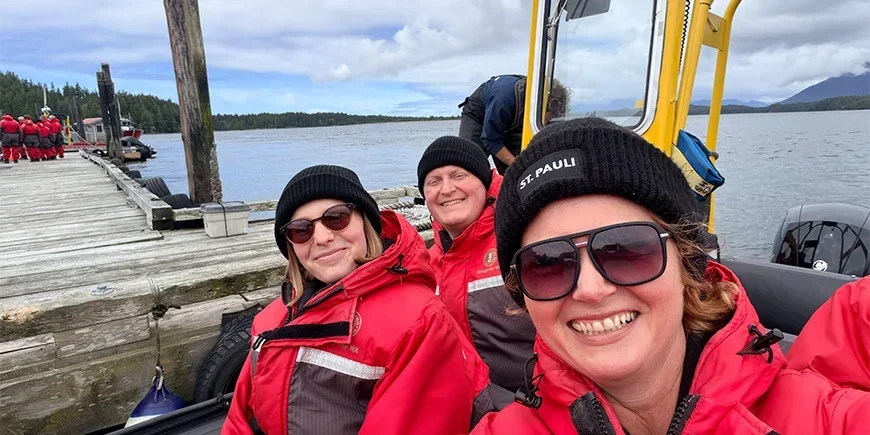
Whale-watching is one of the most popular excursions on the west coast, around Vancouver and Vancouver Island.
On both of our excursions, departing from Tofino and Victoria respectively, we were lucky enough to spot grey whales. These enormous marine mammals are neither lured nor chased on these tours. The small boats keep a respectful distance from the animals – we are simply observers, allowed a brief glimpse of these fascinating creatures in their natural surroundings. A captivating and almost indescribable experience.
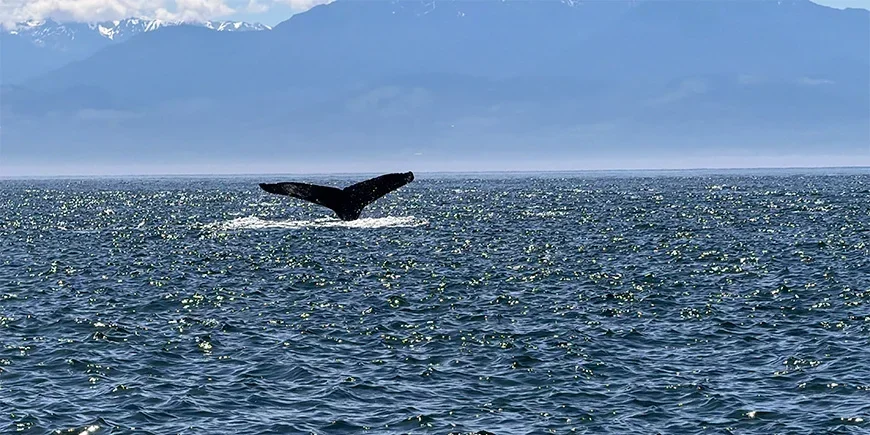
From April/May to September/early October, you may spot the following marine mammals, among others, in the waters along the Pacific coast:
- Orcas: The West Coast’s most famous residents.
- Humpback whales: Known for their spectacular breaches. They are very common in the fjords and waters off Vancouver from May to October.
- Grey whales: In spring, particularly in March and April, grey whales migrate northwards in huge groups from Mexico to Alaska. On their long journey, they pass close to the west coast of Vancouver Island, for example near Tofino.
As well as whales, these waters are also home to other creatures of the sea:
- Sea otters and sea lions: Playful sea otters often drift among the kelp just off the coast, while mighty sea lions bask on the rocks in the Pacific.
And my new absolute favourite animals: otters
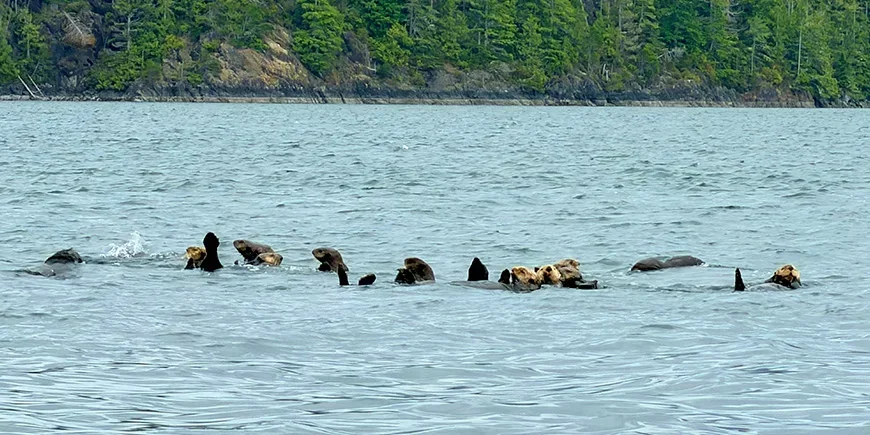
At first, we only saw a few otters in a bay, but suddenly there were hundreds of them, most of them floating on their backs in the water. There was plenty of loud ‘chattering’, tumbling about, playing, and cuddling. Every now and then, the little creatures gave us curious looks before going back to teasing each other in the water. Otters often hold hands while they sleep, so the current doesn’t carry them away from one another.
They also love eating shellfish, but as they can’t open them themselves, they use small stones as tools. They can tuck the stones into a fold of skin beneath their forelegs, and from time to time, they even play with their favourite stones.
Our guide added a sweet little tale about how every otter is given its very own stone by its mother when it is born. Whether that is actually true, however, remains uncertain 😉
Finally, I’d like to mention that Canadians are incredibly friendly people. Throughout our tour, we were met with incredible helpfulness and genuine interest.
In the words of the Stoney Nakota people:
“Ish nish”, meaning “thank you” – thank you for some truly incredible experiences!
I’d be very happy to come back!
Bianca,
TourCompass – From tourist to traveller
Do you also dream of experiencing Canada’s magical wildlife and beautiful nature?