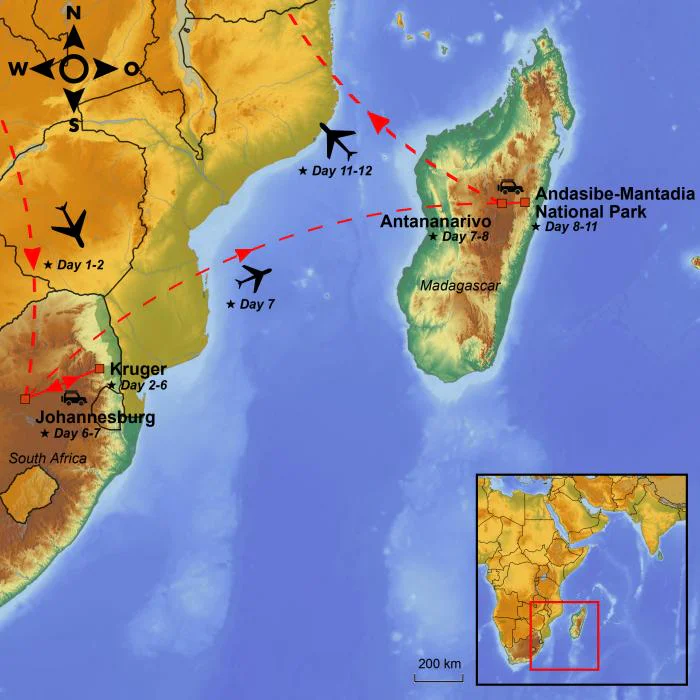
Antananarivo – Andasibe-Mantadia National Park
You will wake up on the world’s fourth-largest island, and it is a world quite unlike anything you have ever seen before.
The two primary languages are Malagasy and – as a former French colony – French.
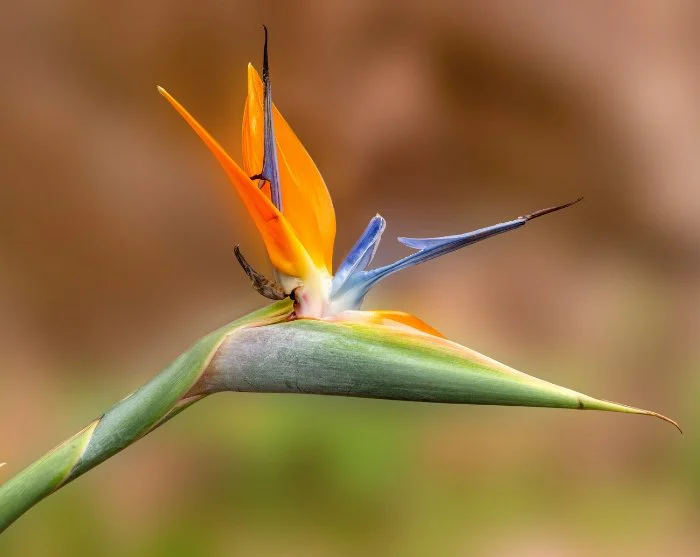
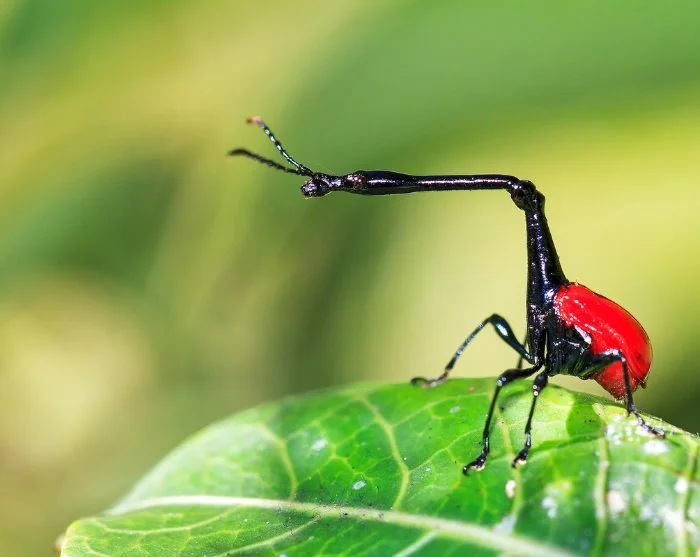
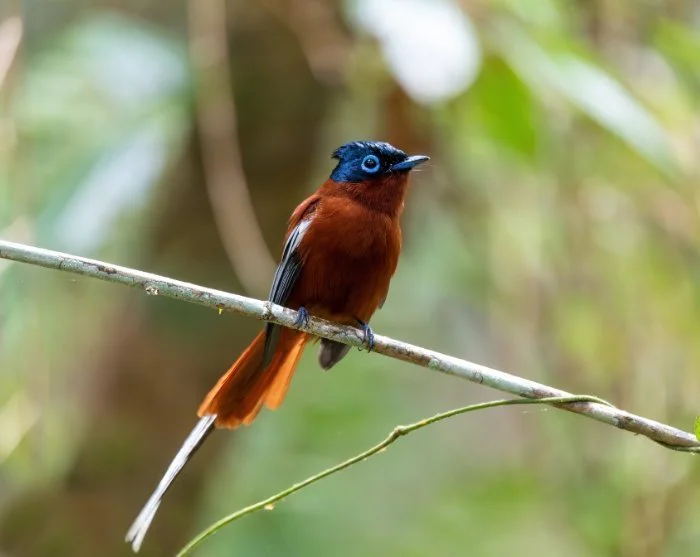
Madagascar officially belongs to the African continent and shares a tectonic plate with East Africa. However, the country has been separated from (the rest of) Africa for more than 160 million years and has therefore developed a completely unique flora and fauna. In fact, it is estimated that 90% of Madagascar’s animals and plants are unique to the island.
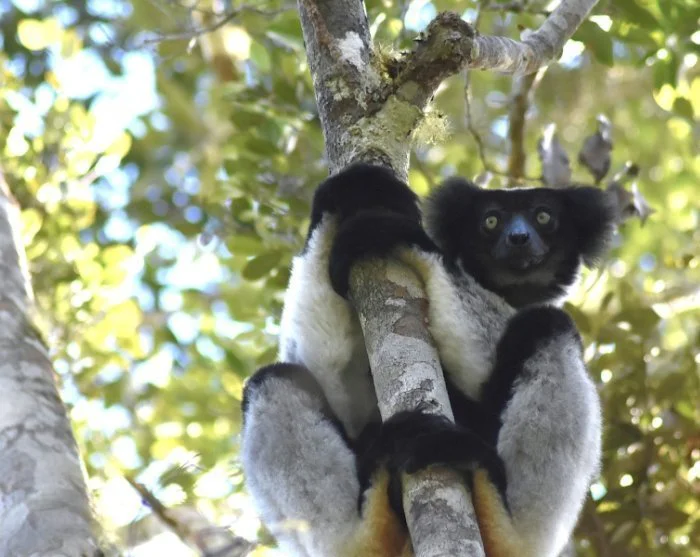
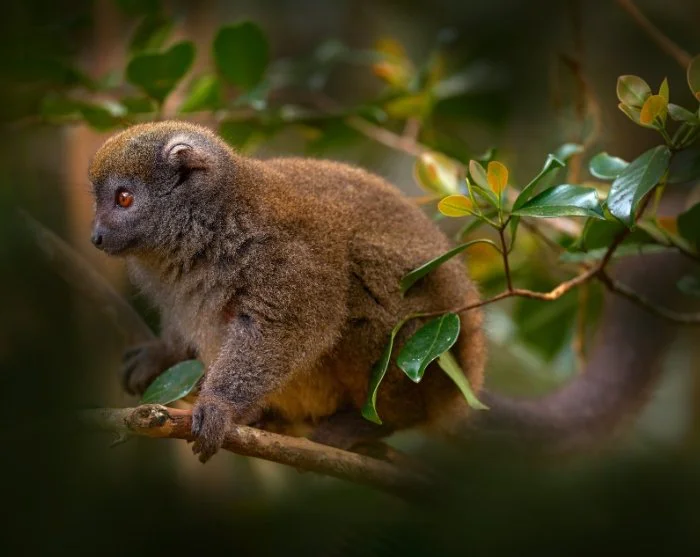
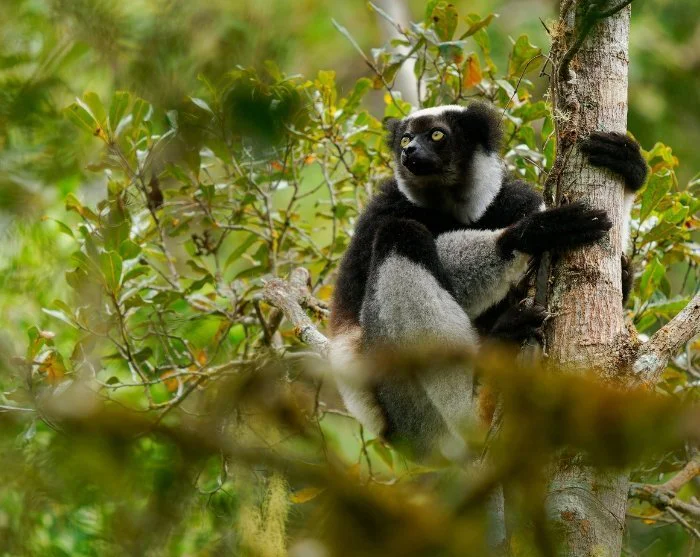
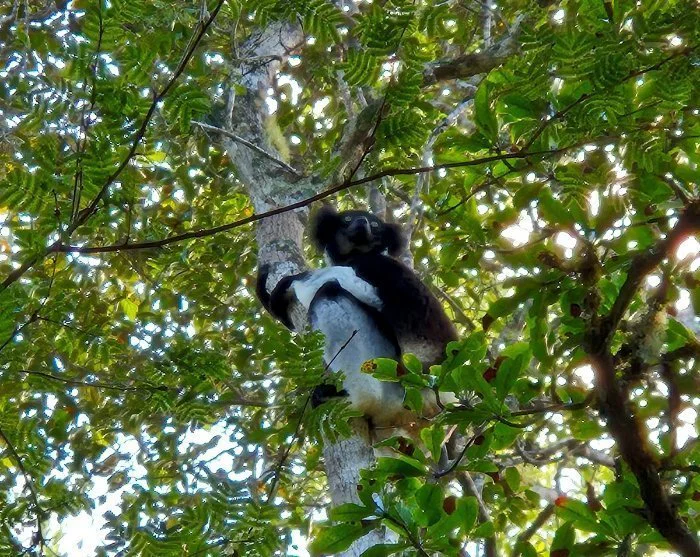
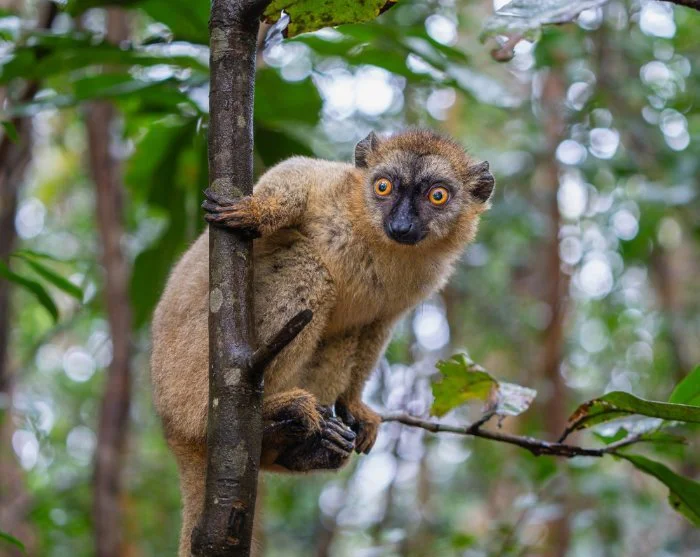
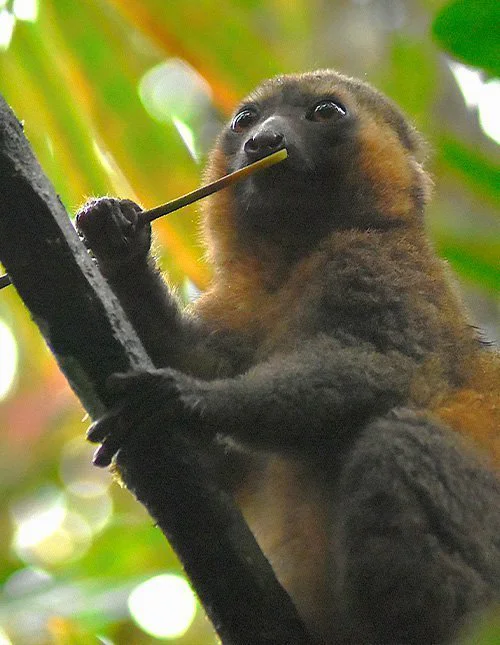
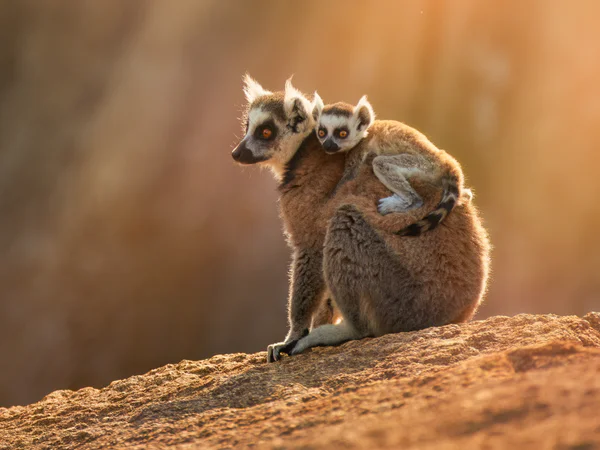
Many people probably associate Madagascar with the half-monkey species, the lemur. They are endemic to Madagascar, and there are more than 100 different lemur species here. Besides the unique lemurs, the country also has many other things to offer!
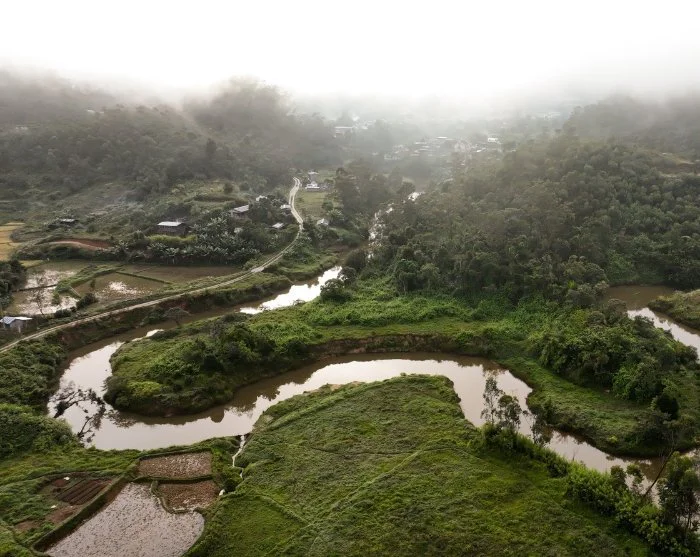
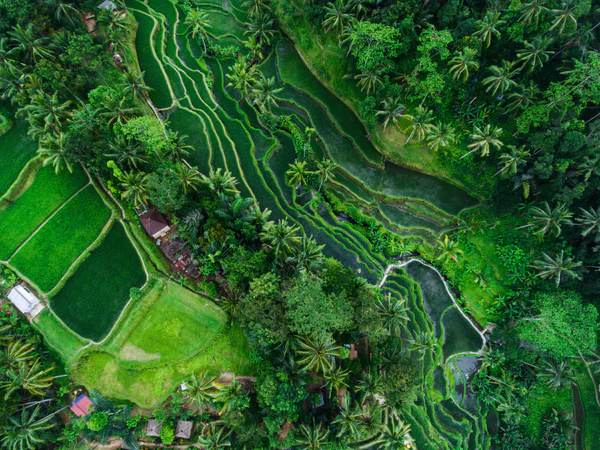
There are 18 official tribes, all of which have their own customs and traditions. The Merina tribe is the largest and most significant tribe in Madagascar. The tribe belongs to the indigenous population group that came from Southeast Asia. They settled in the central highlands of Madagascar, where they constructed neatly carved rice fields on every vacant spot and hillside. You can still see them everywhere in this region of Madagascar.
‘Tana’, as the capital is often called colloquially, was founded in the early 1600s by the local Merina king, King Andrianjaka. He ousted a rival ethnic group and slowly began to build his kingdom. In 1787, through cunning alliances and shrewd political moves, his successor, King Andrianampoinimerina, succeeded in uniting the entire country under him and becoming the first king of all of Madagascar.
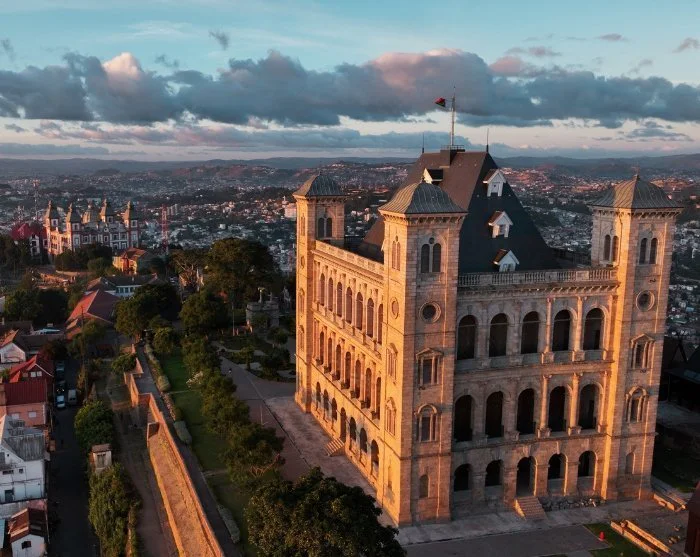
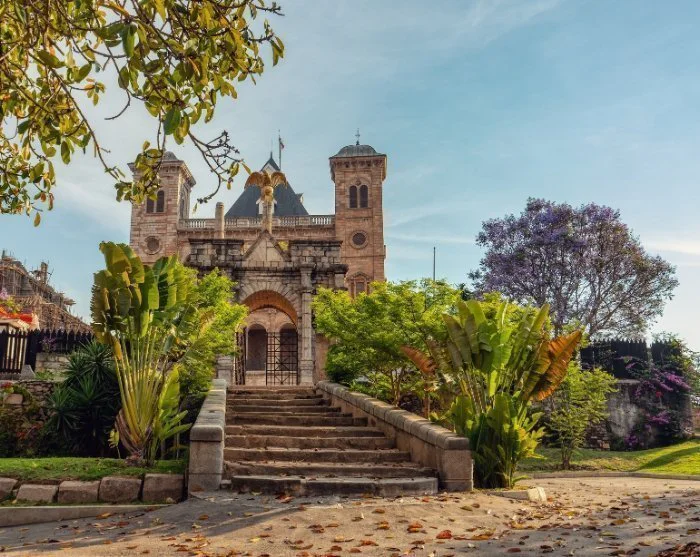
Today, you will go on a guided tour of the Queen’s Palace, which is Tana’s biggest attraction.
Already under King Andrianjaka, the first stones were laid for a palace on Antananarivo’s highest hill. But it was not until under the reign of Queen Ranavalona I that the most prominent building was added. She is also known, not very flatteringly, as ‘the Mad Queen’, and you can look forward to hearing more about her today! You will also meet the country’s last queen, Queen Ranavalona III, who was sent into exile when the French invaded and colonised Madagascar in the late 19th century.
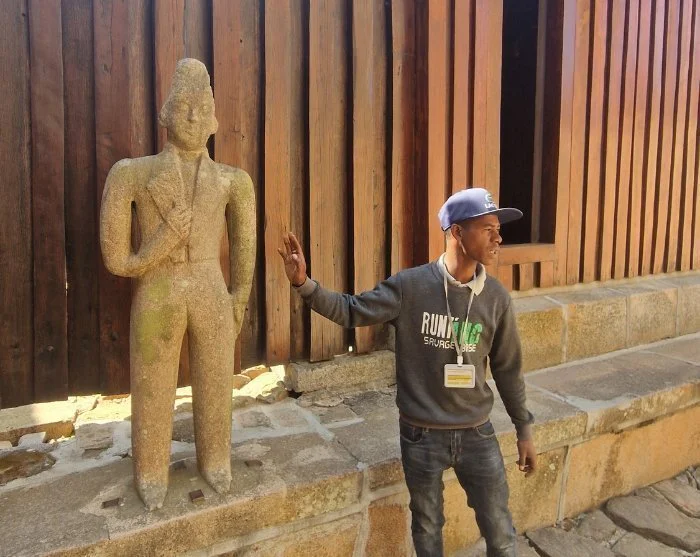
The guided tour of the palace is very interesting and provides good insight into Madagascar’s history.
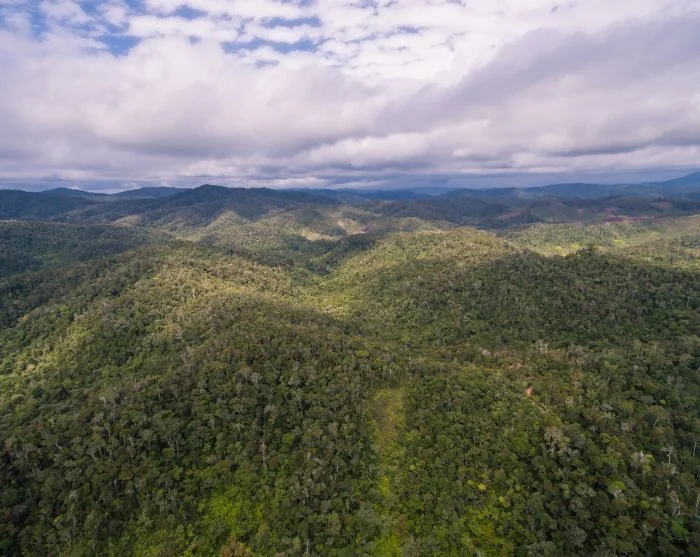
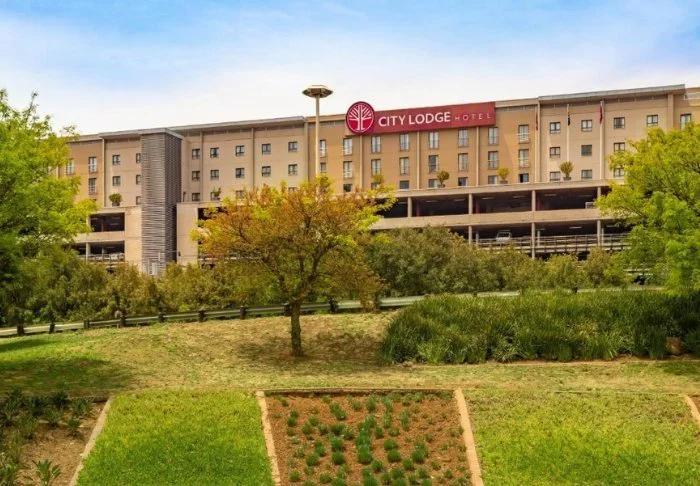
After lunch at the hotel, the tour heads out of the city towards one of Madagascar’s most famous national parks, Andasibe-Mantadia National Park. The national park is one of the best places in the country to spot lemurs – because you should obviously also see lemurs now that you have arrived in Madagascar!
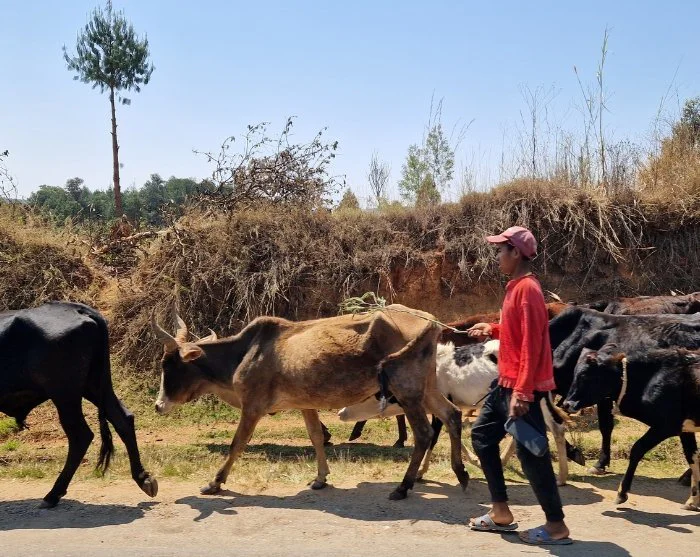
Enjoy the drive and notice how – even very close to the centre of Tana – you can see rice fields and Zebu cattle with the characteristic humps. As you approach the Alaotra-Mangor region, the hills become higher, the forests denser, and here and there you can glimpse a river at the bottom of the valleys.
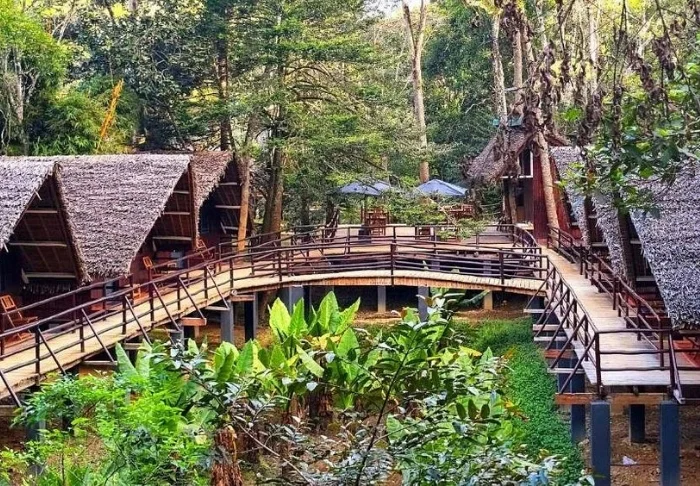
You will arrive at Andasibe-Mantadia National Park in the late afternoon, where you will check into your hotel for the next three nights.
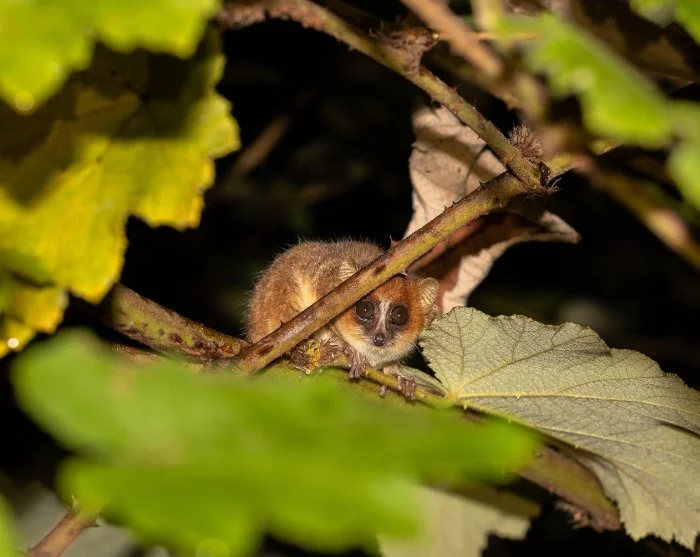
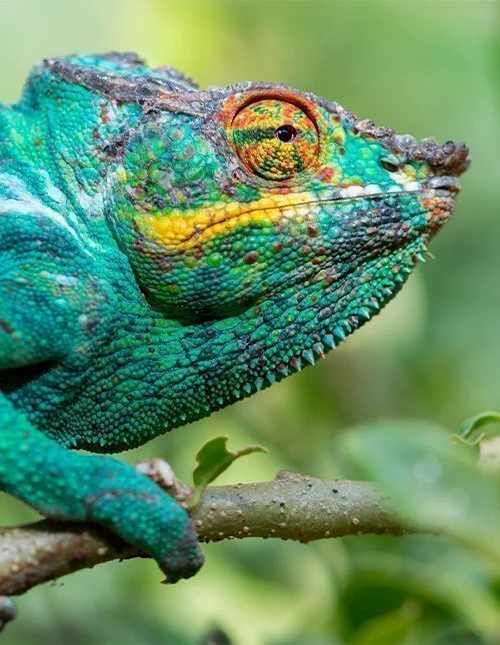
Already after sunset, the first guided walk awaits you, where you will look for the nocturnal lemurs. Mouse lemurs in particular are the focus of this walk. These are tiny creatures – the size of a small mouse – and they jump quickly and elegantly between the branches of the trees as if they were squirrels. It is no wonder that one of the species, the Goodman’s mouse lemur, was only discovered in 2005! Keep an eye out too for stick insects, frogs, and chameleons.