Vietnam is a land full of contrasts, a destination that never ceases to surprise and captivate.
Here you’ll find unique attractions stretching from north to south – but what should you make sure to see in Vietnam?
In this blog post, we’ve gathered 10 exciting attractions you simply can’t miss when exploring one of Southeast Asia’s most popular travel destinations.
1. Hanoi – Vietnam’s capital city
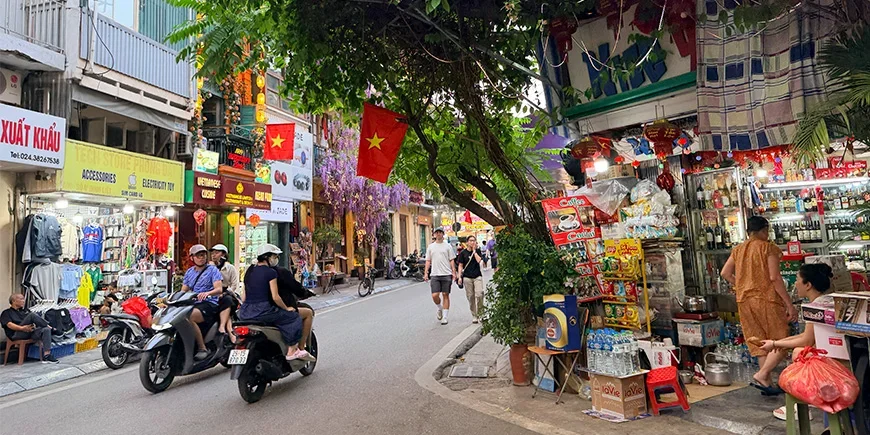
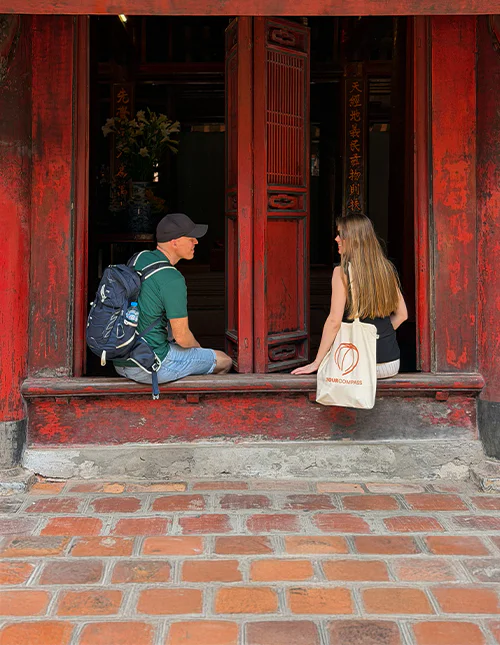
Hanoi is Vietnam’s charming capital, where historic temples and French colonial architecture blend with bustling markets and lively traffic, creating a fascinating contrast between tradition and modernity.
As the second-largest city in Vietnam, Hanoi boasts plenty of sights worth visiting. For example, you can cross the iconic Huc Bridge to the Ngoc Son Temple, admire the beautiful Vietnamese architecture at the Temple of Literature, or hop on a traditional cycle rickshaw for a ride through Hanoi’s Old Quarter.
If you’d like to taste Vietnam’s incredible cuisine, Hanoi is also the perfect destination. Here, you can eat your way through fragrant street food stalls and local markets while sampling delicious Vietnamese specialities.
2. Vietnam’s bays
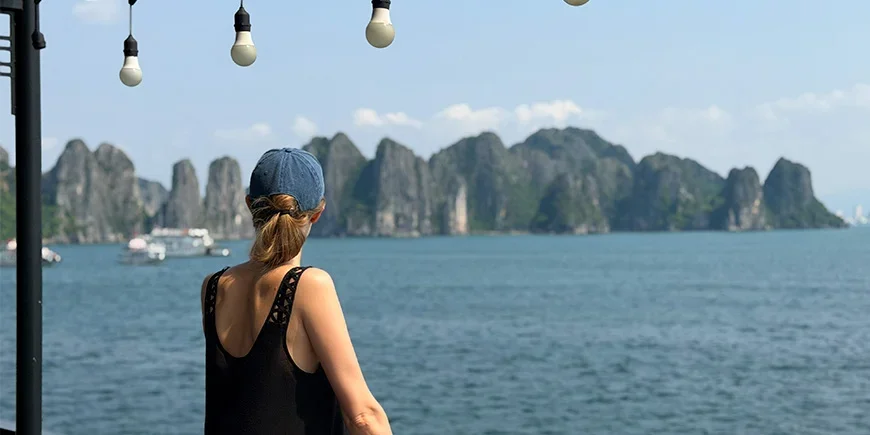
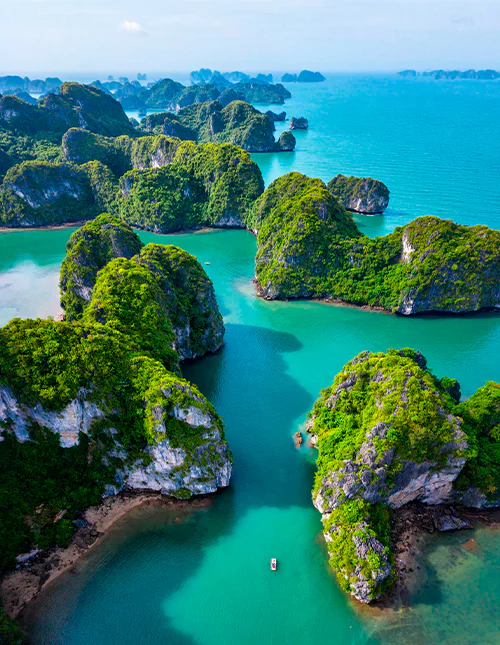
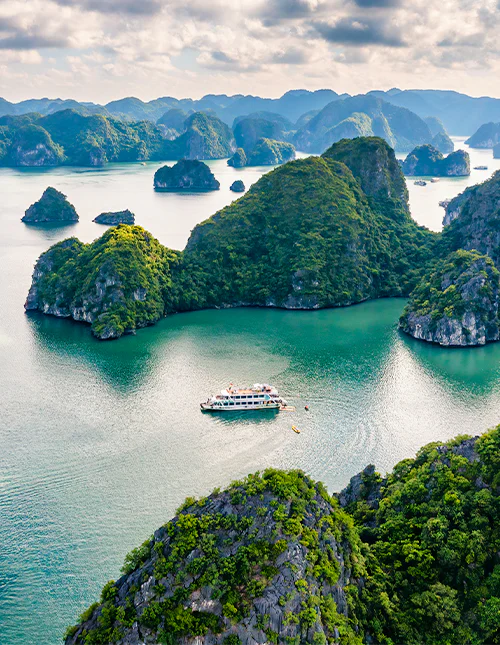
Among Vietnam’s greatest attractions are its scenic bays, the most famous of which is Ha Long Bay. Here, lush limestone cliffs are beautifully reflected in the emerald-green sea, offering views that look as if they’ve been lifted straight from a postcard.
Whichever of Vietnam’s bays you visit, you’ll be greeted by breathtaking landscapes that will truly leave you in awe. However, the atmosphere can vary greatly depending on whether you explore the best-known bays or venture towards the more hidden gems.
As one of Vietnam’s most famous natural attractions, Ha Long Bay draws many visitors, making it a busier and livelier spot. If you’d prefer to experience nature’s beauty in more peaceful surroundings, head to Lan Ha Bay or Bai Tu Long Bay, which see fewer visitors and offer a more tranquil setting.
In addition to breathtaking views, Vietnam’s bays offer a wealth of other experiences – from swimming along beautiful sandy beaches and kayaking through mysterious cave passages to visiting local villages that provide a fascinating insight into everyday life here.
3. Ninh Binh
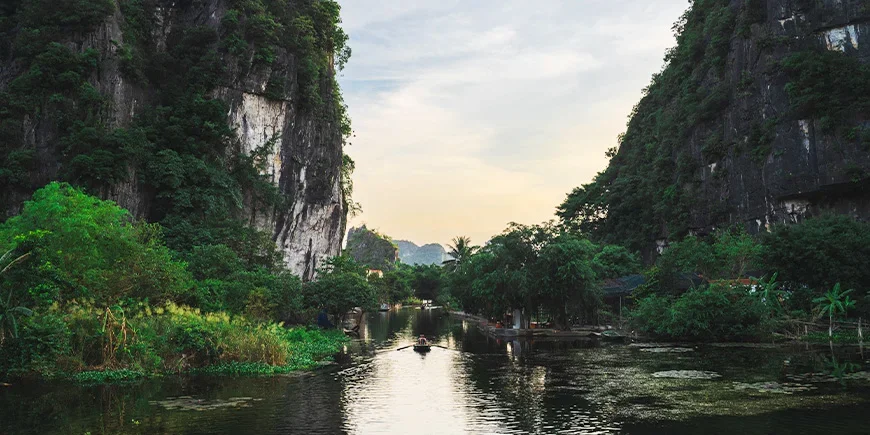
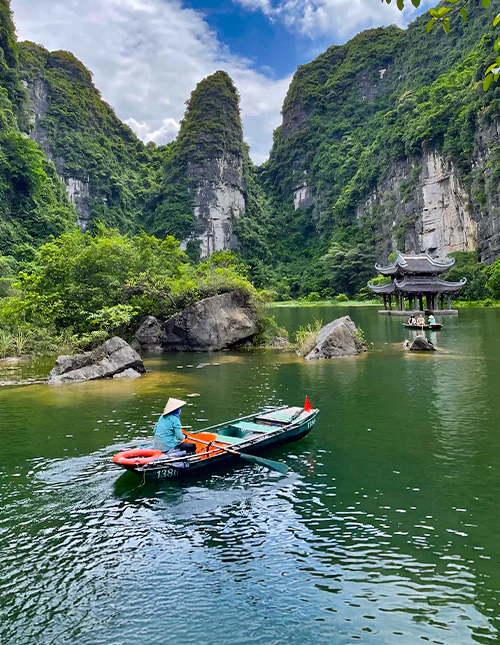
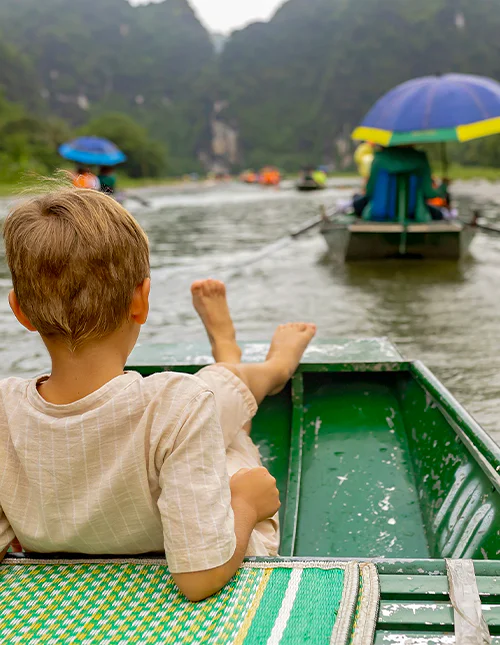
Often referred to as “Ha Long Bay on land”, Ninh Binh is a UNESCO-protected natural area in northern Vietnam, where lush rice fields and winding rivers are beautifully framed by steep, forest-covered limestone cliffs.
Ninh Binh is a wonderful destination – especially if you want to experience Vietnam with kids. Here, you’ll find a peaceful alternative to the busy impressions of the big cities.
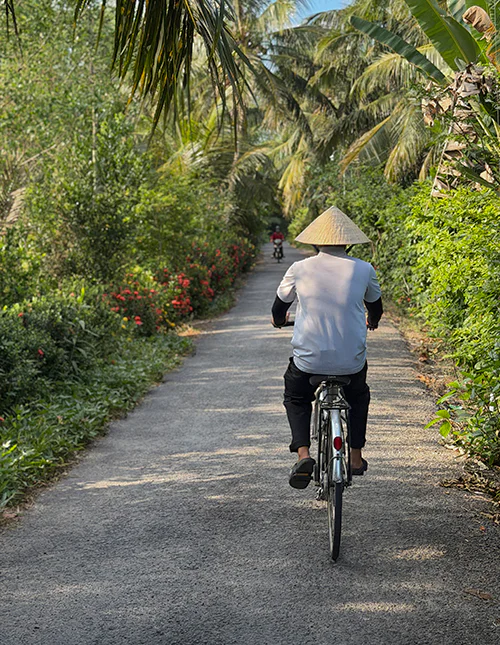
You can explore Ninh Binh on a traditional sampan boat, gliding gently through the stunning landscape and getting close to the picturesque Trang An caves. Alternatively, discover Ninh Binh by bicycle, following scenic paths through the countryside and past the tranquil Van Long Nature Reserve.
4. Hué
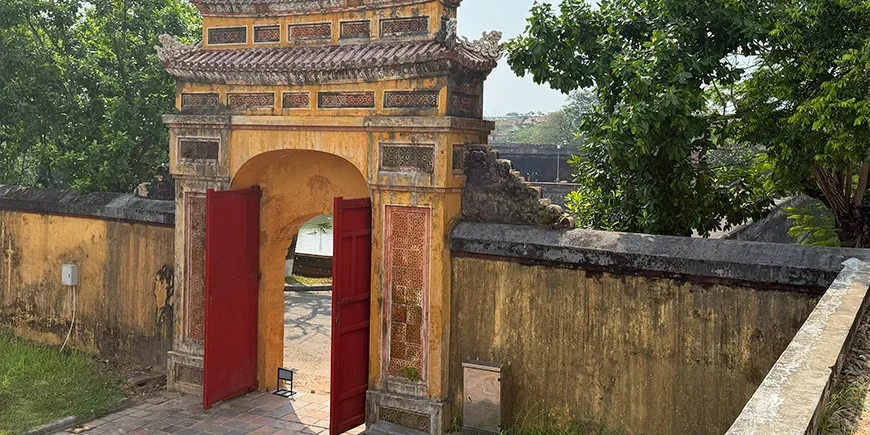
Vietnam’s former imperial capital, Hué, is a fascinating time capsule where historical traditions and architectural treasures intertwine, creating an almost fairy-tale-like atmosphere.
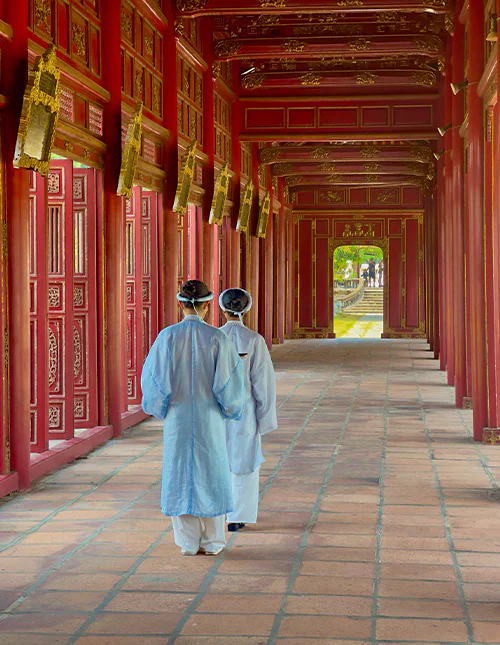
One of Hué’s absolute highlights is the ancient imperial city, which is listed as a UNESCO world heritage site. It captivates visitors with its magnificent palaces, temples, moats, and towering city walls. Despite the damage caused during the Indochina and Vietnam Wars, the imperial city remains remarkably well-preserved and offers a fascinating glimpse into the country’s past.
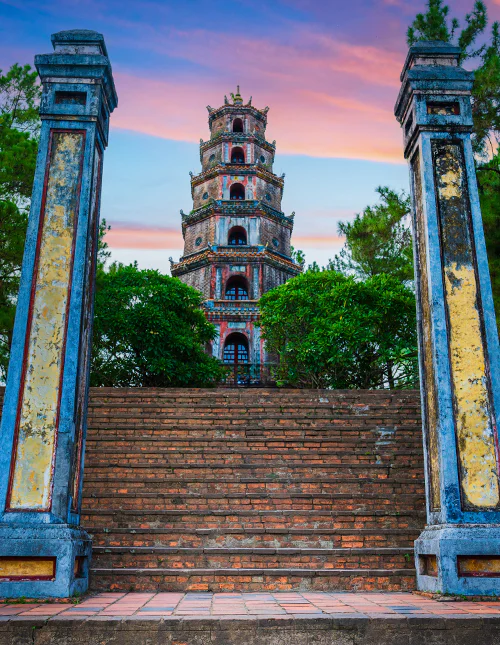
You can explore Hué on foot or enjoy a relaxing boat trip along the Perfume River, which flows through the city and offers beautiful views of the Thien Mu Pagoda along the way.
5. Pu Luong Nature Reserve
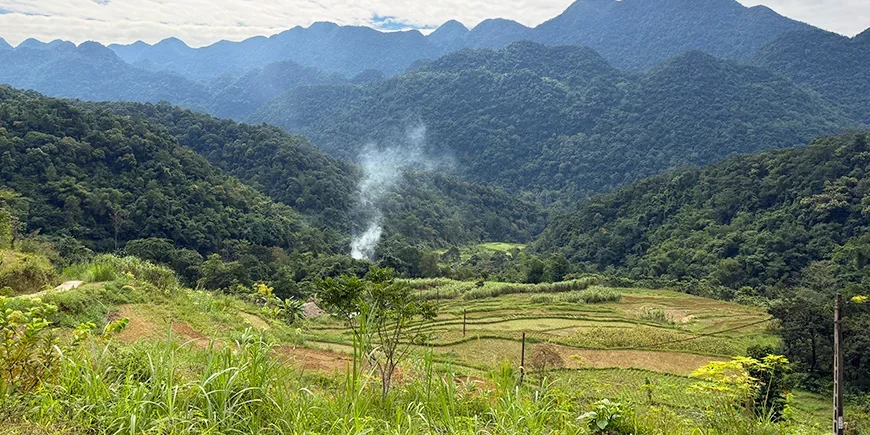
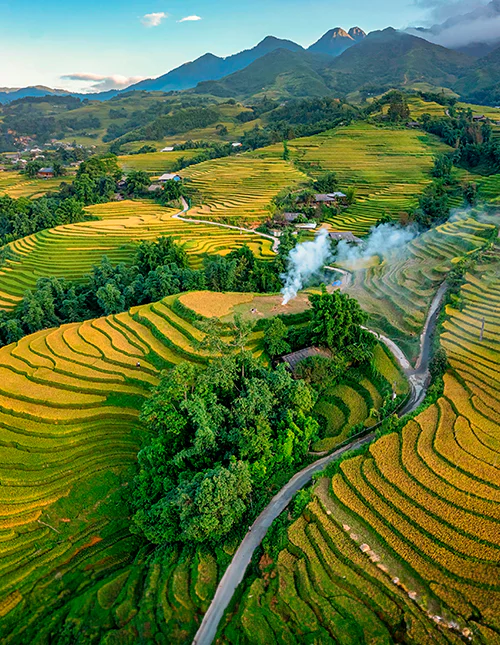
Pu Luong is one of the most unspoilt and atmospheric natural areas you can experience on a tour to northern Vietnam.
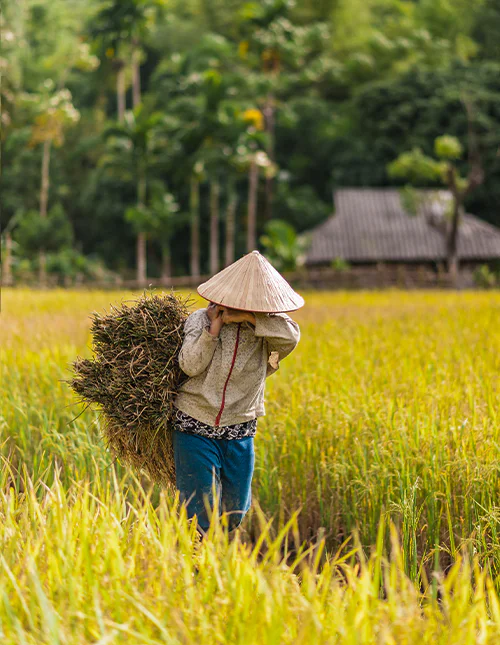
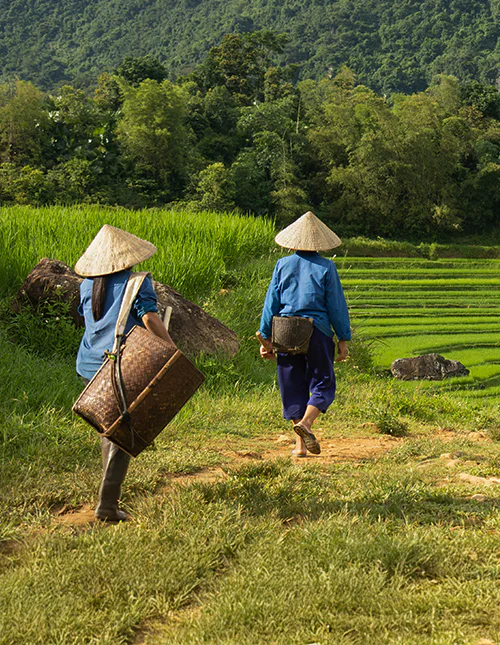
Here, rice terraces unfold like green carpets across the rolling landscape, with forest-clad mountains rising majestically in the background. The view is simply magical, especially during the wet season, when the sunlight shimmers on the water-filled terraces. As Pu Luong is less well known than, for example, Sapa, you can enjoy the beautiful surroundings in a more relaxed and authentic atmosphere.
However, the rice terraces are far from the only thing awaiting you in Pu Luong. On a hike through the area, you’ll also come across small waterfalls, lush bamboo forests, and charming villages where traditional crafts are still kept alive.
6. Hoi An
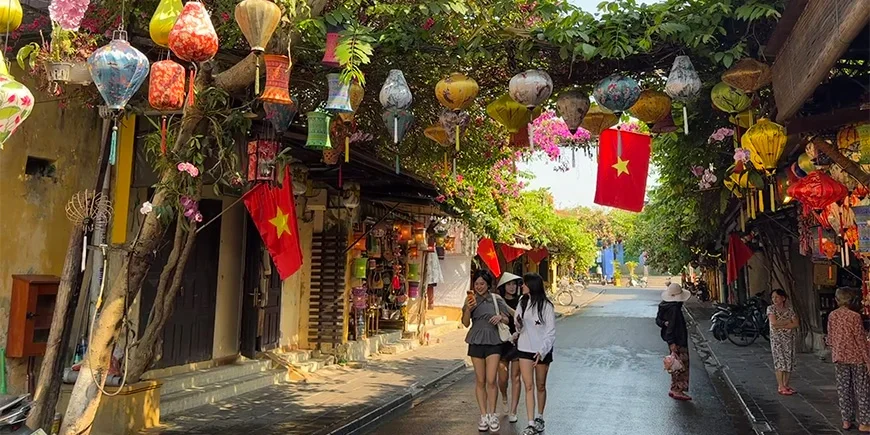
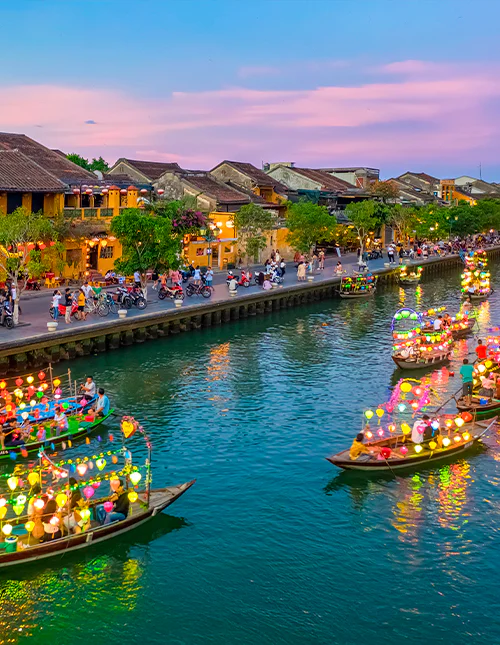
Hoi An is an idyllic coastal town in central Vietnam, whose historic charm and colourful lanterns leave a lasting impression on every visitor.
The city, one of the best-preserved historic towns in Asia, is particularly famous for its old quarter, which is listed as a UNESCO world heritage site. With its beautiful architecture influenced by Japanese, Chinese, and European styles, it’s easy to see why it has earned this distinction.
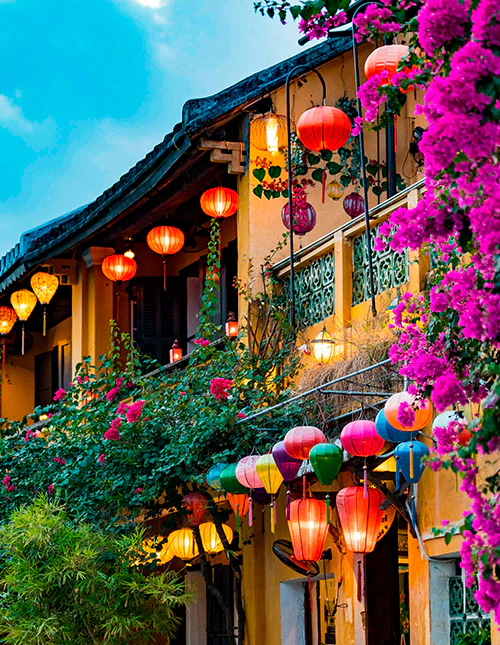
As you stroll through the streets of Hoi An, you can’t help but notice the many colourful lanterns adorning the town, creating a truly enchanting atmosphere. The sight is especially magical in the evening, when the lanterns cast a golden glow across the city and reflect in the Thu Bon River.
The adventure doesn’t end here – it continues beyond Hoi An, where lush rice fields, inviting sandy beaches, and the aromatic herb village of Tra Que await exploration, all within a short cycling distance from the centre.
7. The Mekong Delta
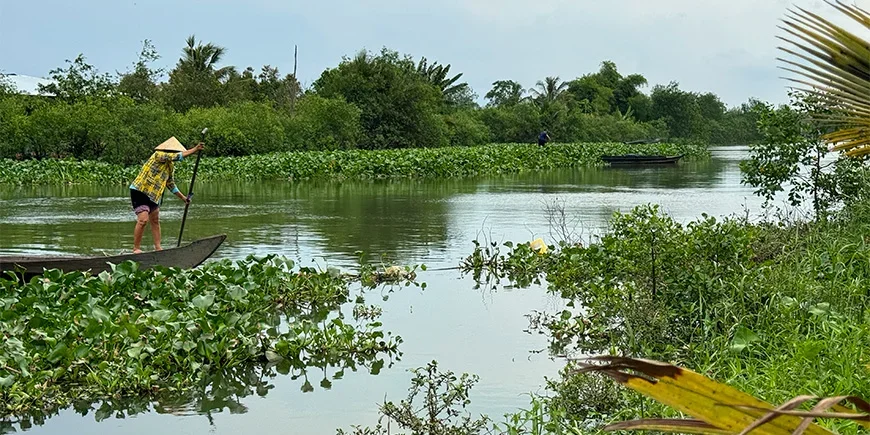
The Mekong Delta is an absolute must-see on a tour to southern Vietnam. This lush river region, covering more than 40,000 m², was created by the majestic Mekong River, which winds like a labyrinth through the landscape.
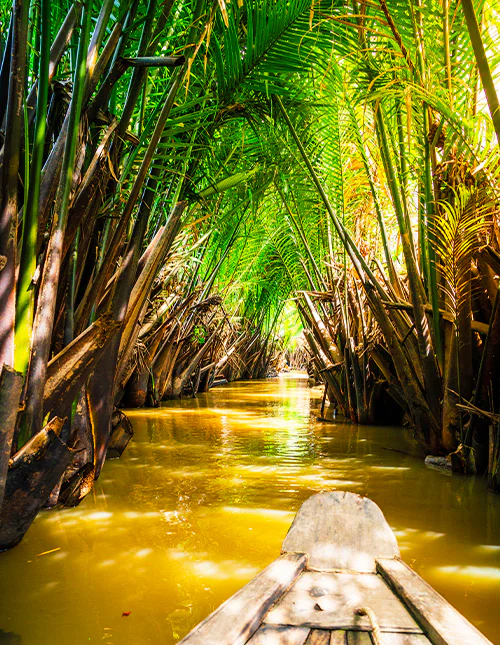
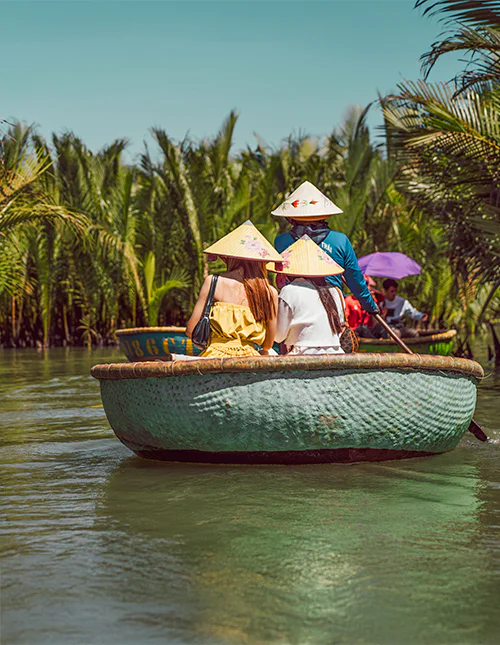
As the Mekong River winds its way through much of the region, the Mekong Delta is best experienced from the water. On a boat trip in a traditional sampan, you’ll glide along the canals, passing small houseboats and village communities, and visit local workshops where skilled artisans craft products from water hyacinth and coconut.
The Mekong Delta is also home to vast rice production, thriving thanks to the region’s water-rich environment. You can experience this first-hand through our sustainability project in the village of Vinh Long, where you’ll gain an authentic insight into traditional farming life as you join local farmers and try your hand at rice cultivation.
8. Ho Chi Minh City
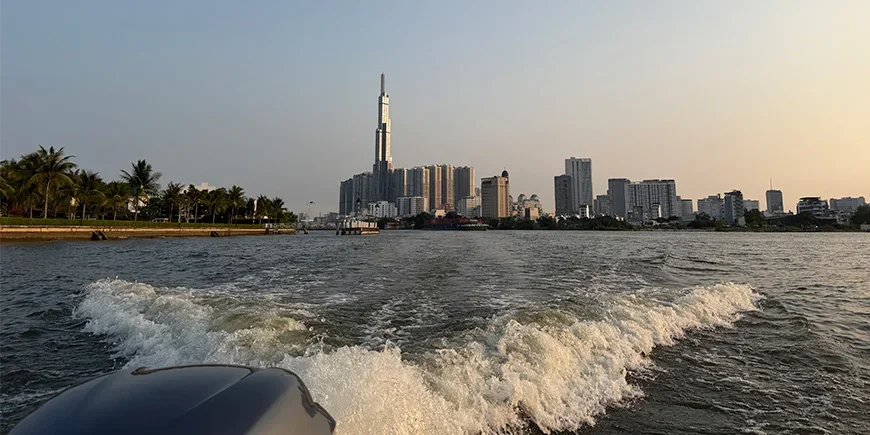
Ho Chi Minh City, Vietnam’s largest metropolis, was for many years the capital of South Vietnam under the name “Saigon” – a name still commonly used for the city’s central district today. The city now unfolds as a vibrant frenzy where past and present meet in a fascinating contrast.
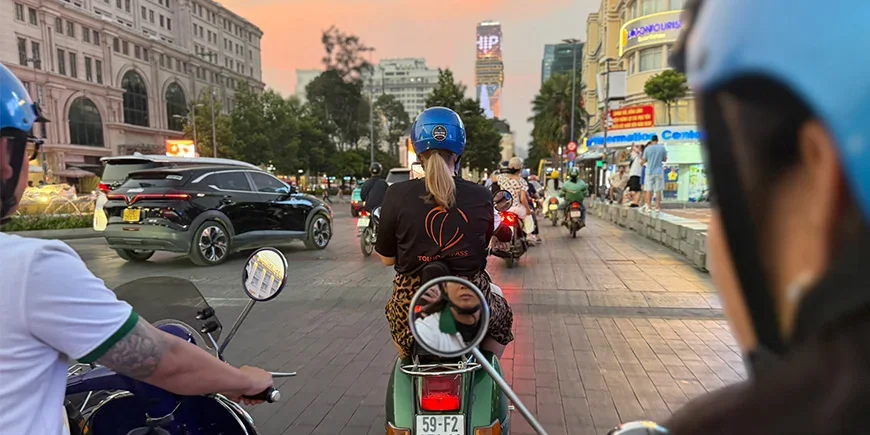
For example, you can be captivated by the elegant French colonial architecture when visiting the Old Post Office and the iconic Notre Dame Cathedral, or sense the weight of history at the War Museum and the Reunification Palace, where the Vietnam War came to an end in 1975. If you’d like to experience Ho Chi Minh City from a more modern perspective, take a walk across the Thu Thiem Bridge for a magnificent view over the Saigon River and the city’s futuristic skyline. And if you’re feeling adventurous, we recommend joining a vespa tour through the streets of Ho Chi Minh City after sunset.
If you venture just beyond Ho Chi Minh City, you can also explore the famous Cu Chi Tunnels, which served as a hideout for the North Vietnamese Viet Cong during the Vietnam War – and feel your pulse quicken as you crawl through the narrow passageways that twist and turn in an extraordinary network beneath the ground.
9. Vietnam’s beaches
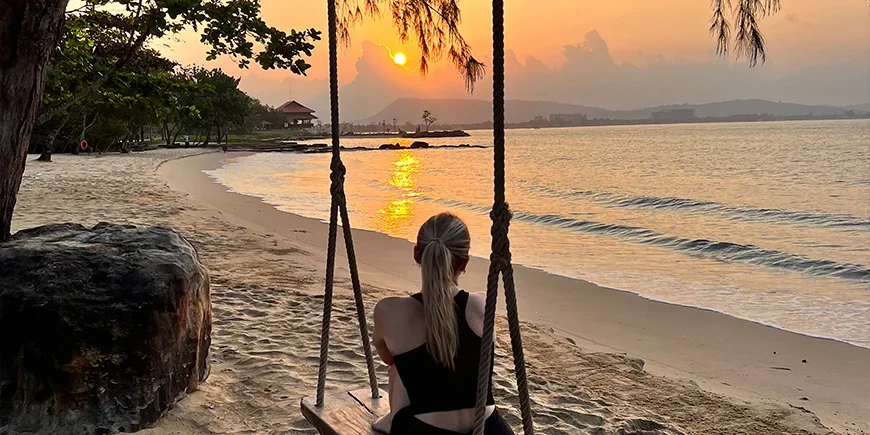
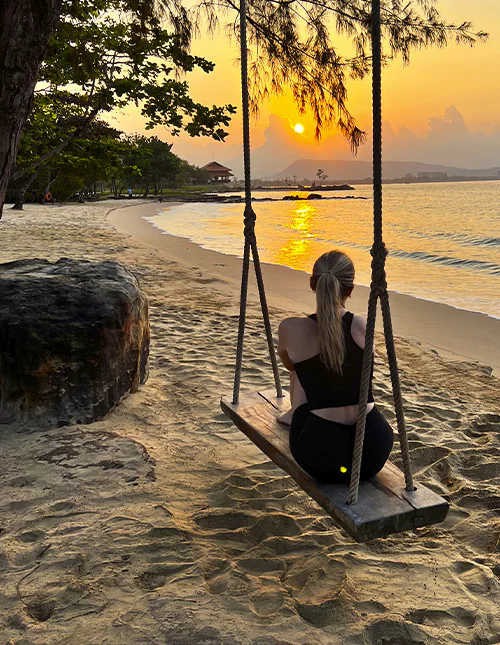
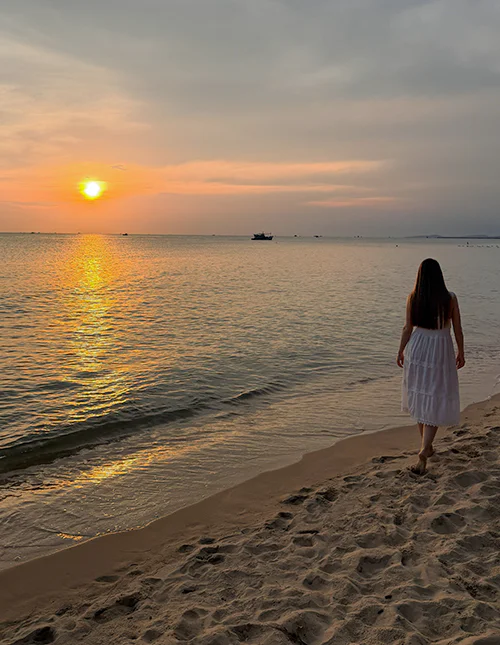
If you’re in need of some relaxation, treat yourself to a laid-back beach holiday in southern Vietnam, where palm-fringed sandy beaches await your arrival.
If you dream of pure tropical bliss, the island of Phu Quoc beckons with its lush forests, palm-lined beaches, and crystal-clear waters. Here, you can enjoy excellent opportunities for snorkelling and diving among colourful coral reefs around the nearby An Thoi islands. If you prefer a bit more variety, head to the coastal town of Mui Ne, which, in addition to its golden sands, offers impressive sights such as dramatic sand dunes and the historic Po Shanu Cham Towers.
You can also jump on a bicycle in Hoi An and ride out to Cua Dai or An Bang beach, just a short drive away, where soft sand, gentle waves, and swaying palms invite you to unwind in idyllic surroundings.
10. Food and coffee culture
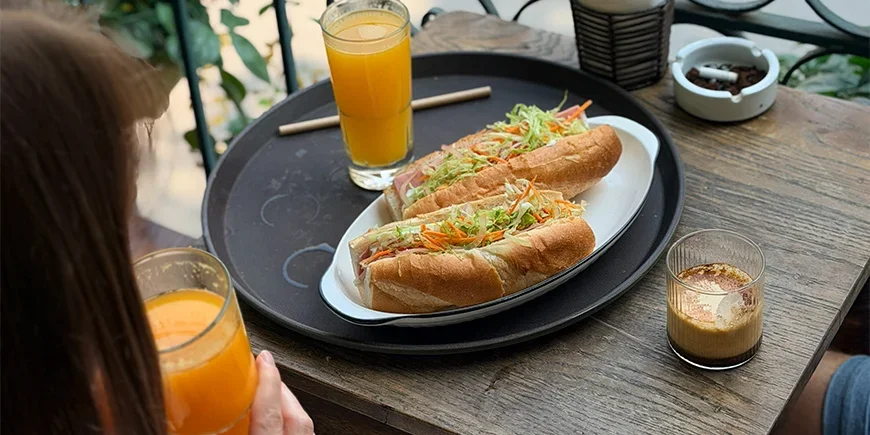
For many visitors, one of Vietnam’s greatest attractions is undoubtedly its incredible food culture. Look forward to dishes such as pho – a steaming noodle soup served with vegetables, fresh herbs, and meat – and banh mi, where the French baguette has been transformed into a Vietnamese sandwich packed with flavourful meat, vegetables, and herbs.
Vietnam’s culinary traditions can be enjoyed anywhere in the country, though each region offers its own distinctive twist. For example, dishes in northern Vietnam are known for being a little spicier, while southern Vietnamese cuisine tends to be lighter and slightly sweeter in taste.
As the world’s second-largest coffee producer, Vietnam is also a true paradise for coffee lovers. Since the French introduced coffee to the country in the 19th century, the aromatic drink has become a cornerstone of Vietnamese culture.
Try local variations such as creamy egg coffee, made with whipped egg yolks and condensed milk, or a coconut coffee sweetened with creamy coconut milk.
Grab a quick cup from one of the many small coffee stalls, or settle into a cosy café to sip the black gold while watching everyday life unfold around you.
Ready to explore Vietnam?
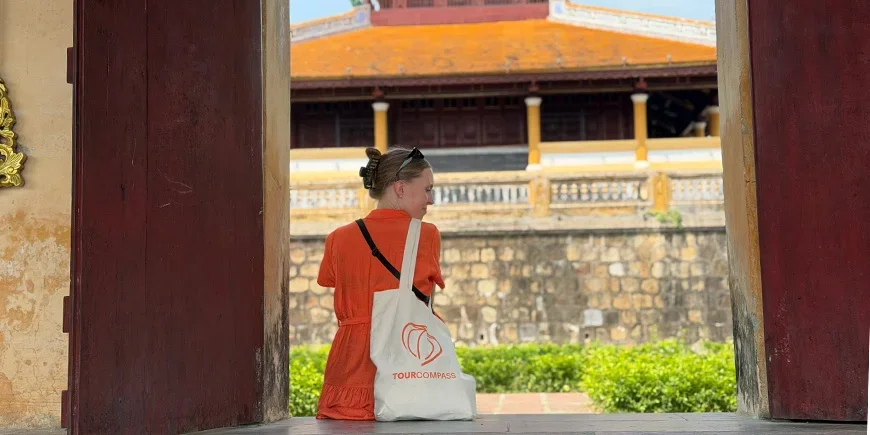
From vibrant cities and breathtaking scenery to soft sandy beaches and a world-class coffee and food culture – Vietnam is a sensory adventure with a little bit of everything!
Unsure which tour in Vietnam to choose, or have any questions? Then get in touch with our travel specialists, who are ready to help you embark on your dream tour.
TourCompass – From tourist to traveller